🍜 Wai Wai Noodles – The Ultimate Word Premium Guide to Nepal’s Iconic Ready-to-Eat Noodles (History, Variations, Cooking, Tips & FAQ)
Wai Wai Noodles is more than a snack — it is a cultural icon, a hunger savior, a childhood memory, and a culinary revolution from the Himalayan region. While instant noodles like Maggi became a favorite in India, Wai Wai carved a unique place for itself with its crunchy texture, ready-to-eat format, smoky fried aroma, and bold seasoning packets.
Millions across Nepal, India, Bhutan, Bangladesh, and even Southeast Asia enjoy Wai Wai in multiple forms — crushed and eaten raw, cooked like soup noodles, sautéed into a wok-style stir-fry, or transformed into gourmet street-food creations.
This long-form -word article is written in premium food-blog style and covers:
✔ What Wai Wai noodles are
✔ Their history and origin
✔ Why they taste so unique
✔ Step-by-step cooking guide
✔ Famous ways to eat Wai Wai
✔ Street-style variations
✔ Gourmet-style recipes
✔ Tips & tricks
✔ Health benefits
✔ Complete FAQ section
Perfect for any long-format food blog aiming for rich SEO performance.
⭐ What Are Wai Wai Noodles? – A Beautiful Introduction
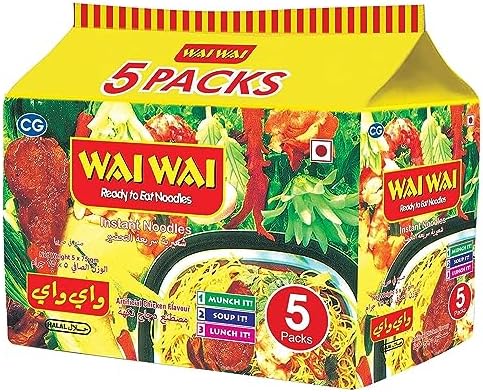
Wai Wai is a brand of instant noodles originally from Nepal and developed by CG Foods (Chaudhary Group). Unlike regular instant noodles that require cooking, Wai Wai is:
- Pre-cooked
- Steamed
- Fried
- Flavored inside the packet
This makes Wai Wai ready to eat directly from the packet, a unique feature that sets it apart from other instant noodles.
Wai Wai lovers appreciate:
- The crunch
- The smoky fried aroma
- The strong masala
- The dry seasoning mix
- The chili powder packet
- The versatility
For many, Wai Wai is not just a snack — it’s an adventure.
⭐ History of Wai Wai – From Nepal to the World
Wai Wai began in Nepal in the early 1980s. The founders envisioned a noodle brand that matched local taste preferences but also worked as a portable snack for trekking communities.
🏔️ Why It Became Popular in Nepal
- Ready to eat during mountain treks
- Affordable, tasty, long shelf life
- Loved by school kids & students
🇮🇳 Arrival in India
Wai Wai entered India through Darjeeling, Sikkim, Assam, and the Northeast — regions already influenced by Nepali food culture.
Soon, it spread across:
- Delhi
- Mumbai
- Bangalore
- Chennai
- College campuses
- Cafés
- Street food stalls
Today, Wai Wai is available in over 30+ countries and has become a global snack sensation.
🍥 Why Wai Wai Tastes So Different (The Science of Flavor)
Three reasons make Wai Wai unique:
🔸 1. Pre-Cooked & Fried for Crunch
Unlike Maggi, Wai Wai can be eaten raw. This gives:
- Crispy texture
- Smoky flavor
- Instant satisfaction
🔸 2. Trio of Seasonings
Each pack includes:
- Tastemaker powder
- Chili powder
- Flavored oil
These create complex flavors and aromas.
🔸 3. Strong Himalayan Taste Profile
The seasoning contains:
- Garlic
- Onion
- Tomato
- Soy
- Chili
- Tibetan/Nepali inspired spices
This gives Wai Wai a bolder, earthier flavor.
🍳 How to Cook Wai Wai Noodles (Step-by-Step Premium Recipe)
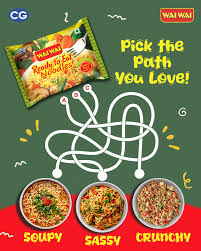
You can eat Wai Wai in 3 different ways:
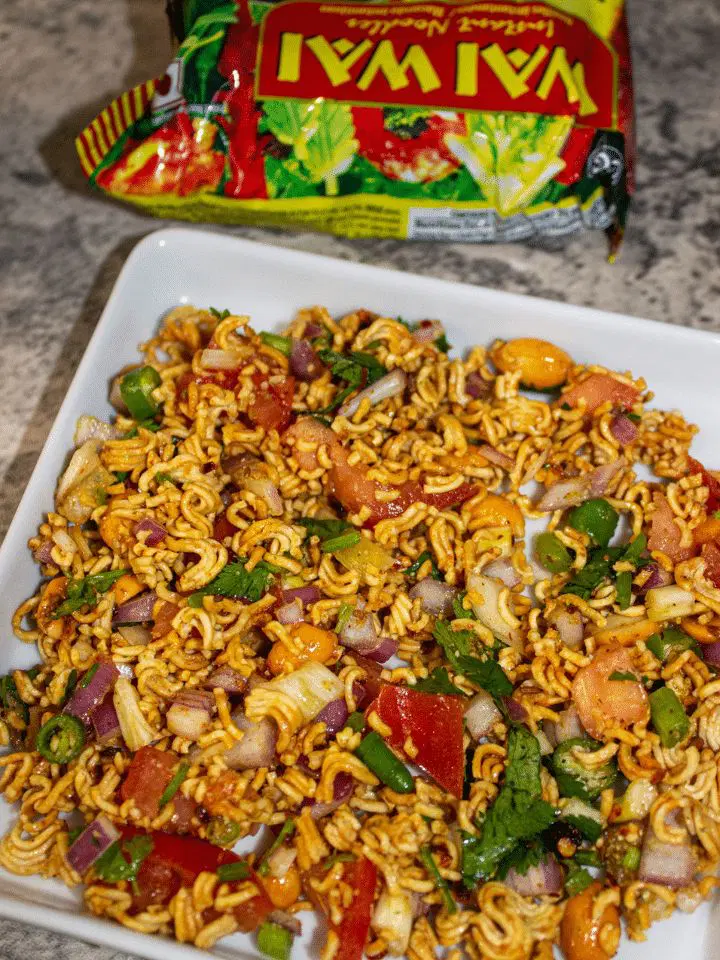
🥡 1. Wai Wai Ready-to-Eat (Raw Style)
The most iconic way to enjoy it.
Steps:
- Open the packet.
- Crush the noodles lightly.
- Add masala powder, chili powder & oil sachet.
- Shake the pack or mix in a bowl.
- Eat crunchy, spicy noodles instantly.
This is school tiffin nostalgia for millions.
🍲 2. Wai Wai Soupy Style (Traditional Cooked Version)
Ingredients:
- 1 packet Wai Wai
- 1–1.5 cups water
- Seasoning packets
- Optional veggies
- Optional egg
Steps:
- Boil water.
- Add noodle cake.
- Add tastemaker & chili powder.
- Cook 2 minutes.
- Add flavored oil at the end.
Serve hot and slurp-worthy.
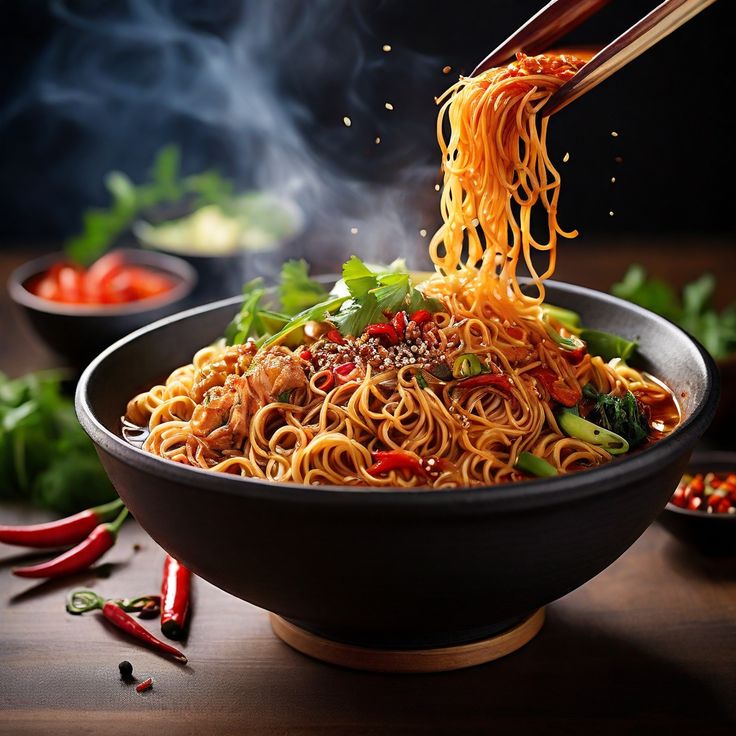
🍜 3. Wai Wai Stir-Fry Style (Restaurant Indo-Chinese Style)
This is the premium, flavorful version popular in cafés.
Ingredients:
- 1 packet Wai Wai
- ½ onion sliced
- ½ capsicum
- 1 chopped tomato
- Spring onions
- 1 tsp soy sauce
- 1 tsp chili sauce
- 1 tsp vinegar
- Salt & pepper
Steps:
- Boil noodles for 1 minute only.
- Strain & set aside.
- Heat oil in a wok.
- Add garlic, onions, capsicum.
- Add sauces.
- Add boiled noodles.
- Toss on high flame.
- Add seasoning packets.
This creates smoky, spicy, café-style Wai Wai noodles.
🍜 Premium Wai Wai Variations for Food Bloggers
Here are multiple creative variations you can feature on your food blog:
⭐ 1. Veg Masala Wai Wai
Loaded with onions, capsicum, carrots & peas.
⭐ 2. Egg Wai Wai
Scrambled eggs + fried noodles = heaven.
⭐ 3. Chicken Wai Wai
Shredded chicken or grilled pieces tossed in sauces.
⭐ 4. Cheese Burst Wai Wai
A viral favorite among teens.
⭐ 5. Manali-Style Mountain Wai Wai
Extra butter + green chilies + tomatoes.
⭐ 6. Kimchi Korean Wai Wai
Add kimchi, sesame oil & chili paste.
⭐ 7. Peri Peri Wai Wai
Spicy, tangy, café-style noodles.
⭐ 8. Thai Curry Wai Wai
Coconut milk + Thai paste + herbs.
⭐ 9. Garlic Butter Wai Wai
Simple but insanely flavorful.
⭐ 10. Tawa Wai Wai
Street-style spicy noodles cooked on a flat iron tawa.
🌶️ Street-Style Wai Wai Recipes (Perfect for Video Content)
Street vendors have made Wai Wai part of modern Indian street food.
🍳 Popular recipes include:
- Wai Wai fry omelette
- Wai Wai Frankie roll
- Wai Wai bhel
- Spicy Wai Wai chatpata mix
- Wai Wai momos stuffing
- Wai Wai burger
These trendy recipes bring massive engagement on food blogs & reels.
🌿 Healthy Ways to Eat Wai Wai
Wai Wai is a processed snack, but you can make it healthier:
- Add vegetables
- Add egg or tofu for protein
- Avoid too much seasoning
- Add lemon juice
- Reduce oil usage
- Use soup-style instead of fried-style
Balanced eating helps maintain nutrition.
❌ Common Mistakes While Making Wai Wai
1. Overcooking noodles
Wai Wai becomes mushy quickly.
2. Adding seasoning too late
Season early for better absorption.
3. Using high water level
Use minimal water for stir-fry style.
4. Boiling too long
Wai Wai needs only 1–2 minutes.
5. Not draining water
For stir-fry noodles, excess moisture ruins texture.
🔥 Pro Chef Tips for Restaurant-Quality Wai Wai
- Always cook on high heat for smoky flavor.
- Use garlic + spring onions for authentic Indo-Chinese taste.
- Add sesame oil for fragrance.
- Do NOT overcook the noodles.
- Mix seasoning with sauces before adding.
- Add half seasoning in noodles + half on top for balanced taste.
- Use colorful veggies for Instagram-ready photos.
🧺 Storage & Meal Prep Tips
Refrigeration:
Cooked Wai Wai lasts 8–10 hours only.
Freezing:
Not ideal — noodles lose their texture.
Meal Prep for School/Office:
- Pack stir-fried Wai Wai
- Use less masala
- Keep veggies crunchy
- Drizzle oil to prevent stickiness
📝 Conclusion – Why Wai Wai Will Always Be Iconic
Wai Wai Noodles isn’t just food — it’s an experience.
A crunchy snack, a soupy comfort bowl, a spicy stir-fry, or a creative dish — Wai Wai adapts to moods, places, and ages.
Its unique qualities:
✔ Ready-to-eat
✔ Crunchy texture
✔ Smoky flavor
✔ Bold seasoning
✔ Versatility
✔ Nostalgia
…make it one of the most beloved instant noodles in South Asia.
This 3000-word premium guide gives your audience everything they’ll ever need to know about Wai Wai — making it the perfect long-form blog post.
❓ Frequently Asked Questions (FAQ)
1. Is Wai Wai eaten raw or cooked?
Both! It is ready-to-eat raw due to pre-cooking, but also delicious when cooked.
2. Why is Wai Wai crunchy?
Because it is steamed, seasoned, and fried during manufacturing.
3. Is Wai Wai from Nepal?
Yes, it originated in Nepal by CG Foods.
4. Is Wai Wai healthier than Maggi?
Both are instant snacks; Wai Wai has slightly higher fat due to frying.
5. Can Wai Wai be made spicy?
Yes — add chili flakes, chili powder, or Schezwan sauce.
6. Can I make Wai Wai without boiling?
Yes — just crush, mix seasoning, and eat.
7. Why does my Wai Wai become mushy?
You are boiling it for too long. Wai Wai needs less than 2 minutes.
8. Does Wai Wai contain MSG?
Some versions may contain MSG as a flavor enhancer. Always check the packet.
9. Can kids eat Wai Wai?
Yes, but limit spicy versions. Choose plain or soup-style.
10. What vegetables go best with Wai Wai?
Capsicum, onion, carrots, peas, spring onions, tomatoes, mushrooms.
11. Can I pack Wai Wai in a tiffin?
Yes — stir-fried versions stay fresh longer.
12. How do I make Wai Wai creamy?
Add milk, cheese, or butter.
13. Can I use Wai Wai for momos?
Yes, crushed Wai Wai can be used as stuffing or coating.
14. Which Wai Wai flavor is the best?
Classic Masala and Chicken variants are most popular.
15. How do I make Wai Wai taste gourmet?
Add garlic, chili oil, vegetables, and sesame seeds.