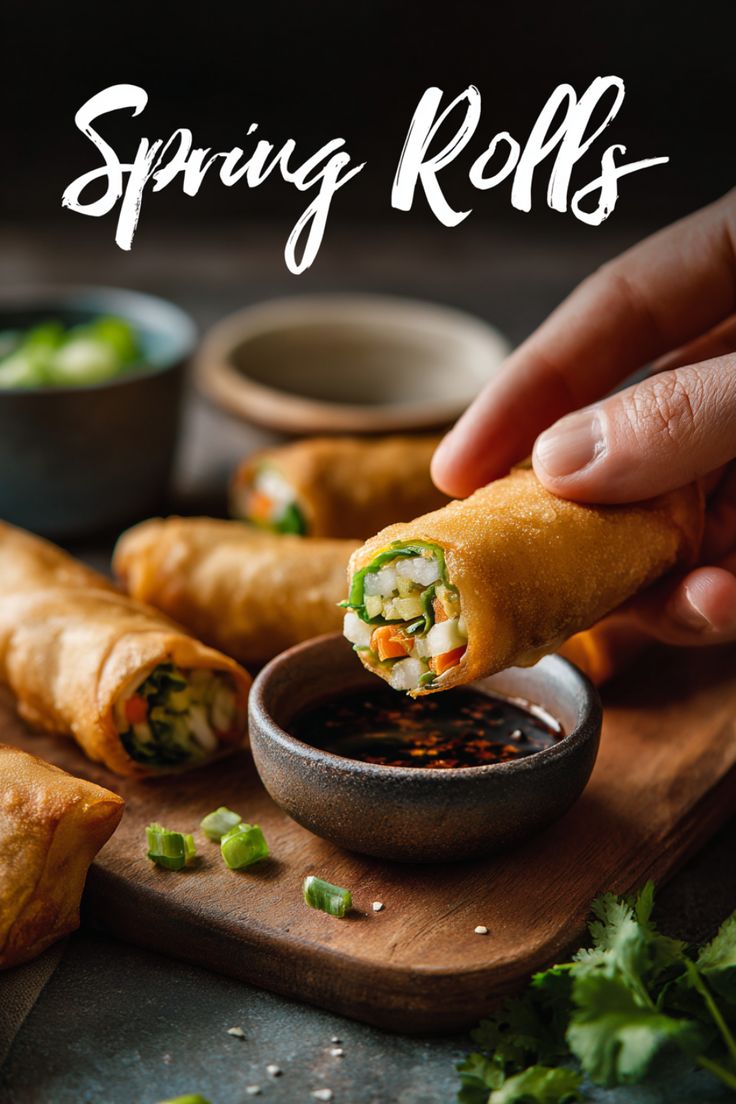
Spring rolls are one of the most iconic and widely loved snacks in Asian cuisine. Their irresistible crunch, flavorful fillings, and versatile preparation methods make them a global favorite. From Chinese New Year celebrations to Vietnamese street food stalls and Thai restaurant menus, spring rolls have become a universal symbol of Asian culinary art. Over time, the dish evolved into countless variations—fried, fresh, vegetarian, non-vegetarian, gluten-free, and even dessert versions.
This premium-optimized guide explores everything you need to know about spring rolls—from their origins and ingredients to cooking methods, tips, and frequently asked questions.
1. Introduction to Spring Rolls
Spring rolls are thinly wrapped rolls filled with vegetables, meat, noodles, or seafood, and prepared either fresh (unfried) or deep-fried. The wrap can be made from rice paper, wheat flour sheets, or special spring roll wrappers depending on regional style.
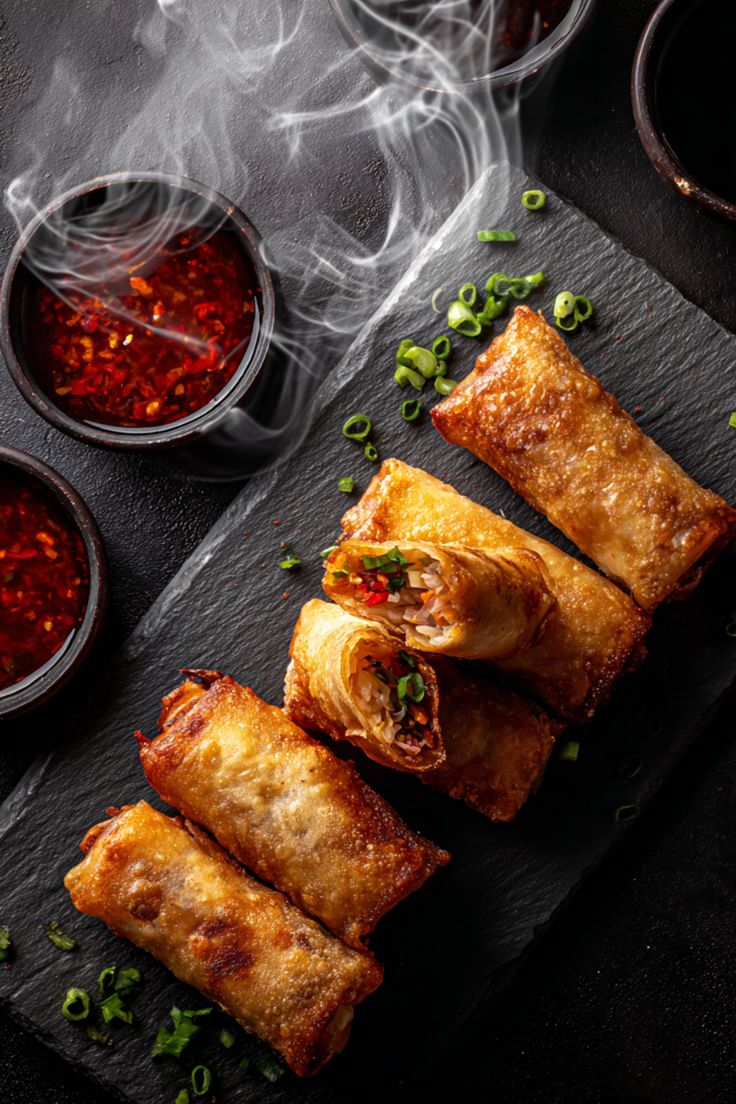
While the concept sounds simple, the variations are endless. The fillings, rolling style, and dipping sauces all contribute to the flavor experience. Today, spring rolls are enjoyed as appetizers, snacks, party starters, street foods, and festival treats.
Spring rolls appeal to people because they are:
- Light yet satisfying
- Crunchy and flavorful
- Customizable for any diet (vegan, vegetarian, non-veg, gluten-free)
- Easy to prepare at home
- Perfect for events and celebrations
2. The History and Origin of Spring Rolls
The exact origin of spring rolls can be traced back more than a thousand years to China during the Eastern Jin Dynasty. They were originally known as “spring dish” or “spring plate” because they were prepared during the Spring Festival using freshly harvested seasonal vegetables.
Spring Rolls in China
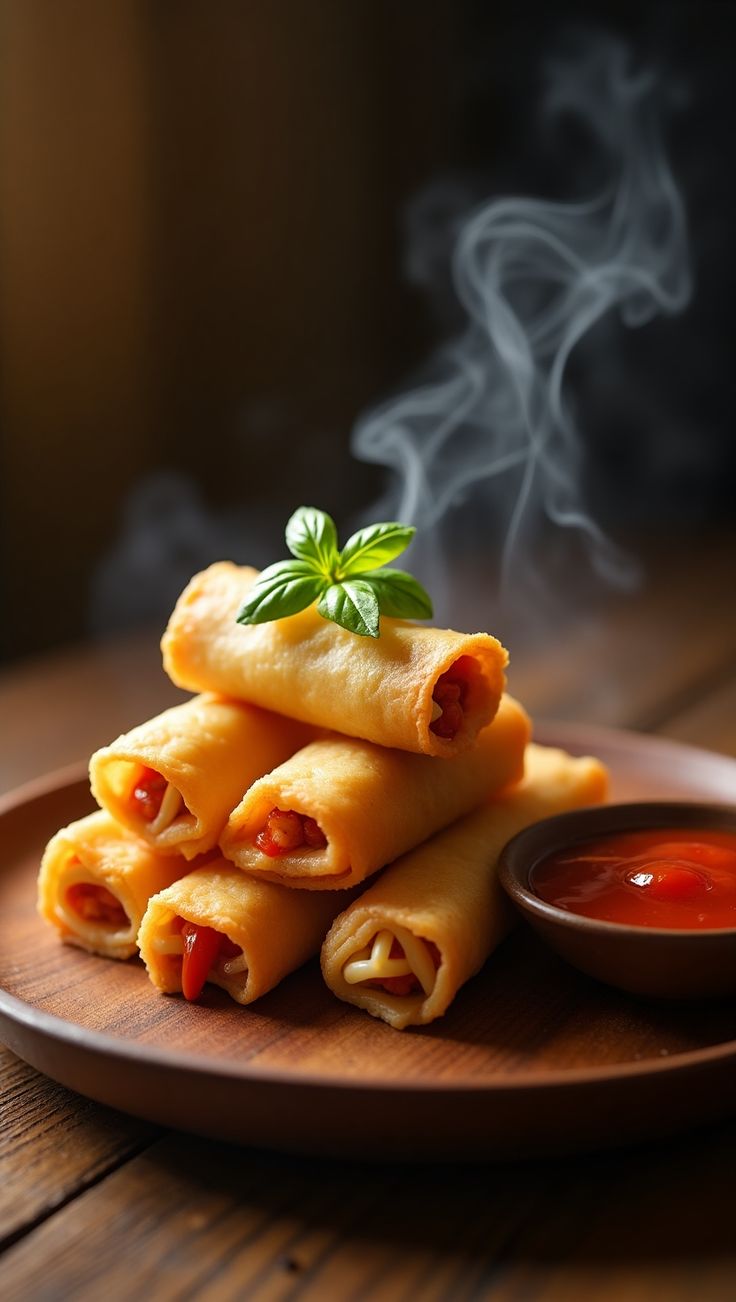
Traditional Chinese spring rolls are made using thin wheat flour wrappers filled with cabbage, carrots, mushrooms, and sometimes pork. They are often enjoyed during Chinese New Year as a symbol of prosperity because their golden color resembles gold bars.
Vietnamese Spring Rolls
Vietnam introduced fresh spring rolls (gỏi cuốn), which use rice paper wrappers filled with vermicelli noodles, fresh herbs, shrimp or pork, and served with peanut or hoisin sauce.
Thai and Filipino Versions
- Thai spring rolls often include bean sprouts, glass noodles, and spices.
- Filipino lumpia uses a thinner wrapper and may include minced meat and sweet dipping sauces.
Global Adaptation
Today, spring rolls have become a global fusion dish. Ingredients like cheese, corn, paneer, chicken tikka, avocado, and tofu are now commonly used in modern adaptations.
3. Types of Spring Rolls You Must Know
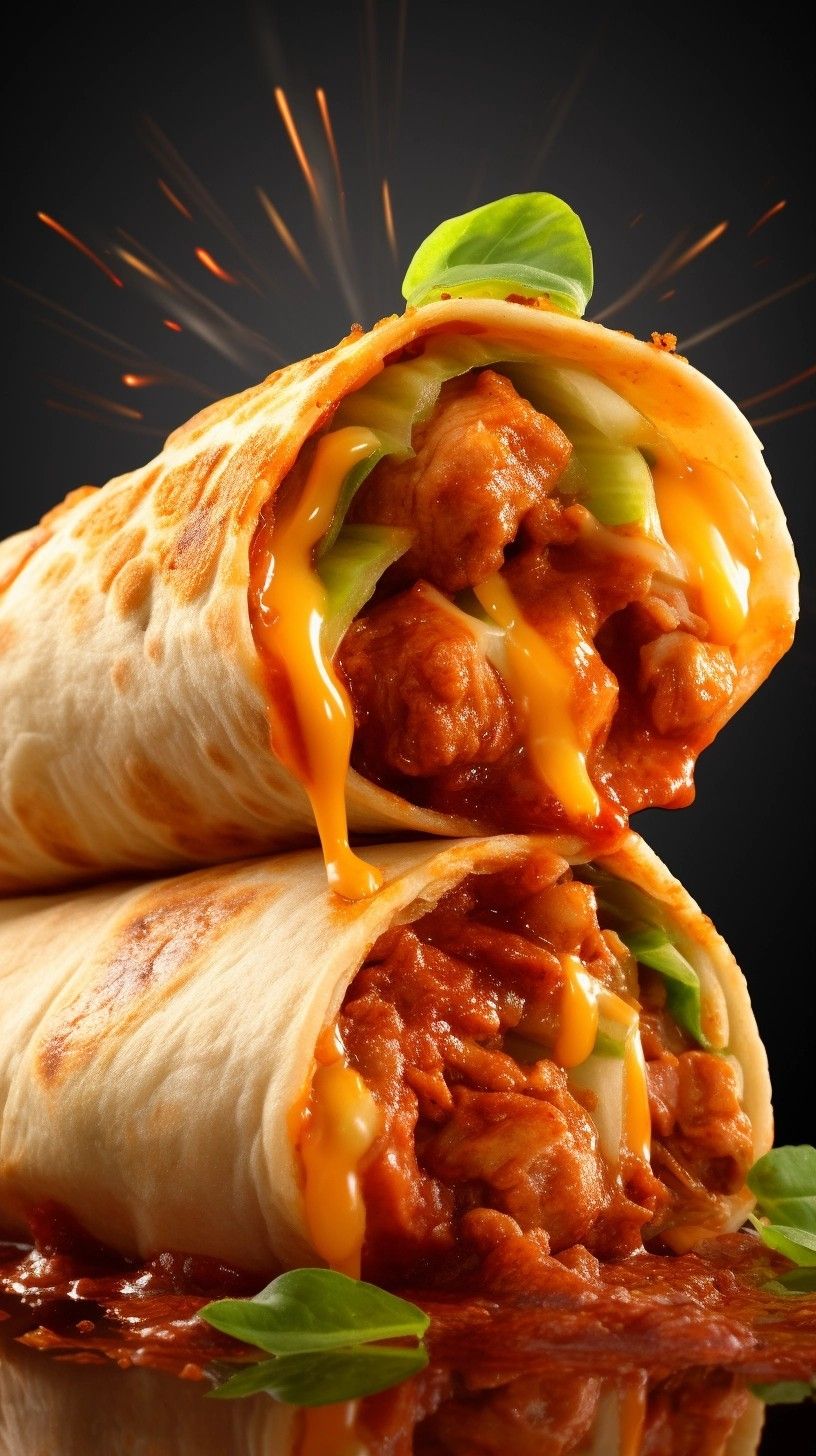
Spring rolls differ widely across cultures. Here are the most popular types:
1. Chinese Fried Spring Rolls
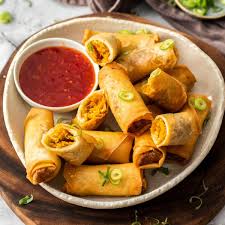
Crispy, golden, deep-fried rolls filled with mixed vegetables or meat.
2. Vietnamese Fresh Spring Rolls (Summer Rolls)
Soft, chewy rice paper rolls filled with fresh herbs and chilled noodles. Served cold.
3. Thai Spring Rolls
Flavored with Thai spices, glass noodles, and sweet chili dipping sauce.
4. Filipino Lumpia
Thin and extra crispy rolls, typically filled with minced meat.
5. Mini Cocktail Spring Rolls
Smaller bite-sized rolls, perfect as party appetizers.
6. Dessert Spring Rolls
Filled with chocolate, bananas, apples, or sweetened coconut.
7. Vegetarian and Vegan Spring Rolls
Filled with tofu, mushrooms, cabbage, carrots, and bean sprouts.
8. Gluten-Free Spring Rolls
Prepared using rice paper wrappers and gluten-free sauces.
4. Ingredients Used in Spring Rolls
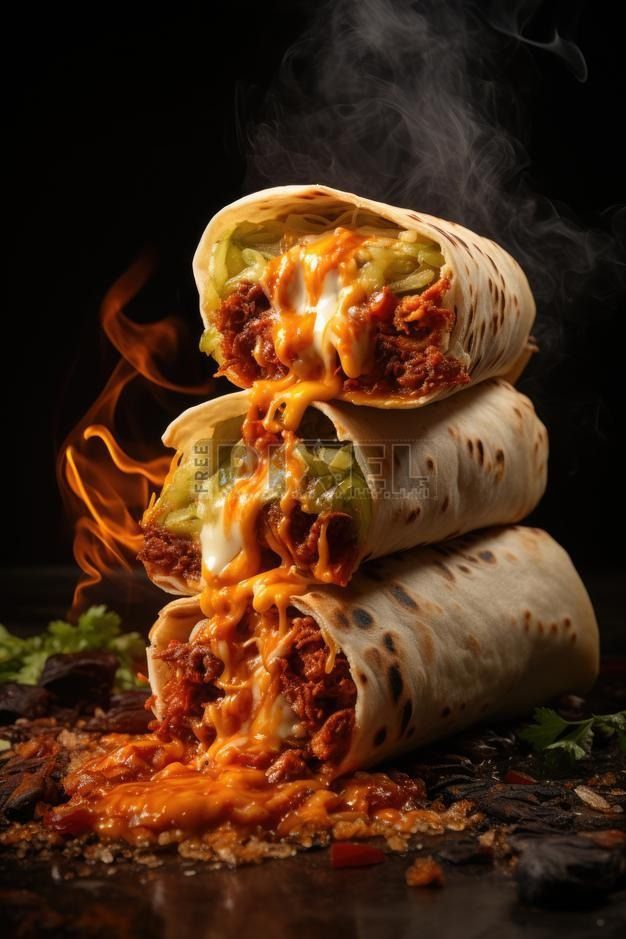
Spring rolls use simple ingredients but pack a punch of flavor. Here’s what they typically include:
Wrappers
- Wheat flour wrappers (Chinese style)
- Rice paper sheets (Vietnamese style)
- Lumpia wrappers (Filipino)
Fillings
- Cabbage
- Carrot
- Bell peppers
- Mushrooms
- Bean sprouts
- Glass noodles or vermicelli
- Chicken, pork, shrimp, tofu (optional)
Seasonings
- Soy sauce
- Vinegar
- Garlic
- Pepper
- Sesame oil
- Salt
- Chili flakes
Dipping Sauces
- Sweet chili sauce
- Soy and vinegar dip
- Peanut sauce
- Hoisin dip
- Garlic chili sauce
5. How to Make Perfect Spring Rolls at Home
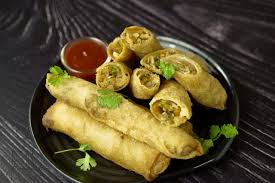
Making spring rolls at home is surprisingly easy once you understand the technique.
Step-by-Step Recipe for Fried Spring Rolls
Ingredients
- 1 cup shredded cabbage
- 1 carrot, julienned
- 1 onion, thinly sliced
- ½ cup bell peppers
- 1 cup boiled noodles (optional)
- Salt and pepper
- 1 tsp soy sauce
- Spring roll wrappers
- Oil for frying
Steps
- Prepare the filling:
Sauté vegetables on high heat to maintain crunch. Add seasoning and soy sauce. - Cool the filling:
Never fill hot mixture, or the wrappers will tear. - Assemble the rolls:
Place filling, fold the sides, and roll tightly. - Seal the edges:
Use a flour-water paste to stick the wrapper. - Deep fry:
Fry on medium heat until golden and crispy. - Serve hot with chili sauce or garlic dip.
Recipe for Fresh Vietnamese Spring Rolls
Ingredients
- Rice paper wrappers
- Mint and basil leaves
- Lettuce
- Boiled shrimp or tofu
- Vermicelli noodles
- Cucumber strips
Steps
- Dip rice paper in warm water for 2–3 seconds.
- Add lettuce, noodles, shrimp/tofu, and herbs.
- Roll gently and tightly.
- Serve chilled with peanut hoisin sauce.
6. Tips for Making Restaurant-Style Spring Rolls
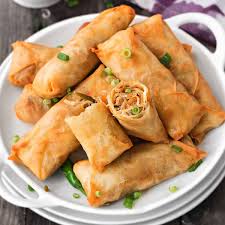
Here are some professional tips to elevate your spring rolls:
1. Keep Filling Dry
Excess moisture causes soggy spring rolls. Stir-fry vegetables quickly on high flame.
2. Don’t Overstuff
Too much filling makes the rolls break while frying.
3. Roll Tightly
Loose rolls absorb more oil and break easily.
4. Use Medium Heat for Frying
Low heat makes them soggy, high heat burns the wrapper.
5. Use Cornstarch Slurry to Seal
Helps keep rolls intact during frying.
6. Double Roll for Extra Crispiness
Restaurants often use two wrappers for crunchy texture.
7. Nutritional Value of Spring Rolls
While spring rolls are not always considered healthy, they can be nutritious depending on preparation:
Fried Spring Rolls
- Calories: 150–200 per piece
- Contains carbs, fats, and proteins
Fresh Spring Rolls
- Low calorie (80–120 per roll)
- High in fiber
- Rich in vitamins from fresh herbs
Healthy Versions Include
- Air-fried spring rolls
- Baked spring rolls
- Whole-wheat wrappers
- Vegan, fresh rolls
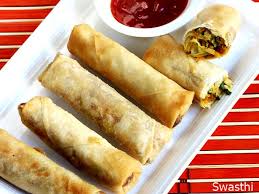
8. Popular Dipping Sauces for Spring Rolls
Great spring rolls deserve a perfect dip. Here are the best options:
1. Sweet Chili Sauce
A classic, slightly sweet and tangy dip.
2. Soy Vinegar Dip
Simple yet flavorful.
3. Peanut Sauce
Perfect for Vietnamese rolls.
4. Garlic Chili Sauce
Adds heat and depth.
5. Hoisin Sauce
Best paired with shrimp or pork fillings.
9. The Rising Popularity of Spring Rolls Worldwide
Spring rolls have seen massive growth in global markets due to:
- Increased love for Asian cuisine
- Rising demand for quick snacks
- Trend of street food and fusion dishes
- Vegan and gluten-free variations
In 2025, spring rolls continue to trend in restaurants, food trucks, and home kitchens.
10. Spring Roll Business Idea: Why It’s Profitable
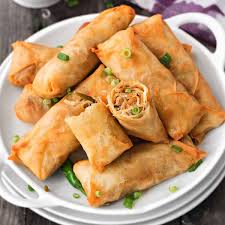
Starting a spring roll business can be extremely successful because:
- Low investment required
- Universally loved snack
- High profit margins
- Easy customization
- Can be sold in cafes, stalls, food trucks, or frozen packs
You can offer:
- Veg spring rolls
- Chicken rolls
- Cheese rolls
- Mini party rolls
- Frozen ready-to-fry spring rolls
11. Frequently Asked Questions (FAQ)
1. Are spring rolls healthy?
Fresh spring rolls are healthy, while fried ones should be eaten in moderation.
2. Why do my spring rolls become soggy?
Wet filling, low frying temperature, or moisture in wrappers causes sogginess.
3. Can I air-fry spring rolls?
Yes! Air frying makes them crispy with less oil.
4. What wrappers are best?
Wheat wrappers for fried rolls, rice paper for fresh rolls.
5. How long can spring rolls be stored?
Unfried rolls can be refrigerated for 1–2 days; fried rolls stay crispy for a few hours.
6. What is the difference between spring rolls and egg rolls?
Egg rolls have thicker wrappers and contain egg; spring rolls are lighter with thinner wrappers.
7. Are spring rolls vegan?
They can be! Simply use vegetable-only fillings.
8. What oil is best for frying?
Neutral oils like canola, sunflower, or peanut oil.
12. Conclusion
Spring rolls are a timeless snack that has captured hearts worldwide. Their crispiness, fresh flavors, and versatility make them a must-have appetizer in Asian cuisine and global menus. Whether you enjoy them fried and golden or soft and fresh with herbs, spring rolls always deliver a burst of flavor.
This comprehensive guide covered their history, ingredients, recipes, nutrition, and business potential—everything you need to understand the magic behind spring rolls.