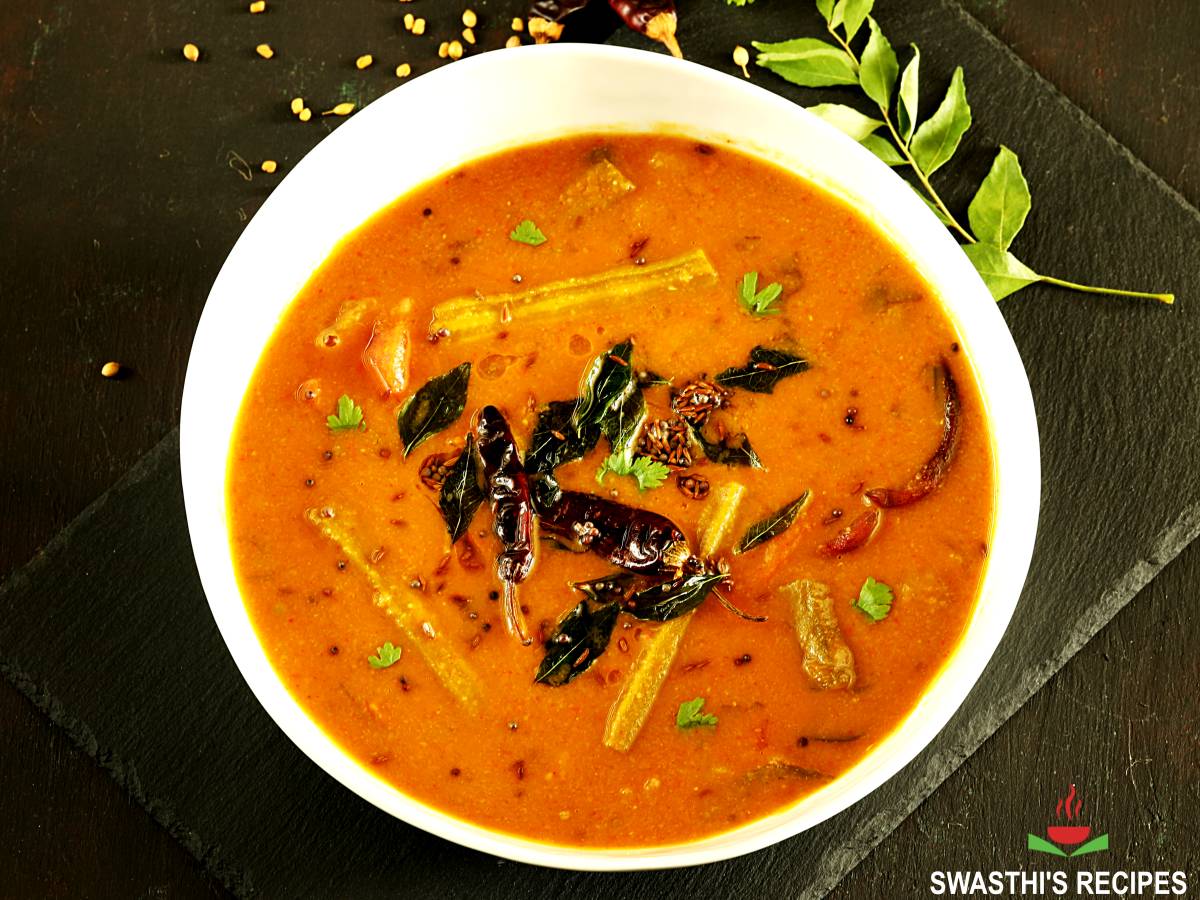
Seafood is one of the most diverse and treasured categories of food in the world. It includes fish, shellfish, crustaceans, mollusks, and other aquatic edible creatures harvested from oceans, rivers, and lakes. Whether grilled, fried, steamed, smoked, baked, or eaten raw—it offers incredible flavors, textures, and health benefits. From the coasts of Japan and the Mediterranean shores to American seafood grills and Southeast Asian fish markets, seafood is integral to global cuisine.
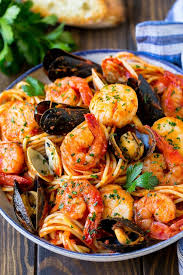
This premium, SEO-optimized guide explores everything about seafood—its types, health benefits, nutritional facts, cooking methods, recipes, risks, and frequently asked questions.
1. Introduction to Seafood
Seafood refers to edible marine animals that include fish, shrimp, crab, oysters, lobster, mussels, squid, and more. It is considered one of the healthiest proteins available, packed with omega-3 fatty acids, vitamins, and minerals.
Seafood has gained immense popularity due to:
- Its high nutritional value
- Diverse cooking methods
- Rich flavors
- Cultural importance
- Growing health consciousness
- Versatility in cuisines
Whether served in sushi platters, grilled steaks, curries, soups, or seafood platters, it remains a beloved choice worldwide.
2. History and Cultural Importance of Seafood
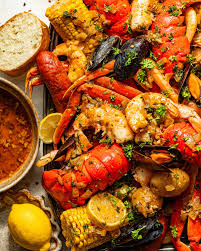
Seafood consumption dates back thousands of years. Ancient civilizations like Greeks, Egyptians, Romans, and Chinese relied heavily on fish as a staple food source.
Seafood in Different Cultures
- Japan: Seafood is the foundation of sushi and sashimi.
- Mediterranean countries: Fish and shellfish are part of the heart-healthy Mediterranean diet.
- India: Coastal regions like Kerala and Goa thrive on fish curries.
- USA: Lobster, crab, salmon, and shrimp dishes are extremely popular.
- Southeast Asia: Countries like Thailand, Vietnam, Philippines, and Indonesia use seafood in curries, grills, soups, and stir-fries.
Today, seafood is enjoyed globally and is a cornerstone of cuisine in many cultures.
3. Types of Seafood You Must Know
Seafood includes hundreds of edible species, but here are the major categories:
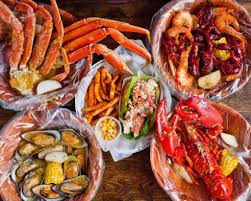
1. Fish
Fish is the most widely consumed seafood and can be categorized into:
a. Oily Fish
Rich in omega-3 fatty acids
- Salmon
- Mackerel
- Tuna
- Sardines
b. White Fish
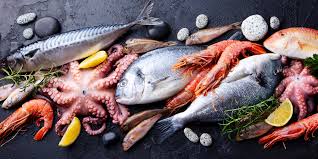
Low-fat protein
- Cod
- Haddock
- Tilapia
- Snapper
c. Freshwater Fish
- Catfish
- Trout
- Carp
2. Shellfish
a. Crustaceans
- Shrimp
- Crab
- Lobster
- Prawn
b. Mollusks
- Squid
- Octopus
- Mussels
- Clams
- Scallops
c. Cephalopods
- Squid
- Octopus
- Cuttlefish
3. Exotic Seafood
- Eel
- Sea urchin
- Jellyfish
- Abalone
Each type offers unique flavors, textures, and cooking uses.
4. Nutritional Value of Seafood
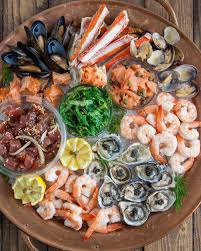
Seafood is one of the most nutrient-dense foods available. It is an excellent source of:
Essential Nutrients
- Omega-3 fatty acids (EPA & DHA)
- High-quality protein
- Vitamin D
- Vitamin B12
- Iodine
- Zinc
- Selenium
Benefits of Omega-3 Fatty Acids
- Improves brain health
- Reduces inflammation
- Supports heart function
- Enhances eye health
- Boosts mood and reduces depression
Low in Fat
Most seafood options are low in saturated fats, making them ideal for weight loss diets.
5. Health Benefits of Eating Seafood
Seafood offers incredible health benefits when consumed regularly.
1. Supports Heart Health
Omega-3s lower cholesterol, reduce inflammation, and prevent heart diseases.
2. Boosts Brain Function
Essential for memory, cognitive function, and reducing risk of Alzheimer’s.
3. Enhances Skin and Hair Health
Rich in antioxidants and healthy fats.
4. Supports Strong Bones
Fish like sardines and salmon provide calcium, vitamin D, and phosphorus.
5. Helps in Weight Loss
Lean protein keeps you full longer and speeds up metabolism.
6. Improves Eye Health
DHA protects against dry eyes and macular degeneration.
7. Reduces Joint Pain
Anti-inflammatory properties relieve arthritis symptoms.
6. Popular Seafood Dishes Around the World

Seafood is prepared differently across countries. Here are global favorites:
1. Sushi & Sashimi (Japan)
Raw fish served with rice or soy sauce.
2. Grilled Salmon (USA, Europe)
Rich, smoky, and highly nutritious.
3. Paella (Spain)
Rice dish loaded with shrimp, mussels, and fish.
4. Fish Curry (India)
Flavorful curries from coastal states.
5. Lobster Thermidor (France)
Creamy, luxurious lobster dish.
6. Fish and Chips (UK)
Classic fried fish with crispy fries.
7. Tom Yum Soup (Thailand)
Hot and sour seafood soup.
7. How to Cook Seafood: Methods & Tips
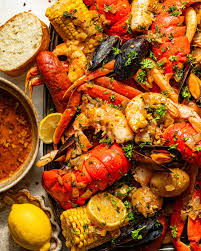
Seafood is incredibly versatile and can be cooked in many ways.
1. Grilling
Best for salmon, tuna, shrimp, and lobster.
Tip: Marinate lightly and grill on medium heat.
2. Frying
Perfect for fish fillets, calamari, and prawns.
Tip: Use light batter for crispiness.
3. Steaming
Ideal for shellfish.
Tip: Don’t over-steam or texture becomes rubbery.
4. Baking
Suitable for salmon, cod, and trout.
Tip: Use herbs, lemon, and olive oil.
5. Boiling
Used for crab, lobster, and shrimp.
Tip: Add seasonings to the water for flavor.
6. Raw (Sushi)
Only high-quality fresh fish should be used.
Tip: Always buy sushi-grade fish.
8. Seafood Safety Tips
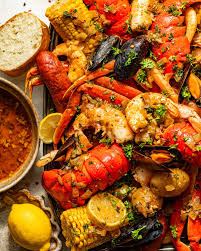
Seafood spoils quickly, so proper handling is essential.
1. Storage
- Keep refrigerated at 0–4°C
- Store shellfish in breathable containers
- Freeze if not consumed within 48 hours
2. Cooking Safety
- Avoid undercooked seafood
- Shellfish should open when cooked
3. Avoid High-Mercury Fish
Limit:
- Shark
- Swordfish
- King mackerel
4. Pregnant Women Should Avoid Raw Seafood
9. Simple Homemade Seafood Recipe
Garlic Butter Shrimp Recipe

Ingredients
- 500g shrimp
- 4 tbsp butter
- 6 garlic cloves
- Salt & pepper
- Lemon juice
- Parsley
Steps
- Melt butter in a pan.
- Add garlic and sauté.
- Add shrimp and cook for 3–4 minutes.
- Season and add lemon juice.
- Garnish with parsley.
Quick, delicious, and healthy!
10. Benefits of Including Seafood in Your Diet Weekly
Experts recommend eating seafood 2–3 times a week because:
- It strengthens immunity
- Reduces risk of chronic diseases
- Improves mental health
- Aids in muscle building
- Maintains hormonal balance
11. Seafood Business: Why It’s a Profitable Industry
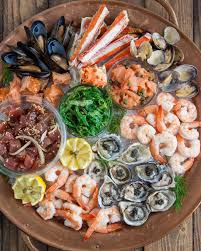
Seafood is a booming global industry with huge market demand.
Reasons for High Profitability
- Rising health awareness
- Growing demand for premium fish
- Large export market
- High restaurant consumption
- Popularity of frozen and ready-to-cook seafood
Starting a seafood restaurant, market, or delivery brand can be highly profitable.
12. Frequently Asked Questions (FAQ)
1. Is seafood healthy?

Yes, seafood is rich in nutrients, especially omega-3 fatty acids.
2. How often should I eat seafood?
2–3 times a week is recommended.
3. Which seafood is best for beginners?
Salmon, shrimp, and cod are easy to cook and mild in flavor.
4. Can pregnant women eat seafood?
Yes, but avoid raw and high-mercury fish.
5. What seafood is high in protein?
Tuna, salmon, shrimp, and lobster.
6. What is the healthiest seafood?
Salmon, sardines, trout, and mackerel.
7. How can I tell if seafood is fresh?
Fresh seafood should not smell fishy, should be firm, and should have bright eyes (for fish).
8. Can seafood be frozen?
Yes, most seafood freezes well for up to 3 months.
9. Why is seafood expensive?
High demand, quality handling, and transportation costs.
10. Are shellfish safe to eat?
Yes, if properly cooked and cleaned.
13. Conclusion
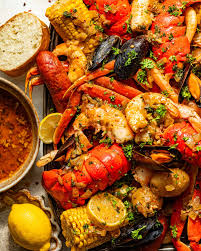
Seafood is a powerhouse of nutrition, flavor, and culinary diversity. Its global popularity continues to rise due to its health benefits, versatility in cooking, and rich cultural history. From grilled salmon and shrimp curry to sushi and lobster, seafood offers endless delicious possibilities. Whether you’re a beginner or a seafood enthusiast, incorporating seafood into your diet can significantly boost your overall health and lifestyle.
This comprehensive guide explored everything—from types and history to cooking methods, safety tips, and FAQs—helping you understand the beauty of seafood in all its forms.