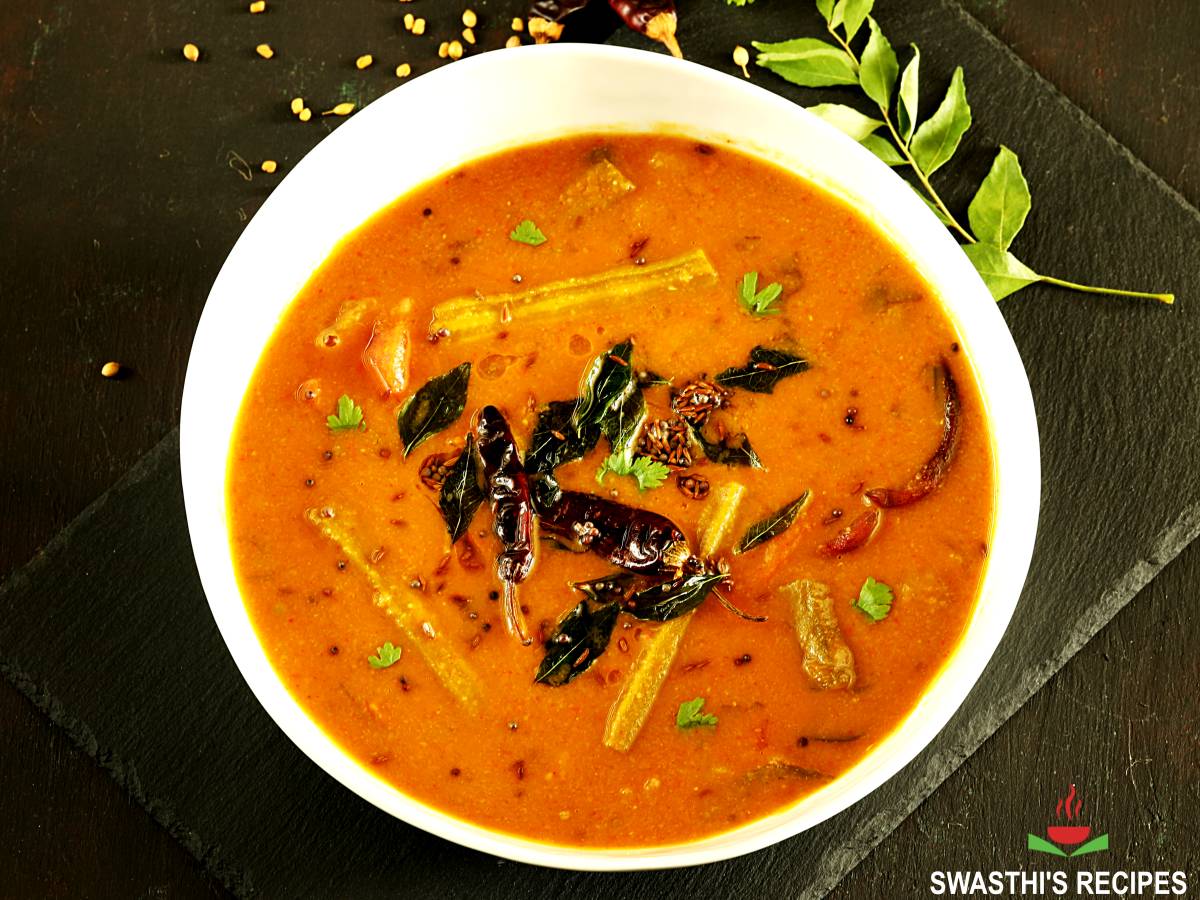
Introduction: The Heart of Everyday South Asian Cuisine
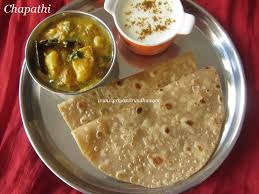
Roti and sabji form the backbone of traditional Nepali and Indian home-style meals. For centuries, this simple yet wholesome combination has represented comfort, nutrition, balance, and cultural heritage. Roti, a round flatbread made from wheat flour, is paired with sabji—vegetables cooked with spices, herbs, and aromatics. Together, they create a dish that is light, healthy, satisfying, and perfect for daily consumption.
This comprehensive guide explains how to make roti, how to prepare delicious sabji, and what their taste profile is like, along with expert cooking tips, variations, nutrition details, serving ideas, and a detailed FAQ.
Let’s begin the journey into this classic everyday meal.

🍞 What Is Roti?
Roti is a soft, round, unleavened flatbread made from wheat flour. It is known as:
- Roti
- Chapati
- Phulka
- Tawa Roti
It is cooked on a flat pan (tawa) and sometimes puffed directly over a flame.
✔ Texture & Taste of Roti
- Soft
- Slightly chewy
- Mild, comforting wheat aroma
- Light on the stomach
The neutral taste makes it perfect for pairing with richly flavored sabji.

🥦 What Is Sabji?
“Sabji” (also spelled sabzi) refers to vegetables cooked with spices. It can be:
- Dry
- Semi-dry
- Curry-style (gravy)
- Stir-fried
- Pressure-cooked
Common veggies include potatoes, cauliflower, carrots, spinach, peas, beans, tomato, onion, and leafy greens.
✔ Taste of Sabji
The taste varies depending on the spices used, but a typical sabji is:
- Spicy or mildly spiced
- Aromatic
- Savory
- Rich in herbs (like cilantro)
- Slightly tangy (if tomatoes are used)
- Comforting and homely
Roti + sabji makes a well-balanced and flavorful meal.
🧑🍳 How to Make Roti: Step-by-Step Guide
Let’s create soft, perfect rotis.

⭐ Ingredients
- 2 cups wheat flour (atta)
- ½ tsp salt (optional)
- ¾–1 cup warm water
- 1 tsp oil (optional, for softness)
⭐ Step 1: Making the Dough (The Foundation)
- Add flour and salt to a bowl.
- Slowly pour warm water while mixing.
- Knead for 8–10 minutes.
- The dough should be smooth and elastic.
- Rest the dough for 15–20 minutes.
Why rest?
Resting softens the gluten, making rotis puff well and remain soft.
⭐ Step 2: Rolling the Rotis
- Divide the dough into equal balls.
- Dust each one with dry flour.
- Roll evenly from the center outward.
- Aim for thin, round, even rotis.
⭐ Step 3: Cooking the Rotis
- Heat a tawa (flat pan).
- Place the rolled roti on the hot surface.
- Cook until bubbles form.
- Flip and cook the other side.
- Flip again and press lightly to puff.
- Optionally puff directly on the flame.
Results:
Soft, golden, evenly cooked roti.
🍲 How to Make Sabji: A Complete Guide
There are many kinds of sabji. Below is a simple, home-style mixed vegetable sabji.

⭐ Ingredients
- 2 tbsp oil
- 1 onion (chopped)
- 2 tomatoes
- 1 tbsp ginger-garlic paste
- 2–3 cups mixed vegetables: potatoes, cauliflower, peas, carrots
- ½ tsp cumin seeds
- ½ tsp turmeric
- 1 tsp cumin powder
- 1 tsp coriander powder
- ½ tsp red chilli powder
- Salt to taste
- Fresh coriander leaves
⭐ Step-by-Step Cooking Method
Step 1: Preparing the Base
- Heat oil in a pan.
- Add cumin seeds.
- When they crackle, add onions.
- Cook until slightly golden.
- Add ginger-garlic paste and sauté well.
Step 2: Adding Tomatoes & Spices
- Add chopped tomatoes.
- Add turmeric, coriander powder, chilli powder, and salt.
- Cook until tomatoes turn soft and form a thick masala.
Step 3: Adding Vegetables
- Add potatoes, peas, carrots, cauliflower, beans, etc.
- Mix everything well with the masala.
- Add a little water if you want softer vegetables.
- Cover and cook on low flame for 10–15 minutes.
Step 4: Finishing the Sabji
- Once the veggies are soft, cook uncovered to thicken the sabji.
- Add fresh coriander leaves.
- Adjust seasoning.
✔ Your delicious homemade sabji is ready!
🍽️ How Roti and Sabji Taste Together
When eaten together:
✔ The roti provides
- Mild wheat flavor
- Soft, warm texture
- A neutral base
✔ The sabji provides
- Spices
- Aroma
- Moisture
- Flavor punch
✔ Combined Taste Experience
- Balanced
- Satisfying
- Light yet filling
- Warm and comforting
- Perfect harmony of soft + spicy + mild
This is why roti-sabji is a staple in everyday meals.
🥗 Nutritional Benefits of Roti and Sabji
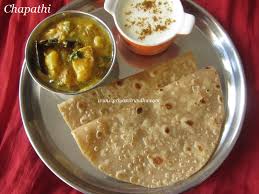
✔ Roti
- High in fiber
- Good source of carbs
- Supports digestion
- Provides long-lasting energy
✔ Sabji
- Rich in vitamins
- High in minerals
- Antioxidants
- Low in calories
- Good for immunity
Together, the meal is balanced, wholesome, and healthy.
🧑🍳 Professional Tips for Perfect Roti & Sabji
⭐ For Roti
- Use warm water for softer rotis.
- Knead the dough well.
- Rest the dough.
- Cook on medium-high heat.
- Store rotis in a cloth to retain softness.
⭐ For Sabji
- Don’t overcook vegetables.
- Use fresh spices.
- Add vegetables in correct order of cooking time.
- Adjust heat levels to taste.
- Add coriander for freshness.
🌶️ Popular Variations of Roti & Sabji
🍞 Roti Variations
- Butter roti
- Ghee roti
- Missi roti
- Bajra roti
- Makki roti
- Garlic roti
- Tandoori roti
🍲 Sabji Variations
- Aloo sabji
- Gobi sabji
- Mixed vegetable sabji
- Paneer sabji
- Spinach sabji
- Tomato sabji
- Mushroom sabji
- Seasonal vegetable sabji
Each version offers unique flavors and textures.
🍛 Serving Suggestions
Serve roti and sabji with:
- Curd or yogurt
- Pickles
- Papad
- Fresh salad
- Lemon wedges
- Ghee
Together, these create a complete and satisfying meal.
🌿 What Makes Roti & Sabji Special?
- Simple yet flavorful
- Healthy everyday food
- Affordable
- Quick to cook
- Easy to digest
- Perfect for all ages
- Vegan & vegetarian friendly
This combination represents cultural identity and timeless comfort.
❓ Premium FAQ About Roti and Sabji
1. Why is my roti not soft?
Because the dough was not rested or kneaded long enough.
2. Can I make sabji without onion and garlic?
Yes, many households cook satvik-style sabji without them.
3. What flour is best for roti?
Whole wheat flour (atta) gives the best texture and nutrition.
4. Can I add ghee to roti?
Absolutely, ghee makes the roti softer and more flavorful.
5. Why does my sabji taste bland?
You may need to adjust salt, spices, or sauté the masala longer.
6. Can roti be stored overnight?
Yes, but it becomes slightly dry. Reheat in a covered pan.
7. How do I make sabji healthier?
Use less oil, more vegetables, and avoid over-frying.
8. Can I use frozen vegetables in sabji?
Yes, they work well for quick cooking.
9. Why does sabji become watery?
Too much tomato or vegetables that release water (like lauki).
10. Can I prepare roti and sabji for lunchbox?
Yes, they are perfect and stay fresh for hours.
🏁 Conclusion: The Beauty of Simplicity
Roti and sabji may look simple, but they represent tradition, nourishment, and balance. From kneading the dough to cooking fresh vegetables with spices, every step carries cultural depth and emotional value. The combination offers:
- Wholesomeness
- Comfort
- Taste
- Nutrition
- Simplicity
Whether served for breakfast, lunch, or dinner, roti and sabji remain timeless, nourishing, and universally loved.
Introduction: The Heart of Everyday South Asian Cuisine
Roti and sabji form the backbone of traditional Nepali and Indian home-style meals. For centuries, this simple yet wholesome combination has represented comfort, nutrition, balance, and cultural heritage. Roti, a round flatbread made from wheat flour, is paired with sabji—vegetables cooked with spices, herbs, and aromatics. Together, they create a dish that is light, healthy, satisfying, and perfect for daily consumption.
This comprehensive guide explains how to make roti, how to prepare delicious sabji, and what their taste profile is like, along with expert cooking tips, variations, nutrition details, serving ideas, and a detailed FAQ.
Let’s begin the journey into this classic everyday meal.
🍞 What Is Roti?
Roti is a soft, round, unleavened flatbread made from wheat flour. It is known as:
- Roti
- Chapati
- Phulka
- Tawa Roti
It is cooked on a flat pan (tawa) and sometimes puffed directly over a flame.
✔ Texture & Taste of Roti
- Soft
- Slightly chewy
- Mild, comforting wheat aroma
- Light on the stomach
The neutral taste makes it perfect for pairing with richly flavored sabji.
🥦 What Is Sabji?

“Sabji” (also spelled sabzi) refers to vegetables cooked with spices. It can be:
- Dry
- Semi-dry
- Curry-style (gravy)
- Stir-fried
- Pressure-cooked
Common veggies include potatoes, cauliflower, carrots, spinach, peas, beans, tomato, onion, and leafy greens.
✔ Taste of Sabji
The taste varies depending on the spices used, but a typical sabji is:
- Spicy or mildly spiced
- Aromatic
- Savory
- Rich in herbs (like cilantro)
- Slightly tangy (if tomatoes are used)
- Comforting and homely
Roti + sabji makes a well-balanced and flavorful meal.
🧑🍳 How to Make Roti: Step-by-Step Guide
Let’s create soft, perfect rotis.
⭐ Ingredients
- 2 cups wheat flour (atta)
- ½ tsp salt (optional)
- ¾–1 cup warm water
- 1 tsp oil (optional, for softness)
⭐ Step 1: Making the Dough (The Foundation)
- Add flour and salt to a bowl.
- Slowly pour warm water while mixing.
- Knead for 8–10 minutes.
- The dough should be smooth and elastic.
- Rest the dough for 15–20 minutes.
Why rest?
Resting softens the gluten, making rotis puff well and remain soft.
⭐ Step 2: Rolling the Rotis
- Divide the dough into equal balls.
- Dust each one with dry flour.
- Roll evenly from the center outward.
- Aim for thin, round, even rotis.
⭐ Step 3: Cooking the Rotis
- Heat a tawa (flat pan).
- Place the rolled roti on the hot surface.
- Cook until bubbles form.
- Flip and cook the other side.
- Flip again and press lightly to puff.
- Optionally puff directly on the flame.
Results:
Soft, golden, evenly cooked roti.
🍲 How to Make Sabji: A Complete Guide
There are many kinds of sabji. Below is a simple, home-style mixed vegetable sabji.
⭐ Ingredients
- 2 tbsp oil
- 1 onion (chopped)
- 2 tomatoes
- 1 tbsp ginger-garlic paste
- 2–3 cups mixed vegetables: potatoes, cauliflower, peas, carrots
- ½ tsp cumin seeds
- ½ tsp turmeric
- 1 tsp cumin powder
- 1 tsp coriander powder
- ½ tsp red chilli powder
- Salt to taste
- Fresh coriander leaves
⭐ Step-by-Step Cooking Method
Step 1: Preparing the Base
- Heat oil in a pan.
- Add cumin seeds.
- When they crackle, add onions.
- Cook until slightly golden.
- Add ginger-garlic paste and sauté well.
Step 2: Adding Tomatoes & Spices
- Add chopped tomatoes.
- Add turmeric, coriander powder, chilli powder, and salt.
- Cook until tomatoes turn soft and form a thick masala.
Step 3: Adding Vegetables
- Add potatoes, peas, carrots, cauliflower, beans, etc.
- Mix everything well with the masala.
- Add a little water if you want softer vegetables.
- Cover and cook on low flame for 10–15 minutes.
Step 4: Finishing the Sabji
- Once the veggies are soft, cook uncovered to thicken the sabji.
- Add fresh coriander leaves.
- Adjust seasoning.
✔ Your delicious homemade sabji is ready!
🍽️ How Roti and Sabji Taste Together
When eaten together:
✔ The roti provides
- Mild wheat flavor
- Soft, warm texture
- A neutral base
✔ The sabji provides
- Spices
- Aroma
- Moisture
- Flavor punch
✔ Combined Taste Experience
- Balanced
- Satisfying
- Light yet filling
- Warm and comforting
- Perfect harmony of soft + spicy + mild
This is why roti-sabji is a staple in everyday meals.
🥗 Nutritional Benefits of Roti and Sabji
✔ Roti
- High in fiber
- Good source of carbs
- Supports digestion
- Provides long-lasting energy
✔ Sabji
- Rich in vitamins
- High in minerals
- Antioxidants
- Low in calories
- Good for immunity
Together, the meal is balanced, wholesome, and healthy.
🧑🍳 Professional Tips for Perfect Roti & Sabji
⭐ For Roti
- Use warm water for softer rotis.
- Knead the dough well.
- Rest the dough.
- Cook on medium-high heat.
- Store rotis in a cloth to retain softness.
⭐ For Sabji
- Don’t overcook vegetables.
- Use fresh spices.
- Add vegetables in correct order of cooking time.
- Adjust heat levels to taste.
- Add coriander for freshness.
🌶️ Popular Variations of Roti & Sabji
🍞 Roti Variations
- Butter roti
- Ghee roti
- Missi roti
- Bajra roti
- Makki roti
- Garlic roti
- Tandoori roti
🍲 Sabji Variations
- Aloo sabji
- Gobi sabji
- Mixed vegetable sabji
- Paneer sabji
- Spinach sabji
- Tomato sabji
- Mushroom sabji
- Seasonal vegetable sabji
Each version offers unique flavors and textures.
🍛 Serving Suggestions
Serve roti and sabji with:
- Curd or yogurt
- Pickles
- Papad
- Fresh salad
- Lemon wedges
- Ghee
Together, these create a complete and satisfying meal.
🌿 What Makes Roti & Sabji Special?
- Simple yet flavorful
- Healthy everyday food
- Affordable
- Quick to cook
- Easy to digest
- Perfect for all ages
- Vegan & vegetarian friendly
This combination represents cultural identity and timeless comfort.
❓ Premium FAQ About Roti and Sabji
1. Why is my roti not soft?
Because the dough was not rested or kneaded long enough.
2. Can I make sabji without onion and garlic?
Yes, many households cook satvik-style sabji without them.
3. What flour is best for roti?
Whole wheat flour (atta) gives the best texture and nutrition.
4. Can I add ghee to roti?
Absolutely, ghee makes the roti softer and more flavorful.
5. Why does my sabji taste bland?
You may need to adjust salt, spices, or sauté the masala longer.
6. Can roti be stored overnight?
Yes, but it becomes slightly dry. Reheat in a covered pan.
7. How do I make sabji healthier?
Use less oil, more vegetables, and avoid over-frying.
8. Can I use frozen vegetables in sabji?
Yes, they work well for quick cooking.
9. Why does sabji become watery?
Too much tomato or vegetables that release water (like lauki).
10. Can I prepare roti and sabji for lunchbox?
Yes, they are perfect and stay fresh for hours.
🏁 Conclusion: The Beauty of Simplicity
Roti and sabji may look simple, but they represent tradition, nourishment, and balance. From kneading the dough to cooking fresh vegetables with spices, every step carries cultural depth and emotional value. The combination offers:
- Wholesomeness
- Comfort
- Taste
- Nutrition
- Simplicity
Whether served for breakfast, lunch, or dinner, roti and sabji remain timeless, nourishing, and universally loved.
Introduction: The Heart of Everyday South Asian Cuisine
Roti and sabji form the backbone of traditional Nepali and Indian home-style meals. For centuries, this simple yet wholesome combination has represented comfort, nutrition, balance, and cultural heritage. Roti, a round flatbread made from wheat flour, is paired with sabji—vegetables cooked with spices, herbs, and aromatics. Together, they create a dish that is light, healthy, satisfying, and perfect for daily consumption.
This comprehensive guide explains how to make roti, how to prepare delicious sabji, and what their taste profile is like, along with expert cooking tips, variations, nutrition details, serving ideas, and a detailed FAQ.
Let’s begin the journey into this classic everyday meal.
🍞 What Is Roti?
Roti is a soft, round, unleavened flatbread made from wheat flour. It is known as:
- Roti
- Chapati
- Phulka
- Tawa Roti
It is cooked on a flat pan (tawa) and sometimes puffed directly over a flame.
✔ Texture & Taste of Roti
- Soft
- Slightly chewy
- Mild, comforting wheat aroma
- Light on the stomach
The neutral taste makes it perfect for pairing with richly flavored sabji.
🥦 What Is Sabji?
“Sabji” (also spelled sabzi) refers to vegetables cooked with spices. It can be:
- Dry
- Semi-dry
- Curry-style (gravy)
- Stir-fried
- Pressure-cooked
Common veggies include potatoes, cauliflower, carrots, spinach, peas, beans, tomato, onion, and leafy greens.
✔ Taste of Sabji
The taste varies depending on the spices used, but a typical sabji is:
- Spicy or mildly spiced
- Aromatic
- Savory
- Rich in herbs (like cilantro)
- Slightly tangy (if tomatoes are used)
- Comforting and homely
Roti + sabji makes a well-balanced and flavorful meal.
🧑🍳 How to Make Roti: Step-by-Step Guide
Let’s create soft, perfect rotis.
⭐ Ingredients
- 2 cups wheat flour (atta)
- ½ tsp salt (optional)
- ¾–1 cup warm water
- 1 tsp oil (optional, for softness)
⭐ Step 1: Making the Dough (The Foundation)
- Add flour and salt to a bowl.
- Slowly pour warm water while mixing.
- Knead for 8–10 minutes.
- The dough should be smooth and elastic.
- Rest the dough for 15–20 minutes.
Why rest?
Resting softens the gluten, making rotis puff well and remain soft.
⭐ Step 2: Rolling the Rotis
- Divide the dough into equal balls.
- Dust each one with dry flour.
- Roll evenly from the center outward.
- Aim for thin, round, even rotis.
⭐ Step 3: Cooking the Rotis
- Heat a tawa (flat pan).
- Place the rolled roti on the hot surface.
- Cook until bubbles form.
- Flip and cook the other side.
- Flip again and press lightly to puff.
- Optionally puff directly on the flame.
Results:
Soft, golden, evenly cooked roti.
🍲 How to Make Sabji: A Complete Guide
There are many kinds of sabji. Below is a simple, home-style mixed vegetable sabji.
⭐ Ingredients
- 2 tbsp oil
- 1 onion (chopped)
- 2 tomatoes
- 1 tbsp ginger-garlic paste
- 2–3 cups mixed vegetables: potatoes, cauliflower, peas, carrots
- ½ tsp cumin seeds
- ½ tsp turmeric
- 1 tsp cumin powder
- 1 tsp coriander powder
- ½ tsp red chilli powder
- Salt to taste
- Fresh coriander leaves
⭐ Step-by-Step Cooking Method
Step 1: Preparing the Base
- Heat oil in a pan.
- Add cumin seeds.
- When they crackle, add onions.
- Cook until slightly golden.
- Add ginger-garlic paste and sauté well.
Step 2: Adding Tomatoes & Spices
- Add chopped tomatoes.
- Add turmeric, coriander powder, chilli powder, and salt.
- Cook until tomatoes turn soft and form a thick masala.
Step 3: Adding Vegetables
- Add potatoes, peas, carrots, cauliflower, beans, etc.
- Mix everything well with the masala.
- Add a little water if you want softer vegetables.
- Cover and cook on low flame for 10–15 minutes.
Step 4: Finishing the Sabji
- Once the veggies are soft, cook uncovered to thicken the sabji.
- Add fresh coriander leaves.
- Adjust seasoning.
✔ Your delicious homemade sabji is ready!
🍽️ How Roti and Sabji Taste Together
When eaten together:
✔ The roti provides
- Mild wheat flavor
- Soft, warm texture
- A neutral base
✔ The sabji provides
- Spices
- Aroma
- Moisture
- Flavor punch
✔ Combined Taste Experience
- Balanced
- Satisfying
- Light yet filling
- Warm and comforting
- Perfect harmony of soft + spicy + mild
This is why roti-sabji is a staple in everyday meals.
🥗 Nutritional Benefits of Roti and Sabji
✔ Roti
- High in fiber
- Good source of carbs
- Supports digestion
- Provides long-lasting energy
✔ Sabji
- Rich in vitamins
- High in minerals
- Antioxidants
- Low in calories
- Good for immunity
Together, the meal is balanced, wholesome, and healthy.
🧑🍳 Professional Tips for Perfect Roti & Sabji
⭐ For Roti
- Use warm water for softer rotis.
- Knead the dough well.
- Rest the dough.
- Cook on medium-high heat.
- Store rotis in a cloth to retain softness.
⭐ For Sabji
- Don’t overcook vegetables.
- Use fresh spices.
- Add vegetables in correct order of cooking time.
- Adjust heat levels to taste.
- Add coriander for freshness.
🌶️ Popular Variations of Roti & Sabji
🍞 Roti Variations
- Butter roti
- Ghee roti
- Missi roti
- Bajra roti
- Makki roti
- Garlic roti
- Tandoori roti
🍲 Sabji Variations
- Aloo sabji
- Gobi sabji
- Mixed vegetable sabji
- Paneer sabji
- Spinach sabji
- Tomato sabji
- Mushroom sabji
- Seasonal vegetable sabji
Each version offers unique flavors and textures.
🍛 Serving Suggestions
Serve roti and sabji with:
- Curd or yogurt
- Pickles
- Papad
- Fresh salad
- Lemon wedges
- Ghee
Together, these create a complete and satisfying meal.
🌿 What Makes Roti & Sabji Special?
- Simple yet flavorful
- Healthy everyday food
- Affordable
- Quick to cook
- Easy to digest
- Perfect for all ages
- Vegan & vegetarian friendly
This combination represents cultural identity and timeless comfort.
❓ Premium FAQ About Roti and Sabji
1. Why is my roti not soft?
Because the dough was not rested or kneaded long enough.
2. Can I make sabji without onion and garlic?
Yes, many households cook satvik-style sabji without them.
3. What flour is best for roti?
Whole wheat flour (atta) gives the best texture and nutrition.
4. Can I add ghee to roti?
Absolutely, ghee makes the roti softer and more flavorful.
5. Why does my sabji taste bland?
You may need to adjust salt, spices, or sauté the masala longer.
6. Can roti be stored overnight?
Yes, but it becomes slightly dry. Reheat in a covered pan.
7. How do I make sabji healthier?
Use less oil, more vegetables, and avoid over-frying.
8. Can I use frozen vegetables in sabji?
Yes, they work well for quick cooking.
9. Why does sabji become watery?
Too much tomato or vegetables that release water (like lauki).
10. Can I prepare roti and sabji for lunchbox?
Yes, they are perfect and stay fresh for hours.
🏁 Conclusion: The Beauty of Simplicity
Roti and sabji may look simple, but they represent tradition, nourishment, and balance. From kneading the dough to cooking fresh vegetables with spices, every step carries cultural depth and emotional value. The combination offers:
- Wholesomeness
- Comfort
- Taste
- Nutrition
- Simplicity
Whether served for breakfast, lunch, or dinner, roti and sabji remain timeless, nourishing, and universally loved.
Introduction: The Heart of Everyday South Asian Cuisine
Roti and sabji form the backbone of traditional Nepali and Indian home-style meals. For centuries, this simple yet wholesome combination has represented comfort, nutrition, balance, and cultural heritage. Roti, a round flatbread made from wheat flour, is paired with sabji—vegetables cooked with spices, herbs, and aromatics. Together, they create a dish that is light, healthy, satisfying, and perfect for daily consumption.
This comprehensive guide explains how to make roti, how to prepare delicious sabji, and what their taste profile is like, along with expert cooking tips, variations, nutrition details, serving ideas, and a detailed FAQ.
Let’s begin the journey into this classic everyday meal.
🍞 What Is Roti?
Roti is a soft, round, unleavened flatbread made from wheat flour. It is known as:
- Roti
- Chapati
- Phulka
- Tawa Roti
It is cooked on a flat pan (tawa) and sometimes puffed directly over a flame.
✔ Texture & Taste of Roti
- Soft
- Slightly chewy
- Mild, comforting wheat aroma
- Light on the stomach
The neutral taste makes it perfect for pairing with richly flavored sabji.
🥦 What Is Sabji?
“Sabji” (also spelled sabzi) refers to vegetables cooked with spices. It can be:
- Dry
- Semi-dry
- Curry-style (gravy)
- Stir-fried
- Pressure-cooked
Common veggies include potatoes, cauliflower, carrots, spinach, peas, beans, tomato, onion, and leafy greens.
✔ Taste of Sabji
The taste varies depending on the spices used, but a typical sabji is:
- Spicy or mildly spiced
- Aromatic
- Savory
- Rich in herbs (like cilantro)
- Slightly tangy (if tomatoes are used)
- Comforting and homely
Roti + sabji makes a well-balanced and flavorful meal.
🧑🍳 How to Make Roti: Step-by-Step Guide
Let’s create soft, perfect rotis.
⭐ Ingredients
- 2 cups wheat flour (atta)
- ½ tsp salt (optional)
- ¾–1 cup warm water
- 1 tsp oil (optional, for softness)
⭐ Step 1: Making the Dough (The Foundation)
- Add flour and salt to a bowl.
- Slowly pour warm water while mixing.
- Knead for 8–10 minutes.
- The dough should be smooth and elastic.
- Rest the dough for 15–20 minutes.
Why rest?
Resting softens the gluten, making rotis puff well and remain soft.
⭐ Step 2: Rolling the Rotis
- Divide the dough into equal balls.
- Dust each one with dry flour.
- Roll evenly from the center outward.
- Aim for thin, round, even rotis.
⭐ Step 3: Cooking the Rotis
- Heat a tawa (flat pan).
- Place the rolled roti on the hot surface.
- Cook until bubbles form.
- Flip and cook the other side.
- Flip again and press lightly to puff.
- Optionally puff directly on the flame.
Results:
Soft, golden, evenly cooked roti.
🍲 How to Make Sabji: A Complete Guide
There are many kinds of sabji. Below is a simple, home-style mixed vegetable sabji.
⭐ Ingredients
- 2 tbsp oil
- 1 onion (chopped)
- 2 tomatoes
- 1 tbsp ginger-garlic paste
- 2–3 cups mixed vegetables: potatoes, cauliflower, peas, carrots
- ½ tsp cumin seeds
- ½ tsp turmeric
- 1 tsp cumin powder
- 1 tsp coriander powder
- ½ tsp red chilli powder
- Salt to taste
- Fresh coriander leaves
⭐ Step-by-Step Cooking Method
Step 1: Preparing the Base
- Heat oil in a pan.
- Add cumin seeds.
- When they crackle, add onions.
- Cook until slightly golden.
- Add ginger-garlic paste and sauté well.
Step 2: Adding Tomatoes & Spices
- Add chopped tomatoes.
- Add turmeric, coriander powder, chilli powder, and salt.
- Cook until tomatoes turn soft and form a thick masala.
Step 3: Adding Vegetables
- Add potatoes, peas, carrots, cauliflower, beans, etc.
- Mix everything well with the masala.
- Add a little water if you want softer vegetables.
- Cover and cook on low flame for 10–15 minutes.
Step 4: Finishing the Sabji
- Once the veggies are soft, cook uncovered to thicken the sabji.
- Add fresh coriander leaves.
- Adjust seasoning.
✔ Your delicious homemade sabji is ready!
🍽️ How Roti and Sabji Taste Together
When eaten together:
✔ The roti provides
- Mild wheat flavor
- Soft, warm texture
- A neutral base
✔ The sabji provides
- Spices
- Aroma
- Moisture
- Flavor punch
✔ Combined Taste Experience
- Balanced
- Satisfying
- Light yet filling
- Warm and comforting
- Perfect harmony of soft + spicy + mild
This is why roti-sabji is a staple in everyday meals.
🥗 Nutritional Benefits of Roti and Sabji
✔ Roti
- High in fiber
- Good source of carbs
- Supports digestion
- Provides long-lasting energy
✔ Sabji
- Rich in vitamins
- High in minerals
- Antioxidants
- Low in calories
- Good for immunity
Together, the meal is balanced, wholesome, and healthy.
🧑🍳 Professional Tips for Perfect Roti & Sabji
⭐ For Roti
- Use warm water for softer rotis.
- Knead the dough well.
- Rest the dough.
- Cook on medium-high heat.
- Store rotis in a cloth to retain softness.
⭐ For Sabji
- Don’t overcook vegetables.
- Use fresh spices.
- Add vegetables in correct order of cooking time.
- Adjust heat levels to taste.
- Add coriander for freshness.
🌶️ Popular Variations of Roti & Sabji
🍞 Roti Variations
- Butter roti
- Ghee roti
- Missi roti
- Bajra roti
- Makki roti
- Garlic roti
- Tandoori roti
🍲 Sabji Variations
- Aloo sabji
- Gobi sabji
- Mixed vegetable sabji
- Paneer sabji
- Spinach sabji
- Tomato sabji
- Mushroom sabji
- Seasonal vegetable sabji
Each version offers unique flavors and textures.
🍛 Serving Suggestions
Serve roti and sabji with:
- Curd or yogurt
- Pickles
- Papad
- Fresh salad
- Lemon wedges
- Ghee
Together, these create a complete and satisfying meal.
🌿 What Makes Roti & Sabji Special?
- Simple yet flavorful
- Healthy everyday food
- Affordable
- Quick to cook
- Easy to digest
- Perfect for all ages
- Vegan & vegetarian friendly
This combination represents cultural identity and timeless comfort.
❓ Premium FAQ About Roti and Sabji
1. Why is my roti not soft?
Because the dough was not rested or kneaded long enough.
2. Can I make sabji without onion and garlic?
Yes, many households cook satvik-style sabji without them.
3. What flour is best for roti?
Whole wheat flour (atta) gives the best texture and nutrition.
4. Can I add ghee to roti?
Absolutely, ghee makes the roti softer and more flavorful.
5. Why does my sabji taste bland?
You may need to adjust salt, spices, or sauté the masala longer.
6. Can roti be stored overnight?
Yes, but it becomes slightly dry. Reheat in a covered pan.
7. How do I make sabji healthier?
Use less oil, more vegetables, and avoid over-frying.
8. Can I use frozen vegetables in sabji?
Yes, they work well for quick cooking.
9. Why does sabji become watery?
Too much tomato or vegetables that release water (like lauki).
10. Can I prepare roti and sabji for lunchbox?
Yes, they are perfect and stay fresh for hours.
🏁 Conclusion: The Beauty of Simplicity
Roti and sabji may look simple, but they represent tradition, nourishment, and balance. From kneading the dough to cooking fresh vegetables with spices, every step carries cultural depth and emotional value. The combination offers:
- Wholesomeness
- Comfort
- Taste
- Nutrition
- Simplicity
Whether served for breakfast, lunch, or dinner, roti and sabji remain timeless, nourishing, and universally loved.
Introduction: The Heart of Everyday South Asian Cuisine
Roti and sabji form the backbone of traditional Nepali and Indian home-style meals. For centuries, this simple yet wholesome combination has represented comfort, nutrition, balance, and cultural heritage. Roti, a round flatbread made from wheat flour, is paired with sabji—vegetables cooked with spices, herbs, and aromatics. Together, they create a dish that is light, healthy, satisfying, and perfect for daily consumption.
This comprehensive guide explains how to make roti, how to prepare delicious sabji, and what their taste profile is like, along with expert cooking tips, variations, nutrition details, serving ideas, and a detailed FAQ.
Let’s begin the journey into this classic everyday meal.
🍞 What Is Roti?
Roti is a soft, round, unleavened flatbread made from wheat flour. It is known as:
- Roti
- Chapati
- Phulka
- Tawa Roti
It is cooked on a flat pan (tawa) and sometimes puffed directly over a flame.
✔ Texture & Taste of Roti
- Soft
- Slightly chewy
- Mild, comforting wheat aroma
- Light on the stomach
The neutral taste makes it perfect for pairing with richly flavored sabji.
🥦 What Is Sabji?
“Sabji” (also spelled sabzi) refers to vegetables cooked with spices. It can be:
- Dry
- Semi-dry
- Curry-style (gravy)
- Stir-fried
- Pressure-cooked
Common veggies include potatoes, cauliflower, carrots, spinach, peas, beans, tomato, onion, and leafy greens.
✔ Taste of Sabji
The taste varies depending on the spices used, but a typical sabji is:
- Spicy or mildly spiced
- Aromatic
- Savory
- Rich in herbs (like cilantro)
- Slightly tangy (if tomatoes are used)
- Comforting and homely
Roti + sabji makes a well-balanced and flavorful meal.
🧑🍳 How to Make Roti: Step-by-Step Guide
Let’s create soft, perfect rotis.
⭐ Ingredients
- 2 cups wheat flour (atta)
- ½ tsp salt (optional)
- ¾–1 cup warm water
- 1 tsp oil (optional, for softness)
⭐ Step 1: Making the Dough (The Foundation)
- Add flour and salt to a bowl.
- Slowly pour warm water while mixing.
- Knead for 8–10 minutes.
- The dough should be smooth and elastic.
- Rest the dough for 15–20 minutes.
Why rest?
Resting softens the gluten, making rotis puff well and remain soft.
⭐ Step 2: Rolling the Rotis
- Divide the dough into equal balls.
- Dust each one with dry flour.
- Roll evenly from the center outward.
- Aim for thin, round, even rotis.
⭐ Step 3: Cooking the Rotis
- Heat a tawa (flat pan).
- Place the rolled roti on the hot surface.
- Cook until bubbles form.
- Flip and cook the other side.
- Flip again and press lightly to puff.
- Optionally puff directly on the flame.
Results:
Soft, golden, evenly cooked roti.
🍲 How to Make Sabji: A Complete Guide
There are many kinds of sabji. Below is a simple, home-style mixed vegetable sabji.
⭐ Ingredients
- 2 tbsp oil
- 1 onion (chopped)
- 2 tomatoes
- 1 tbsp ginger-garlic paste
- 2–3 cups mixed vegetables: potatoes, cauliflower, peas, carrots
- ½ tsp cumin seeds
- ½ tsp turmeric
- 1 tsp cumin powder
- 1 tsp coriander powder
- ½ tsp red chilli powder
- Salt to taste
- Fresh coriander leaves
⭐ Step-by-Step Cooking Method
Step 1: Preparing the Base
- Heat oil in a pan.
- Add cumin seeds.
- When they crackle, add onions.
- Cook until slightly golden.
- Add ginger-garlic paste and sauté well.
Step 2: Adding Tomatoes & Spices
- Add chopped tomatoes.
- Add turmeric, coriander powder, chilli powder, and salt.
- Cook until tomatoes turn soft and form a thick masala.
Step 3: Adding Vegetables
- Add potatoes, peas, carrots, cauliflower, beans, etc.
- Mix everything well with the masala.
- Add a little water if you want softer vegetables.
- Cover and cook on low flame for 10–15 minutes.
Step 4: Finishing the Sabji
- Once the veggies are soft, cook uncovered to thicken the sabji.
- Add fresh coriander leaves.
- Adjust seasoning.
✔ Your delicious homemade sabji is ready!
🍽️ How Roti and Sabji Taste Together
When eaten together:
✔ The roti provides
- Mild wheat flavor
- Soft, warm texture
- A neutral base
✔ The sabji provides
- Spices
- Aroma
- Moisture
- Flavor punch
✔ Combined Taste Experience
- Balanced
- Satisfying
- Light yet filling
- Warm and comforting
- Perfect harmony of soft + spicy + mild
This is why roti-sabji is a staple in everyday meals.
🥗 Nutritional Benefits of Roti and Sabji
✔ Roti
- High in fiber
- Good source of carbs
- Supports digestion
- Provides long-lasting energy
✔ Sabji
- Rich in vitamins
- High in minerals
- Antioxidants
- Low in calories
- Good for immunity
Together, the meal is balanced, wholesome, and healthy.
🧑🍳 Professional Tips for Perfect Roti & Sabji
⭐ For Roti
- Use warm water for softer rotis.
- Knead the dough well.
- Rest the dough.
- Cook on medium-high heat.
- Store rotis in a cloth to retain softness.
⭐ For Sabji
- Don’t overcook vegetables.
- Use fresh spices.
- Add vegetables in correct order of cooking time.
- Adjust heat levels to taste.
- Add coriander for freshness.
🌶️ Popular Variations of Roti & Sabji
🍞 Roti Variations
- Butter roti
- Ghee roti
- Missi roti
- Bajra roti
- Makki roti
- Garlic roti
- Tandoori roti
🍲 Sabji Variations
- Aloo sabji
- Gobi sabji
- Mixed vegetable sabji
- Paneer sabji
- Spinach sabji
- Tomato sabji
- Mushroom sabji
- Seasonal vegetable sabji
Each version offers unique flavors and textures.
🍛 Serving Suggestions
Serve roti and sabji with:
- Curd or yogurt
- Pickles
- Papad
- Fresh salad
- Lemon wedges
- Ghee
Together, these create a complete and satisfying meal.
🌿 What Makes Roti & Sabji Special?
- Simple yet flavorful
- Healthy everyday food
- Affordable
- Quick to cook
- Easy to digest
- Perfect for all ages
- Vegan & vegetarian friendly
This combination represents cultural identity and timeless comfort.
❓ Premium FAQ About Roti and Sabji
1. Why is my roti not soft?
Because the dough was not rested or kneaded long enough.
2. Can I make sabji without onion and garlic?
Yes, many households cook satvik-style sabji without them.
3. What flour is best for roti?
Whole wheat flour (atta) gives the best texture and nutrition.
4. Can I add ghee to roti?
Absolutely, ghee makes the roti softer and more flavorful.
5. Why does my sabji taste bland?
You may need to adjust salt, spices, or sauté the masala longer.
6. Can roti be stored overnight?
Yes, but it becomes slightly dry. Reheat in a covered pan.
7. How do I make sabji healthier?
Use less oil, more vegetables, and avoid over-frying.
8. Can I use frozen vegetables in sabji?
Yes, they work well for quick cooking.
9. Why does sabji become watery?
Too much tomato or vegetables that release water (like lauki).
10. Can I prepare roti and sabji for lunchbox?
Yes, they are perfect and stay fresh for hours.
🏁 Conclusion: The Beauty of Simplicity
Roti and sabji may look simple, but they represent tradition, nourishment, and balance. From kneading the dough to cooking fresh vegetables with spices, every step carries cultural depth and emotional value. The combination offers:
- Wholesomeness
- Comfort
- Taste
- Nutrition
- Simplicity
Whether served for breakfast, lunch, or dinner, roti and sabji remain timeless, nourishing, and universally loved.
Introduction: The Heart of Everyday South Asian Cuisine
Roti and sabji form the backbone of traditional Nepali and Indian home-style meals. For centuries, this simple yet wholesome combination has represented comfort, nutrition, balance, and cultural heritage. Roti, a round flatbread made from wheat flour, is paired with sabji—vegetables cooked with spices, herbs, and aromatics. Together, they create a dish that is light, healthy, satisfying, and perfect for daily consumption.
This comprehensive guide explains how to make roti, how to prepare delicious sabji, and what their taste profile is like, along with expert cooking tips, variations, nutrition details, serving ideas, and a detailed FAQ.
Let’s begin the journey into this classic everyday meal.
🍞 What Is Roti?
Roti is a soft, round, unleavened flatbread made from wheat flour. It is known as:
- Roti
- Chapati
- Phulka
- Tawa Roti
It is cooked on a flat pan (tawa) and sometimes puffed directly over a flame.
✔ Texture & Taste of Roti
- Soft
- Slightly chewy
- Mild, comforting wheat aroma
- Light on the stomach
The neutral taste makes it perfect for pairing with richly flavored sabji.
🥦 What Is Sabji?
“Sabji” (also spelled sabzi) refers to vegetables cooked with spices. It can be:
- Dry
- Semi-dry
- Curry-style (gravy)
- Stir-fried
- Pressure-cooked
Common veggies include potatoes, cauliflower, carrots, spinach, peas, beans, tomato, onion, and leafy greens.
✔ Taste of Sabji
The taste varies depending on the spices used, but a typical sabji is:
- Spicy or mildly spiced
- Aromatic
- Savory
- Rich in herbs (like cilantro)
- Slightly tangy (if tomatoes are used)
- Comforting and homely
Roti + sabji makes a well-balanced and flavorful meal.
🧑🍳 How to Make Roti: Step-by-Step Guide
Let’s create soft, perfect rotis.
⭐ Ingredients
- 2 cups wheat flour (atta)
- ½ tsp salt (optional)
- ¾–1 cup warm water
- 1 tsp oil (optional, for softness)
⭐ Step 1: Making the Dough (The Foundation)
- Add flour and salt to a bowl.
- Slowly pour warm water while mixing.
- Knead for 8–10 minutes.
- The dough should be smooth and elastic.
- Rest the dough for 15–20 minutes.
Why rest?
Resting softens the gluten, making rotis puff well and remain soft.
⭐ Step 2: Rolling the Rotis
- Divide the dough into equal balls.
- Dust each one with dry flour.
- Roll evenly from the center outward.
- Aim for thin, round, even rotis.
⭐ Step 3: Cooking the Rotis
- Heat a tawa (flat pan).
- Place the rolled roti on the hot surface.
- Cook until bubbles form.
- Flip and cook the other side.
- Flip again and press lightly to puff.
- Optionally puff directly on the flame.
Results:
Soft, golden, evenly cooked roti.
🍲 How to Make Sabji: A Complete Guide
There are many kinds of sabji. Below is a simple, home-style mixed vegetable sabji.
⭐ Ingredients
- 2 tbsp oil
- 1 onion (chopped)
- 2 tomatoes
- 1 tbsp ginger-garlic paste
- 2–3 cups mixed vegetables: potatoes, cauliflower, peas, carrots
- ½ tsp cumin seeds
- ½ tsp turmeric
- 1 tsp cumin powder
- 1 tsp coriander powder
- ½ tsp red chilli powder
- Salt to taste
- Fresh coriander leaves
⭐ Step-by-Step Cooking Method
Step 1: Preparing the Base
- Heat oil in a pan.
- Add cumin seeds.
- When they crackle, add onions.
- Cook until slightly golden.
- Add ginger-garlic paste and sauté well.
Step 2: Adding Tomatoes & Spices
- Add chopped tomatoes.
- Add turmeric, coriander powder, chilli powder, and salt.
- Cook until tomatoes turn soft and form a thick masala.
Step 3: Adding Vegetables
- Add potatoes, peas, carrots, cauliflower, beans, etc.
- Mix everything well with the masala.
- Add a little water if you want softer vegetables.
- Cover and cook on low flame for 10–15 minutes.
Step 4: Finishing the Sabji
- Once the veggies are soft, cook uncovered to thicken the sabji.
- Add fresh coriander leaves.
- Adjust seasoning.
✔ Your delicious homemade sabji is ready!
🍽️ How Roti and Sabji Taste Together
When eaten together:
✔ The roti provides
- Mild wheat flavor
- Soft, warm texture
- A neutral base
✔ The sabji provides
- Spices
- Aroma
- Moisture
- Flavor punch
✔ Combined Taste Experience
- Balanced
- Satisfying
- Light yet filling
- Warm and comforting
- Perfect harmony of soft + spicy + mild
This is why roti-sabji is a staple in everyday meals.
🥗 Nutritional Benefits of Roti and Sabji
✔ Roti
- High in fiber
- Good source of carbs
- Supports digestion
- Provides long-lasting energy
✔ Sabji
- Rich in vitamins
- High in minerals
- Antioxidants
- Low in calories
- Good for immunity
Together, the meal is balanced, wholesome, and healthy.
🧑🍳 Professional Tips for Perfect Roti & Sabji
⭐ For Roti
- Use warm water for softer rotis.
- Knead the dough well.
- Rest the dough.
- Cook on medium-high heat.
- Store rotis in a cloth to retain softness.
⭐ For Sabji
- Don’t overcook vegetables.
- Use fresh spices.
- Add vegetables in correct order of cooking time.
- Adjust heat levels to taste.
- Add coriander for freshness.
🌶️ Popular Variations of Roti & Sabji
🍞 Roti Variations
- Butter roti
- Ghee roti
- Missi roti
- Bajra roti
- Makki roti
- Garlic roti
- Tandoori roti
🍲 Sabji Variations
- Aloo sabji
- Gobi sabji
- Mixed vegetable sabji
- Paneer sabji
- Spinach sabji
- Tomato sabji
- Mushroom sabji
- Seasonal vegetable sabji
Each version offers unique flavors and textures.
🍛 Serving Suggestions
Serve roti and sabji with:
- Curd or yogurt
- Pickles
- Papad
- Fresh salad
- Lemon wedges
- Ghee
Together, these create a complete and satisfying meal.
🌿 What Makes Roti & Sabji Special?
- Simple yet flavorful
- Healthy everyday food
- Affordable
- Quick to cook
- Easy to digest
- Perfect for all ages
- Vegan & vegetarian friendly
This combination represents cultural identity and timeless comfort.
❓ Premium FAQ About Roti and Sabji
1. Why is my roti not soft?
Because the dough was not rested or kneaded long enough.
2. Can I make sabji without onion and garlic?
Yes, many households cook satvik-style sabji without them.
3. What flour is best for roti?
Whole wheat flour (atta) gives the best texture and nutrition.
4. Can I add ghee to roti?
Absolutely, ghee makes the roti softer and more flavorful.
5. Why does my sabji taste bland?
You may need to adjust salt, spices, or sauté the masala longer.
6. Can roti be stored overnight?
Yes, but it becomes slightly dry. Reheat in a covered pan.
7. How do I make sabji healthier?
Use less oil, more vegetables, and avoid over-frying.
8. Can I use frozen vegetables in sabji?
Yes, they work well for quick cooking.
9. Why does sabji become watery?
Too much tomato or vegetables that release water (like lauki).
10. Can I prepare roti and sabji for lunchbox?
Yes, they are perfect and stay fresh for hours.
🏁 Conclusion: The Beauty of Simplicity
Roti and sabji may look simple, but they represent tradition, nourishment, and balance. From kneading the dough to cooking fresh vegetables with spices, every step carries cultural depth and emotional value. The combination offers:
- Wholesomeness
- Comfort
- Taste
- Nutrition
- Simplicity
Whether served for breakfast, lunch, or dinner, roti and sabji remain timeless, nourishing, and universally loved.