🍜 Ramen Noodles – The Ultimate Word Premium Guide (History, Types, Broths, Toppings, Recipe, Tips & FAQ)
Ramen noodles are more than just a meal — they’re a cultural symbol, a comfort food, an art form, and a global trend adored by millions. What started as a simple wheat noodle soup in China evolved into one of Japan’s most famous culinary icons, eventually becoming a worldwide obsession. Today, ramen is not only served in street stalls but also in Michelin-starred restaurants, trendy cafés, and home kitchens.
This covers everything you need to know about ramen noodles:
✔ What ramen is
✔ The history and evolution of ramen
✔ Types of ramen noodles
✔ Broth styles
✔ Toppings
✔ Authentic restaurant-style recipe
✔ Common mistakes
✔ Expert tips
✔ Health facts
✔ Full FAQ
Written in a luxury food-blog style, perfect for SEO and long-form content.
⭐ What Are Ramen Noodles? – A Deep Introduction
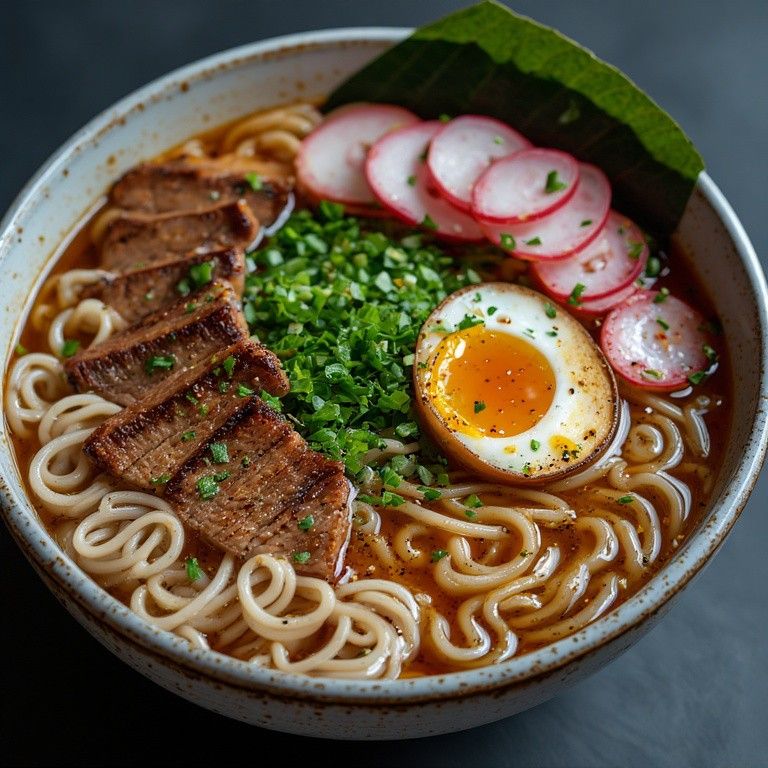
Ramen noodles are thin, chewy, springy wheat noodles that are served in a flavorful broth topped with vegetables, meats, eggs, and seasonings.
A perfect ramen bowl has:
- Rich aromatic broth
- Springy, chewy noodles
- Balanced seasoning
- Beautiful toppings
- Deep umami flavor
Ramen is special because it brings together texture, aroma, warmth, and complexity in one bowl.
From traditional Japanese styles to Korean fire ramen to modern fusion creations — ramen noodles have become a global comfort food.
⭐ History of Ramen – From China to Japan to the World
🏮 Chinese Origins
Ramen originally evolved from Chinese wheat noodles brought to Japan by immigrants in the late 19th century.
🇯🇵 Japanese Reinvention
Japan adopted the noodles but transformed the dish completely.
Japanese chefs experimented with:
- Different broth styles
- Varying noodle thicknesses
- Unique toppings
- Regional flavors
This gave birth to iconic ramen forms like shoyu, miso, tonkotsu, and shio.
🌏 Global Expansion
In the 20th century, instant ramen was invented — revolutionizing the food world. Today, ramen is found everywhere:
- Japan
- Korea
- China
- America
- India
- Europe
It has become a global comfort food, enjoyed for its warmth, flavor, and endless possibilities.
🍜 Types of Ramen Noodles
The beauty of ramen begins with the noodles themselves. Different noodles create different textures.
🍥 1. Thin Straight Noodles
Used in Hakata tonkotsu ramen — silky, firm, and perfect for rich broth.
🍥 2. Curly Yellow Noodles
Used in classic shoyu ramen — holds on to soup beautifully.
🍥 3. Thick Chewy Noodles
Used in miso ramen — hearty and filling.
🍥 4. Wavy Egg Noodles
Popular in modern ramen bowls — slightly chewy and flavorful.
🍥 5. Instant Ramen Noodles
Most common worldwide — quick, convenient, and surprisingly tasty.
🍲 Types of Ramen Broths (The Heart of Ramen)
Ramen broth is the soul of the bowl. Every region in Japan has its own variation.
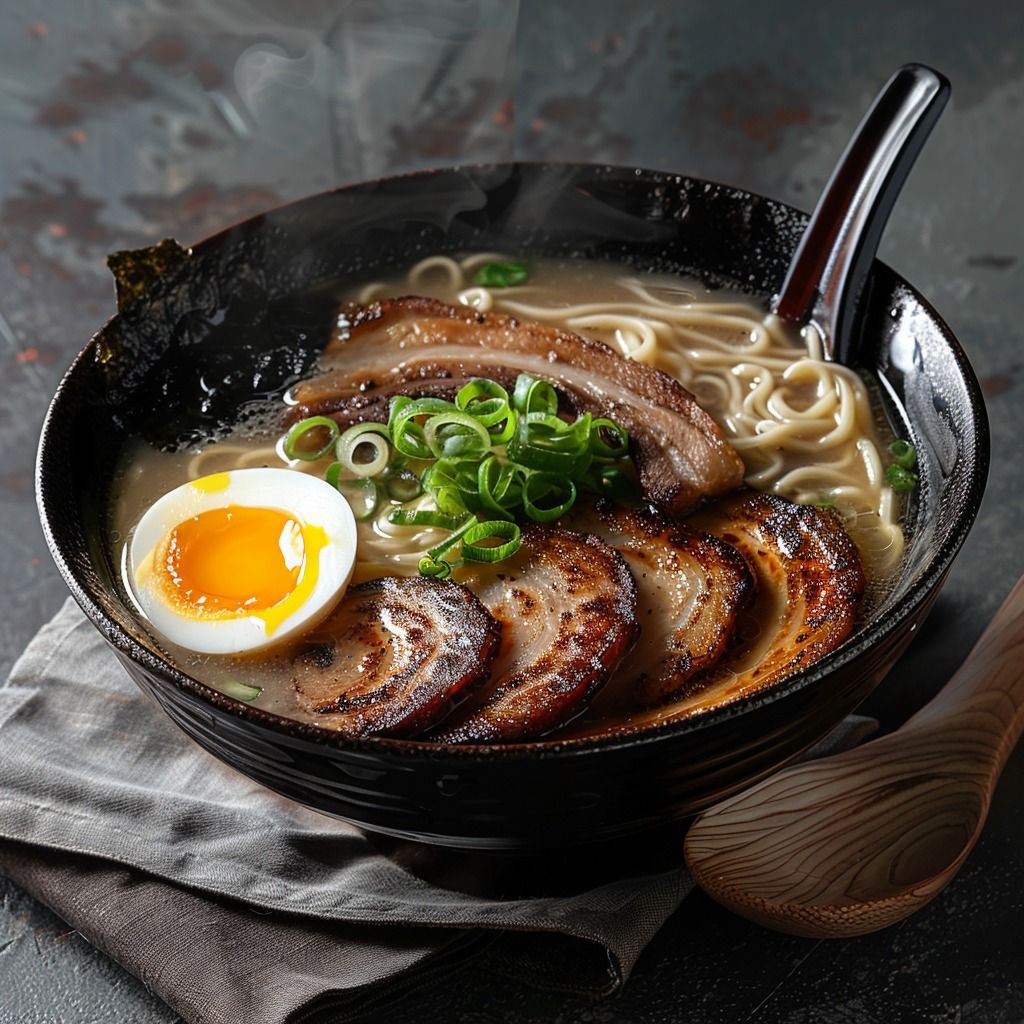
🍶 1. Shoyu Ramen (Soy Sauce Broth)
- Clear brown broth
- Made with soy sauce
- Light, salty, aromatic
- Usually served with curly noodles
🍜 2. Miso Ramen
- Thick, creamy broth
- Deep umami flavor
- Made from fermented soybean paste
- Often served with corn, butter, and thick noodles
🐽 3. Tonkotsu Ramen (Pork Bone Broth)
- Rich, milky, creamy broth
- Boiled for 12–18 hours
- Extremely flavorful & heavy
This is the most luxurious ramen style.
🌊 4. Shio Ramen (Salt Broth)
- Lightest and clearest broth
- Delicate flavor
- Often served with seafood toppings
🔥 5. Spicy Ramen
Used in Korean and Japanese variations:
- Fire ramen
- Kimchi ramen
- Chili garlic ramen
- Spicy miso ramen
🥗 Popular Ramen Toppings (Make It Instagram-Worthy)
Ramen toppings add texture, color, and flavor.
⭐ Proteins:
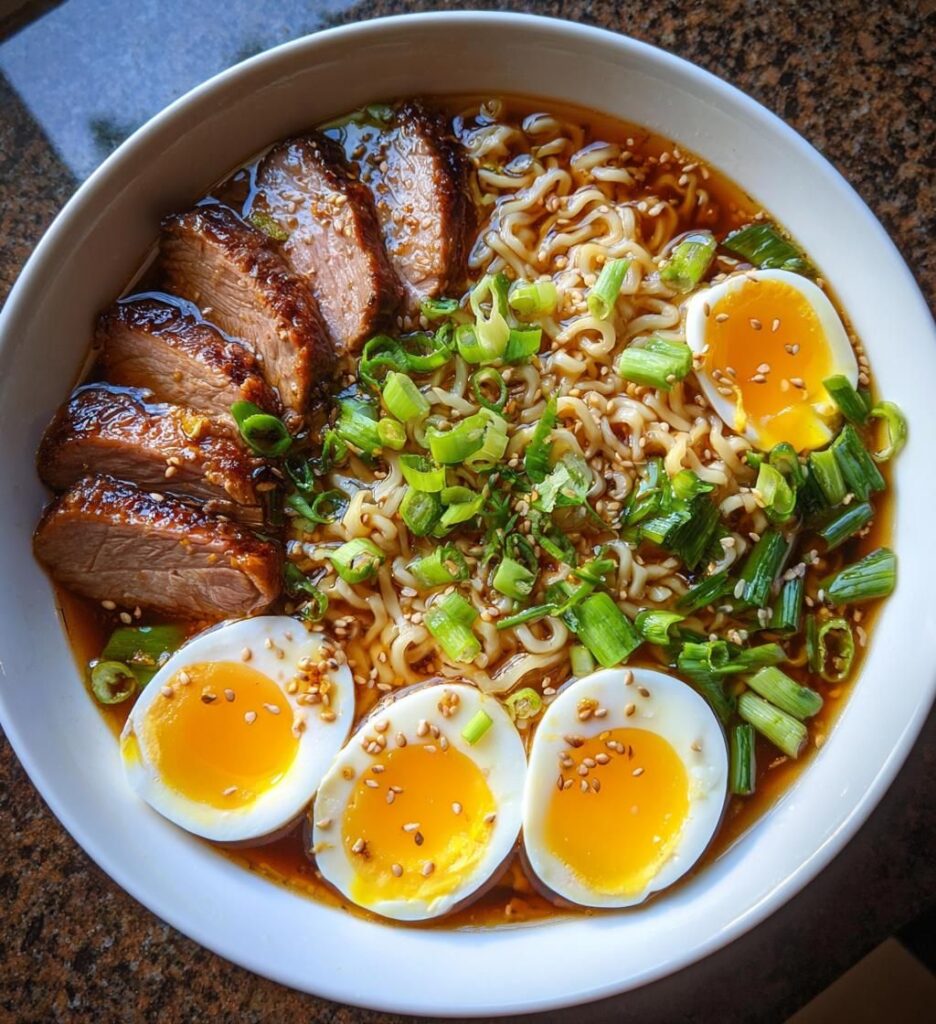
- Chashu pork
- Chicken
- Soft-boiled eggs (Ajitsuke Tamago)
- Tofu
- Shrimp
- Beef slices
⭐ Vegetables:
- Corn
- Bamboo shoots
- Bean sprouts
- Mushrooms
- Spinach
- Bok choy
- Spring onions
⭐ Extras:
- Nori (seaweed)
- Sesame seeds
- Chili oil
- Garlic
- Butter
- Narutomaki (fish cake)
These toppings make ramen look premium, like a top food blog photo.
🍳 How to Make Perfect Ramen Noodles – Step-by-Step Recipe (Restaurant Style)
This is a detailed, premium, food-blog style recipe.
🥢 Step 1: Choose Your Noodles
Select thin, chewy ramen noodles for authentic taste.
🍲 Step 2: Prepare the Broth
Choose one broth style:
🔹 Quick Shoyu Broth
- Soy sauce
- Vegetable/chicken stock
- Garlic
- Ginger
- Green onions
- Sesame oil
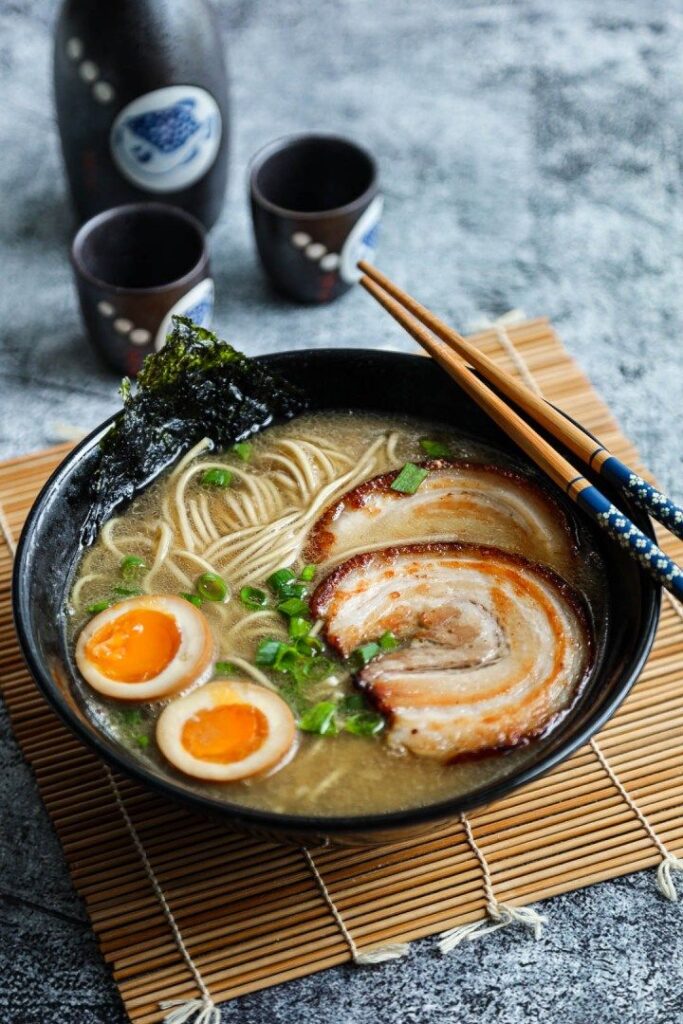
🔹 Miso Broth
- Miso paste
- Stock
- Chili paste
- Mirin
- Garlic
🔹 Spicy Korean Broth
- Gochujang
- Garlic
- Chili flakes
- Sesame oil
Simmer for 20–30 minutes for depth of flavor.
🍜 Step 3: Boil the Noodles Correctly
- Boil water in a large pot.
- Add noodles.
- Cook until slightly firm (al dente).
- Drain immediately.
- Rinse lightly to remove extra starch.
Never overcook ramen noodles — they must be springy.
🍖 Step 4: Prepare Toppings
Soft-Boiled Eggs
- Boil for 6 minutes
- Dip in cold water
- Peel gently
Chashu Pork (Optional)
Simmer pork belly in soy sauce, sugar, garlic & ginger.
Veggies
Stir-fry or blanch lightly — keep them crunchy.
🍽️ Step 5: Assemble Your Ramen Bowl
- Pour hot broth into a bowl.
- Add cooked noodles.
- Arrange toppings artistically.
- Finish with sesame oil & chili flakes.
Your Instagram-ready ramen bowl is complete.
🌶️ Flavors & Variations for Premium Food Blogs
Here are unique ramen styles perfect for content creation:
🔥 1. Fire Spicy Ramen
Korean-inspired, super spicy, trending worldwide.
🍄 2. Creamy Mushroom Ramen
Rich, vegetarian, gourmet-style.
🧄 3. Garlic Butter Ramen
Perfect for food lovers craving strong aroma.
🧀 4. Cheese Ramen
Korean street-food style — creamy and indulgent.
🍜 5. Chicken Teriyaki Ramen
Sweet-salty chicken with chewy noodles — a restaurant favorite.
🥢 6. Vegan Ramen
Uses tofu, mushrooms, miso, and vegetable broth.
🐟 7. Seafood Ramen
Shrimp, fish cakes, seaweed, and clear broth.
🌿 Health Benefits of Ramen (When Prepared Mindfully)
✔ Rich in Carbohydrates
Provides quick energy.
✔ Can be Protein-Rich
Add eggs, tofu, chicken, or pork.
✔ Loaded with Vegetables
If you add spinach, mushrooms, onions, bok choy.
✔ Comfort Food
Warm broth reduces stress and brings relaxation.
✔ Customizable
Can be low-fat, spicy, vegan, gluten-free — your choice.
❌ Common Mistakes to Avoid When Making Ramen
🔸 1. Overcooking Noodles
Soft, mushy noodles ruin the bowl.
🔸 2. Using too much water in broth
Watery broth lacks depth.
🔸 3. Adding toppings too early
They lose texture.
🔸 4. Not simmering broth long enough
Weak flavor.
🔸 5. Overloading ingredients
Ramen should be balanced, not crowded.
🔥 Chef Tips for Restaurant-Quality Ramen
These pro tips will take your ramen from good to gourmet:
- Use sesame oil for aroma.
- Add nori for authentic Japanese flavor.
- Use fresh garlic & ginger, not powders.
- Add chili oil for depth.
- Cook noodles separately — never inside broth.
- Choose toppings based on texture contrast.
- Assemble ramen quickly so noodles don’t soak too much broth.
🧺 Storage & Meal Prep Tips
🥡 Broth Storage
- Refrigerate for 3 days
- Freeze for 1–2 months
🍱 Noodle Storage
- Keep separate
- Toss with oil
- Refrigerate up to 2 days
❄ Instant Meal Prep
Create “Ramen Meal Kits” at home:
- Cooked noodles
- Frozen broth
- Chopped spring onions
- Chili oil
Heat and assemble within 5 minutes.
📝 Conclusion — Why Ramen Is One of the Greatest Foods Ever Created
Ramen is the perfect combination of:
- Warm comfort
- Rich flavors
- Textural layers
- Customization
- Cultural history
- Beautiful presentation
From its humble beginnings to becoming a global trend, ramen has achieved legendary status..
❓ Frequently Asked Questions (FAQ)
1. Why are ramen noodles yellow?
Because some ramen contains kansui (alkaline water), which gives the chewy texture and yellow tint.
2. Can I use spaghetti instead of ramen?
Yes — add ½ tsp baking soda to boiling water to mimic ramen texture.
3. Is ramen healthy?
Homemade ramen can be very healthy; instant ramen should be eaten occasionally.
4. Why do my ramen noodles turn mushy?
Overcooking — boil them only until slightly firm.
5. What broth is best for beginners?
Shoyu ramen is the easiest and most balanced.
6. Can I make ramen without meat?
Yes — miso or vegetable ramen is delicious and fully vegetarian or vegan.
7. Why doesn’t my ramen have strong flavor?
Broth needs longer simmering or more umami ingredients like soy sauce, miso, or mushrooms.
8. What toppings are easiest to add?
Boiled eggs, spring onions, corn, mushrooms, and nori.
9. Can I reuse leftover ramen broth?
Yes — refrigerate and reheat; flavor becomes even richer.
10. Should noodles be cooked in broth?
No — they should be boiled separately to prevent cloudy soup.
11. Can kids eat ramen?
Yes — make a mild, non-spicy version.
12. Can I freeze ramen noodles?
Cooked noodles don’t freeze well; freeze only broth.
13. How do restaurants make ramen so flavorful?
Long-simmered broth + fresh ingredients + high-quality noodles.
14. What is the soft-boiled egg called?
It’s called Ajitsuke Tamago — marinated ramen egg.
15. How do I make ramen spicy?
Add chili oil, gochujang, red chili flakes, or spicy miso paste.