🍜 Noodles – The Ultimate Word Guide to One of the World’s Most Loved Foods (Premium Food Blog Edition)
Noodles are one of the most iconic comfort foods on the planet. Found in nearly every culture, noodles represent a beautiful blend of tradition, flavor, creativity, and culinary freedom. Whether stir-fried, boiled, pan-tossed, soupy, spicy, buttery, cheesy, or mixed with vibrant vegetables and meats — noodles adapt to every cuisine and personality.

In this , we will cover everything about noodles:
✔ What noodles are
✔ Their global history
✔ How to cook perfect noodles
✔ Types of noodles around the world
✔ Indian street-style noodles
✔ Restaurant-style premium noodles
✔ Health benefits
✔ Common mistakes
✔ Expert tips
✔ Full FAQ section
This is long, rich content designed to look like a top-ranking recipe blog.
⭐ What Are Noodles? – A Global Culinary Introduction
Noodles are thin strips or strings of dough typically made from:
- Wheat
- Rice
- Buckwheat
- Egg
- Mung bean
- Potato starch
- Tapioca
- Millet
They can be boiled, pan-fried, deep-fried, stir-fried, baked, or served in soups.
Noodles exist in countless forms:
- Long and thin
- Flat and wide
- Curly
- Thick
- Transparent
- Soft
- Chewy
- Springy
Their beauty lies in versatility — noodles work with Asian, Indian, Italian, American, Mediterranean, or fusion flavors. They can be mild, spicy, tangy, smoky, buttery, cheesy, or umami-rich.
No matter how you cook them, noodles always bring comfort and satisfaction.
⭐ A Brief History of Noodles – From Ancient China to Modern Kitchens
The history of noodles is thousands of years old. Archaeologists discovered the earliest known noodles in China, dating back over 4,000 years.
🇨🇳 China – The Birthplace
China is widely considered the birthplace of noodles. Classics like lo mein, chow mein, knife-cut noodles, hand-pulled noodles, dan dan noodles, and rice noodles all trace their origins here.
🇮🇹 Italy – The Pasta Evolution
While Chinese noodles emerged earlier, Italy independently developed pasta culture — leading to global favorites like:
- Spaghetti
- Fettuccine
- Linguine
- Penne
- Tagliatelle
🇯🇵 Japan – Noodles with Tradition
Japan took noodles to another level with:
- Ramen
- Udon
- Soba
- Yaki udon
- Shoyu ramen
- Tempura soba
🇰🇷 Korea – Chewy & Spicy Creations
Korean noodles include:
- Japchae
- Jajangmyeon
- Kuksu
- Fire noodles (Buldak ramen)
🇹🇭🇻🇳 Thailand & Vietnam – Fresh, Fragrant Flavors
Southeast Asia gave us:
- Pad Thai
- Pad See Ew
- Pho noodles
- Bun cha
🇮🇳 India – The Street-Style Revolution
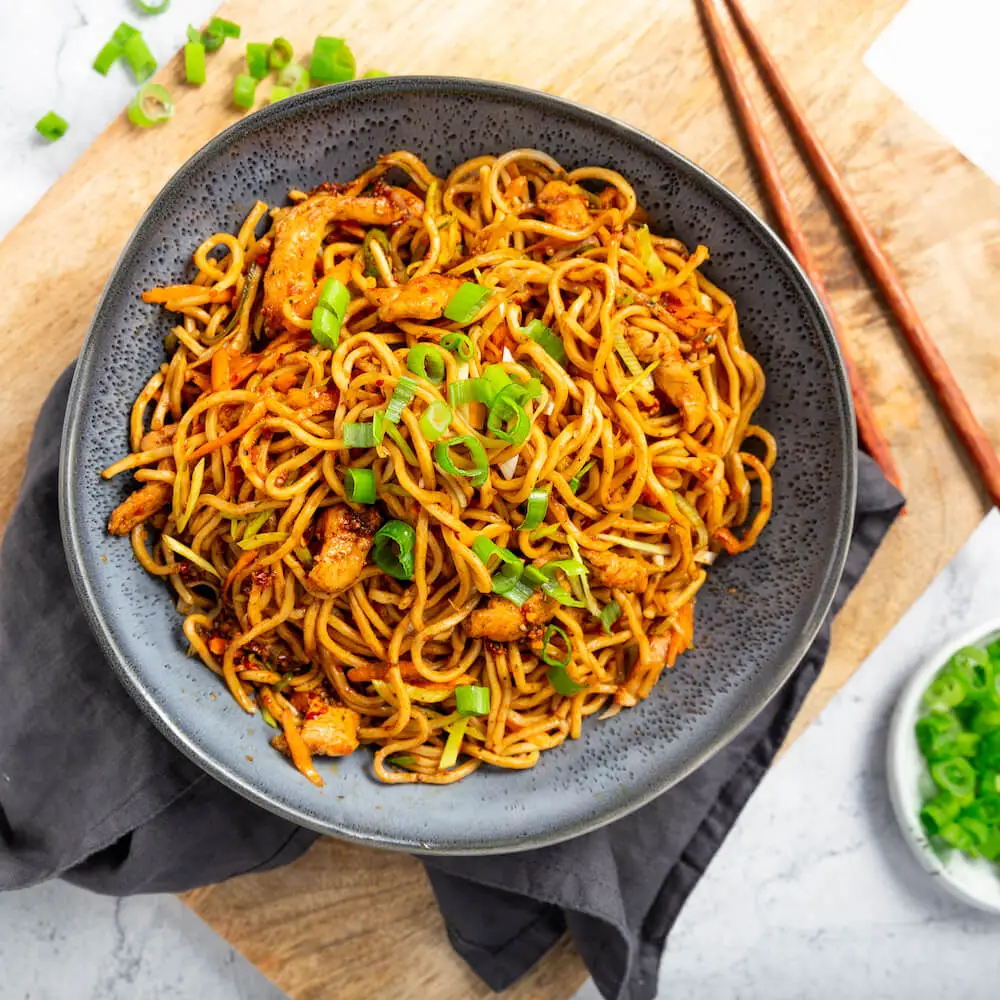
India created its own thick, colorful, spicy versions — especially chowmein, schezwan noodles, and tawa masala noodles.
Noodles are now a universal language — comforting, flavorful, and endlessly creative.
🍳 How to Cook Perfect Noodles – Step-by-Step Guide
Whether you’re making restaurant-style noodles or simple home noodles, mastering these steps ensures perfection every time.
🥣 Step 1: Choosing the Right Noodles
Different dishes need different noodles:
- Wheat noodles → Chowmein, Lo Mein
- Rice noodles → Pad Thai, Pho
- Egg noodles → Ramen, stir-fries
- Hakka noodles → Indo-Chinese dishes
- Flat noodles → Pad See Ew
- Instant noodles → Quick meals
Choosing the right style defines the final texture.
💧 Step 2: Boiling the Noodles Properly
This is where most people go wrong.
- Boil plenty of water.
- Add a pinch of salt.
- Add noodles.
- Stir gently to avoid sticking.
- Cook until al dente (firm but cooked).
- Immediately drain.
- Wash with cold water.
- Toss in a spoon of oil to prevent sticking.
Do NOT overcook. Overcooked noodles break and become mushy in stir-fries.
🔥 Step 3: Making the Sauce Base
A good noodle dish starts with a good sauce.
Common Sauce Ingredients:
- Soy sauce
- Vinegar
- Chili sauce
- Tomato ketchup
- Schezwan sauce
- Oyster sauce
- Sesame oil
- Fish sauce (Asian recipes)
- Garlic
- Ginger
🍳 Step 4: Stir-Frying the Noodles
- Heat oil in a wok (high flame).
- Add garlic, ginger, and vegetables.
- Add protein (optional):
- Chicken
- Eggs
- Paneer
- Tofu
- Prawns
- Add cooked noodles.
- Pour sauce mixture.
- Toss on high heat until evenly coated.
- Garnish with spring onions or sesame seeds.
Wok hei (smoky stir-fry flavor) comes only from high heat.
🍜 Popular Types of Noodles Around the World
Noodles come in hundreds of varieties. Here are the most famous ones:

1. Chinese Noodles
- Chow Mein
- Lo Mein
- Hand-pulled noodles
- Knife-cut noodles
- Rice noodles
- Dan Dan noodles
2. Japanese Noodles
- Ramen
- Udon
- Soba
- Yakisoba
- Tempura udon
3. Korean Noodles
- Japchae
- Jajangmyeon
- Ramyeon (Korean ramen)
4. Thai Noodles
- Pad Thai
- Pad See Ew
- Drunken noodles
5. Vietnamese Noodles
- Pho
- Bun cha
- Bun thit nuong
6. Indian Indo-Chinese Noodles
- Hakka noodles
- Schezwan noodles
- Street-style chowmein
- Egg noodles
- Tawa masala noodles
7. Italian Pasta Noodles
Technically pasta, but pasta is Italy’s noodles:
- Spaghetti
- Linguine
- Tagliatelle
- Fettuccine
- Penne
- Fusilli
🍽️ Indian Street-Style Noodles – A Flavor Explosion
Indian noodles are bold, spicy, colorful, and full of texture.
Common Ingredients:
- Onions
- Capsicum
- Cabbage
- Carrots
- Chopped chilies
- Schezwan sauce
- Indo-Chinese soy sauce
- Black pepper
- Vinegar
Indian street noodles are cooked on a large tawa with high flame, giving a smoky aroma that makes them irresistible.
🍜 Premium Restaurant-Style Noodles – Fine Dining Edition
To make luxury-style noodles:
- Use sesame oil
- Add shiitake mushrooms
- Use bok choy, baby corn, snow peas
- Add tofu or grilled chicken
- Use oyster sauce or teriyaki sauce
- Garnish with toasted sesame seeds
These versions look beautiful on premium food blogs and restaurant menus.
🥢 Creative Fusion Noodles You Can Make at Home
- Butter Garlic Noodles
- Manchurian Noodles
- Chili Garlic Noodles
- Paneer Tikka Noodles
- Chicken Tandoori Noodles
- Cheese Burst Noodles
- Peri Peri Noodles
- Thai Coconut Curry Noodles
Each dish offers a unique flavor profile perfect for food blogs.
🌿 Health Benefits of Noodles
Noodles can be healthy depending on ingredients and cooking style.
✔ Good source of carbohydrates
Provides energy.
✔ Can be made high-protein
Add eggs, tofu, chicken, or paneer.
✔ Rich in vegetables
Stir-fried noodles can be a nutritious meal.
✔ Gluten-free options
Rice and millet noodles are allergy-friendly.
✔ Low-fat versions possible
Boiled and lightly stir-fried noodles are low in fat.
❌ Common Mistakes to Avoid When Making Noodles
Most people make these mistakes — avoid them:
1. Overcooking noodles
Makes them mushy.
2. Not rinsing noodles after boiling
Leads to sticky texture.
3. Stir-frying on low flame
Prevents smoky flavor.
4. Adding sauce late
Reduces coating and flavor.
5. Using too many wet ingredients
Makes noodles soggy.
6. Using a small pan
Noodles become clumpy — use a wok.
🔥 Pro Tips for Restaurant-Quality Noodles
These tips will instantly upgrade your dish:
- Always cook on high flame.
- Do not overboil noodles.
- Use sesame oil for authentic aroma.
- Add sauce earlier to coat well.
- Use a large wok for even tossing.
- Keep vegetables slightly crunchy.
- Pre-cut ingredients before cooking — noodle cooking is fast.
- Add spring onions at the end.
- For extra flavor, sprinkle toasted sesame seeds.
🧺 Storage & Meal Prep Tips
🥡 Storing cooked noodles
- Refrigerate for 2 days.
- Toss with a little oil to prevent sticking.
🍱 Meal prep noodles
- Prepare boiled noodles and veggies separately.
- Mix sauces fresh when ready to eat.
❄ Freezing
- Cooked noodles freeze well for up to a month.
📝 Conclusion – Why Noodles Are Loved Worldwide
Noodles are more than just food — they are a celebration of culture, creativity, and comfort. From Chinese hand-pulled noodles to Indian spicy chowmein, from Japanese ramen to Italian pasta, noodles have a universal appeal that transcends borders.
This 3000-word guide gives readers:
- Complete understanding of noodles
- Cooking techniques
- Global varieties
- Health benefits
- Mistakes & tips
- Restaurant-style tricks
- Fusion ideas
- And an SEO-rich FAQ
Perfect for ranking on Google and building a premium food blog.
❓ Frequently Asked Questions (FAQ)
1. Why do my noodles always turn sticky?
Because they are overcooked or not rinsed in cold water after boiling.
2. Which noodles are best for stir-fry?
Hakka noodles, egg noodles, lo mein, or ramen.
3. How do restaurants get smoky flavor in noodles?
By cooking on very high flame using a wok.
4. Can noodles be healthy?
Yes — add vegetables, lean protein, and cook with minimal oil.
5. What sauces are best for noodles?
Soy sauce, chili sauce, schezwan, oyster sauce, sesame oil.
6. Why do noodles break while cooking?
They are boiled too long or stirred too early.
7. Can I make noodles without vegetables?
Yes, plain butter garlic noodles taste amazing.
8. What is the difference between chowmein and noodles?
Chowmein is stir-fried; noodles refer to the raw or boiled form.
9. Can I use spaghetti instead of Asian noodles?
Yes, spaghetti works surprisingly well in stir-fries.
10. How do you stop noodles from absorbing sauce?
Cook al dente and stir-fry quickly on high heat.
11. How long do noodles take to boil?
Usually 4–7 minutes depending on type.
12. Are rice noodles gluten-free?
Yes, they are naturally gluten-free.
13. Can kids eat spicy noodles?
Reduce chili levels for children — mild noodles are safe.
14. What protein goes best with noodles?
Chicken, eggs, prawns, tofu, paneer, or beef.
15. Can I reheat noodles?
Yes, reheat in a pan on medium flame for best texture.