Momos, the delicious bite-sized dumplings originally from Tibet and Nepal, have become one of the most popular street foods in India and across Asia due to their irresistible combination of soft dough,
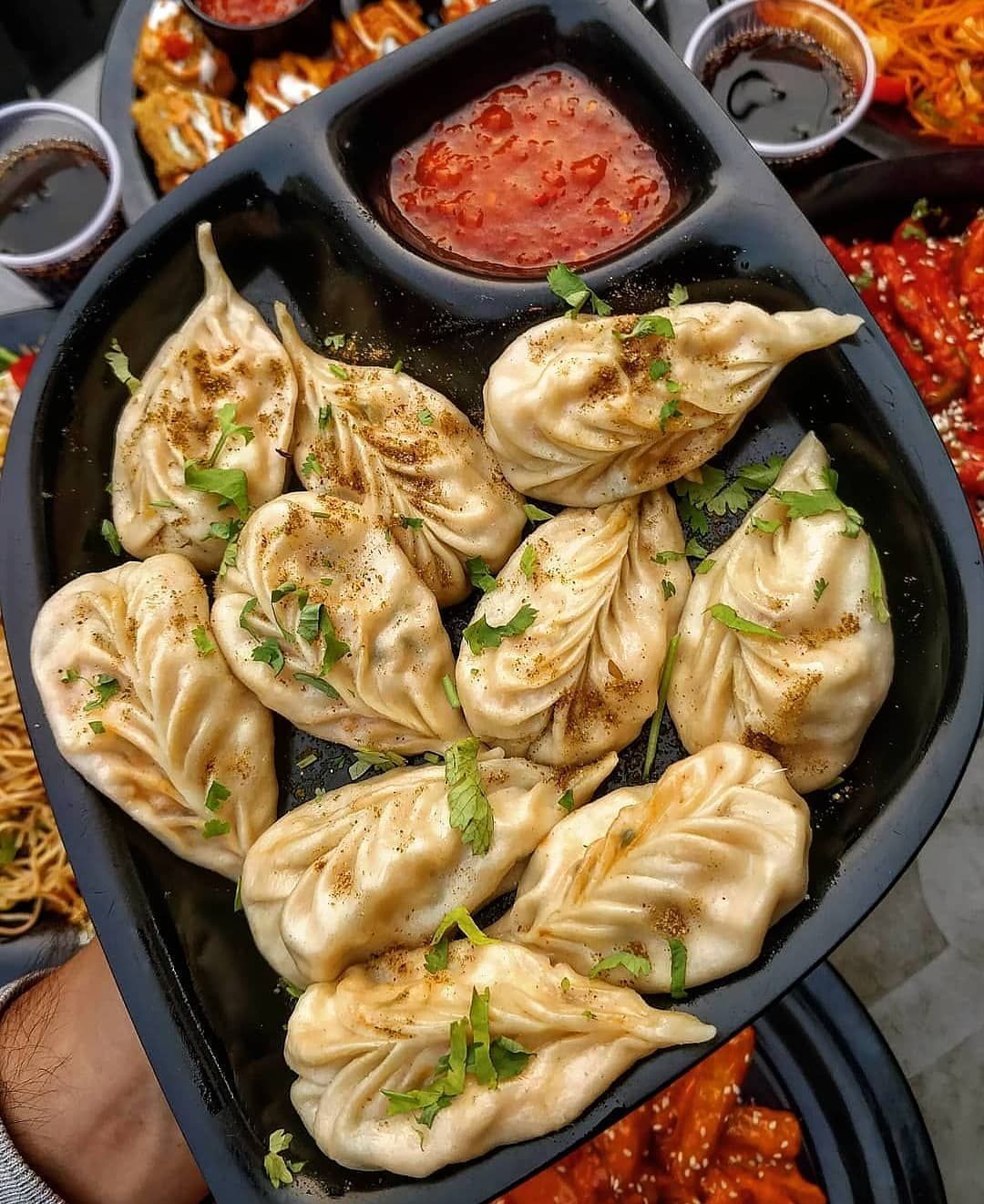
flavorful filling, and mouthwatering aroma. These steamed or fried dumplings, filled with vegetables, chicken, paneer, or meat, have evolved into a global sensation loved by people of all ages. The popularity of momos has grown so rapidly that they are now found in street stalls, restaurants, cafes, food trucks, and even luxury dining menus.
The unique charm of momos lies in their delicate texture, juicy filling, and the spicy sauces served alongside them. Although momos have existed for centuries in Tibetan and Nepalese culture, their growth in India has been phenomenal, especially in cities like Delhi, Mumbai, Kolkata, Bengaluru, and Kathmandu, where momos have become a must-have snack for millions. As a light yet satisfying dish, momos are enjoyed as lunch, dinner, or a quick snack, fitting perfectly into the fast-paced lifestyle of modern cities.
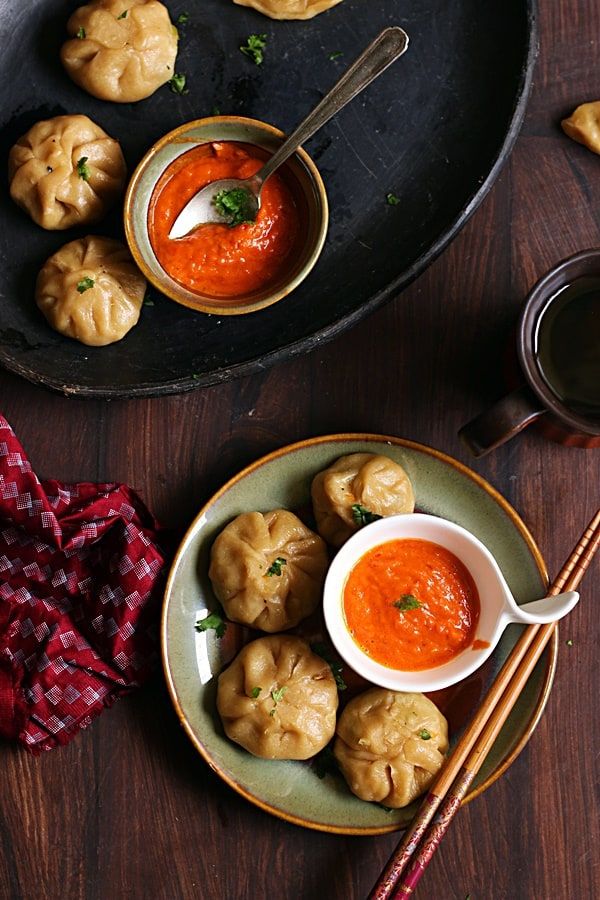
Momos start with a soft, thin dough made from refined flour, kneaded until smooth and rolled into small circles. The filling varies from region to region, offering endless possibilities such as finely chopped vegetables, cabbage, carrots, paneer, chicken mince, mutton, pork, cheese, tofu, and even innovative fillings like mushrooms, spinach, sweet corn, or mixed herbs. The filling is seasoned with garlic, ginger, onion, salt, black pepper, soy sauce, and spices that enhance the taste and aroma. Once filled, the dough is carefully folded into shapes like half-moon, round, pleated, or twist-fold, each giving momos a unique look depending on the chef’s skills. Traditionally, momos were steamed in bamboo baskets or steel steamers until soft and glossy on the outside, but modern cooking styles have introduced exciting variations like fried momos, tandoori momos, pan-fried momos, chilli momos, kothey momos, grilled momos, baked momos, and cheese burst momos.
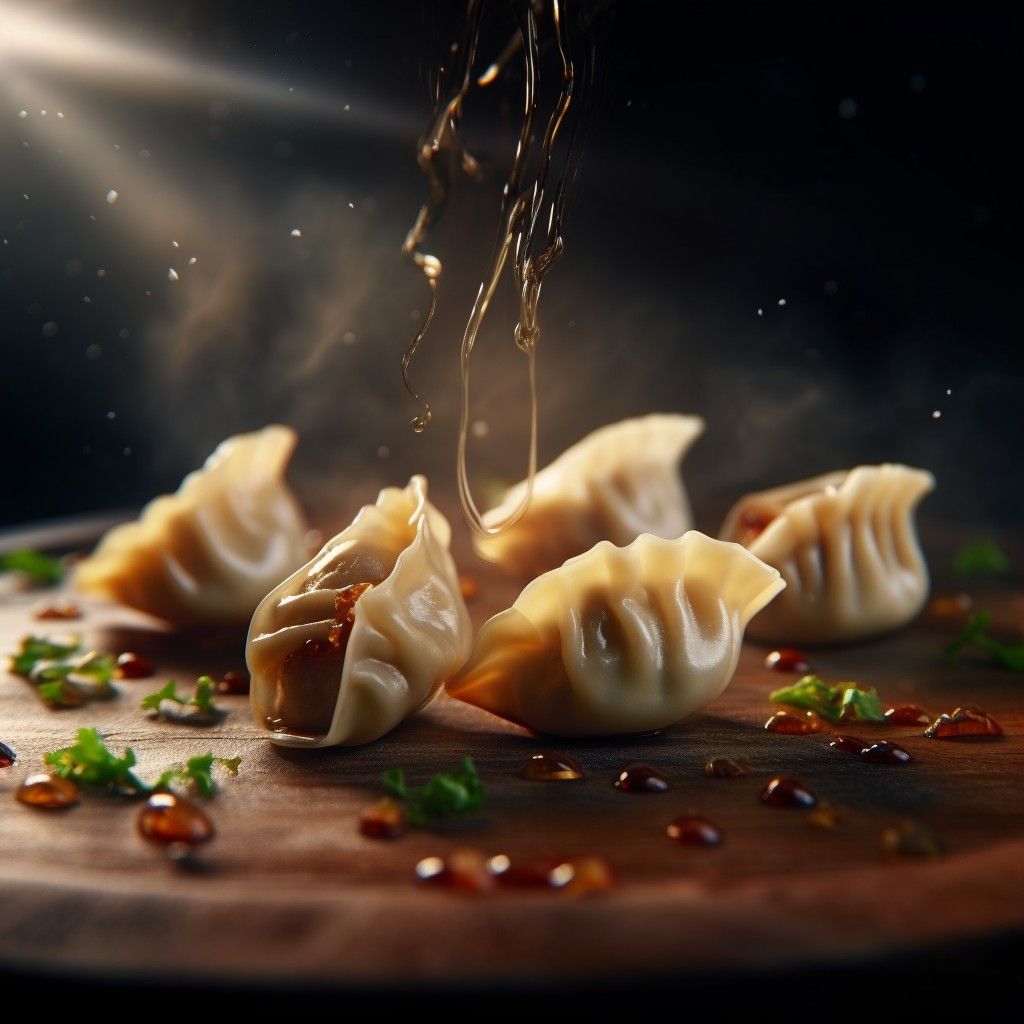
One of the biggest reasons behind the massive popularity of momos is their variety. Veg momos are loved by vegetarian food lovers, while chicken momos and tandoori momos are favorites among non-vegetarians. Fried momos offer a crunchy bite, while steamed momos remain soft and juicy. Chilli momos, tossed in spicy sauces, are a dramatic Indo-Chinese fusion that many youths enjoy. Tandoori momos are another modern creation where momos are marinated in spicy yogurt and grilled in a tandoor for a smoky, charred flavor. Cheese momos and paneer momos attract those who prefer creamy and rich fillings. The versatility of momos makes them suitable for every palate, helping them become a widespread culinary trend.
The sauce served with momos plays a huge role in enhancing their flavor. The classic red chilli chutney is fiery, tangy, and made with tomatoes, red chilies, garlic, and vinegar. Many places also serve mayonnaise or a creamy dip to balance the spice. Some restaurants experiment with oregano, peri-peri, mint chutney, garlic mayonnaise, and even cheese-based sauces. The combination of hot, freshly steamed momos dipped into spicy chutney creates an unforgettable taste that keeps people coming back for more.
Globally, momos are known by different names. In China, a similar version is called jiaozi or dumplings. In Japan, they are known as gyoza. In Korea, a similar dish is called mandu. But the Tibetan and Nepalese momos have their own distinct identity due to their flavor profile and cooking style. From the hills of Darjeeling and Sikkim to the busy streets of Delhi, momos have captured the hearts of millions with their simple yet delicious appeal. Tourists visiting hill stations like Manali, Dharamshala, and Gangtok make sure to enjoy authentic momos made by local vendors who continue to follow traditional recipes passed down through generations
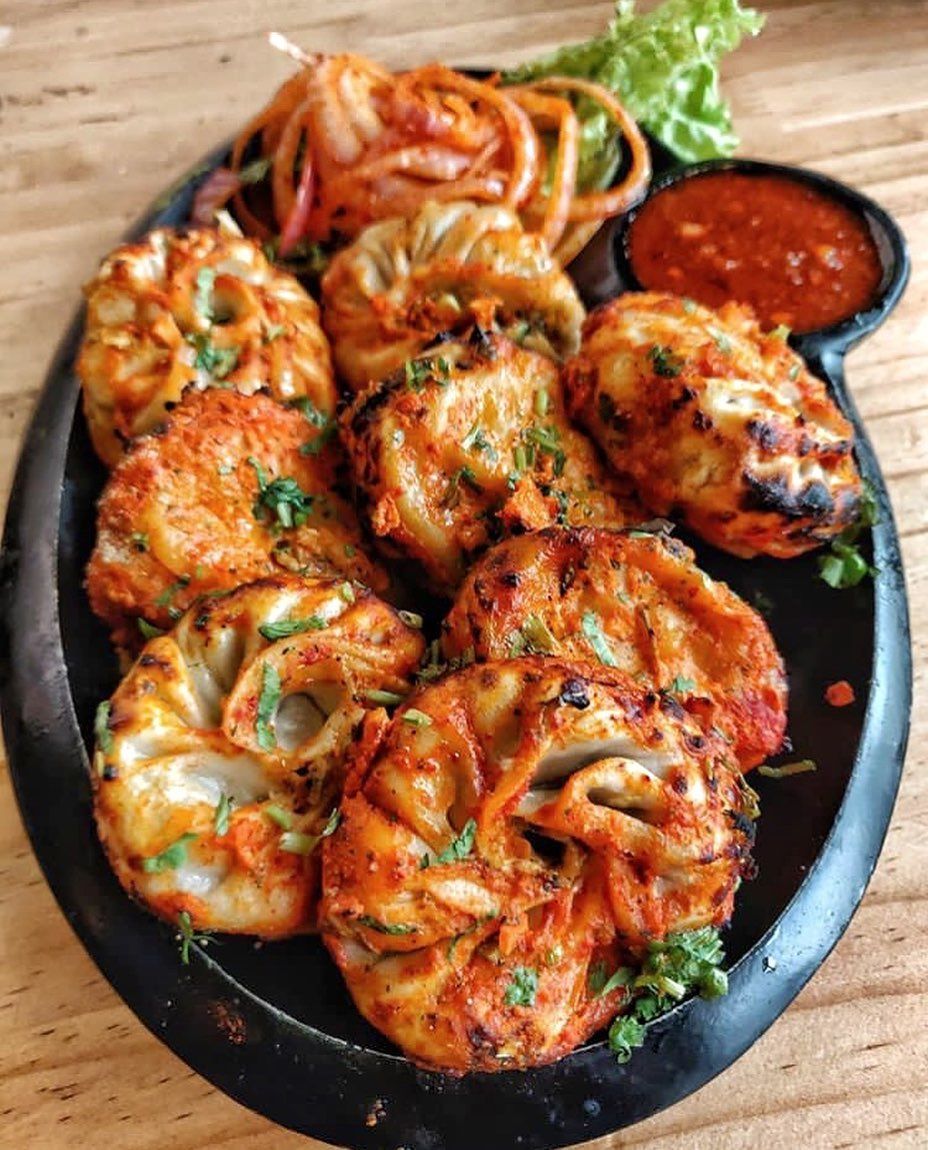
Nutritionally, momos can be a healthy option depending on the ingredients used. Steamed momos are low in fat and calories if made with minimal oil and fresh vegetables. They provide carbohydrates from the dough and protein from chicken, paneer, or tofu fillings. However, deep-fried or cheese-filled momos may contain more calories. Many health-conscious people prefer wheat momos, millet momos, or oats momos as healthier alternatives. Vegan momos made with tofu, mushrooms, and fresh greens are also rising in popularity. Momos are easy to digest, making them perfect for a light meal.
Over the years, momos have also become a part of India’s fusion cuisine. Many creative versions have emerged, such as chocolate momos, pizza momos, butter chicken momos, and kurkure momos, reflecting the innovative spirit of street food vendors. Kurkure momos, coated with crushed cornflakes and deep fried, have become a viral trend among youngsters. Pizza momos combine the flavors of Italian and Tibetan cuisine, stuffed with cheese, herbs, and pizza sauce. Butter chicken momos blend North Indian flavors with the texture of traditional dumplings. These fusions show how momos have adapted to different tastes and transformed into a versatile street food phenomenon.
Momos are also easy to make at home. The process begins with kneading soft dough, preparing a flavorful filling, shaping the momos, and steaming or frying them. Homemade momos allow flexibility in fillings, spices, and cooking methods. Many families enjoy making momos together as an evening snack or weekend activity, turning the process into a fun experience. Momos pair wonderfully with soups, noodles, fried rice, or simply with their signature spicy chutney. They also make great party snacks, easily served in batches and enjoyed with a variety of dips.
The growing love for momos has created countless momo brands and momo cafés across India. Chains like Wow! Momo have expanded nationwide, offering a wide variety of flavors along with seasonal and limited-edition momos. Cloud kitchens and online food delivery apps like Zomato and Swiggy have also played a major role in making momos accessible to everyone. Whether it is a steaming plate of classic veg momos or a spicy platter of tandoori momos, the demand continues to rise every year.
What makes momos even more special is their simplicity. Just a few ingredients—flour, vegetables or meat, spices, and heat—create a dish that comforts the heart and delights the taste buds. Their adaptability, affordability, and unique taste ensure that momos remain a beloved food across generations. The emotional connection people have with momos, from school memories to late-night cravings, makes them more than just food; they are a symbol of comfort and joy. As the world continues to explore new flavors and trends, momos will always hold a permanent place in global street food culture. Whether steamed, fried, chilli, tandoori, or cheese-loaded, momos remain a timeless dish that unites cultures through the love of good food.
⭐ Premium SEO FAQs (Optimized for Google Ranking)
1. What are momos made of?
Momos are made from dough filled with vegetables, chicken, paneer, cheese, or meat and cooked by steaming or frying.
2. Are momos healthy?
Steamed momos are healthy and low in fat, but fried or cheese momos are higher in calories.
3. Which country invented momos?
Momos originated in Tibet and Nepal and later became popular in India.
4. What are the types of momos?
Steamed, fried, tandoori, chilli, pan-fried, kothey, wheat, veg, chicken, paneer, and cheese momos.
5. What chutney is served with momos?
A spicy red chilli chutney made with tomatoes, garlic, and chilies is the most popular.
6. Are momos and dumplings the same?
They are similar but differ in taste, fillings, and cooking styles.
7. Can I make momos at home?
Yes, by kneading dough, preparing filling, shaping momos, and steaming or frying them.
8. Are momos vegetarian or non-vegetarian?
Both. They come in veg, chicken, paneer, tofu, mushroom, and meat versions.
9. What makes momos so popular in India?
Their taste, affordability, easy availability, and endless flavors.
10. What is the healthiest momo?
Steamed wheat momos filled with vegetables or tofu.Momos, the delicious bite-sized dumplings originally from Tibet and Nepal, have become one of the most popular street foods in India and across Asia due to their irresistible combination of soft dough, flavorful filling, and mouthwatering aroma. These steamed or fried dumplings, filled with vegetables, chicken, paneer, or meat, have evolved into a global sensation loved by people of all ages. The popularity of momos has grown so rapidly that they are now found in street stalls, restaurants, cafes, food trucks, and even luxury dining menus. The unique charm of momos lies in their delicate texture, juicy filling, and the spicy sauces served alongside them. Although momos have existed for centuries in Tibetan and Nepalese culture, their growth in India has been phenomenal, especially in cities like Delhi, Mumbai, Kolkata, Bengaluru, and Kathmandu, where momos have become a must-have snack for millions. As a light yet satisfying dish, momos are enjoyed as lunch, dinner, or a quick snack, fitting perfectly into the fast-paced lifestyle of modern cities.
Momos start with a soft, thin dough made from refined flour, kneaded until smooth and rolled into small circles. The filling varies from region to region, offering endless possibilities such as finely chopped vegetables, cabbage, carrots, paneer, chicken mince, mutton, pork, cheese, tofu, and even innovative fillings like mushrooms, spinach, sweet corn, or mixed herbs. The filling is seasoned with garlic, ginger, onion, salt, black pepper, soy sauce, and spices that enhance the taste and aroma. Once filled, the dough is carefully folded into shapes like half-moon, round, pleated, or twist-fold, each giving momos a unique look depending on the chef’s skills. Traditionally, momos were steamed in bamboo baskets or steel steamers until soft and glossy on the outside, but modern cooking styles have introduced exciting variations like fried momos, tandoori momos, pan-fried momos, chilli momos, kothey momos, grilled momos, baked momos, and cheese burst momos.
One of the biggest reasons behind the massive popularity of momos is their variety. Veg momos are loved by vegetarian food lovers, while chicken momos and tandoori momos are favorites among non-vegetarians. Fried momos offer a crunchy bite, while steamed momos remain soft and juicy. Chilli momos, tossed in spicy sauces, are a dramatic Indo-Chinese fusion that many youths enjoy. Tandoori momos are another modern creation where momos are marinated in spicy yogurt and grilled in a tandoor for a smoky, charred flavor. Cheese momos and paneer momos attract those who prefer creamy and rich fillings. The versatility of momos makes them suitable for every palate, helping them become a widespread culinary trend.
The sauce served with momos plays a huge role in enhancing their flavor. The classic red chilli chutney is fiery, tangy, and made with tomatoes, red chilies, garlic, and vinegar. Many places also serve mayonnaise or a creamy dip to balance the spice. Some restaurants experiment with oregano, peri-peri, mint chutney, garlic mayonnaise, and even cheese-based sauces. The combination of hot, freshly steamed momos dipped into spicy chutney creates an unforgettable taste that keeps people coming back for more.
Globally, momos are known by different names. In China, a similar version is called jiaozi or dumplings. In Japan, they are known as gyoza. In Korea, a similar dish is called mandu. But the Tibetan and Nepalese momos have their own distinct identity due to their flavor profile and cooking style. From the hills of Darjeeling and Sikkim to the busy streets of Delhi, momos have captured the hearts of millions with their simple yet delicious appeal. Tourists visiting hill stations like Manali, Dharamshala, and Gangtok make sure to enjoy authentic momos made by local vendors who continue to follow traditional recipes passed down through generations.
Nutritionally, momos can be a healthy option depending on the ingredients used. Steamed momos are low in fat and calories if made with minimal oil and fresh vegetables. They provide carbohydrates from the dough and protein from chicken, paneer, or tofu fillings. However, deep-fried or cheese-filled momos may contain more calories. Many health-conscious people prefer wheat momos, millet momos, or oats momos as healthier alternatives. Vegan momos made with tofu, mushrooms, and fresh greens are also rising in popularity. Momos are easy to digest, making them perfect for a light meal.
Over the years, momos have also become a part of India’s fusion cuisine. Many creative versions have emerged, such as chocolate momos, pizza momos, butter chicken momos, and kurkure momos, reflecting the innovative spirit of street food vendors. Kurkure momos, coated with crushed cornflakes and deep fried, have become a viral trend among youngsters. Pizza momos combine the flavors of Italian and Tibetan cuisine, stuffed with cheese, herbs, and pizza sauce. Butter chicken momos blend North Indian flavors with the texture of traditional dumplings. These fusions show how momos have adapted to different tastes and transformed into a versatile street food phenomenon.
Momos are also easy to make at home. The process begins with kneading soft dough, preparing a flavorful filling, shaping the momos, and steaming or frying them. Homemade momos allow flexibility in fillings, spices, and cooking methods. Many families enjoy making momos together as an evening snack or weekend activity, turning the process into a fun experience. Momos pair wonderfully with soups, noodles, fried rice, or simply with their signature spicy chutney. They also make great party snacks, easily served in batches and enjoyed with a variety of dips.
The growing love for momos has created countless momo brands and momo cafés across India. Chains like Wow! Momo have expanded nationwide, offering a wide variety of flavors along with seasonal and limited-edition momos. Cloud kitchens and online food delivery apps like Zomato and Swiggy have also played a major role in making momos accessible to everyone. Whether it is a steaming plate of classic veg momos or a spicy platter of tandoori momos, the demand continues to rise every year.
What makes momos even more special is their simplicity. Just a few ingredients—flour, vegetables or meat, spices, and heat—create a dish that comforts the heart and delights the taste buds. Their adaptability, affordability, and unique taste ensure that momos remain a beloved food across generations. The emotional connection people have with momos, from school memories to late-night cravings, makes them more than just food; they are a symbol of comfort and joy. As the world continues to explore new flavors and trends, momos will always hold a permanent place in global street food culture. Whether steamed, fried, chilli, tandoori, or cheese-loaded, momos remain a timeless dish that unites cultures through the love of good food.
⭐ Premium SEO FAQs (Optimized for Google Ranking)
1. What are momos made of?
Momos are made from dough filled with vegetables, chicken, paneer, cheese, or meat and cooked by steaming or frying.
2. Are momos healthy?
Steamed momos are healthy and low in fat, but fried or cheese momos are higher in calories.
3. Which country invented momos?
Momos originated in Tibet and Nepal and later became popular in India.
4. What are the types of momos?
Steamed, fried, tandoori, chilli, pan-fried, kothey, wheat, veg, chicken, paneer, and cheese momos.
5. What chutney is served with momos?
A spicy red chilli chutney made with tomatoes, garlic, and chilies is the most popular.
6. Are momos and dumplings the same?
They are similar but differ in taste, fillings, and cooking styles.
7. Can I make momos at home?
Yes, by kneading dough, preparing filling, shaping momos, and steaming or frying them.
8. Are momos vegetarian or non-vegetarian?
Both. They come in veg, chicken, paneer, tofu, mushroom, and meat versions.
9. What makes momos so popular in India?
Their taste, affordability, easy availability, and endless flavors.
10. What is the healthiest momo?
Steamed wheat momos filled with vegetables or tofu.Momos, the delicious bite-sized dumplings originally from Tibet and Nepal, have become one of the most popular street foods in India and across Asia due to their irresistible combination of soft dough, flavorful filling, and mouthwatering aroma. These steamed or fried dumplings, filled with vegetables, chicken, paneer, or meat, have evolved into a global sensation loved by people of all ages. The popularity of momos has grown so rapidly that they are now found in street stalls, restaurants, cafes, food trucks, and even luxury dining menus. The unique charm of momos lies in their delicate texture, juicy filling, and the spicy sauces served alongside them. Although momos have existed for centuries in Tibetan and Nepalese culture, their growth in India has been phenomenal, especially in cities like Delhi, Mumbai, Kolkata, Bengaluru, and Kathmandu, where momos have become a must-have snack for millions. As a light yet satisfying dish, momos are enjoyed as lunch, dinner, or a quick snack, fitting perfectly into the fast-paced lifestyle of modern cities.
Momos start with a soft, thin dough made from refined flour, kneaded until smooth and rolled into small circles. The filling varies from region to region, offering endless possibilities such as finely chopped vegetables, cabbage, carrots, paneer, chicken mince, mutton, pork, cheese, tofu, and even innovative fillings like mushrooms, spinach, sweet corn, or mixed herbs. The filling is seasoned with garlic, ginger, onion, salt, black pepper, soy sauce, and spices that enhance the taste and aroma. Once filled, the dough is carefully folded into shapes like half-moon, round, pleated, or twist-fold, each giving momos a unique look depending on the chef’s skills. Traditionally, momos were steamed in bamboo baskets or steel steamers until soft and glossy on the outside, but modern cooking styles have introduced exciting variations like fried momos, tandoori momos, pan-fried momos, chilli momos, kothey momos, grilled momos, baked momos, and cheese burst momos.
One of the biggest reasons behind the massive popularity of momos is their variety. Veg momos are loved by vegetarian food lovers, while chicken momos and tandoori momos are favorites among non-vegetarians. Fried momos offer a crunchy bite, while steamed momos remain soft and juicy. Chilli momos, tossed in spicy sauces, are a dramatic Indo-Chinese fusion that many youths enjoy. Tandoori momos are another modern creation where momos are marinated in spicy yogurt and grilled in a tandoor for a smoky, charred flavor. Cheese momos and paneer momos attract those who prefer creamy and rich fillings. The versatility of momos makes them suitable for every palate, helping them become a widespread culinary trend.
The sauce served with momos plays a huge role in enhancing their flavor. The classic red chilli chutney is fiery, tangy, and made with tomatoes, red chilies, garlic, and vinegar. Many places also serve mayonnaise or a creamy dip to balance the spice. Some restaurants experiment with oregano, peri-peri, mint chutney, garlic mayonnaise, and even cheese-based sauces. The combination of hot, freshly steamed momos dipped into spicy chutney creates an unforgettable taste that keeps people coming back for more.
Globally, momos are known by different names. In China, a similar version is called jiaozi or dumplings. In Japan, they are known as gyoza. In Korea, a similar dish is called mandu. But the Tibetan and Nepalese momos have their own distinct identity due to their flavor profile and cooking style. From the hills of Darjeeling and Sikkim to the busy streets of Delhi, momos have captured the hearts of millions with their simple yet delicious appeal. Tourists visiting hill stations like Manali, Dharamshala, and Gangtok make sure to enjoy authentic momos made by local vendors who continue to follow traditional recipes passed down through generations.
Nutritionally, momos can be a healthy option depending on the ingredients used. Steamed momos are low in fat and calories if made with minimal oil and fresh vegetables. They provide carbohydrates from the dough and protein from chicken, paneer, or tofu fillings. However, deep-fried or cheese-filled momos may contain more calories. Many health-conscious people prefer wheat momos, millet momos, or oats momos as healthier alternatives. Vegan momos made with tofu, mushrooms, and fresh greens are also rising in popularity. Momos are easy to digest, making them perfect for a light meal.
Over the years, momos have also become a part of India’s fusion cuisine. Many creative versions have emerged, such as chocolate momos, pizza momos, butter chicken momos, and kurkure momos, reflecting the innovative spirit of street food vendors. Kurkure momos, coated with crushed cornflakes and deep fried, have become a viral trend among youngsters. Pizza momos combine the flavors of Italian and Tibetan cuisine, stuffed with cheese, herbs, and pizza sauce. Butter chicken momos blend North Indian flavors with the texture of traditional dumplings. These fusions show how momos have adapted to different tastes and transformed into a versatile street food phenomenon.
Momos are also easy to make at home. The process begins with kneading soft dough, preparing a flavorful filling, shaping the momos, and steaming or frying them. Homemade momos allow flexibility in fillings, spices, and cooking methods. Many families enjoy making momos together as an evening snack or weekend activity, turning the process into a fun experience. Momos pair wonderfully with soups, noodles, fried rice, or simply with their signature spicy chutney. They also make great party snacks, easily served in batches and enjoyed with a variety of dips.
The growing love for momos has created countless momo brands and momo cafés across India. Chains like Wow! Momo have expanded nationwide, offering a wide variety of flavors along with seasonal and limited-edition momos. Cloud kitchens and online food delivery apps like Zomato and Swiggy have also played a major role in making momos accessible to everyone. Whether it is a steaming plate of classic veg momos or a spicy platter of tandoori momos, the demand continues to rise every year.
What makes momos even more special is their simplicity. Just a few ingredients—flour, vegetables or meat, spices, and heat—create a dish that comforts the heart and delights the taste buds. Their adaptability, affordability, and unique taste ensure that momos remain a beloved food across generations. The emotional connection people have with momos, from school memories to late-night cravings, makes them more than just food; they are a symbol of comfort and joy. As the world continues to explore new flavors and trends, momos will always hold a permanent place in global street food culture. Whether steamed, fried, chilli, tandoori, or cheese-loaded, momos remain a timeless dish that unites cultures through the love of good food.
⭐ Premium SEO FAQs (Optimized for Google Ranking)
1. What are momos made of?
Momos are made from dough filled with vegetables, chicken, paneer, cheese, or meat and cooked by steaming or frying.
2. Are momos healthy?
Steamed momos are healthy and low in fat, but fried or cheese momos are higher in calories.
3. Which country invented momos?
Momos originated in Tibet and Nepal and later became popular in India.
4. What are the types of momos?
Steamed, fried, tandoori, chilli, pan-fried, kothey, wheat, veg, chicken, paneer, and cheese momos.
5. What chutney is served with momos?
A spicy red chilli chutney made with tomatoes, garlic, and chilies is the most popular.
6. Are momos and dumplings the same?
They are similar but differ in taste, fillings, and cooking styles.
7. Can I make momos at home?
Yes, by kneading dough, preparing filling, shaping momos, and steaming or frying them.
8. Are momos vegetarian or non-vegetarian?
Both. They come in veg, chicken, paneer, tofu, mushroom, and meat versions.
9. What makes momos so popular in India?
Their taste, affordability, easy availability, and endless flavors.
10. What is the healthiest momo?
Steamed wheat momos filled with vegetables or tofu.Momos, the delicious bite-sized dumplings originally from Tibet and Nepal, have become one of the most popular street foods in India and across Asia due to their irresistible combination of soft dough, flavorful filling, and mouthwatering aroma. These steamed or fried dumplings, filled with vegetables, chicken, paneer, or meat, have evolved into a global sensation loved by people of all ages. The popularity of momos has grown so rapidly that they are now found in street stalls, restaurants, cafes, food trucks, and even luxury dining menus. The unique charm of momos lies in their delicate texture, juicy filling, and the spicy sauces served alongside them. Although momos have existed for centuries in Tibetan and Nepalese culture, their growth in India has been phenomenal, especially in cities like Delhi, Mumbai, Kolkata, Bengaluru, and Kathmandu, where momos have become a must-have snack for millions. As a light yet satisfying dish, momos are enjoyed as lunch, dinner, or a quick snack, fitting perfectly into the fast-paced lifestyle of modern cities.
Momos start with a soft, thin dough made from refined flour, kneaded until smooth and rolled into small circles. The filling varies from region to region, offering endless possibilities such as finely chopped vegetables, cabbage, carrots, paneer, chicken mince, mutton, pork, cheese, tofu, and even innovative fillings like mushrooms, spinach, sweet corn, or mixed herbs. The filling is seasoned with garlic, ginger, onion, salt, black pepper, soy sauce, and spices that enhance the taste and aroma. Once filled, the dough is carefully folded into shapes like half-moon, round, pleated, or twist-fold, each giving momos a unique look depending on the chef’s skills. Traditionally, momos were steamed in bamboo baskets or steel steamers until soft and glossy on the outside, but modern cooking styles have introduced exciting variations like fried momos, tandoori momos, pan-fried momos, chilli momos, kothey momos, grilled momos, baked momos, and cheese burst momos.
One of the biggest reasons behind the massive popularity of momos is their variety. Veg momos are loved by vegetarian food lovers, while chicken momos and tandoori momos are favorites among non-vegetarians. Fried momos offer a crunchy bite, while steamed momos remain soft and juicy. Chilli momos, tossed in spicy sauces, are a dramatic Indo-Chinese fusion that many youths enjoy. Tandoori momos are another modern creation where momos are marinated in spicy yogurt and grilled in a tandoor for a smoky, charred flavor. Cheese momos and paneer momos attract those who prefer creamy and rich fillings. The versatility of momos makes them suitable for every palate, helping them become a widespread culinary trend.
The sauce served with momos plays a huge role in enhancing their flavor. The classic red chilli chutney is fiery, tangy, and made with tomatoes, red chilies, garlic, and vinegar. Many places also serve mayonnaise or a creamy dip to balance the spice. Some restaurants experiment with oregano, peri-peri, mint chutney, garlic mayonnaise, and even cheese-based sauces. The combination of hot, freshly steamed momos dipped into spicy chutney creates an unforgettable taste that keeps people coming back for more.
Globally, momos are known by different names. In China, a similar version is called jiaozi or dumplings. In Japan, they are known as gyoza. In Korea, a similar dish is called mandu. But the Tibetan and Nepalese momos have their own distinct identity due to their flavor profile and cooking style. From the hills of Darjeeling and Sikkim to the busy streets of Delhi, momos have captured the hearts of millions with their simple yet delicious appeal. Tourists visiting hill stations like Manali, Dharamshala, and Gangtok make sure to enjoy authentic momos made by local vendors who continue to follow traditional recipes passed down through generations.
Nutritionally, momos can be a healthy option depending on the ingredients used. Steamed momos are low in fat and calories if made with minimal oil and fresh vegetables. They provide carbohydrates from the dough and protein from chicken, paneer, or tofu fillings. However, deep-fried or cheese-filled momos may contain more calories. Many health-conscious people prefer wheat momos, millet momos, or oats momos as healthier alternatives. Vegan momos made with tofu, mushrooms, and fresh greens are also rising in popularity. Momos are easy to digest, making them perfect for a light meal.
Over the years, momos have also become a part of India’s fusion cuisine. Many creative versions have emerged, such as chocolate momos, pizza momos, butter chicken momos, and kurkure momos, reflecting the innovative spirit of street food vendors. Kurkure momos, coated with crushed cornflakes and deep fried, have become a viral trend among youngsters. Pizza momos combine the flavors of Italian and Tibetan cuisine, stuffed with cheese, herbs, and pizza sauce. Butter chicken momos blend North Indian flavors with the texture of traditional dumplings. These fusions show how momos have adapted to different tastes and transformed into a versatile street food phenomenon.
Momos are also easy to make at home. The process begins with kneading soft dough, preparing a flavorful filling, shaping the momos, and steaming or frying them. Homemade momos allow flexibility in fillings, spices, and cooking methods. Many families enjoy making momos together as an evening snack or weekend activity, turning the process into a fun experience. Momos pair wonderfully with soups, noodles, fried rice, or simply with their signature spicy chutney. They also make great party snacks, easily served in batches and enjoyed with a variety of dips.
The growing love for momos has created countless momo brands and momo cafés across India. Chains like Wow! Momo have expanded nationwide, offering a wide variety of flavors along with seasonal and limited-edition momos. Cloud kitchens and online food delivery apps like Zomato and Swiggy have also played a major role in making momos accessible to everyone. Whether it is a steaming plate of classic veg momos or a spicy platter of tandoori momos, the demand continues to rise every year.
What makes momos even more special is their simplicity. Just a few ingredients—flour, vegetables or meat, spices, and heat—create a dish that comforts the heart and delights the taste buds. Their adaptability, affordability, and unique taste ensure that momos remain a beloved food across generations. The emotional connection people have with momos, from school memories to late-night cravings, makes them more than just food; they are a symbol of comfort and joy. As the world continues to explore new flavors and trends, momos will always hold a permanent place in global street food culture. Whether steamed, fried, chilli, tandoori, or cheese-loaded, momos remain a timeless dish that unites cultures through the love of good food.
⭐ Premium SEO FAQs (Optimized for Google Ranking)
1. What are momos made of?
Momos are made from dough filled with vegetables, chicken, paneer, cheese, or meat and cooked by steaming or frying.
2. Are momos healthy?
Steamed momos are healthy and low in fat, but fried or cheese momos are higher in calories.
3. Which country invented momos?
Momos originated in Tibet and Nepal and later became popular in India.
4. What are the types of momos?
Steamed, fried, tandoori, chilli, pan-fried, kothey, wheat, veg, chicken, paneer, and cheese momos.
5. What chutney is served with momos?
A spicy red chilli chutney made with tomatoes, garlic, and chilies is the most popular.
6. Are momos and dumplings the same?
They are similar but differ in taste, fillings, and cooking styles.
7. Can I make momos at home?
Yes, by kneading dough, preparing filling, shaping momos, and steaming or frying them.
8. Are momos vegetarian or non-vegetarian?
Both. They come in veg, chicken, paneer, tofu, mushroom, and meat versions.
9. What makes momos so popular in India?
Their taste, affordability, easy availability, and endless flavors.
10. What is the healthiest momo?
Steamed wheat momos filled with vegetables or tofu.Momos, the delicious bite-sized dumplings originally from Tibet and Nepal, have become one of the most popular street foods in India and across Asia due to their irresistible combination of soft dough, flavorful filling, and mouthwatering aroma. These steamed or fried dumplings, filled with vegetables, chicken, paneer, or meat, have evolved into a global sensation loved by people of all ages. The popularity of momos has grown so rapidly that they are now found in street stalls, restaurants, cafes, food trucks, and even luxury dining menus. The unique charm of momos lies in their delicate texture, juicy filling, and the spicy sauces served alongside them. Although momos have existed for centuries in Tibetan and Nepalese culture, their growth in India has been phenomenal, especially in cities like Delhi, Mumbai, Kolkata, Bengaluru, and Kathmandu, where momos have become a must-have snack for millions. As a light yet satisfying dish, momos are enjoyed as lunch, dinner, or a quick snack, fitting perfectly into the fast-paced lifestyle of modern cities.
Momos start with a soft, thin dough made from refined flour, kneaded until smooth and rolled into small circles. The filling varies from region to region, offering endless possibilities such as finely chopped vegetables, cabbage, carrots, paneer, chicken mince, mutton, pork, cheese, tofu, and even innovative fillings like mushrooms, spinach, sweet corn, or mixed herbs. The filling is seasoned with garlic, ginger, onion, salt, black pepper, soy sauce, and spices that enhance the taste and aroma. Once filled, the dough is carefully folded into shapes like half-moon, round, pleated, or twist-fold, each giving momos a unique look depending on the chef’s skills. Traditionally, momos were steamed in bamboo baskets or steel steamers until soft and glossy on the outside, but modern cooking styles have introduced exciting variations like fried momos, tandoori momos, pan-fried momos, chilli momos, kothey momos, grilled momos, baked momos, and cheese burst momos.
One of the biggest reasons behind the massive popularity of momos is their variety. Veg momos are loved by vegetarian food lovers, while chicken momos and tandoori momos are favorites among non-vegetarians. Fried momos offer a crunchy bite, while steamed momos remain soft and juicy. Chilli momos, tossed in spicy sauces, are a dramatic Indo-Chinese fusion that many youths enjoy. Tandoori momos are another modern creation where momos are marinated in spicy yogurt and grilled in a tandoor for a smoky, charred flavor. Cheese momos and paneer momos attract those who prefer creamy and rich fillings. The versatility of momos makes them suitable for every palate, helping them become a widespread culinary trend.
The sauce served with momos plays a huge role in enhancing their flavor. The classic red chilli chutney is fiery, tangy, and made with tomatoes, red chilies, garlic, and vinegar. Many places also serve mayonnaise or a creamy dip to balance the spice. Some restaurants experiment with oregano, peri-peri, mint chutney, garlic mayonnaise, and even cheese-based sauces. The combination of hot, freshly steamed momos dipped into spicy chutney creates an unforgettable taste that keeps people coming back for more.
Globally, momos are known by different names. In China, a similar version is called jiaozi or dumplings. In Japan, they are known as gyoza. In Korea, a similar dish is called mandu. But the Tibetan and Nepalese momos have their own distinct identity due to their flavor profile and cooking style. From the hills of Darjeeling and Sikkim to the busy streets of Delhi, momos have captured the hearts of millions with their simple yet delicious appeal. Tourists visiting hill stations like Manali, Dharamshala, and Gangtok make sure to enjoy authentic momos made by local vendors who continue to follow traditional recipes passed down through generations.
Nutritionally, momos can be a healthy option depending on the ingredients used. Steamed momos are low in fat and calories if made with minimal oil and fresh vegetables. They provide carbohydrates from the dough and protein from chicken, paneer, or tofu fillings. However, deep-fried or cheese-filled momos may contain more calories. Many health-conscious people prefer wheat momos, millet momos, or oats momos as healthier alternatives. Vegan momos made with tofu, mushrooms, and fresh greens are also rising in popularity. Momos are easy to digest, making them perfect for a light meal.
Over the years, momos have also become a part of India’s fusion cuisine. Many creative versions have emerged, such as chocolate momos, pizza momos, butter chicken momos, and kurkure momos, reflecting the innovative spirit of street food vendors. Kurkure momos, coated with crushed cornflakes and deep fried, have become a viral trend among youngsters. Pizza momos combine the flavors of Italian and Tibetan cuisine, stuffed with cheese, herbs, and pizza sauce. Butter chicken momos blend North Indian flavors with the texture of traditional dumplings. These fusions show how momos have adapted to different tastes and transformed into a versatile street food phenomenon.
Momos are also easy to make at home. The process begins with kneading soft dough, preparing a flavorful filling, shaping the momos, and steaming or frying them. Homemade momos allow flexibility in fillings, spices, and cooking methods. Many families enjoy making momos together as an evening snack or weekend activity, turning the process into a fun experience. Momos pair wonderfully with soups, noodles, fried rice, or simply with their signature spicy chutney. They also make great party snacks, easily served in batches and enjoyed with a variety of dips.
The growing love for momos has created countless momo brands and momo cafés across India. Chains like Wow! Momo have expanded nationwide, offering a wide variety of flavors along with seasonal and limited-edition momos. Cloud kitchens and online food delivery apps like Zomato and Swiggy have also played a major role in making momos accessible to everyone. Whether it is a steaming plate of classic veg momos or a spicy platter of tandoori momos, the demand continues to rise every year.
What makes momos even more special is their simplicity. Just a few ingredients—flour, vegetables or meat, spices, and heat—create a dish that comforts the heart and delights the taste buds. Their adaptability, affordability, and unique taste ensure that momos remain a beloved food across generations. The emotional connection people have with momos, from school memories to late-night cravings, makes them more than just food; they are a symbol of comfort and joy. As the world continues to explore new flavors and trends, momos will always hold a permanent place in global street food culture. Whether steamed, fried, chilli, tandoori, or cheese-loaded, momos remain a timeless dish that unites cultures through the love of good food.
⭐ Premium SEO FAQs (Optimized for Google Ranking)
1. What are momos made of?
Momos are made from dough filled with vegetables, chicken, paneer, cheese, or meat and cooked by steaming or frying.
2. Are momos healthy?
Steamed momos are healthy and low in fat, but fried or cheese momos are higher in calories.
3. Which country invented momos?
Momos originated in Tibet and Nepal and later became popular in India.
4. What are the types of momos?
Steamed, fried, tandoori, chilli, pan-fried, kothey, wheat, veg, chicken, paneer, and cheese momos.
5. What chutney is served with momos?
A spicy red chilli chutney made with tomatoes, garlic, and chilies is the most popular.
6. Are momos and dumplings the same?
They are similar but differ in taste, fillings, and cooking styles.
7. Can I make momos at home?
Yes, by kneading dough, preparing filling, shaping momos, and steaming or frying them.
8. Are momos vegetarian or non-vegetarian?
Both. They come in veg, chicken, paneer, tofu, mushroom, and meat versions.
9. What makes momos so popular in India?
Their taste, affordability, easy availability, and endless flavors.
10. What is the healthiest momo?
Steamed wheat momos filled with vegetables or tofu.