1. Introduction to Lassi
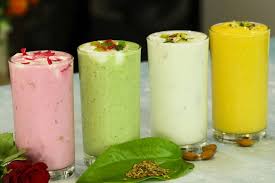
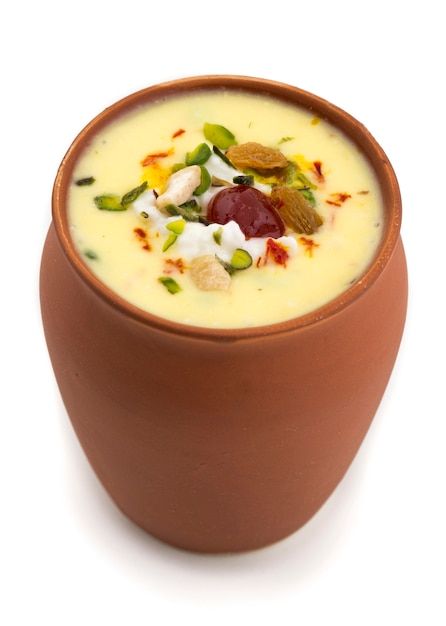
Lassi is a yogurt-based drink made by blending curd (yogurt) with water, sugar, salt, or spices. It is naturally cooling, easy to digest, and packed with beneficial probiotics. Traditionally, lassi is served in a clay cup called a kulhad, which enhances flavor and keeps the drink chilled.
Why Lassi Is Popular Worldwide
- Naturally refreshing
- Easy and affordable to make
- Great for digestion
- Filled with healthy probiotics
- Many flavors and variations
- Perfect for summer hydration
- Loved in Indian restaurants globally
Lassi is more than just a drink—it represents India’s cultural warmth, hospitality, and love for wholesome food.
2. History and Cultural Importance of Lassi
Lassi originated more than 3,000 years ago and is mentioned in ancient Ayurvedic texts. It was traditionally prepared as a fermented beverage to promote gut health and cooling.
In Ancient India
Lassi was consumed to:
- Cool the body during hot summers
- Boost digestion
- Provide energy to farmers and laborers
Ayurvedic Importance
According to Ayurveda:
- Lassi balances digestive fire
- Strengthens immunity
- Aids nutrient absorption
- Reduces acidity
Global Spread
With the rise of Indian cuisine worldwide, lassi—especially mango lassi—became a global trend, served in cafes and restaurants from New York to Dubai.
3. Types of Lassi

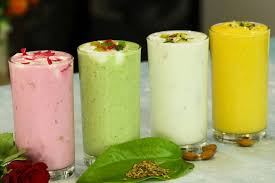
Lassi’s greatest beauty lies in its versatility. Here are the most popular types:
1. Sweet Lassi
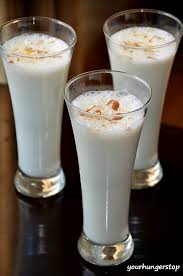
The classic version made with yogurt, sugar, cardamom, and water.
2. Salted Lassi
Savory lassi flavored with salt, roasted cumin, and mint.
3. Mango Lassi
A worldwide favorite made with ripe mango pulp and yogurt.
4. Rose Lassi
Flavored with rose syrup or rose water for a floral aroma.
5. Strawberry Lassi
A fruity, refreshing version using fresh strawberries.
6. Banana Lassi
Thick, nutritious, and naturally sweet.
7. Dry Fruit Lassi
Made with almonds, cashews, pistachios, and saffron.
8. Masala Lassi
Spiced with black salt, cumin, mint, and ginger.
9. Malai Lassi
Creamy Punjabi-style lassi topped with a layer of malai.
10. Chocolate Lassi
A modern fusion using cocoa or chocolate syrup.
11. Coconut Lassi
A tropical blend of yogurt and coconut milk.
12. Sugar-Free Lassi
Perfect for diabetics or fitness enthusiasts.
4. Ingredients Used in Lassi
Base Ingredients
- Yogurt (curd)
- Water or milk
- Sugar or salt
Flavoring Ingredients
- Cardamom
- Mint
- Honey
- Fruit puree
- Rose syrup
- Saffron
- Dry fruits
- Cocoa or chocolate
Garnishes
- Pistachio flakes
- Rose petals
- Mint leaves
- Saffron
- Almond slivers
5. How to Make Lassi at Home (Step-by-Step)

Sweet Lassi Recipe
Ingredients
- 1 cup chilled yogurt
- ½ cup cold water
- 2–3 tbsp sugar
- ¼ tsp cardamom
- Ice cubes (optional)
Steps
- Combine yogurt, sugar, cardamom, and water in a blender.
- Blend until frothy and smooth.
- Pour into a chilled glass.
- Garnish with pistachios or saffron.
Salted Lassi Recipe
Ingredients
- 1 cup yogurt
- ½ cup cold water
- ½ tsp roasted cumin powder
- Salt to taste
- A few mint leaves
Steps
- Add yogurt, salt, cumin, and water to a blender.
- Blend for 20–30 seconds.
- Garnish with mint leaves.
6. Regional Varieties of Lassi in India
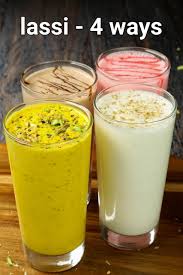
Punjabi Lassi
Thick, rich, often topped with cream or butter.
Banarasi Lassi
Served with rabri, saffron, and dry fruits in a clay pot.
Rajasthani Lassi
Flavored with cardamom, rose petals, and nuts.
Gujarati Chaas
A thin, spiced version often enjoyed with meals.
South Indian Neer Mor
A light, savory buttermilk flavored with curry leaves, ginger, and green chillies.
7. Health Benefits of Lassi
Lassi is not only delicious but also extremely nutritious.
1. Improves Digestion
Probiotics help maintain a healthy gut.
2. Boosts Immunity
Healthy bacteria strengthen your immune system.
3. Keeps You Hydrated
Especially effective in hot climates.
4. Good for Bones
Rich in calcium and vitamin D.
5. Aids Weight Management
Improves metabolism.
6. Reduces Acidity
Balances stomach pH levels.
7. Good for Skin
Promotes healthy, glowing skin.
8. Nutritional Value of Lassi
Approximate Nutrition per 250ml
- Calories: 150–200
- Carbohydrates: 20–30g
- Protein: 6–10g
- Fat: 4–6g
- Calcium: High
- Probiotics: Rich
Low-fat, low-sugar versions can be made for health-conscious individuals.
9. Modern Variations Popular in Cafes & Social Media
1. Oreo Lassi
A dessert-style drink with crushed Oreos.
2. Avocado Lassi
Creamy and perfect for fitness lovers.
3. Coffee Lassi
A caffeinated twist for coffee fans.
4. Blueberry Lassi
Rich in antioxidants.
5. Matcha Lassi
Fusion of Japanese matcha and Indian yogurt.
These modern variations are great for Instagram and SEO boosts.
10. Tips for Making Perfect Restaurant-Style Lassi
1. Use Thick Yogurt
It creates a creamy and rich texture.
2. Chill Ingredients
Cold ingredients enhance taste.
3. Avoid Too Much Water
Keeps lassi thick.
4. Blend Only for 20–30 Seconds
Over-blending makes it thin.
5. Add Ice Later
Prevents watery consistency.
6. Garnish Well
Presentation matters!
11. Lassi vs Buttermilk vs Smoothie
| Drink | Texture | Base | Flavor | Use |
|---|---|---|---|---|
| Lassi | Thick | Yogurt | Sweet/Salty | Refreshment |
| Buttermilk (Chaas) | Thin | Diluted curd | Savory | Digestion |
| Smoothie | Thick | Yogurt + fruit | Sweet | Meal replacement |
12. Best Time to Drink Lassi
- Afternoon (improves digestion)
- Summer seasons
- With or after lunch
- For breakfast when mixed with fruit
Avoid drinking late at night.
13. Storage and Serving Tips
Storage
- Refrigerate for up to 12 hours
- Do not freeze
Serving Tips
- Serve in a clay cup for authenticity
- Add nuts or saffron for a rich flavor
- Always serve chilled
14. Common Mistakes to Avoid
❌ Using watery curd
Prevents thick consistency.
❌ Over-blending
Breaks down the yogurt.
❌ Adding too much sugar
Overpowers natural flavor.
❌ Not chilling the ingredients
Reduces taste quality.
15. Frequently Asked Questions (FAQ)
1. Is lassi healthy?
Yes! It is rich in probiotics, calcium, and protein.
2. Can I drink lassi daily?
Yes, if you avoid heavy sugar versions.
3. Does lassi help with digestion?
Absolutely—its probiotics improve gut health.
4. Is mango lassi good for health?
Yes, but it contains more calories due to mango and sugar.
5. Can diabetics drink lassi?
Yes, using sugar-free or low-sugar versions.
6. What is the difference between lassi and chaas?
Lassi is thick; chaas is thin and savory.
7. Does lassi cause weight gain?
Only if consumed with lots of sugar and cream.
8. Which yogurt is best for lassi?
Thick, unsweetened, homemade yogurt.
9. Can lassi be stored overnight?
Fresh is best, but it can last 10–12 hours in the fridge.
10. Is lassi good in winter?
Yes, but avoid chilled lassi in cold weather.

16. Conclusion
Lassi is a timeless beverage that beautifully blends tradition, health, and flavor. From classic sweet and salted versions to modern café-style creations like chocolate or avocado lassi, this drink has something for everyone. Rich in probiotics, vitamins, and minerals, lassi is not only delicious but also incredibly beneficial for health.
This detailed guide explored everything about lassi—its origin, types, recipes, benefits, nutrition, variations, mistakes to avoid, and a useful FAQ section. Whether you’re a food blogger, café owner, or simply a lover of refreshing drinks, lassi is a perfect addition to your culinary journey.