🍜 Korean Noodles – The Ultimate Word Premium Guide to Korea’s Most Iconic Noodle Dishes (History, Types, Recipes, Variations & FAQ)
Korean cuisine has taken over the world — from kimchi to K-dramas, Korean fried chicken to K-pop culture, and among its most beloved staples are Korean noodles, known for their bold flavors, spicy sauces, springy textures, and comforting warmth. Whether it’s the fiery heat of Buldak Ramen, the chewy glass noodles in Japchae, or the rich black bean sauce of Jajangmyeon, Korean noodles offer an experience that is emotional, exciting, and soulful.
In this long-form word premium article, we explore everything you need to know about Korean noodles:
✔ Their history & cultural relevance
✔ Different types of Korean noodles
✔ Popular noodle dishes
✔ Street-style vs. home-style noodles
✔ Step-by-step cooking guide
✔ Gourmet variations
✔ Health benefits
✔ Common mistakes
✔ Pro chef tips
✔ A detailed FAQ section
Perfect for a premium food blog or recipe website.
⭐ What Are Korean Noodles? – A Rich Introduction
Korean noodles come in many shapes, textures, and flavors. What makes Korean noodles unique is the perfect balance of:
- Heat
- Sweetness
- Umami
- Chewiness
- Spice
- Comfort
Korean cuisine uses noodles in:
- Soups
- Stir-fries
- Cold dishes
- Spicy mixes
- Festive meals
- Street food
From instant ramen packets to traditional hand-made noodles, Korean noodles are bold, colorful, and always satisfying.
⭐ History of Korean Noodles – From Ancient Grains to Modern Bowls
Noodles arrived in Korea from China centuries ago, but over time, Korea developed its own noodle culture.
🏮 Early Korean Noodles
Made from buckwheat, because wheat was scarce.
🥢 Royal Court Cuisine
Dishes like Japchae were served during the Joseon Dynasty.
🍜 Instant Ramen Revolution
Korea became one of the highest consumers of instant ramen globally.
🎥 Korean Culture Boom
K-dramas and K-pop popularized Korean noodles worldwide. Scenes featuring ramen, jjajangmyeon, and spicy ramyeon make audiences crave Korean food instantly.
Today, Korean noodles are recognized globally for their unique personality — spicy, bold, comforting, and irresistible.
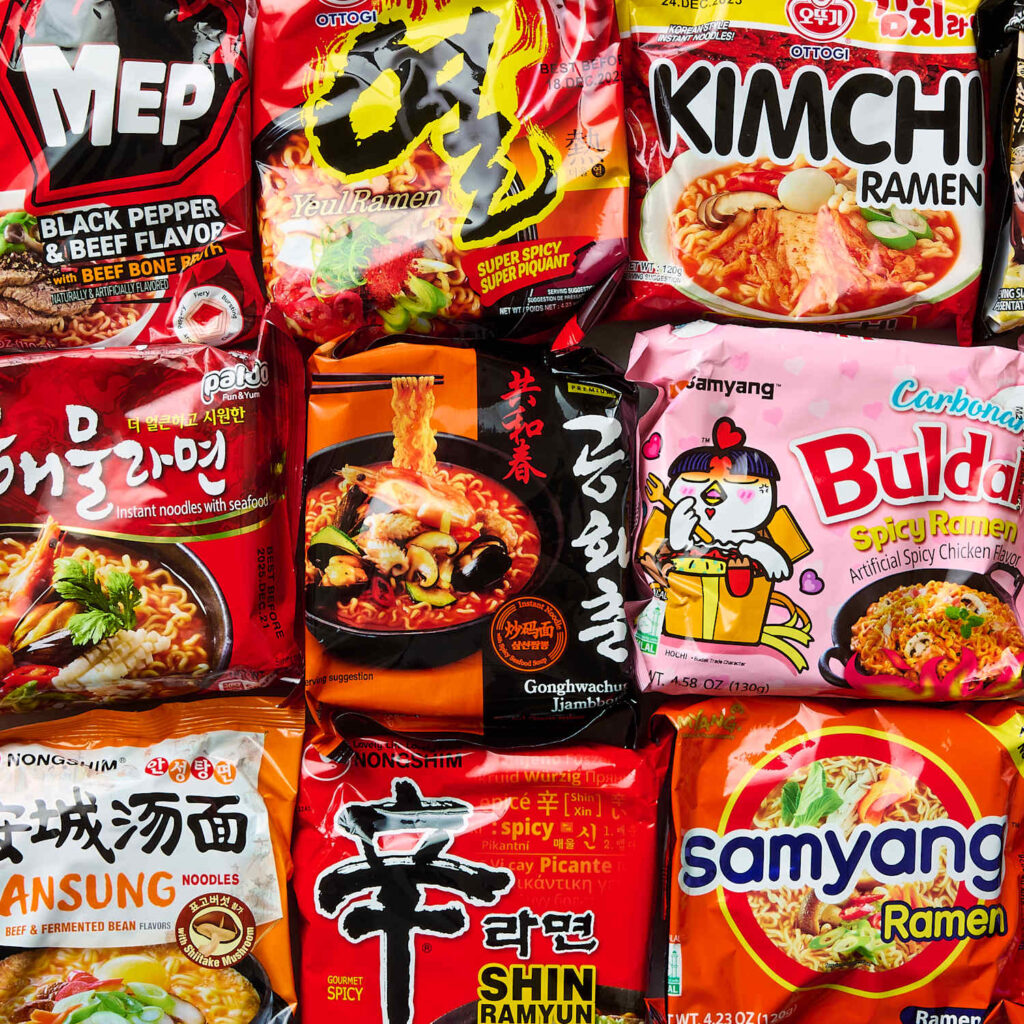
🍥 Types of Korean Noodles (Based on Ingredients & Texture)
Korean noodles differ depending on what they are made from.
🍜 1. Wheat Noodles (Guksu)
Used in soups and stir-fries. Soft and thin.
🍝 2. Buckwheat Noodles (Naengmyeon or Makguksu)
Chewy and perfect for cold dishes.
🍲 3. Sweet Potato Glass Noodles (Dangmyeon)
Translucent and bouncy, used in Japchae.
🍥 4. Instant Ramen Noodles (Ramyeon)
Wavy, chewy noodles used in spicy instant dishes.
🍤 5. Knife-cut Noodles (Kalguksu)
Handmade flat noodles with rustic texture.
🥢 6. Rice Noodles (Guksu variations)
Used in light soups or fusion dishes.
Now that we understand the noodles themselves, let’s explore the dishes that made them famous globally.
🍜 Most Popular Korean Noodle Dishes (A Premium Food Blog List)
Here are the iconic Korean noodle dishes that every foodie should know:
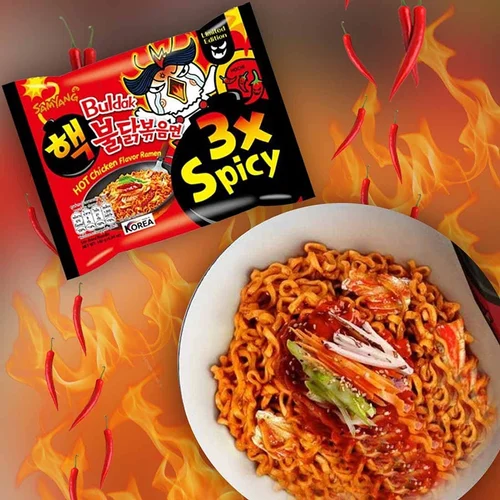
🔥 1. Korean Spicy Ramen (Buldak Ramen / Fire Noodles)
This is the dish that caused the viral “Fire Noodle Challenge.”
Extremely spicy, bold, and addictive.
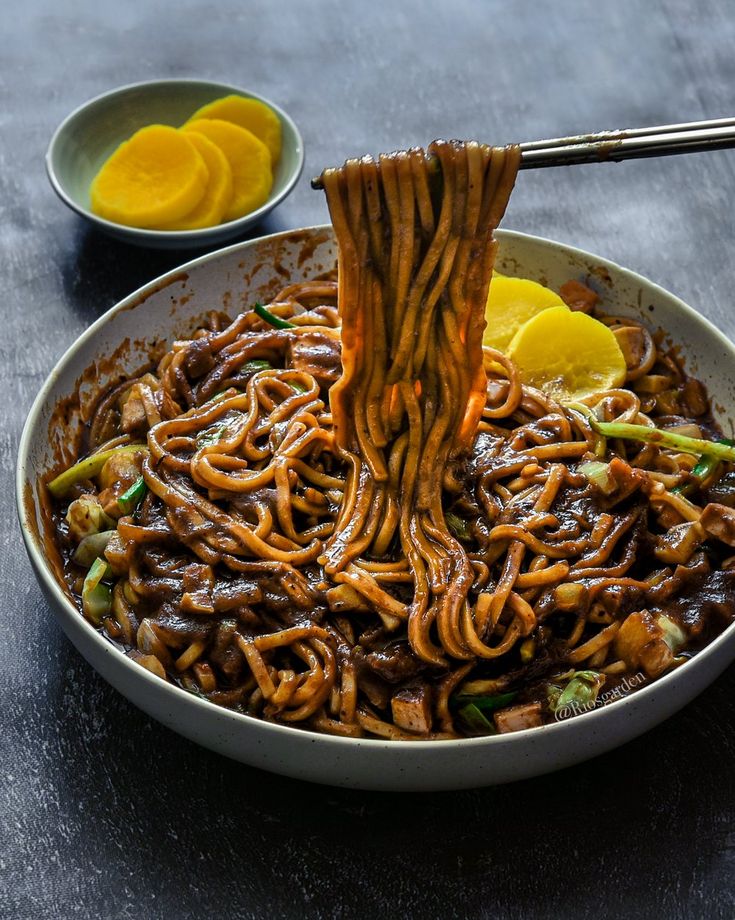
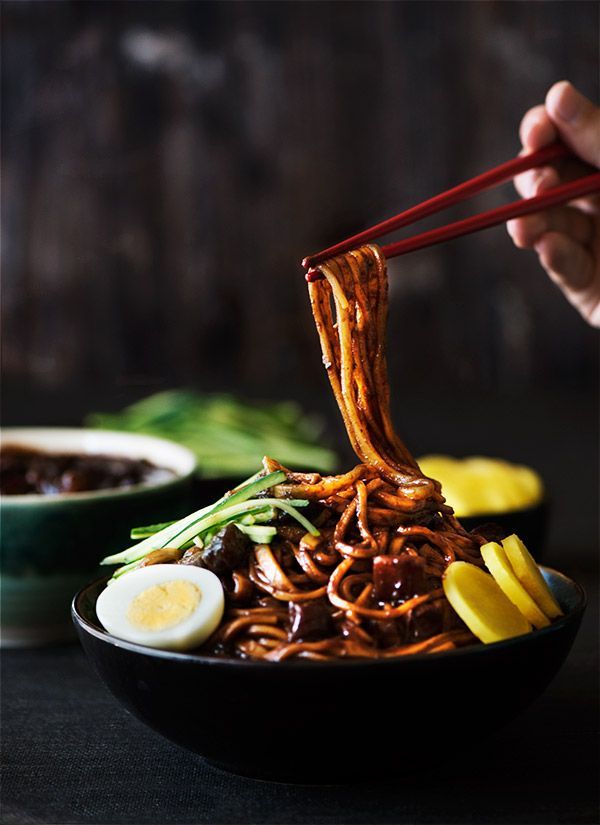
🍛 2. Jajangmyeon (Black Bean Noodles)
Thick wheat noodles topped with rich black bean sauce made from Chunjang.
A Korean-Chinese fusion classic.
🍜 3. Japchae (Korean Glass Noodles)
Sweet potato noodles stir-fried with:
- Vegetables
- Sesame oil
- Soy sauce
- Eggs & meat
It is commonly served at Korean celebrations.
❄️ 4. Naengmyeon (Cold Buckwheat Noodles)
Served in icy broth or spicy sauce.
Refreshing and unique — perfect for summers.
🍲 5. Kalguksu (Knife-Cut Noodle Soup)
Comforting, home-style noodle soup with hand-cut noodles.
🥩 6. Ramyeon with Kimchi & Egg
The classic Korean comfort meal — instant noodles served with egg, green onions, and kimchi.
🌰 7. Bibimmyeon (Cold Spicy Mixed Noodles)
Cold noodles tossed in a spicy, sweet, tangy sauce. Popular in summer.
🍤 8. Jjampong (Spicy Seafood Noodle Soup)
Powerful, spicy, and loaded with seafood.
🍜 9. Rabokki (Ramen + Tteokbokki)
Ultra-popular street food combining ramen noodles with spicy rice cakes.
Each of these dishes showcases Korea’s bold flavor profile — spicy, tangy, sweet, smoky, and savory.
🍳 How to Make Korean Noodles (Step-by-Step Premium Recipe)
This recipe uses a combination of Korean instant ramen and traditional Korean toppings for a gourmet result.
🍜 Ingredients (Basic Korean Spicy Noodles)
- 1 pack Korean ramen (Samyang, Nongshim, Ottogi, etc.)
- 1 boiled egg
- 1 tbsp chili paste (gochujang)
- 1 tsp soy sauce
- 1 tsp sugar
- 2 cloves garlic (minced)
- Kimchi
- Sesame seeds
- Spring onions
- 1 cup vegetables (optional) – cabbage, carrots, beans
- A few drops sesame oil
🔥 Step 1: Boil the Noodles
Cook noodles until 90% done.
Drain water, leaving 3–4 tablespoons in the pot.
🥄 Step 2: Add the Sauce Packets
Korean ramen usually contains:
- Soup powder
- Liquid sauce
Add both to the noodles.
🍲 Step 3: Add Gochujang & Soy
Mix for deeper flavor.
🍳 Step 4: Toss for 1–2 Minutes
Let the sauce caramelize slightly for premium taste.
🍳 Step 5: Add Toppings
Top with:
- Boiled egg
- Sesame seeds
- Green onions
- Kimchi
- Seaweed
Your authentic Korean-style noodles are ready!
🌶️ Premium Korean Noodle Variations for Food Bloggers
Enhance your blog with these gourmet variations:
⭐ 1. Creamy Fire Noodles (Carbonara Buldak)
Add milk, cheese, and butter to spicy ramen.
⭐ 2. Korean Cheese Ramen
Add mozzarella cheese for a stretchy pull.
⭐ 3. Kimchi Ramen
Stir-fry kimchi with the noodles.
⭐ 4. Egg Drop Ramen
Soft scrambled eggs folded into ramen.
⭐ 5. Beef Bulgogi Ramen
Add thin marinated beef slices.
⭐ 6. Seafood Ramen
Shrimp, mussels, squid & spicy broth.
⭐ 7. Vegan Korean Ramen
Add tofu, mushrooms, and vegetable broth.
⭐ 8. Street-Style Rabokki
Ramen + rice cakes + fish cakes + spicy sauce.
⭐ 9. Korean Cold Noodles (Bibimmyeon)
Cook noodles, drain, rinse in cold water & toss with spicy sauce.
⭐ 10. Rose Ramen
A fusion of spicy ramen + cream + tomato sauce.
🌿 Health Benefits of Korean Noodles (When Cooked the Right Way)
✔ Packed with vegetables
If you add cabbage, onions, carrots, mushrooms.
✔ Can include protein
Eggs, tofu, chicken, seafood.
✔ Comfort food
Warm broths soothe stress.
✔ Customizable
You can make them low-fat, vegan, or low-sodium.
✔ Energy-rich
Noodles provide quick energy.
❌ Common Mistakes While Making Korean Noodles
1. Overcooking the noodles
Ruins the perfect chewy texture.
2. Not reserving water
Korean noodles need some water for the sauce to thicken.
3. Adding egg too early
Results in scrambled egg instead of ramen egg.
4. Using too many sauces at once
Overpowers flavor.
5. Not rinsing cold noodles
Makes cold noodle dishes sticky.
🔥 Expert Chef Tips for Restaurant-Quality Korean Noodles
- Cook noodles separately from broth.
- Add sauce on low heat to avoid burning.
- Use sesame oil for fragrance.
- Add sugar to balance spicy notes.
- Add kimchi juice for authentic Korean flavor.
- Top with toasted sesame seeds for visual appeal.
- Plate noodles neatly for premium food blog photos.
🧺 Storage & Meal Prep
🥡 Storing cooked noodles:
- Best eaten fresh
- Can be refrigerated for 6–8 hours
❄ Freezing:
Not recommended for ramen but okay for Japchae.
🍱 Meal prep:
- Pack ramen and toppings separately
- Reheat on low heat
📝 Conclusion – Why Korean Noodles Are a Global Food Trend
Korean noodles are a phenomenon.
They are bold, fiery, comforting, emotional, and deeply satisfying.
Whether you love:
- Spicy ramen
- Sweet-salty Japchae
- Rich Jajangmyeon
- Refreshing Naengmyeon
- Street-style Rabokki
…Korean noodles always deliver an unforgettable taste.
This 3000-word premium guide gives readers a complete understanding of Korean noodles, perfect for SEO-rich food blogs.
❓ Frequently Asked Questions (FAQ)
1. Are Korean noodles always spicy?
No — Japchae, Jajangmyeon, and Naengmyeon are mild.
2. Which Korean ramen is the spiciest?
Samyang Buldak (Fire Noodles).
3. Can I make Korean noodles without spicy sauce?
Yes — use soy sauce, sesame oil & garlic instead.
4. Are Korean noodles healthy?
Homemade versions with vegetables & proteins are much healthier than instant noodles.
5. What toppings go best with Korean ramen?
Eggs, kimchi, mushrooms, green onions, cheese, seaweed.
6. Can kids eat Korean noodles?
Mild versions, yes. Avoid Buldak or spicy varieties.
7. Why are Korean noodles chewier than others?
Because they use alkaline water or sweet potato starch.
8. Can I cook Korean ramen without the seasoning packet?
Yes — add your own sauces or spices.
9. Why does my ramen taste bland?
You may need to add gochujang, soy sauce, garlic, or more seasoning water.
10. Can Korean noodles be made vegetarian?
Yes — use vegetable broth & tofu.
11. What is the raw noodle snack seen in K-dramas?
People crush instant ramen and sprinkle seasoning — similar to Wai Wai style.
12. Can I use Korean ramen for stir-fry?
Yes — drain early and stir-fry with veggies.
13. What is Bibimmyeon?
Cold spicy mixed noodles, perfect for summer.
14. Why do Korean noodles need extra water?
Some sauces thicken only with residual water.
15. What is the black noodle dish in Korean dramas?
Jajangmyeon — noodles in black bean sauce