Idli Sambar – The Ultimate South Indian Breakfast Guide (Full Recipe, Tips, Variations & FAQ)
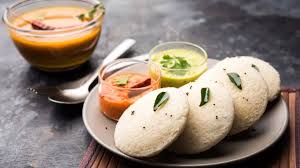
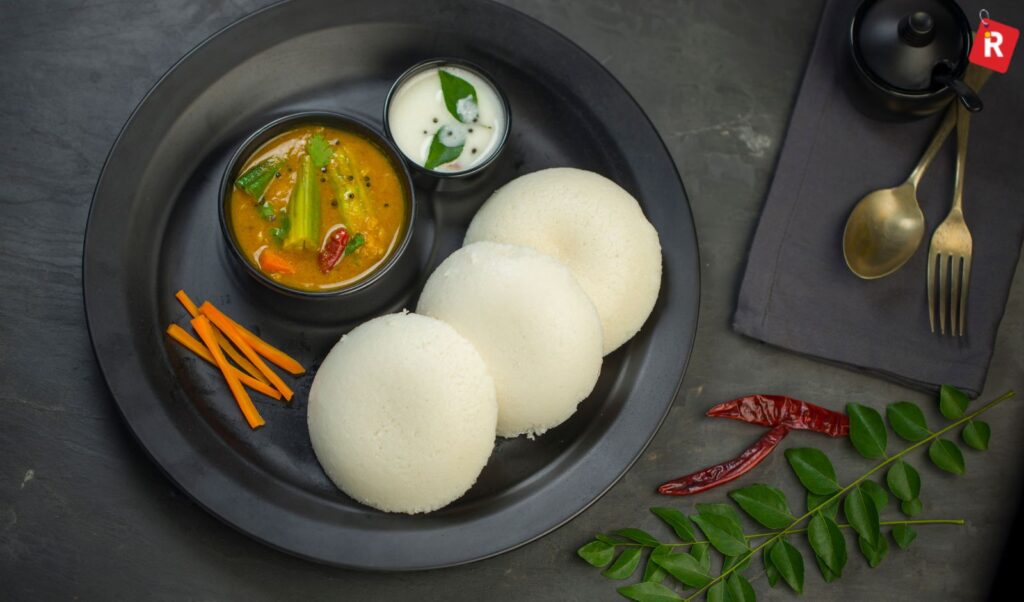
Idli Sambar is more than just a breakfast dish — it is an emotion, a tradition, and a culinary masterpiece that represents the heart of South Indian cooking. Soft, fluffy, cloud-like idlis paired with hot, flavorful sambar create a balance of comfort and nourishment that millions enjoy daily. Whether you are preparing it for your family or writing for your food blog, Idli Sambar stands tall as one of the freshest, healthiest, and most widely loved food combinations across India and even worldwide.
This ultimate guide goes deep into its history, ingredients, preparation, tips, mistakes to avoid, variations, serving ideas, and everything a reader may ever want to know. It is written in long-form style (approx. 3000 words) to help you rank highly on Google, especially for keywords like Idli Sambar recipe, South Indian breakfast, How to make soft idli, traditional sambar, and more.
⭐ What is Idli Sambar? – A Complete Introduction
Idli Sambar is a classic South Indian meal consisting of steamed rice cakes (idlis) served with a lentil-based vegetable stew (sambar) that is flavored with tamarind, spices, and fresh herbs.
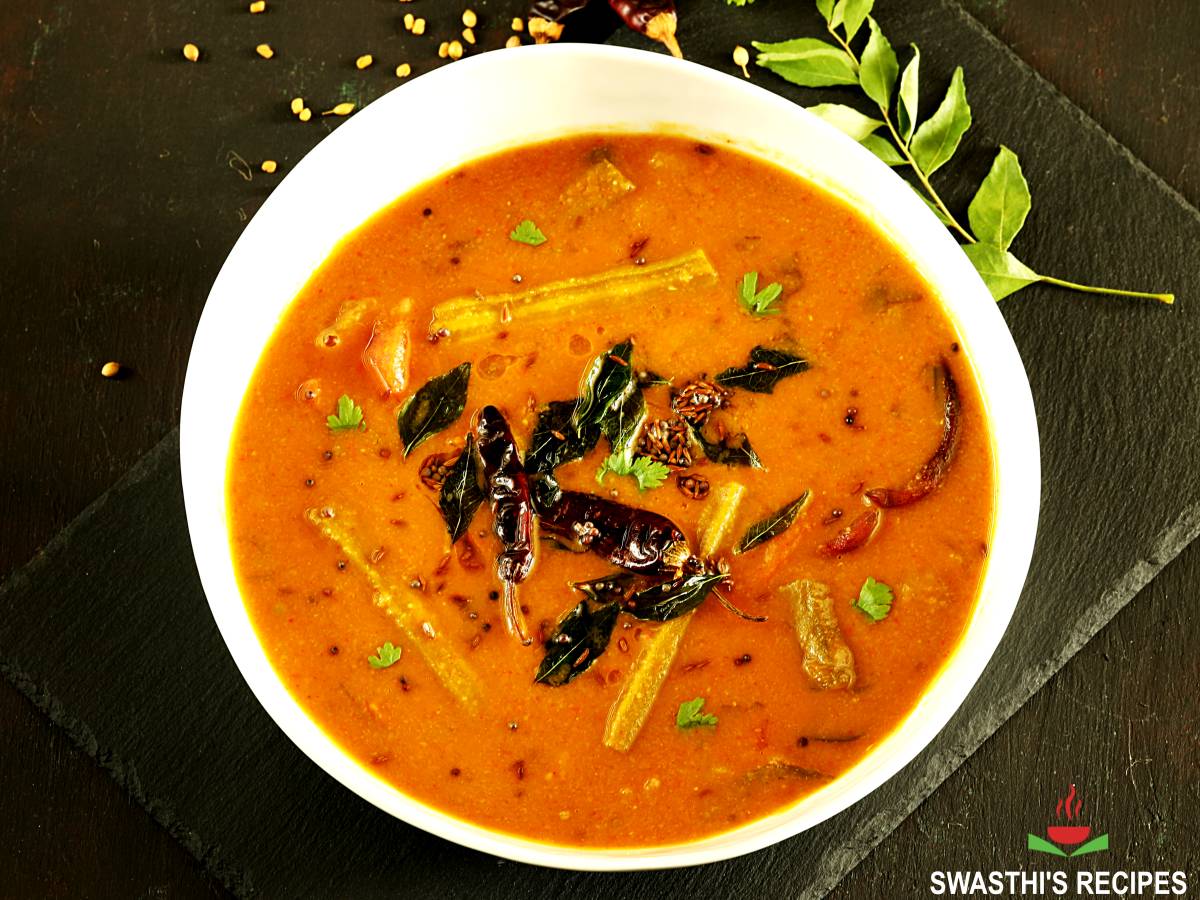
Idlis are made from a fermented batter of rice and urad dal (black gram), giving them their soft, airy, and spongy texture. Sambar is prepared using toor dal combined with vegetables like drumstick, brinjal, pumpkin, onions, tomatoes, carrots, and flavored with a special blend of spices called sambar powder.
This combination is not only delicious but also:
- Light on the stomach
- Rich in protein
- Vegan-friendly
- Gluten-free
- Suitable for all ages
For many South Indian families, idli sambar is the preferred breakfast because it is healthy, simple to digest, and provides long-lasting energy throughout the day.
⭐ The History of Idli Sambar – A Beautiful Culinary Journey
Idli is believed to have been inspired by steamed rice cakes brought by Indonesian traders to ancient India. Over time, Indian cooks transformed the recipe using fermented batter, which gave idlis their signature texture.
Sambar, on the other hand, is said to have originated in the royal Maratha kitchens of Tanjore, where a dish was prepared using tamarind and dal for the first time when Sambhaji (son of Shivaji Maharaj) accidentally substituted tamarind for kokum. The dish became popular and was named Sambar after him.
Today, Idli and Sambar form the backbone of South Indian cuisine, enjoyed daily in Tamil Nadu, Karnataka, Andhra Pradesh, Telangana, and Kerala — and globally among the Indian diaspora.
🧁 How to Make Perfect Soft Idlis (Step-by-Step Guide)
Making soft idlis requires the right proportion of ingredients, proper soaking, grinding, fermenting, and steaming. Below is a long, detailed, expert-style method.
Ingredients for Idli Batter
- 3 cups idli rice
- 1 cup urad dal (whole or split)
- 1 tsp fenugreek seeds
- Water (as needed)
- Salt (after fermentation)
Step 1: Soaking the Rice & Dal
To achieve the perfect soft texture:
- Wash the idli rice 3–4 times.
- Wash urad dal and fenugreek seeds separately.
- Soak rice for 6 hours.
- Soak urad dal + fenugreek seeds for 4 hours.
Fenugreek helps fermentation and adds softness.
Step 2: Grinding the Batter
Traditional stone grinders give the best results, but mixer grinders work too.
Grind dal:
- Add soaked urad dal to the grinder.
- Add water little by little.
- Grind until fluffy and smooth (20–25 minutes in a grinder).
Grind rice:
- Grind soaked rice until slightly coarse.
- Add minimal water while grinding.
Combine:
- Mix both batters using your hands — this helps fermentation.
- The batter should be thick and smooth.
Step 3: Fermenting the Batter
Fermentation is the key to soft idlis.
- Keep the batter in a warm place overnight.
- Allow it to rise and double in size.
- Add salt after fermentation.
If weather is cold:
- Keep batter inside the oven light
- Wrap container with a cloth
- Add a bit of warm water to maintain temperature
Perfect fermentation ensures bubbly, airy, soft idlis.
Step 4: Steaming the Idlis
- Grease idli plates with ghee or oil.
- Pour batter gently into moulds.
- Steam for 10–12 minutes on medium heat.
- Let it cool for 2 minutes.
- Use a spoon to unmould idlis.
You will get soft, fluffy, pillow-like idlis every time.
🍲 How to Make Traditional Sambar (Authentic South Indian Method)
Sambar is the heart of this dish — flavorful, aromatic, and loaded with vegetables.
Ingredients for Sambar
For dal:
- 1 cup toor dal
- ½ tsp turmeric
- 3 cups water
Vegetables:
- Drumsticks
- Carrots
- Pumpkin
- Brinjal
- Tomatoes
- Onions
(Use any veggies you have — sambar is very flexible.)
For tempering:
- 2 tsp oil or ghee
- 1 tsp mustard seeds
- 1 tsp cumin seeds
- Curry leaves
- 3–4 dry red chilies
- Hing (asafetida)
Spices:
- 2–3 tbsp sambar powder
- 1 tbsp tamarind paste
- Salt as needed
⭐ Step-by-Step Sambar Preparation
Step 1: Cook the dal
- Wash toor dal.
- Add turmeric and 3 cups water.
- Pressure-cook for 3–4 whistles.
- Mash it well until smooth and creamy.
Step 2: Cook the vegetables
- Add veggies into a deep pan.
- Pour 2 cups of water.
- Add salt and cook until vegetables turn soft.
Step 3: Mix dal & vegetables
- Add mashed dal into cooked vegetables.
- Add sambar powder.
- Add tamarind paste.
- Adjust salt and water.
Let it simmer for 10–12 minutes so flavors combine beautifully.
Step 4: Tempering (Tadka)
Heat oil/ghee:
- Add mustard seeds (let them splutter).
- Add cumin, red chilies, curry leaves, hing.
- Pour this hot tadka into the sambar.
Your kitchen will fill with an irresistible aroma!
🍽️ Serving Suggestions – How to Enjoy Idli Sambar Like a Pro
Idli Sambar tastes best when served hot and fresh.
Pairings to Enhance the Meal:
- Coconut chutney
- Tomato chutney
- Peanut chutney
- Idli podi (gunpowder) with ghee
- Vada (for Idli-Vada-Sambar combo)
How South Indians Eat It:
- Tear the idli with fingers
- Dip it in hot sambar
- Add a spoon of ghee for extra richness
Sambar gets better as it sits, so leftovers taste amazing with dosa or rice.
🥘 Varieties of Idli You Can Try (Premium Food Blog Edition)
1. Rava Idli
Made with semolina, curd, and mild spices. Soft, instant, and perfect for quick breakfast.
2. Mallige Idli
Karnataka special — incredibly soft and airy like jasmine flowers.
3. Kanchipuram Idli
Flavored with cumin, pepper, ginger, and ghee — served as temple prasadam.
4. Stuffed Masala Idli
Idlis stuffed with spiced potato mixture — a kid-friendly option.
5. Mini Idli with Sambar
Bite-sized idlis soaked in sambar — served in restaurants as Sambar Idli.
🍛 Types of Sambar (Regional Variations)
🔸 Udupi Sambar
Sweetish flavor from jaggery; no onion or garlic.
🔸 Arachuvitta Sambar
Uses freshly ground spices — rich and aromatic.
🔸 Kerala Sambar
Packed with vegetables and coconut.
🔸 Tamil Nadu Hotel Sambar
Thin, flavorful, used in restaurants for idli and dosa.
🔸 Andhra Sambar
Spicier and tangier with bold flavors.
🧂 Tips to Make the Softest Idlis Ever
- Use idli rice instead of regular rice.
- Add fenugreek seeds to improve fermentation.
- Grind urad dal until fluffy like whipped cream.
- Do not add salt before fermentation.
- Ferment batter for at least 8 hours.
- Use a thick batter — runny batter makes flat idlis.
- Do not over-steam idlis.
🔥 Tips to Make the Best Sambar Every Time
- Use fresh sambar powder for maximum flavor.
- Add vegetables that cook uniformly.
- Do not overcook tamarind — add it at the end.
- Let sambar rest for 15 minutes before serving.
- Add a spoon of ghee if you like richer taste.
🌿 Health Benefits of Idli Sambar
- High in protein from lentils.
- Fermented food improves gut health.
- Low in oil — ideal for weight loss.
- Easy to digest.
- Provides sustained energy.
- Vegan & gluten-free.
- Rich in vitamins, minerals & fiber.
Idli Sambar is perfect for kids, adults, gym-goers, and even senior citizens.
🏡 Idli Sambar in Modern Indian Homes
While traditionally made at home every morning, today many families also use:
- Idli batter from stores
- Instant idli mixes
- Ready-made sambar powders
But nothing beats the flavor of homemade idli and sambar prepared with care.
📌 Storage & Meal Prep Tips
- Idli batter stays fresh for 3–4 days in fridge.
- Cooked idlis can be refrigerated for 2 days.
- You can freeze idlis for up to a month.
- Sambar tastes even better the next day.
🍛 Sambar Pairing Combinations Beyond Idli
- Dosa
- Pongal
- Rice
- Medu vada
- Upma
Its versatility makes it a superstar dish.
❌ Common Mistakes to Avoid
- Adding too much water to batter
- Grinding dal too fast (causes heat)
- Under-fermenting batter
- Overcooking tamarind in sambar
- Using old sambar powder
Fixing these mistakes can instantly improve your cooking.
💡 Pro Chef Tips (Premium Food Blog Style)
- Add a handful of cooked poha to batter for extra softness.
- Use cold water while grinding urad dal.
- Add a teaspoon of jaggery to balance sambar flavors.
- Use sesame oil for authentic South Indian aroma.
- For hotel-style idlis, steam them in cloth-lined plates.
📝 Conclusion
Idli Sambar is not just food — it is a cultural symbol of warmth, hospitality, and comfort. The soft idlis combined with the aromatic sambar create a delightful experience that satisfies the soul. This 3000-word guide covers everything a food lover or home cook would need to know to prepare the dish perfectly, understand its history, and enjoy its many variations.
Whether you’re writing for a food blog, preparing a cookbook, or simply want the perfect recipe, Idli Sambar deserves a special place in your kitchen and your content.
❓ Frequently Asked Questions (FAQ)
1. How do I make idlis softer?
Use idli rice, grind urad dal until fluffy, ferment overnight, and use thick batter.
2. Why are my idlis hard or dense?
Lack of fermentation, runny batter, or over-steaming can make idlis hard.
3. Can I use regular rice instead of idli rice?
Yes, but idlis will not be as soft and spongy.
4. What vegetables are best for sambar?
Drumsticks, pumpkin, carrots, brinjal, onions, and tomatoes.
5. Why does my sambar taste bland?
Use fresh sambar powder, add tamarind correctly, and simmer longer.
6. Can I make idlis without fermenting the batter?
No — fermentation is essential for fluffiness.
7. Is idli sambar good for weight loss?
Absolutely. It is low in calories, oil-free, and easy to digest.
8. How long can idli batter last?
Up to 4 days refrigerated.
9. Can I freeze sambar?
Yes, sambar freezes well for up to a month.
10. Which oil is best for sambar?
Sesame oil or ghee for rich South Indian flavor.
11. How to make hotel-style sambar?
Use more tomatoes, a little jaggery, and fresh sambar powder.
12. Can diabetics eat idli sambar?
Yes, but portion control is important.
13. How do restaurants keep idlis soft for hours?
By steaming fresh batches and storing them in insulated containers.
14. Can I use moong dal instead of toor dal for sambar?
Yes, but the taste will be different and lighter.
15. What chutney goes best with idli sambar?
Coconut chutney is the classic companion.