Introduction: The Pride of Rajasthani Cuisine
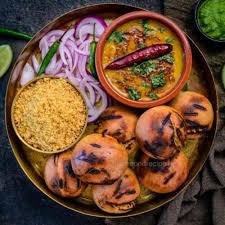
Dal-Bhaati is more than just food—it is a symbol of Rajasthani tradition, hospitality, and heritage. Prepared with simple ingredients like wheat, lentils, and ghee, this dish represents the warmth of desert culture, where locals created wholesome meals that could sustain energy for long hours in extreme climates.
Dal (lentil curry) combined with Bhaati (baked wheat dumplings) creates a perfect balance of protein, carbs, spices, and richness. The smoky aroma, the buttery texture, and the earthy flavours make Dal-Bhaati a soul-satisfying dish loved across India and Nepal as well.
This 2000-word premium guide explains how to make Dal-Bhaati, the taste profile, history, nutritional value, chef tips, serving styles, and a high-quality FAQ section.
🌾 What Is Dal-Bhaati?
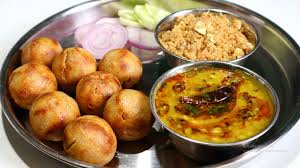
✔ Dal
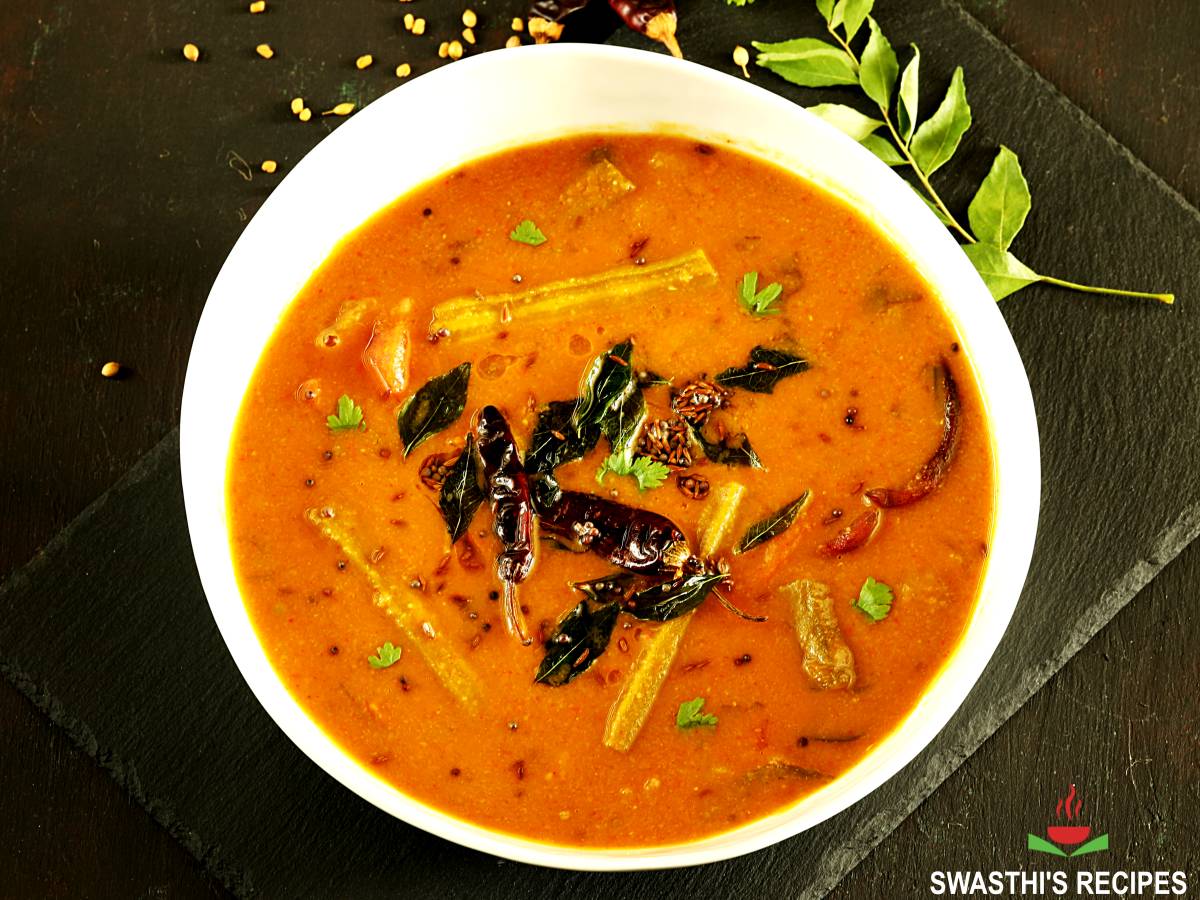
A spicy, aromatic lentil curry usually made from a mixture of:
- Toor dal
- Chana dal
- Moong dal
- Urad dal
Tempered with ghee, garlic, cumin, and whole spices, dal becomes rich and flavorful.
✔ Bhaati
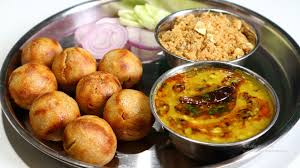
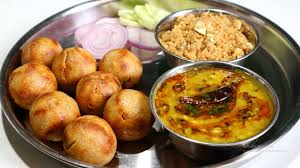
A hard, round, baked wheat dumpling traditionally cooked in charcoal or cow-dung fire.
It has:
- A crispy outer shell
- Soft, fluffy interior
- Smoky taste
Bhaati absorbs ghee and dal beautifully, giving a satisfying, royal eating experience.
🥘 The Origin & Cultural Importance of Dal-Bhaati
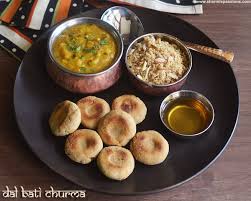
Dal-Bhaati comes from Rajasthan, the land of warriors and deserts. In the olden days:
- Soldiers baked bhaatis underground
- They used minimal water
- Dal provided protein
- Ghee kept the body energetic
- The meal stayed edible for long hours
Over time, Dal-Bhaati became a royal dish served at festivals, marriages, and community feasts (pallus). Today, it is one of the most iconic meals of North India.
🍲 The Taste of Dal-Bhaati
Dal-Bhaati offers a rich, rustic, earthy, smoky, and buttery flavor profile.
✔ Taste of Dal
- Creamy
- Mildly spicy
- Garlic-infused
- Aromatic
- Balanced
✔ Taste of Bhaati
- Crispy outside
- Soft inside
- Smoky
- Slightly nutty flavor from wheat
✔ Taste When Combined
When hot dal is poured over crushed bhaati and topped with ghee, the taste becomes:
- Melt-in-the-mouth
- Rich
- Comforting
- Warm
- Extremely satisfying
🧑🍳 How to Make Dal-Bhaati: Complete Premium Recipe
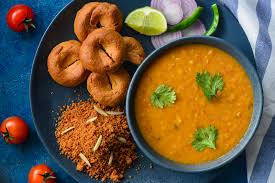
Below is a detailed, professional method.
🍛 Ingredients for Dal
- ½ cup toor dal
- ¼ cup chana dal
- 2 tbsp moong dal
- 1 tbsp urad dal
- 1 chopped onion
- 2 chopped tomatoes
- 1 tbsp ginger-garlic paste
- 1–2 green chillies
- ½ tsp turmeric
- 1 tsp coriander powder
- 1 tsp red chilli powder
- Salt as needed
For Tempering (Tadka)
- 2 tbsp ghee
- 1 tsp cumin
- 4–5 garlic cloves (sliced)
- 1 dried red chilli
- 1 pinch hing
- Fresh coriander leaves
🍞 Ingredients for Bhaati
- 3 cups wheat flour
- ½ cup semolina (sooji)
- 4 tbsp ghee
- Salt to taste
- Warm water
⭐ Step-by-Step Method to Make Dal-Bhaati
🥘 Step 1: Prepare the Dal
- Wash all dals together.
- Add dal, turmeric, salt, and 3 cups water to a cooker.
- Cook for 3–4 whistles.
- Heat oil/ghee in a pan.
- Add cumin, garlic, dried red chilli, and hing.
- Add onion, tomatoes, and cook well.
- Add cooked dal and adjust consistency.
- Boil for 5–10 minutes.
- Garnish with coriander and extra ghee.
✔ Your dal is ready—rich, creamy, and aromatic.
🔥 Step 2: Prepare the Bhaati
- Mix flour, semolina, ghee, and salt.
- Add warm water slowly and knead a stiff dough.
- Rest for 15 minutes.
- Shape into round balls (bhaatis).
- Bake in a preheated oven at 220°C for 25–35 minutes, flipping halfway.
Traditional method: Cook in charcoal fire until golden brown. - Dip hot bhaatis in ghee or brush generously.
✔ Bhaati is ready—crispy, smoky, and golden.
🍽️ Step 3: Serve Dal-Bhaati Traditionally
- Crush hot bhaati on a plate
- Pour hot dal over it
- Add a spoon of melted ghee
- Serve with:
- Pickle
- Salad
- Papad
- Chutney
This is the authentic way to enjoy Dal-Bhaati.
🌟 Why Dal-Bhaati Is So Special
⭐ 1. Traditional
It connects you to centuries of Rajasthani history.
⭐ 2. Nutritious
High in protein, fiber, and healthy fats.
⭐ 3. Flavorful
Smoky, spicy, buttery, and earthy.
⭐ 4. Satisfying
One plate keeps you full for hours.
⭐ 5. Versatile
Can be combined with churma for dessert.
🍯 Churma: The Sweet Companion (Optional)
Dal-Bhaati is often served with churma—sweet, ghee-soaked crushed wheat.
Taste:
Sweet, grainy, aromatic, buttery.
Why add churma?
It balances:
- Spicy dal
- Smoky bhaati
- Rich ghee
Together, Dal-Bhaati-Churma forms a royal combo.
🥗 Nutritional Benefits
✔ Dal
- High protein
- Good for muscles
- Rich in iron
- Supports digestion
✔ Bhaati
- High fiber
- Long-lasting energy
- Good for digestive system
- Low sugar
✔ Ghee
- Healthy fats
- Boosts immunity
- Enhances flavor
Dal-Bhaati forms a balanced, wholesome meal.
🧂 Common Variations of Dal-Bhaati
⭐ 1. Masala Bhaati
Stuffed with paneer, peas, or spices.
⭐ 2. Paneer Dal-Bhaati
Dal cooked with soft paneer cubes.
⭐ 3. Tandoori Bhaati
Cooked in a tandoor; smoky flavor.
⭐ 4. Garlic Dal
Extra garlic for bold flavors.
⭐ 5. Bajra/Sorghum Bhaati
Healthier and more rustic.
🧑🍳 Chef Tips for Perfect Dal-Bhaati
⭐ For Dal
- Mix multiple dals for best taste
- Add ghee before serving
- Use smoky tadka for authentic flavor
- Add a little kasuri methi for aroma
⭐ For Bhaati
- Dough must be stiff
- Don’t add too much water
- Bake until hard and golden
- Dip in ghee immediately after baking
- For smoky flavor—use charcoal
🍽️ How Dal-Bhaati Is Served in Restaurants
Restaurants often serve:
- 2–3 bhaatis
- A bowl of dal
- Churma
- Papad
- Pickle
- Ghee bowl
- Salad
It creates a complete, royal Rajasthani thali experience.
🌍 Dal-Bhaati Around the World
Outside Rajasthan, Dal-Bhaati is enjoyed in:
- Nepal
- Gujarat
- Madhya Pradesh
- International Indian restaurants
In cities abroad, chefs bake bhaati in ovens or air fryers to maintain authenticity.
💭 The Experience of Eating Dal-Bhaati
Eating Dal-Bhaati is not just a meal—it is an experience:
- Breaking the hard bhaati
- Watching steam rise
- Pouring hot dal
- Adding rich ghee
- Savoring smoky bites
Every bite feels rustic, warm, and deeply satisfying.
❓ Premium FAQ About Dal-Bhaati
1. What does Dal-Bhaati taste like?
Smoky, buttery, mildly spicy, and earthy.
2. Why is my bhaati too hard?
The dough may be too stiff or undercooked.
3. Can I air fry bhaati?
Yes, air frying gives a similar crispy texture.
4. Which dal is best for Rajasthani dal?
A mix of toor, moong, chana, and urad.
5. Is ghee necessary?
It enhances the taste, but you can reduce it for a lighter meal.
6. Can I make dal without onion and garlic?
Yes, the traditional version uses only spices and tomatoes.
7. What to serve with dal-bhaati?
Churma, papad, pickle, salad, and additional ghee.
8. Why does Rajasthani dal taste smoky?
Because of fire-cooked bhaati and smoky tadka.
9. Is dal-bhaati healthy?
Yes, especially when made with whole wheat and minimal ghee.
10. Can bhaati be stuffed?
Yes, with potatoes, peas, paneer, or spices.
🏁 Conclusion
Dal-Bhaati is a dish rooted in royal tradition, cultural pride, and the ingenious cooking style of desert communities.
Its flavors are bold yet balanced—smoky bhaati soaked in buttery dal creates a meal that’s comforting and unforgettable. Whether served in a village, home kitchen, or luxury restaurant, Dal-Bhaati maintains its iconic status.