Introduction to Chowmein – A Global Noodle Sensation
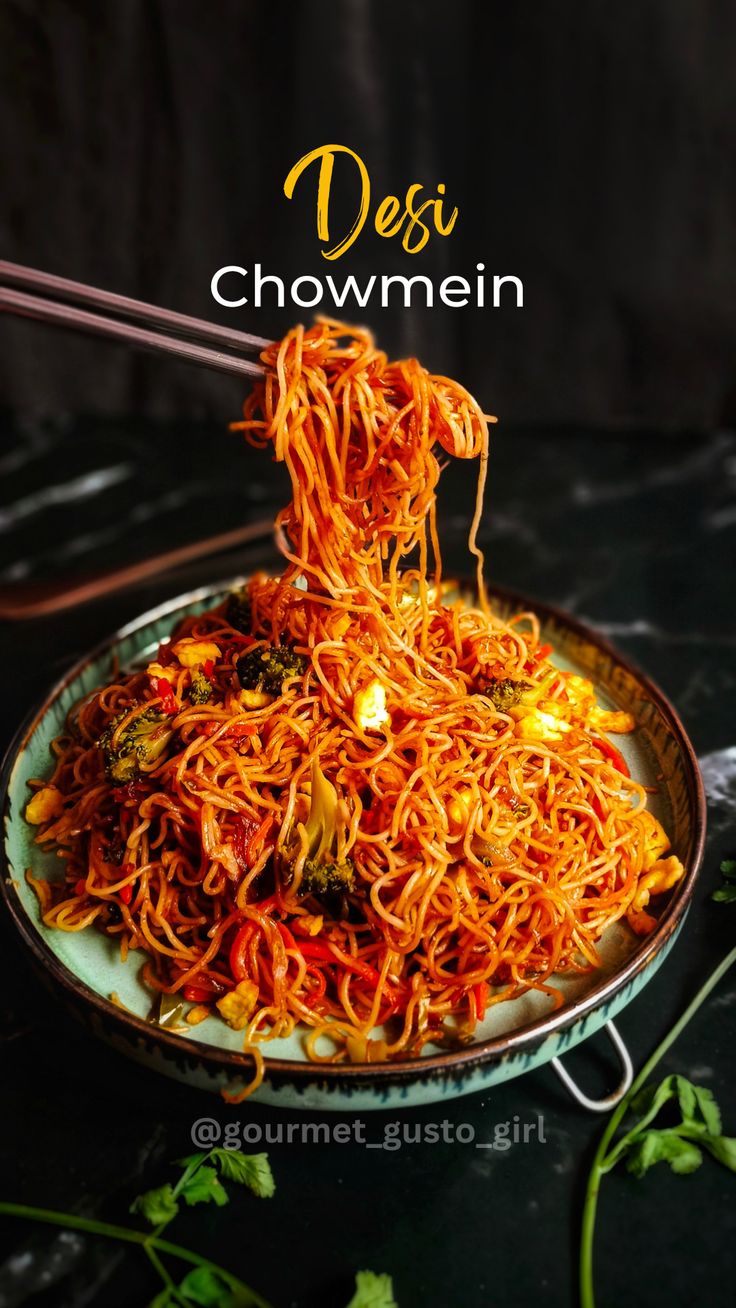
Chowmein, one of the most popular and widely loved noodle dishes in the world, is a flavorful, aromatic, and satisfying meal that has captured the hearts of millions across Asia, Europe, and the West. Originally from China, chowmein—meaning “stir-fried noodles”—has become a staple of Asian street food and restaurant menus globally.
Its signature characteristics include perfectly cooked noodles tossed with vegetables, sauces, herbs, and proteins like chicken, egg, or paneer. What makes chowmein extraordinary is its versatility, customizable flavors, and perfect blend of taste and texture, making it a favorite among kids, teens, and adults alike. In India, chowmein has evolved into a unique Indo-Chinese creation, blending Chinese cooking techniques with Indian spices, giving it a bold and spicy twist. Whether served as street food, in food courts, or home-style cooking, chowmein continues to dominate taste buds everywhere as a quick, delicious, and comforting meal.
H2: History and Origin of Chowmein
Chowmein has its roots in ancient China, where stir-frying was an essential cooking technique used to prepare quick meals with vegetables, noodles, and meats. The word chao means “to stir fry,” and mian means “noodles,” reflecting its simple yet flavorful composition. Chinese immigrants introduced chowmein to countries like the USA, UK, India, and Southeast Asia, where it gradually adapted to local flavors. In the early 20th century, Chinese-American communities popularized American-Chinese chow mein, a version that uses crispy noodles and thick sauces. In India, particularly in cities like Kolkata, Delhi, and Mumbai, chowmein became a street-food icon; Indian vendors added green chilies, vinegar, tomato ketchup, onions, capsicum, and a variety of Indian spices, transforming traditional chowmein into a spicy Indo-Chinese masterpiece. Today, chowmein is not just a dish—it is a global cultural fusion that reflects the beauty of cross-cuisine influence.
H2: Why Chowmein Is Loved Worldwide
Chowmein is popular for several reasons:
- It is quick to cook, making it a perfect fast food.
- It is affordable, making it accessible to everyone.
- The flavors are bold, savory, slightly spicy, and tangy.
- It can be customized to suit vegetarian, vegan, or non-vegetarian diets.
- It pairs well with many dishes like momos, fried rice, and soups.
- It is a perfect comfort food for lunch, dinner, or late-night cravings.
Its irresistible aroma, crunchy vegetables, chewy noodles, and balanced flavors make chowmein a timeless favorite.
H2: Types of Chowmein Around the World
H3: Vegetable Chowmein
Packed with cabbage, carrots, onions, capsicum, beans, and sauces—perfect for vegetarians.
H3: Chicken Chowmein
A non-veg favorite with juicy chicken strips stir-fried with noodles.
H3: Egg Chowmein
A protein-rich noodle dish with scrambled or sliced eggs.
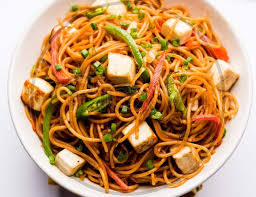
H3: Paneer Chowmein
Popular in India, featuring soft paneer cubes infused with Indo-Chinese spices.
H3: Hakka Noodles
Often confused with chowmein, hakka noodles are less saucy and more dry.
H3: American Chow Mein
Uses crispy noodles with thick, gravy-like sauce.
H3: Shrimp or Seafood Chowmein
Common in coastal countries; includes prawns or fish.
H3: Spicy Indo-Chinese Chowmein
A street-food favorite seasoned with green chilies, vinegar, pepper, and Indian spices.
Each version reflects the local culture, making chowmein one of the most adaptable dishes globally.
H2: Ingredients That Make Chowmein So Special
Chowmein is built on a foundation of simple yet impactful ingredients:
1. Noodles
The star ingredient, usually wheat-based, boiled and stir-fried.
2. Vegetables
Cabbage, capsicum, carrots, onions, green beans, spring onions.
3. Proteins (Optional)
Chicken, egg, paneer, tofu, shrimp, or meat.
4. Sauces
Soy sauce
Vinegar
Chili sauce
Green chili sauce
Tomato ketchup
Oyster sauce
Garlic sauce
5. Spices and Seasonings
Salt
Pepper
Red chili flakes
Ginger-garlic
Ajinomoto (optional)
6. Oils
Sesame oil or vegetable oil for authentic flavor.
These ingredients come together to create a delicious balance of sweetness, saltiness, tanginess, umami, and spice.
H2: How Chowmein Is Cooked – The Perfect Technique
The cooking method heavily influences the taste and texture of chowmein:
- Boil the noodles until 80% cooked.
- Rinse with cold water and toss with oil to prevent sticking.
- Heat oil in a pan or wok.
- Add garlic, ginger, and onions.
- Toss in vegetables and stir fry on high flame.
- Add sauces and seasonings.
- Finally, add noodles and stir fry until everything blends well.
- Garnish with spring onions.
High-flame cooking ensures smoky flavor and crisp vegetables, which is the signature element of a good chowmein.
H2: Chowmein Around the World
Chowmein adapts to local cultures:
- India: Spicy, Indo-Chinese, street-style chowmein.
- China: Authentic, light, soy-based stir-fried noodles.
- USA: Crispy chow mein with gravy.
- Nepal & Bhutan: Served with spicy tomato and sesame sauces.
- Thailand: Chowmein with chili, basil, and peanuts.
- Japan: Yakisoba—a similar noodle dish but sweeter in flavor.
This global influence makes chowmein a truly international dish.
H2: Health and Nutrition of Chowmein
Chowmein can be healthy or indulgent depending on preparation:
- Steamed vegetables make it nutritious.
- Protein-rich additions like eggs, paneer, tofu, or chicken add value.
- Whole wheat or millet noodles reduce calories.
- Too much oil or frying can make it unhealthy.
A balanced chowmein is rich in carbs, vitamins, fiber, and proteins.
H2: Chowmein in Modern Food Culture
Today, chowmein is more than a dish—it is a cultural icon.
- It is the #1 Indo-Chinese street food in India.
- It is a best-seller in restaurants and cafés.
- Online food delivery platforms receive millions of chowmein orders daily.
- Food brands have launched instant chowmein packets for quick meals.
- Fusion recipes like Schezwan chowmein, tandoori chowmein, and cheese chowmein are trending.
Chowmein’s rise reflects the growing love for Asian fusion cuisine.
⭐ H2: Premium SEO FAQs About Chowmein
1. What is chowmein?
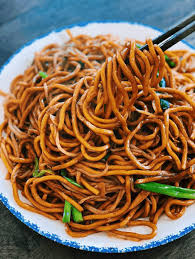
Chowmein is a Chinese stir-fried noodle dish made with vegetables, sauces, and optional proteins like chicken or egg.
2. Is chowmein and Hakka noodles the same?
No. Chowmein has more sauce and flavor, whereas Hakka noodles are dry and lightly seasoned.
3. What is chowmein made of?
Boiled noodles, vegetables, garlic, sauces, and seasonings like pepper and vinegar.
4. Is chowmein healthy?
It can be healthy if made with less oil, more vegetables, and whole wheat noodles.
5. Which country invented chowmein?
Chowmein originated in China.
6. What is the difference between veg and non-veg chowmein?
Veg chowmein contains vegetables; non-veg versions may include chicken, egg, or shrimp.
7. Why is Indian chowmein so spicy?
Indian chowmein is influenced by local spices, chili sauces, and Indo-Chinese flavors.
8. Can chowmein be made at home?
Yes, with simple ingredients like noodles, vegetables, and soy sauce.
9. What sauces are used in chowmein?
Soy sauce, chili sauce, vinegar, tomato ketchup, and green chili sauce.
10. Is chowmein good for weight loss?
Only if made with whole wheat noodles and lots of vegetables with minimal oil.