Samosa: The Timeless Icon of Indian Flavor
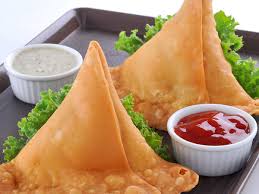
Introduction: A Small Snack With a Huge Legacy
There are countless snacks across the Indian subcontinent, but very few have achieved the legendary status that the samosa enjoys. From morning tea stalls to office canteens, from weddings to casual street-side gatherings, the samosa is not just a food item—it is a part of India’s cultural heartbeat.
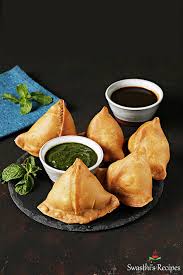
Its golden crust, aromatic fillings, and irresistible crunch make it more than just a snack. It is a comfort food, an emotion, and a nostalgic memory for millions. Today, samosas have traveled far beyond the borders of India and are enjoyed around the world, from the streets of London to the cafes of New York and the markets of Dubai and Singapore.
History of the Samosa: Where Did It Really Come From?
Contrary to what many believe, the samosa did not originate in India. Historical texts show that the earliest versions of the samosa—known as sambosa, sambusak, or sambusek—came from Central Asia and the Middle East. Traders and travelers carried this portable snack along trade routes because it was easy to pack and stayed fresh for days.
When it arrived in India between the 10th and 12th centuries, the local cuisine transformed it completely. Indian spices, potatoes, peas, and handmade dough gave the samosa a new identity that was richer, spicier, and far more flavorful.
This Indian version eventually became the most popular form of the samosa worldwide.
The Anatomy of a Perfect Samosa
1. The Crust (Outer Layer)
A samosa’s character lies in its crust. It must be crisp, flaky, and golden. The dough is made using refined flour mixed with salt, ajwain, and ghee. When mixed properly, the crust develops delicate layers that crackle with every bite.
2. The Filling
The filling varies across regions, cultures, and preferences. The classic Indian filling contains potatoes, peas, spices, and herbs. Other popular fillings include:
- Spiced potatoes
- Potato-pea mix
- Paneer
- Minced meat (keema)
- Lentils
- Dry fruit-infused stuffing (Rajasthani style)
3. The Spices
Indian spices give the samosa its soul:
- Cumin
- Coriander powder
- Turmeric
- Red chili powder
- Garam masala
- Amchur (dry mango powder)
- Chaat masala (sprinkled on top)
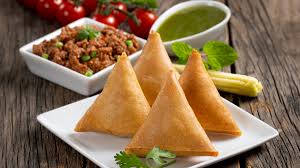
Popular Types of Samosas Across India
1. North Indian Aloo-Matar Samosa
The most iconic version—crisp, mildly tangy, perfectly spiced, and filled with potatoes and peas.
2. Punjabi Samosa
Bigger, spicier, and richer. Often contains dry fruits like raisins and cashews.
3. Banarasi Tangy Samosa
Known for its bold flavors, sweet-sour notes, and stronger masalas.
4. Kolkata Chinese Samosa (Chowmein Samosa)
Stuffed with stir-fried noodles—hugely popular among students.
5. Rajasthani Dal Samosa
Crispy samosas stuffed with spiced lentils, flavored with fennel and sesame.
6. Keema Samosa
A Ramadan favorite. Filled with minced meat, spices, and herbs.
7. Mini Cocktail Samosas
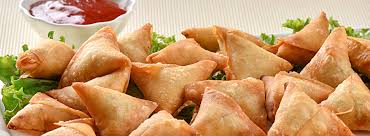
Small, bite-sized samosas commonly served at parties and hotel buffets.
Premium Recipe: How to Make a Perfect Samosa
Ingredients
For the Dough (Crust):
- 2 cups all-purpose flour
- 4 tablespoons ghee or oil
- ½ teaspoon ajwain
- Salt to taste
For the Filling:
- 4 boiled potatoes
- ½ cup green peas
- 1 teaspoon cumin seeds
- 1 teaspoon garam masala
- 1 teaspoon coriander powder
- ½ teaspoon red chili powder
- ½ teaspoon amchur
- Fresh coriander leaves
- Salt to taste
Step-by-Step Preparation
1. Preparing the Dough
Mix flour, salt, ajwain, and ghee. Rub the ghee into the flour until it resembles breadcrumbs. Add water gradually and knead into a stiff dough. Cover and let it rest.
2. Making the Filling
Heat oil, add cumin, then peas and mashed potatoes. Mix all spices and sauté well. Let the filling cool.
3. Shaping the Samosa
Roll out the dough into thin circles, cut into halves, and form cones. Fill the cones with potato mixture, then seal the edges with water.
4. Frying
Always fry samosas on low heat to achieve a beautiful golden, crispy crust.
Chutneys That Perfectly Complement Samosas
1. Green Chutney
Made from coriander, mint, green chili, and lemon.
2. Tamarind Sweet Chutney
Adds a sweet and tangy contrast to the spicy samosa.
3. Tomato Chutney
Popular in southern India.
The Cultural Significance of Samosas in India
Samosas are deeply rooted in Indian culture and daily life:
- College canteen snack
- Office break-time treat
- Wedding starter
- Festival delicacy
- Street food favorite
- Train and bus station classic
From north to south, every region gives the samosa its own personality while retaining its universal charm.
Global Popularity of Samosas
Today, samosas are enjoyed in countries such as:
- United States
- United Kingdom
- Canada
- Australia
- UAE
- Singapore
Fusion versions have also emerged worldwide:
- Cheese samosa
- Pizza samosa
- Mexican samosa
- Chocolate samosa
- Noodle samosa
Health Aspect: Are Samosas Healthy?
Traditional deep-fried samosas are calorie-dense. But you can make healthier alternatives by:
- Baking
- Air-frying
- Using whole-wheat dough
- Reducing oil in filling
This makes them a nutritious and guilt-free snack.
Samosa Business: A High-Demand, High-Profit Opportunity
In recent years, many successful startups have emerged that sell only samosas. Why?
- Low investment
- High demand
- Great profit margins
- Easy to scale
- Works as a cloud kitchen, food truck, or café model
A samosa business can be started even from home with minimal equipment.
FAQ — Frequently Asked Questions About Samosas
1. Where did the samosa originate?
It originated in the Middle East and Central Asia, not India.
2. What is the healthiest way to eat samosas?
Baked or air-fried samosas are much healthier than deep-fried ones.
3. Which samosa is the most popular in India?
The classic North Indian aloo-matar samosa is the most beloved nationwide.
4. How do you make samosas crispy?
Use the right amount of ghee in the dough and fry on low heat.
5. Can samosas be stored?
Yes, un-fried samosas can be frozen and fried later for best results.
Conclusion: Samosa—A Flavor, a Memory, a Tradition
The samosa is more than a snack—it is a shared cultural experience. Its journey from ancient trade routes to Indian streets, and finally to global fame, shows its universal appeal. Whether you prefer the classic version or the modern fusion twists, one thing is certain: the samosa continues to rule hearts across generations and continents.
Manchurian
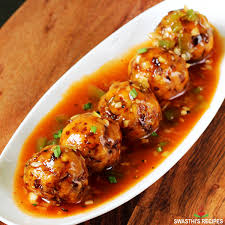
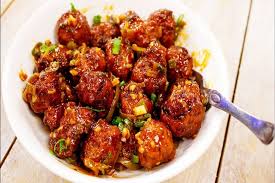
Manchurian is a fusion dish that combines Indian cooking styles and spices with Chinese sauces and techniques. It is usually made by mixing shredded vegetables or chopped chicken with flour, shaping the mixture into balls, and deep-frying them until crispy. These fried balls are then tossed in a flavorful sauce made of garlic, ginger, soy sauce, chili sauce, vinegar, and spring onions. The result is a dish that is spicy, tangy, sweet, salty, and extremely aromatic.
Manchurian is available in two main versions:
- Dry Manchurian – served as a starter or appetizer.
- Gravy Manchurian – served as a main dish with fried rice or noodles.
Because of its adaptability, Manchurian can be eaten as a snack, side dish, or full meal.
2. Origin and Background
Although Manchurian sounds like it belongs to Chinese cuisine, it is actually an invention of Indian-Chinese fusion cooking. The dish was created in India, most likely in the 1970s, by Chinese-origin chefs who blended their culinary traditions with the local Indian taste preferences.
Indo-Chinese cuisine grew out of the Chinese immigrant communities living in Kolkata and Mumbai. They introduced Chinese ingredients such as soy sauce, vinegar, and stir-frying techniques, while Indian cooks added spices, chili, and local vegetables. Manchurian was born from this fusion, and it quickly became one of the most recognized dishes in Indo-Chinese restaurants.
Today, Manchurian is not just a dish; it is a cultural symbol of modern South Asian cuisine that blends two food traditions to create something entirely new.
3. Common Ingredients Used in Manchurian
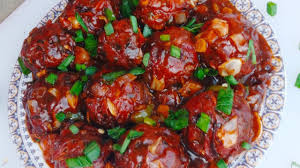
The ingredients used in Manchurian are a mixture of Indian and Chinese flavors.
Main Ingredients
- Finely chopped vegetables (cabbage, carrot, capsicum, spring onion)
- Chicken (for chicken Manchurian)
- Paneer, mushroom, or cauliflower for variations
- All-purpose flour (maida)
- Corn flour or corn starch
- Ginger and garlic (freshly chopped or paste)
- Soy sauce
- Red chili sauce
- Green chili
- Vinegar
- Tomato ketchup
- Salt, pepper, and sometimes sugar
- Oil for deep frying
These ingredients give Manchurian its signature taste, texture, and appealing look.
4. How Manchurian Is Prepared
Though different versions exist, the general method remains similar.
Step 1: Making the Balls
Vegetables or chicken are finely chopped and mixed with flour, corn flour, spices, and a little soy sauce. This mixture is shaped into small balls. The balls are then deep-fried until golden and crispy on the outside.
Step 2: Preparing the Sauce
In a hot wok, garlic, ginger, and green chilies are sautéed in oil. Soy sauce, vinegar, chili sauce, and ketchup are added to create a spicy, salty, tangy blend. A corn-flour slurry (water mixed with corn flour) is poured in to thicken the sauce and give it a glossy shine.
Step 3: Final Mixing
The fried balls are added to the sauce and tossed until they are evenly coated. For the gravy version, water or stock is added to create a thick, soup-like consistency.
The high heat used in Indo-Chinese cooking gives Manchurian its distinct smoky aroma and rich flavor.
5. Appearance and Visual Description
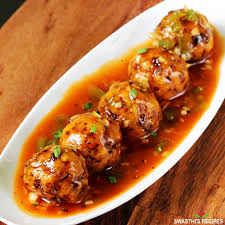
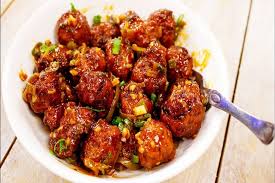
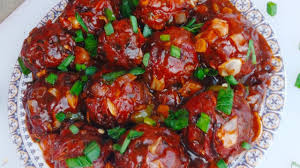
Manchurian has a very attractive and appealing appearance. The dish typically looks colorful, glossy, and rich, which makes people want to eat it even before smelling or tasting it.
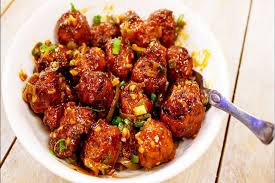
Dry Manchurian usually appears like:
- round, golden-brown balls
- coated in a shiny sauce
- garnished with green spring onions
- mixed with colorful vegetables like red and green capsicum
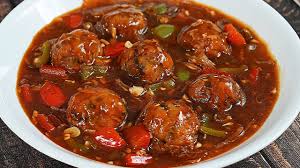
Gravy Manchurian looks:
- thick and saucy
- deep reddish-brown in color
- steaming hot with floating herbs and vegetables
- rich and hearty
Both versions give off a strong, mouthwatering aroma of garlic, ginger, soy sauce, and spices.
6. What Manchurian Tastes Like
One of the reasons Manchurian is so popular is its complex and balanced flavor. It is not too spicy, not too sweet, not too sour—it has a little bit of everything.
1. Spicy
The dish usually has a medium to high level of heat depending on the amount of chili sauce and green chilies used. The spice gives the dish energy and excitement.
2. Tangy
Vinegar and tomato ketchup add tanginess. This gives Manchurian a refreshing and sharp flavor that cuts through the richness of the fried balls.
3. Sweet
A slight sweetness from ketchup, onions, or added sugar helps balance the spicy and sour notes.
4. Umami (Savory)
Soy sauce and fried garlic-ginger contribute deep umami taste. This savory richness makes Manchurian extremely satisfying.
5. Smoky & Aromatic
Because the sauce is cooked on high heat, it develops a smoky aroma. Garlic and ginger release strong fragrances that make the dish extra appetizing.
6. Balanced Flavor
The key to a good Manchurian is balance. None of the flavors should overpower the other. A well-made Manchurian is spicy, sweet, sour, savory, and aromatic all at the same time.
7. Texture of Manchurian
Texture is a major part of why Manchurian tastes so good.
Dry Manchurian Texture
- crispy on the outside
- soft and juicy on the inside
- slightly sticky because of the sauce
- crunchy vegetables mixed in
Gravy Manchurian Texture
- soft, moist Manchurian balls
- thick, smooth gravy
- small pieces of vegetables adding crunch
- rich and hearty mouthfeel
This combination of crispy, soft, sticky, and crunchy textures makes Manchurian extremely enjoyable.
8. Different Types of Manchurian
Manchurian has many variations:
1. Vegetable Manchurian
Made with a mixture of cabbage, carrot, capsicum, onion, and flour.
2. Gobi Manchurian
Cauliflower florets are coated in batter, fried, and tossed in sauce.
3. Chicken Manchurian
Chopped chicken is mixed with spices and flour to create soft, flavorful balls.
4. Paneer Manchurian
Cubes of paneer are fried and mixed in Manchurian sauce.
5. Mushroom Manchurian
Mushrooms are used instead of vegetables or meat.
6. Schezwan Manchurian
A spicier version using Schezwan sauce.
These variations show how flexible and creative the dish can be.
9. Why Manchurian Is So Popular
There are several reasons why Manchurian has become a favorite dish in many countries:
1. Unique Flavor
The combination of spice, tang, sweetness, and umami creates an unforgettable taste.
2. Versatility
Manchurian can be a snack, starter, or main dish. It pairs well with:
- fried rice
- noodles
- chowmein
- momo
- roti or paratha
3. Suitable for Vegetarians and Non-Vegetarians
Vegetable Manchurian appeals to vegetarians, while chicken and paneer versions satisfy others.
4. Street Food Culture
Manchurian is widely available on the streets as a quick, affordable, delicious option.
5. Restaurant Favorite
Almost every Indo-Chinese restaurant includes Manchurian on its menu, increasing its popularity.
10. Nutritional and Health Aspects
Manchurian is delicious but not always the healthiest option because:
- it is deep-fried
- sauces can contain high sodium
- it sometimes includes added sugar
However, healthier options exist, such as:
- baked Manchurian
- air-fried Manchurian
- using less oil
- reducing salt and sugar
Even so, Manchurian is generally considered an indulgent, comfort food rather than a health-focused dish.
11. Cultural Importance
Manchurian has become a symbol of modern Asian fusion cuisine. It represents creativity, cross-cultural food blending, and the growing global trend of experimenting with flavors. Families prepare it for special occasions, gatherings, birthdays, school events, and festivals. It is loved by children, teenagers, and adults alike.
The dish has grown so popular that it is now found worldwide—in restaurants, food trucks, and even frozen food aisles.
12. Conclusion
Manchurian is one of the most iconic and flavorful dishes in Indo-Chinese cuisine. It is known for its bold taste, appealing appearance, and exciting texture. Whether served dry or with gravy, Manchurian offers a satisfying blend of spicy, tangy, sweet, and savory flavors. Its crispy outside and soft inside make every bite enjoyable. The smoky aroma of garlic, ginger, and soy sauce adds depth and richness.
Although it originated in India, not China, Manchurian has traveled far beyond its roots. Today, it is a global favorite, loved for its versatility, balance, and fusion identity. From street stalls to restaurants, from family dinners to celebrations, Manchurian continues to win hearts everywhere.
In simple words, Manchurian is delicious, flavorful, attractive, and one of the best creations of Indo-Chinese cuisine.
If you want, I can also prepare:
✅ A shorter versionIntroduction to Manchurian
Manchurian is a fusion dish that combines Indian cooking styles and spices with Chinese sauces and techniques. It is usually made by mixing shredded vegetables or chopped chicken with flour, shaping the mixture into balls, and deep-frying them until crispy. These fried balls are then tossed in a flavorful sauce made of garlic, ginger, soy sauce, chili sauce, vinegar, and spring onions. The result is a dish that is spicy, tangy, sweet, salty, and extremely aromatic.
Manchurian is available in two main versions:
- Dry Manchurian – served as a starter or appetizer.
- Gravy Manchurian – served as a main dish with fried rice or noodles.
Because of its adaptability, Manchurian can be eaten as a snack, side dish, or full meal.
2. Origin and Background
Although Manchurian sounds like it belongs to Chinese cuisine, it is actually an invention of Indian-Chinese fusion cooking. The dish was created in India, most likely in the 1970s, by Chinese-origin chefs who blended their culinary traditions with the local Indian taste preferences.
Indo-Chinese cuisine grew out of the Chinese immigrant communities living in Kolkata and Mumbai. They introduced Chinese ingredients such as soy sauce, vinegar, and stir-frying techniques, while Indian cooks added spices, chili, and local vegetables. Manchurian was born from this fusion, and it quickly became one of the most recognized dishes in Indo-Chinese restaurants.
Today, Manchurian is not just a dish; it is a cultural symbol of modern South Asian cuisine that blends two food traditions to create something entirely new.
3. Common Ingredients Used in Manchurian
The ingredients used in Manchurian are a mixture of Indian and Chinese flavors.
Main Ingredients
- Finely chopped vegetables (cabbage, carrot, capsicum, spring onion)
- Chicken (for chicken Manchurian)
- Paneer, mushroom, or cauliflower for variations
- All-purpose flour (maida)
- Corn flour or corn starch
- Ginger and garlic (freshly chopped or paste)
- Soy sauce
- Red chili sauce
- Green chili
- Vinegar
- Tomato ketchup
- Salt, pepper, and sometimes sugar
- Oil for deep frying
These ingredients give Manchurian its signature taste, texture, and appealing look.
4. How Manchurian Is Prepared
Though different versions exist, the general method remains similar.
Step 1: Making the Balls
Vegetables or chicken are finely chopped and mixed with flour, corn flour, spices, and a little soy sauce. This mixture is shaped into small balls. The balls are then deep-fried until golden and crispy on the outside.
Step 2: Preparing the Sauce
In a hot wok, garlic, ginger, and green chilies are sautéed in oil. Soy sauce, vinegar, chili sauce, and ketchup are added to create a spicy, salty, tangy blend. A corn-flour slurry (water mixed with corn flour) is poured in to thicken the sauce and give it a glossy shine.
Step 3: Final Mixing
The fried balls are added to the sauce and tossed until they are evenly coated. For the gravy version, water or stock is added to create a thick, soup-like consistency.
The high heat used in Indo-Chinese cooking gives Manchurian its distinct smoky aroma and rich flavor.
5. Appearance and Visual Description
Manchurian has a very attractive and appealing appearance. The dish typically looks colorful, glossy, and rich, which makes people want to eat it even before smelling or tasting it.
Dry Manchurian usually appears like:
- round, golden-brown balls
- coated in a shiny sauce
- garnished with green spring onions
- mixed with colorful vegetables like red and green capsicum
Gravy Manchurian looks:
- thick and saucy
- deep reddish-brown in color
- steaming hot with floating herbs and vegetables
- rich and hearty
Both versions give off a strong, mouthwatering aroma of garlic, ginger, soy sauce, and spices.
6. What Manchurian Tastes Like
One of the reasons Manchurian is so popular is its complex and balanced flavor. It is not too spicy, not too sweet, not too sour—it has a little bit of everything.
1. Spicy
The dish usually has a medium to high level of heat depending on the amount of chili sauce and green chilies used. The spice gives the dish energy and excitement.
2. Tangy
Vinegar and tomato ketchup add tanginess. This gives Manchurian a refreshing and sharp flavor that cuts through the richness of the fried balls.
3. Sweet
A slight sweetness from ketchup, onions, or added sugar helps balance the spicy and sour notes.
4. Umami (Savory)
Soy sauce and fried garlic-ginger contribute deep umami taste. This savory richness makes Manchurian extremely satisfying.
5. Smoky & Aromatic
Because the sauce is cooked on high heat, it develops a smoky aroma. Garlic and ginger release strong fragrances that make the dish extra appetizing.
6. Balanced Flavor
The key to a good Manchurian is balance. None of the flavors should overpower the other. A well-made Manchurian is spicy, sweet, sour, savory, and aromatic all at the same time.
7. Texture of Manchurian
Texture is a major part of why Manchurian tastes so good.
Dry Manchurian Texture
- crispy on the outside
- soft and juicy on the inside
- slightly sticky because of the sauce
- crunchy vegetables mixed in
Gravy Manchurian Texture
- soft, moist Manchurian balls
- thick, smooth gravy
- small pieces of vegetables adding crunch
- rich and hearty mouthfeel
This combination of crispy, soft, sticky, and crunchy textures makes Manchurian extremely enjoyable.
8. Different Types of Manchurian
Manchurian has many variations:
1. Vegetable Manchurian
Made with a mixture of cabbage, carrot, capsicum, onion, and flour.
2. Gobi Manchurian
Cauliflower florets are coated in batter, fried, and tossed in sauce.
3. Chicken Manchurian
Chopped chicken is mixed with spices and flour to create soft, flavorful balls.
4. Paneer Manchurian
Cubes of paneer are fried and mixed in Manchurian sauce.
5. Mushroom Manchurian
Mushrooms are used instead of vegetables or meat.
6. Schezwan Manchurian
A spicier version using Schezwan sauce.
These variations show how flexible and creative the dish can be.
9. Why Manchurian Is So Popular
There are several reasons why Manchurian has become a favorite dish in many countries:
1. Unique Flavor
The combination of spice, tang, sweetness, and umami creates an unforgettable taste.
2. Versatility
Manchurian can be a snack, starter, or main dish. It pairs well with:
- fried rice
- noodles
- chowmein
- momo
- roti or paratha
3. Suitable for Vegetarians and Non-Vegetarians
Vegetable Manchurian appeals to vegetarians, while chicken and paneer versions satisfy others.
4. Street Food Culture
Manchurian is widely available on the streets as a quick, affordable, delicious option.
5. Restaurant Favorite
Almost every Indo-Chinese restaurant includes Manchurian on its menu, increasing its popularity.
10. Nutritional and Health Aspects
Manchurian is delicious but not always the healthiest option because:
- it is deep-fried
- sauces can contain high sodium
- it sometimes includes added sugar
However, healthier options exist, such as:
- baked Manchurian
- air-fried Manchurian
- using less oil
- reducing salt and sugar
Even so, Manchurian is generally considered an indulgent, comfort food rather than a health-focused dish.
11. Cultural Importance
Manchurian has become a symbol of modern Asian fusion cuisine. It represents creativity, cross-cultural food blending, and the growing global trend of experimenting with flavors. Families prepare it for special occasions, gatherings, birthdays, school events, and festivals. It is loved by children, teenagers, and adults alike.
The dish has grown so popular that it is now found worldwide—in restaurants, food trucks, and even frozen food aisles.
12. Conclusion
Manchurian is one of the most iconic and flavorful dishes in Indo-Chinese cuisine. It is known for its bold taste, appealing appearance, and exciting texture. Whether served dry or with gravy, Manchurian offers a satisfying blend of spicy, tangy, sweet, and savory flavors. Its crispy outside and soft inside make every bite enjoyable. The smoky aroma of garlic, ginger, and soy sauce adds depth and richness.
Although it originated in India, not China, Manchurian has traveled far beyond its roots. Today, it is a global favorite, loved for its versatility, balance, and fusion identity. From street stalls to restaurants, from family dinners to celebrations, Manchurian continues to win hearts everywhere.
In simple words, Manchurian is delicious, flavorful, attractive, and one of the best creations of Indo-Chinese cuisine.
If you want, I can also prepare:
✅ A shorter versionIntroduction to Manchurian
Manchurian is a fusion dish that combines Indian cooking styles and spices with Chinese sauces and techniques. It is usually made by mixing shredded vegetables or chopped chicken with flour, shaping the mixture into balls, and deep-frying them until crispy. These fried balls are then tossed in a flavorful sauce made of garlic, ginger, soy sauce, chili sauce, vinegar, and spring onions. The result is a dish that is spicy, tangy, sweet, salty, and extremely aromatic.
Manchurian is available in two main versions:
- Dry Manchurian – served as a starter or appetizer.
- Gravy Manchurian – served as a main dish with fried rice or noodles.
Because of its adaptability, Manchurian can be eaten as a snack, side dish, or full meal.
2. Origin and Background
Although Manchurian sounds like it belongs to Chinese cuisine, it is actually an invention of Indian-Chinese fusion cooking. The dish was created in India, most likely in the 1970s, by Chinese-origin chefs who blended their culinary traditions with the local Indian taste preferences.
Indo-Chinese cuisine grew out of the Chinese immigrant communities living in Kolkata and Mumbai. They introduced Chinese ingredients such as soy sauce, vinegar, and stir-frying techniques, while Indian cooks added spices, chili, and local vegetables. Manchurian was born from this fusion, and it quickly became one of the most recognized dishes in Indo-Chinese restaurants.
Today, Manchurian is not just a dish; it is a cultural symbol of modern South Asian cuisine that blends two food traditions to create something entirely new.
3. Common Ingredients Used in Manchurian
The ingredients used in Manchurian are a mixture of Indian and Chinese flavors.
Main Ingredients
- Finely chopped vegetables (cabbage, carrot, capsicum, spring onion)
- Chicken (for chicken Manchurian)
- Paneer, mushroom, or cauliflower for variations
- All-purpose flour (maida)
- Corn flour or corn starch
- Ginger and garlic (freshly chopped or paste)
- Soy sauce
- Red chili sauce
- Green chili
- Vinegar
- Tomato ketchup
- Salt, pepper, and sometimes sugar
- Oil for deep frying
These ingredients give Manchurian its signature taste, texture, and appealing look.
4. How Manchurian Is Prepared
Though different versions exist, the general method remains similar.
Step 1: Making the Balls
Vegetables or chicken are finely chopped and mixed with flour, corn flour, spices, and a little soy sauce. This mixture is shaped into small balls. The balls are then deep-fried until golden and crispy on the outside.
Step 2: Preparing the Sauce
In a hot wok, garlic, ginger, and green chilies are sautéed in oil. Soy sauce, vinegar, chili sauce, and ketchup are added to create a spicy, salty, tangy blend. A corn-flour slurry (water mixed with corn flour) is poured in to thicken the sauce and give it a glossy shine.
Step 3: Final Mixing
The fried balls are added to the sauce and tossed until they are evenly coated. For the gravy version, water or stock is added to create a thick, soup-like consistency.
The high heat used in Indo-Chinese cooking gives Manchurian its distinct smoky aroma and rich flavor.
5. Appearance and Visual Description
Manchurian has a very attractive and appealing appearance. The dish typically looks colorful, glossy, and rich, which makes people want to eat it even before smelling or tasting it.
Dry Manchurian usually appears like:
- round, golden-brown balls
- coated in a shiny sauce
- garnished with green spring onions
- mixed with colorful vegetables like red and green capsicum
Gravy Manchurian looks:
- thick and saucy
- deep reddish-brown in color
- steaming hot with floating herbs and vegetables
- rich and hearty
Both versions give off a strong, mouthwatering aroma of garlic, ginger, soy sauce, and spices.
6. What Manchurian Tastes Like
One of the reasons Manchurian is so popular is its complex and balanced flavor. It is not too spicy, not too sweet, not too sour—it has a little bit of everything.
1. Spicy
The dish usually has a medium to high level of heat depending on the amount of chili sauce and green chilies used. The spice gives the dish energy and excitement.
2. Tangy
Vinegar and tomato ketchup add tanginess. This gives Manchurian a refreshing and sharp flavor that cuts through the richness of the fried balls.
3. Sweet
A slight sweetness from ketchup, onions, or added sugar helps balance the spicy and sour notes.
4. Umami (Savory)
Soy sauce and fried garlic-ginger contribute deep umami taste. This savory richness makes Manchurian extremely satisfying.
5. Smoky & Aromatic
Because the sauce is cooked on high heat, it develops a smoky aroma. Garlic and ginger release strong fragrances that make the dish extra appetizing.
6. Balanced Flavor
The key to a good Manchurian is balance. None of the flavors should overpower the other. A well-made Manchurian is spicy, sweet, sour, savory, and aromatic all at the same time.
7. Texture of Manchurian
Texture is a major part of why Manchurian tastes so good.
Dry Manchurian Texture
- crispy on the outside
- soft and juicy on the inside
- slightly sticky because of the sauce
- crunchy vegetables mixed in
Gravy Manchurian Texture
- soft, moist Manchurian balls
- thick, smooth gravy
- small pieces of vegetables adding crunch
- rich and hearty mouthfeel
This combination of crispy, soft, sticky, and crunchy textures makes Manchurian extremely enjoyable.
8. Different Types of Manchurian
Manchurian has many variations:
1. Vegetable Manchurian
Made with a mixture of cabbage, carrot, capsicum, onion, and flour.
2. Gobi Manchurian
Cauliflower florets are coated in batter, fried, and tossed in sauce.
3. Chicken Manchurian
Chopped chicken is mixed with spices and flour to create soft, flavorful balls.
4. Paneer Manchurian
Cubes of paneer are fried and mixed in Manchurian sauce.
5. Mushroom Manchurian
Mushrooms are used instead of vegetables or meat.
6. Schezwan Manchurian
A spicier version using Schezwan sauce.
These variations show how flexible and creative the dish can be.
9. Why Manchurian Is So Popular
There are several reasons why Manchurian has become a favorite dish in many countries:
1. Unique Flavor
The combination of spice, tang, sweetness, and umami creates an unforgettable taste.
2. Versatility
Manchurian can be a snack, starter, or main dish. It pairs well with:
- fried rice
- noodles
- chowmein
- momo
- roti or paratha
3. Suitable for Vegetarians and Non-Vegetarians
Vegetable Manchurian appeals to vegetarians, while chicken and paneer versions satisfy others.
4. Street Food Culture
Manchurian is widely available on the streets as a quick, affordable, delicious option.
5. Restaurant Favorite
Almost every Indo-Chinese restaurant includes Manchurian on its menu, increasing its popularity.
10. Nutritional and Health Aspects
Manchurian is delicious but not always the healthiest option because:
- it is deep-fried
- sauces can contain high sodium
- it sometimes includes added sugar
However, healthier options exist, such as:
- baked Manchurian
- air-fried Manchurian
- using less oil
- reducing salt and sugar
Even so, Manchurian is generally considered an indulgent, comfort food rather than a health-focused dish.
11. Cultural Importance
Manchurian has become a symbol of modern Asian fusion cuisine. It represents creativity, cross-cultural food blending, and the growing global trend of experimenting with flavors. Families prepare it for special occasions, gatherings, birthdays, school events, and festivals. It is loved by children, teenagers, and adults alike.
The dish has grown so popular that it is now found worldwide—in restaurants, food trucks, and even frozen food aisles.
12. Conclusion
Manchurian is one of the most iconic and flavorful dishes in Indo-Chinese cuisine. It is known for its bold taste, appealing appearance, and exciting texture. Whether served dry or with gravy, Manchurian offers a satisfying blend of spicy, tangy, sweet, and savory flavors. Its crispy outside and soft inside make every bite enjoyable. The smoky aroma of garlic, ginger, and soy sauce adds depth and richness.
Although it originated in India, not China, Manchurian has traveled far beyond its roots. Today, it is a global favorite, loved for its versatility, balance, and fusion identity. From street stalls to restaurants, from family dinners to celebrations, Manchurian continues to win hearts everywhere.
In simple words, Manchurian is delicious, flavorful, attractive, and one of the best creations of Indo-Chinese cuisine.
If you want, I can also prepare:
✅ A shorter versionIntroduction to Manchurian
Manchurian is a fusion dish that combines Indian cooking styles and spices with Chinese sauces and techniques. It is usually made by mixing shredded vegetables or chopped chicken with flour, shaping the mixture into balls, and deep-frying them until crispy. These fried balls are then tossed in a flavorful sauce made of garlic, ginger, soy sauce, chili sauce, vinegar, and spring onions. The result is a dish that is spicy, tangy, sweet, salty, and extremely aromatic.
Manchurian is available in two main versions:
- Dry Manchurian – served as a starter or appetizer.
- Gravy Manchurian – served as a main dish with fried rice or noodles.
Because of its adaptability, Manchurian can be eaten as a snack, side dish, or full meal.
2. Origin and Background
Although Manchurian sounds like it belongs to Chinese cuisine, it is actually an invention of Indian-Chinese fusion cooking. The dish was created in India, most likely in the 1970s, by Chinese-origin chefs who blended their culinary traditions with the local Indian taste preferences.
Indo-Chinese cuisine grew out of the Chinese immigrant communities living in Kolkata and Mumbai. They introduced Chinese ingredients such as soy sauce, vinegar, and stir-frying techniques, while Indian cooks added spices, chili, and local vegetables. Manchurian was born from this fusion, and it quickly became one of the most recognized dishes in Indo-Chinese restaurants.
Today, Manchurian is not just a dish; it is a cultural symbol of modern South Asian cuisine that blends two food traditions to create something entirely new.
3. Common Ingredients Used in Manchurian
The ingredients used in Manchurian are a mixture of Indian and Chinese flavors.
Main Ingredients
- Finely chopped vegetables (cabbage, carrot, capsicum, spring onion)
- Chicken (for chicken Manchurian)
- Paneer, mushroom, or cauliflower for variations
- All-purpose flour (maida)
- Corn flour or corn starch
- Ginger and garlic (freshly chopped or paste)
- Soy sauce
- Red chili sauce
- Green chili
- Vinegar
- Tomato ketchup
- Salt, pepper, and sometimes sugar
- Oil for deep frying
These ingredients give Manchurian its signature taste, texture, and appealing look.
4. How Manchurian Is Prepared
Though different versions exist, the general method remains similar.
Step 1: Making the Balls
Vegetables or chicken are finely chopped and mixed with flour, corn flour, spices, and a little soy sauce. This mixture is shaped into small balls. The balls are then deep-fried until golden and crispy on the outside.
Step 2: Preparing the Sauce
In a hot wok, garlic, ginger, and green chilies are sautéed in oil. Soy sauce, vinegar, chili sauce, and ketchup are added to create a spicy, salty, tangy blend. A corn-flour slurry (water mixed with corn flour) is poured in to thicken the sauce and give it a glossy shine.
Step 3: Final Mixing
The fried balls are added to the sauce and tossed until they are evenly coated. For the gravy version, water or stock is added to create a thick, soup-like consistency.
The high heat used in Indo-Chinese cooking gives Manchurian its distinct smoky aroma and rich flavor.
5. Appearance and Visual Description
Manchurian has a very attractive and appealing appearance. The dish typically looks colorful, glossy, and rich, which makes people want to eat it even before smelling or tasting it.
Dry Manchurian usually appears like:
- round, golden-brown balls
- coated in a shiny sauce
- garnished with green spring onions
- mixed with colorful vegetables like red and green capsicum
Gravy Manchurian looks:
- thick and saucy
- deep reddish-brown in color
- steaming hot with floating herbs and vegetables
- rich and hearty
Both versions give off a strong, mouthwatering aroma of garlic, ginger, soy sauce, and spices.
6. What Manchurian Tastes Like
One of the reasons Manchurian is so popular is its complex and balanced flavor. It is not too spicy, not too sweet, not too sour—it has a little bit of everything.
1. Spicy
The dish usually has a medium to high level of heat depending on the amount of chili sauce and green chilies used. The spice gives the dish energy and excitement.
2. Tangy
Vinegar and tomato ketchup add tanginess. This gives Manchurian a refreshing and sharp flavor that cuts through the richness of the fried balls.
3. Sweet
A slight sweetness from ketchup, onions, or added sugar helps balance the spicy and sour notes.
4. Umami (Savory)
Soy sauce and fried garlic-ginger contribute deep umami taste. This savory richness makes Manchurian extremely satisfying.
5. Smoky & Aromatic
Because the sauce is cooked on high heat, it develops a smoky aroma. Garlic and ginger release strong fragrances that make the dish extra appetizing.
6. Balanced Flavor
The key to a good Manchurian is balance. None of the flavors should overpower the other. A well-made Manchurian is spicy, sweet, sour, savory, and aromatic all at the same time.
7. Texture of Manchurian
Texture is a major part of why Manchurian tastes so good.
Dry Manchurian Texture
- crispy on the outside
- soft and juicy on the inside
- slightly sticky because of the sauce
- crunchy vegetables mixed in
Gravy Manchurian Texture
- soft, moist Manchurian balls
- thick, smooth gravy
- small pieces of vegetables adding crunch
- rich and hearty mouthfeel
This combination of crispy, soft, sticky, and crunchy textures makes Manchurian extremely enjoyable.
8. Different Types of Manchurian
Manchurian has many variations:
1. Vegetable Manchurian
Made with a mixture of cabbage, carrot, capsicum, onion, and flour.
2. Gobi Manchurian
Cauliflower florets are coated in batter, fried, and tossed in sauce.
3. Chicken Manchurian
Chopped chicken is mixed with spices and flour to create soft, flavorful balls.
4. Paneer Manchurian
Cubes of paneer are fried and mixed in Manchurian sauce.
5. Mushroom Manchurian
Mushrooms are used instead of vegetables or meat.
6. Schezwan Manchurian
A spicier version using Schezwan sauce.
These variations show how flexible and creative the dish can be.
9. Why Manchurian Is So Popular
There are several reasons why Manchurian has become a favorite dish in many countries:
1. Unique Flavor
The combination of spice, tang, sweetness, and umami creates an unforgettable taste.
2. Versatility
Manchurian can be a snack, starter, or main dish. It pairs well with:
- fried rice
- noodles
- chowmein
- momo
- roti or paratha
3. Suitable for Vegetarians and Non-Vegetarians
Vegetable Manchurian appeals to vegetarians, while chicken and paneer versions satisfy others.
4. Street Food Culture
Manchurian is widely available on the streets as a quick, affordable, delicious option.
5. Restaurant Favorite
Almost every Indo-Chinese restaurant includes Manchurian on its menu, increasing its popularity.
10. Nutritional and Health Aspects
Manchurian is delicious but not always the healthiest option because:
- it is deep-fried
- sauces can contain high sodium
- it sometimes includes added sugar
However, healthier options exist, such as:
- baked Manchurian
- air-fried Manchurian
- using less oil
- reducing salt and sugar
Even so, Manchurian is generally considered an indulgent, comfort food rather than a health-focused dish.
11. Cultural Importance
Manchurian has become a symbol of modern Asian fusion cuisine. It represents creativity, cross-cultural food blending, and the growing global trend of experimenting with flavors. Families prepare it for special occasions, gatherings, birthdays, school events, and festivals. It is loved by children, teenagers, and adults alike.
The dish has grown so popular that it is now found worldwide—in restaurants, food trucks, and even frozen food aisles.
12. Conclusion
Manchurian is one of the most iconic and flavorful dishes in Indo-Chinese cuisine. It is known for its bold taste, appealing appearance, and exciting texture. Whether served dry or with gravy, Manchurian offers a satisfying blend of spicy, tangy, sweet, and savory flavors. Its crispy outside and soft inside make every bite enjoyable. The smoky aroma of garlic, ginger, and soy sauce adds depth and richness.
Although it originated in India, not China, Manchurian has traveled far beyond its roots. Today, it is a global favorite, loved for its versatility, balance, and fusion identity. From street stalls to restaurants, from family dinners to celebrations, Manchurian continues to win hearts everywhere.
In simple words, Manchurian is delicious, flavorful, attractive, and one of the best creations of Indo-Chinese cuisine.
If you want, I can also prepare:
✅ A shorter versionIntroduction to Manchurian
Manchurian is a fusion dish that combines Indian cooking styles and spices with Chinese sauces and techniques. It is usually made by mixing shredded vegetables or chopped chicken with flour, shaping the mixture into balls, and deep-frying them until crispy. These fried balls are then tossed in a flavorful sauce made of garlic, ginger, soy sauce, chili sauce, vinegar, and spring onions. The result is a dish that is spicy, tangy, sweet, salty, and extremely aromatic.
Manchurian is available in two main versions:
- Dry Manchurian – served as a starter or appetizer.
- Gravy Manchurian – served as a main dish with fried rice or noodles.
Because of its adaptability, Manchurian can be eaten as a snack, side dish, or full meal.
2. Origin and Background
Although Manchurian sounds like it belongs to Chinese cuisine, it is actually an invention of Indian-Chinese fusion cooking. The dish was created in India, most likely in the 1970s, by Chinese-origin chefs who blended their culinary traditions with the local Indian taste preferences.
Indo-Chinese cuisine grew out of the Chinese immigrant communities living in Kolkata and Mumbai. They introduced Chinese ingredients such as soy sauce, vinegar, and stir-frying techniques, while Indian cooks added spices, chili, and local vegetables. Manchurian was born from this fusion, and it quickly became one of the most recognized dishes in Indo-Chinese restaurants.
Today, Manchurian is not just a dish; it is a cultural symbol of modern South Asian cuisine that blends two food traditions to create something entirely new.
3. Common Ingredients Used in Manchurian
The ingredients used in Manchurian are a mixture of Indian and Chinese flavors.
Main Ingredients
- Finely chopped vegetables (cabbage, carrot, capsicum, spring onion)
- Chicken (for chicken Manchurian)
- Paneer, mushroom, or cauliflower for variations
- All-purpose flour (maida)
- Corn flour or corn starch
- Ginger and garlic (freshly chopped or paste)
- Soy sauce
- Red chili sauce
- Green chili
- Vinegar
- Tomato ketchup
- Salt, pepper, and sometimes sugar
- Oil for deep frying
These ingredients give Manchurian its signature taste, texture, and appealing look.
4. How Manchurian Is Prepared
Though different versions exist, the general method remains similar.
Step 1: Making the Balls
Vegetables or chicken are finely chopped and mixed with flour, corn flour, spices, and a little soy sauce. This mixture is shaped into small balls. The balls are then deep-fried until golden and crispy on the outside.
Step 2: Preparing the Sauce
In a hot wok, garlic, ginger, and green chilies are sautéed in oil. Soy sauce, vinegar, chili sauce, and ketchup are added to create a spicy, salty, tangy blend. A corn-flour slurry (water mixed with corn flour) is poured in to thicken the sauce and give it a glossy shine.
Step 3: Final Mixing
The fried balls are added to the sauce and tossed until they are evenly coated. For the gravy version, water or stock is added to create a thick, soup-like consistency.
The high heat used in Indo-Chinese cooking gives Manchurian its distinct smoky aroma and rich flavor.
5. Appearance and Visual Description
Manchurian has a very attractive and appealing appearance. The dish typically looks colorful, glossy, and rich, which makes people want to eat it even before smelling or tasting it.
Dry Manchurian usually appears like:
- round, golden-brown balls
- coated in a shiny sauce
- garnished with green spring onions
- mixed with colorful vegetables like red and green capsicum
Gravy Manchurian looks:
- thick and saucy
- deep reddish-brown in color
- steaming hot with floating herbs and vegetables
- rich and hearty
Both versions give off a strong, mouthwatering aroma of garlic, ginger, soy sauce, and spices.
6. What Manchurian Tastes Like
One of the reasons Manchurian is so popular is its complex and balanced flavor. It is not too spicy, not too sweet, not too sour—it has a little bit of everything.
1. Spicy
The dish usually has a medium to high level of heat depending on the amount of chili sauce and green chilies used. The spice gives the dish energy and excitement.
2. Tangy
Vinegar and tomato ketchup add tanginess. This gives Manchurian a refreshing and sharp flavor that cuts through the richness of the fried balls.
3. Sweet
A slight sweetness from ketchup, onions, or added sugar helps balance the spicy and sour notes.
4. Umami (Savory)
Soy sauce and fried garlic-ginger contribute deep umami taste. This savory richness makes Manchurian extremely satisfying.
5. Smoky & Aromatic
Because the sauce is cooked on high heat, it develops a smoky aroma. Garlic and ginger release strong fragrances that make the dish extra appetizing.
6. Balanced Flavor
The key to a good Manchurian is balance. None of the flavors should overpower the other. A well-made Manchurian is spicy, sweet, sour, savory, and aromatic all at the same time.
7. Texture of Manchurian
Texture is a major part of why Manchurian tastes so good.
Dry Manchurian Texture
- crispy on the outside
- soft and juicy on the inside
- slightly sticky because of the sauce
- crunchy vegetables mixed in
Gravy Manchurian Texture
- soft, moist Manchurian balls
- thick, smooth gravy
- small pieces of vegetables adding crunch
- rich and hearty mouthfeel
This combination of crispy, soft, sticky, and crunchy textures makes Manchurian extremely enjoyable.
8. Different Types of Manchurian
Manchurian has many variations:
1. Vegetable Manchurian
Made with a mixture of cabbage, carrot, capsicum, onion, and flour.
2. Gobi Manchurian
Cauliflower florets are coated in batter, fried, and tossed in sauce.
3. Chicken Manchurian
Chopped chicken is mixed with spices and flour to create soft, flavorful balls.
4. Paneer Manchurian
Cubes of paneer are fried and mixed in Manchurian sauce.
5. Mushroom Manchurian
Mushrooms are used instead of vegetables or meat.
6. Schezwan Manchurian
A spicier version using Schezwan sauce.
These variations show how flexible and creative the dish can be.
9. Why Manchurian Is So Popular
There are several reasons why Manchurian has become a favorite dish in many countries:
1. Unique Flavor
The combination of spice, tang, sweetness, and umami creates an unforgettable taste.
2. Versatility
Manchurian can be a snack, starter, or main dish. It pairs well with:
- fried rice
- noodles
- chowmein
- momo
- roti or paratha
3. Suitable for Vegetarians and Non-Vegetarians
Vegetable Manchurian appeals to vegetarians, while chicken and paneer versions satisfy others.
4. Street Food Culture
Manchurian is widely available on the streets as a quick, affordable, delicious option.
5. Restaurant Favorite
Almost every Indo-Chinese restaurant includes Manchurian on its menu, increasing its popularity.
10. Nutritional and Health Aspects
Manchurian is delicious but not always the healthiest option because:
- it is deep-fried
- sauces can contain high sodium
- it sometimes includes added sugar
However, healthier options exist, such as:
- baked Manchurian
- air-fried Manchurian
- using less oil
- reducing salt and sugar
Even so, Manchurian is generally considered an indulgent, comfort food rather than a health-focused dish.
11. Cultural Importance
Manchurian has become a symbol of modern Asian fusion cuisine. It represents creativity, cross-cultural food blending, and the growing global trend of experimenting with flavors. Families prepare it for special occasions, gatherings, birthdays, school events, and festivals. It is loved by children, teenagers, and adults alike.
The dish has grown so popular that it is now found worldwide—in restaurants, food trucks, and even frozen food aisles.
12. Conclusion
Manchurian is one of the most iconic and flavorful dishes in Indo-Chinese cuisine. It is known for its bold taste, appealing appearance, and exciting texture. Whether served dry or with gravy, Manchurian offers a satisfying blend of spicy, tangy, sweet, and savory flavors. Its crispy outside and soft inside make every bite enjoyable. The smoky aroma of garlic, ginger, and soy sauce adds depth and richness.
Although it originated in India, not China, Manchurian has traveled far beyond its roots. Today, it is a global favorite, loved for its versatility, balance, and fusion identity. From street stalls to restaurants, from family dinners to celebrations, Manchurian continues to win hearts everywhere.
In simple words, Manchurian is delicious, flavorful, attractive, and one of the best creations of Indo-Chinese cuisine.
If you want, I can also prepare:
✅ A shorter versionIntroduction to Manchurian
Manchurian is a fusion dish that combines Indian cooking styles and spices with Chinese sauces and techniques. It is usually made by mixing shredded vegetables or chopped chicken with flour, shaping the mixture into balls, and deep-frying them until crispy. These fried balls are then tossed in a flavorful sauce made of garlic, ginger, soy sauce, chili sauce, vinegar, and spring onions. The result is a dish that is spicy, tangy, sweet, salty, and extremely aromatic.
Manchurian is available in two main versions:
- Dry Manchurian – served as a starter or appetizer.
- Gravy Manchurian – served as a main dish with fried rice or noodles.
Because of its adaptability, Manchurian can be eaten as a snack, side dish, or full meal.
2. Origin and Background
Although Manchurian sounds like it belongs to Chinese cuisine, it is actually an invention of Indian-Chinese fusion cooking. The dish was created in India, most likely in the 1970s, by Chinese-origin chefs who blended their culinary traditions with the local Indian taste preferences.
Indo-Chinese cuisine grew out of the Chinese immigrant communities living in Kolkata and Mumbai. They introduced Chinese ingredients such as soy sauce, vinegar, and stir-frying techniques, while Indian cooks added spices, chili, and local vegetables. Manchurian was born from this fusion, and it quickly became one of the most recognized dishes in Indo-Chinese restaurants.
Today, Manchurian is not just a dish; it is a cultural symbol of modern South Asian cuisine that blends two food traditions to create something entirely new.
3. Common Ingredients Used in Manchurian
The ingredients used in Manchurian are a mixture of Indian and Chinese flavors.
Main Ingredients
- Finely chopped vegetables (cabbage, carrot, capsicum, spring onion)
- Chicken (for chicken Manchurian)
- Paneer, mushroom, or cauliflower for variations
- All-purpose flour (maida)
- Corn flour or corn starch
- Ginger and garlic (freshly chopped or paste)
- Soy sauce
- Red chili sauce
- Green chili
- Vinegar
- Tomato ketchup
- Salt, pepper, and sometimes sugar
- Oil for deep frying
These ingredients give Manchurian its signature taste, texture, and appealing look.
4. How Manchurian Is Prepared
Though different versions exist, the general method remains similar.
Step 1: Making the Balls
Vegetables or chicken are finely chopped and mixed with flour, corn flour, spices, and a little soy sauce. This mixture is shaped into small balls. The balls are then deep-fried until golden and crispy on the outside.
Step 2: Preparing the Sauce
In a hot wok, garlic, ginger, and green chilies are sautéed in oil. Soy sauce, vinegar, chili sauce, and ketchup are added to create a spicy, salty, tangy blend. A corn-flour slurry (water mixed with corn flour) is poured in to thicken the sauce and give it a glossy shine.
Step 3: Final Mixing
The fried balls are added to the sauce and tossed until they are evenly coated. For the gravy version, water or stock is added to create a thick, soup-like consistency.
The high heat used in Indo-Chinese cooking gives Manchurian its distinct smoky aroma and rich flavor.
5. Appearance and Visual Description
Manchurian has a very attractive and appealing appearance. The dish typically looks colorful, glossy, and rich, which makes people want to eat it even before smelling or tasting it.
Dry Manchurian usually appears like:
- round, golden-brown balls
- coated in a shiny sauce
- garnished with green spring onions
- mixed with colorful vegetables like red and green capsicum
Gravy Manchurian looks:
- thick and saucy
- deep reddish-brown in color
- steaming hot with floating herbs and vegetables
- rich and hearty
Both versions give off a strong, mouthwatering aroma of garlic, ginger, soy sauce, and spices.
6. What Manchurian Tastes Like
One of the reasons Manchurian is so popular is its complex and balanced flavor. It is not too spicy, not too sweet, not too sour—it has a little bit of everything.
1. Spicy
The dish usually has a medium to high level of heat depending on the amount of chili sauce and green chilies used. The spice gives the dish energy and excitement.
2. Tangy
Vinegar and tomato ketchup add tanginess. This gives Manchurian a refreshing and sharp flavor that cuts through the richness of the fried balls.
3. Sweet
A slight sweetness from ketchup, onions, or added sugar helps balance the spicy and sour notes.
4. Umami (Savory)
Soy sauce and fried garlic-ginger contribute deep umami taste. This savory richness makes Manchurian extremely satisfying.
5. Smoky & Aromatic
Because the sauce is cooked on high heat, it develops a smoky aroma. Garlic and ginger release strong fragrances that make the dish extra appetizing.
6. Balanced Flavor
The key to a good Manchurian is balance. None of the flavors should overpower the other. A well-made Manchurian is spicy, sweet, sour, savory, and aromatic all at the same time.
7. Texture of Manchurian
Texture is a major part of why Manchurian tastes so good.
Dry Manchurian Texture
- crispy on the outside
- soft and juicy on the inside
- slightly sticky because of the sauce
- crunchy vegetables mixed in
Gravy Manchurian Texture
- soft, moist Manchurian balls
- thick, smooth gravy
- small pieces of vegetables adding crunch
- rich and hearty mouthfeel
This combination of crispy, soft, sticky, and crunchy textures makes Manchurian extremely enjoyable.
8. Different Types of Manchurian
Manchurian has many variations:
1. Vegetable Manchurian
Made with a mixture of cabbage, carrot, capsicum, onion, and flour.
2. Gobi Manchurian
Cauliflower florets are coated in batter, fried, and tossed in sauce.
3. Chicken Manchurian
Chopped chicken is mixed with spices and flour to create soft, flavorful balls.
4. Paneer Manchurian
Cubes of paneer are fried and mixed in Manchurian sauce.
5. Mushroom Manchurian
Mushrooms are used instead of vegetables or meat.
6. Schezwan Manchurian
A spicier version using Schezwan sauce.
These variations show how flexible and creative the dish can be.
9. Why Manchurian Is So Popular
There are several reasons why Manchurian has become a favorite dish in many countries:
1. Unique Flavor
The combination of spice, tang, sweetness, and umami creates an unforgettable taste.
2. Versatility
Manchurian can be a snack, starter, or main dish. It pairs well with:
- fried rice
- noodles
- chowmein
- momo
- roti or paratha
3. Suitable for Vegetarians and Non-Vegetarians
Vegetable Manchurian appeals to vegetarians, while chicken and paneer versions satisfy others.
4. Street Food Culture
Manchurian is widely available on the streets as a quick, affordable, delicious option.
5. Restaurant Favorite
Almost every Indo-Chinese restaurant includes Manchurian on its menu, increasing its popularity.
10. Nutritional and Health Aspects
Manchurian is delicious but not always the healthiest option because:
- it is deep-fried
- sauces can contain high sodium
- it sometimes includes added sugar
However, healthier options exist, such as:
- baked Manchurian
- air-fried Manchurian
- using less oil
- reducing salt and sugar
Even so, Manchurian is generally considered an indulgent, comfort food rather than a health-focused dish.
11. Cultural Importance
Manchurian has become a symbol of modern Asian fusion cuisine. It represents creativity, cross-cultural food blending, and the growing global trend of experimenting with flavors. Families prepare it for special occasions, gatherings, birthdays, school events, and festivals. It is loved by children, teenagers, and adults alike.
The dish has grown so popular that it is now found worldwide—in restaurants, food trucks, and even frozen food aisles.
12. Conclusion
Manchurian is one of the most iconic and flavorful dishes in Indo-Chinese cuisine. It is known for its bold taste, appealing appearance, and exciting texture. Whether served dry or with gravy, Manchurian offers a satisfying blend of spicy, tangy, sweet, and savory flavors. Its crispy outside and soft inside make every bite enjoyable. The smoky aroma of garlic, ginger, and soy sauce adds depth and richness.
Although it originated in India, not China, Manchurian has traveled far beyond its roots. Today, it is a global favorite, loved for its versatility, balance, and fusion identity. From street stalls to restaurants, from family dinners to celebrations, Manchurian continues to win hearts everywhere.
In simple words, Manchurian is delicious, flavorful, attractive, and one of the best creations of Indo-Chinese cuisine.
If you want, I can also prepare:
✅ A shorter versionIntroduction to Manchurian
Manchurian is a fusion dish that combines Indian cooking styles and spices with Chinese sauces and techniques. It is usually made by mixing shredded vegetables or chopped chicken with flour, shaping the mixture into balls, and deep-frying them until crispy. These fried balls are then tossed in a flavorful sauce made of garlic, ginger, soy sauce, chili sauce, vinegar, and spring onions. The result is a dish that is spicy, tangy, sweet, salty, and extremely aromatic.
Manchurian is available in two main versions:
- Dry Manchurian – served as a starter or appetizer.
- Gravy Manchurian – served as a main dish with fried rice or noodles.
Because of its adaptability, Manchurian can be eaten as a snack, side dish, or full meal.
2. Origin and Background
Although Manchurian sounds like it belongs to Chinese cuisine, it is actually an invention of Indian-Chinese fusion cooking. The dish was created in India, most likely in the 1970s, by Chinese-origin chefs who blended their culinary traditions with the local Indian taste preferences.
Indo-Chinese cuisine grew out of the Chinese immigrant communities living in Kolkata and Mumbai. They introduced Chinese ingredients such as soy sauce, vinegar, and stir-frying techniques, while Indian cooks added spices, chili, and local vegetables. Manchurian was born from this fusion, and it quickly became one of the most recognized dishes in Indo-Chinese restaurants.
Today, Manchurian is not just a dish; it is a cultural symbol of modern South Asian cuisine that blends two food traditions to create something entirely new.
3. Common Ingredients Used in Manchurian
The ingredients used in Manchurian are a mixture of Indian and Chinese flavors.
Main Ingredients
- Finely chopped vegetables (cabbage, carrot, capsicum, spring onion)
- Chicken (for chicken Manchurian)
- Paneer, mushroom, or cauliflower for variations
- All-purpose flour (maida)
- Corn flour or corn starch
- Ginger and garlic (freshly chopped or paste)
- Soy sauce
- Red chili sauce
- Green chili
- Vinegar
- Tomato ketchup
- Salt, pepper, and sometimes sugar
- Oil for deep frying
These ingredients give Manchurian its signature taste, texture, and appealing look.
4. How Manchurian Is Prepared
Though different versions exist, the general method remains similar.
Step 1: Making the Balls
Vegetables or chicken are finely chopped and mixed with flour, corn flour, spices, and a little soy sauce. This mixture is shaped into small balls. The balls are then deep-fried until golden and crispy on the outside.
Step 2: Preparing the Sauce
In a hot wok, garlic, ginger, and green chilies are sautéed in oil. Soy sauce, vinegar, chili sauce, and ketchup are added to create a spicy, salty, tangy blend. A corn-flour slurry (water mixed with corn flour) is poured in to thicken the sauce and give it a glossy shine.
Step 3: Final Mixing
The fried balls are added to the sauce and tossed until they are evenly coated. For the gravy version, water or stock is added to create a thick, soup-like consistency.
The high heat used in Indo-Chinese cooking gives Manchurian its distinct smoky aroma and rich flavor.
5. Appearance and Visual Description
Manchurian has a very attractive and appealing appearance. The dish typically looks colorful, glossy, and rich, which makes people want to eat it even before smelling or tasting it.
Dry Manchurian usually appears like:
- round, golden-brown balls
- coated in a shiny sauce
- garnished with green spring onions
- mixed with colorful vegetables like red and green capsicum
Gravy Manchurian looks:
- thick and saucy
- deep reddish-brown in color
- steaming hot with floating herbs and vegetables
- rich and hearty
Both versions give off a strong, mouthwatering aroma of garlic, ginger, soy sauce, and spices.
6. What Manchurian Tastes Like
One of the reasons Manchurian is so popular is its complex and balanced flavor. It is not too spicy, not too sweet, not too sour—it has a little bit of everything.
1. Spicy
The dish usually has a medium to high level of heat depending on the amount of chili sauce and green chilies used. The spice gives the dish energy and excitement.
2. Tangy
Vinegar and tomato ketchup add tanginess. This gives Manchurian a refreshing and sharp flavor that cuts through the richness of the fried balls.
3. Sweet
A slight sweetness from ketchup, onions, or added sugar helps balance the spicy and sour notes.
4. Umami (Savory)
Soy sauce and fried garlic-ginger contribute deep umami taste. This savory richness makes Manchurian extremely satisfying.
5. Smoky & Aromatic
Because the sauce is cooked on high heat, it develops a smoky aroma. Garlic and ginger release strong fragrances that make the dish extra appetizing.
6. Balanced Flavor
The key to a good Manchurian is balance. None of the flavors should overpower the other. A well-made Manchurian is spicy, sweet, sour, savory, and aromatic all at the same time.
7. Texture of Manchurian
Texture is a major part of why Manchurian tastes so good.
Dry Manchurian Texture
- crispy on the outside
- soft and juicy on the inside
- slightly sticky because of the sauce
- crunchy vegetables mixed in
Gravy Manchurian Texture
- soft, moist Manchurian balls
- thick, smooth gravy
- small pieces of vegetables adding crunch
- rich and hearty mouthfeel
This combination of crispy, soft, sticky, and crunchy textures makes Manchurian extremely enjoyable.
8. Different Types of Manchurian
Manchurian has many variations:
1. Vegetable Manchurian
Made with a mixture of cabbage, carrot, capsicum, onion, and flour.
2. Gobi Manchurian
Cauliflower florets are coated in batter, fried, and tossed in sauce.
3. Chicken Manchurian
Chopped chicken is mixed with spices and flour to create soft, flavorful balls.
4. Paneer Manchurian
Cubes of paneer are fried and mixed in Manchurian sauce.
5. Mushroom Manchurian
Mushrooms are used instead of vegetables or meat.
6. Schezwan Manchurian
A spicier version using Schezwan sauce.
These variations show how flexible and creative the dish can be.
9. Why Manchurian Is So Popular
There are several reasons why Manchurian has become a favorite dish in many countries:
1. Unique Flavor
The combination of spice, tang, sweetness, and umami creates an unforgettable taste.
2. Versatility
Manchurian can be a snack, starter, or main dish. It pairs well with:
- fried rice
- noodles
- chowmein
- momo
- roti or paratha
3. Suitable for Vegetarians and Non-Vegetarians
Vegetable Manchurian appeals to vegetarians, while chicken and paneer versions satisfy others.
4. Street Food Culture
Manchurian is widely available on the streets as a quick, affordable, delicious option.
5. Restaurant Favorite
Almost every Indo-Chinese restaurant includes Manchurian on its menu, increasing its popularity.
10. Nutritional and Health Aspects
Manchurian is delicious but not always the healthiest option because:
- it is deep-fried
- sauces can contain high sodium
- it sometimes includes added sugar
However, healthier options exist, such as:
- baked Manchurian
- air-fried Manchurian
- using less oil
- reducing salt and sugar
Even so, Manchurian is generally considered an indulgent, comfort food rather than a health-focused dish.
11. Cultural Importance
Manchurian has become a symbol of modern Asian fusion cuisine. It represents creativity, cross-cultural food blending, and the growing global trend of experimenting with flavors. Families prepare it for special occasions, gatherings, birthdays, school events, and festivals. It is loved by children, teenagers, and adults alike.
The dish has grown so popular that it is now found worldwide—in restaurants, food trucks, and even frozen food aisles.
12. Conclusion
Manchurian is one of the most iconic and flavorful dishes in Indo-Chinese cuisine. It is known for its bold taste, appealing appearance, and exciting texture. Whether served dry or with gravy, Manchurian offers a satisfying blend of spicy, tangy, sweet, and savory flavors. Its crispy outside and soft inside make every bite enjoyable. The smoky aroma of garlic, ginger, and soy sauce adds depth and richness.
Although it originated in India, not China, Manchurian has traveled far beyond its roots. Today, it is a global favorite, loved for its versatility, balance, and fusion identity. From street stalls to restaurants, from family dinners to celebrations, Manchurian continues to win hearts everywhere.
In simple words, Manchurian is delicious, flavorful, attractive, and one of the best creations of Indo-Chinese cuisine.
If you want, I can also prepare:
✅ A shorter versionIntroduction to Manchurian
Manchurian is a fusion dish that combines Indian cooking styles and spices with Chinese sauces and techniques. It is usually made by mixing shredded vegetables or chopped chicken with flour, shaping the mixture into balls, and deep-frying them until crispy. These fried balls are then tossed in a flavorful sauce made of garlic, ginger, soy sauce, chili sauce, vinegar, and spring onions. The result is a dish that is spicy, tangy, sweet, salty, and extremely aromatic.
Manchurian is available in two main versions:
- Dry Manchurian – served as a starter or appetizer.
- Gravy Manchurian – served as a main dish with fried rice or noodles.
Because of its adaptability, Manchurian can be eaten as a snack, side dish, or full meal.
2. Origin and Background
Although Manchurian sounds like it belongs to Chinese cuisine, it is actually an invention of Indian-Chinese fusion cooking. The dish was created in India, most likely in the 1970s, by Chinese-origin chefs who blended their culinary traditions with the local Indian taste preferences.
Indo-Chinese cuisine grew out of the Chinese immigrant communities living in Kolkata and Mumbai. They introduced Chinese ingredients such as soy sauce, vinegar, and stir-frying techniques, while Indian cooks added spices, chili, and local vegetables. Manchurian was born from this fusion, and it quickly became one of the most recognized dishes in Indo-Chinese restaurants.
Today, Manchurian is not just a dish; it is a cultural symbol of modern South Asian cuisine that blends two food traditions to create something entirely new.
3. Common Ingredients Used in Manchurian
The ingredients used in Manchurian are a mixture of Indian and Chinese flavors.
Main Ingredients
- Finely chopped vegetables (cabbage, carrot, capsicum, spring onion)
- Chicken (for chicken Manchurian)
- Paneer, mushroom, or cauliflower for variations
- All-purpose flour (maida)
- Corn flour or corn starch
- Ginger and garlic (freshly chopped or paste)
- Soy sauce
- Red chili sauce
- Green chili
- Vinegar
- Tomato ketchup
- Salt, pepper, and sometimes sugar
- Oil for deep frying
These ingredients give Manchurian its signature taste, texture, and appealing look.
4. How Manchurian Is Prepared
Though different versions exist, the general method remains similar.
Step 1: Making the Balls
Vegetables or chicken are finely chopped and mixed with flour, corn flour, spices, and a little soy sauce. This mixture is shaped into small balls. The balls are then deep-fried until golden and crispy on the outside.
Step 2: Preparing the Sauce
In a hot wok, garlic, ginger, and green chilies are sautéed in oil. Soy sauce, vinegar, chili sauce, and ketchup are added to create a spicy, salty, tangy blend. A corn-flour slurry (water mixed with corn flour) is poured in to thicken the sauce and give it a glossy shine.
Step 3: Final Mixing
The fried balls are added to the sauce and tossed until they are evenly coated. For the gravy version, water or stock is added to create a thick, soup-like consistency.
The high heat used in Indo-Chinese cooking gives Manchurian its distinct smoky aroma and rich flavor.
5. Appearance and Visual Description
Manchurian has a very attractive and appealing appearance. The dish typically looks colorful, glossy, and rich, which makes people want to eat it even before smelling or tasting it.
Dry Manchurian usually appears like:
- round, golden-brown balls
- coated in a shiny sauce
- garnished with green spring onions
- mixed with colorful vegetables like red and green capsicum
Gravy Manchurian looks:
- thick and saucy
- deep reddish-brown in color
- steaming hot with floating herbs and vegetables
- rich and hearty
Both versions give off a strong, mouthwatering aroma of garlic, ginger, soy sauce, and spices.
6. What Manchurian Tastes Like
One of the reasons Manchurian is so popular is its complex and balanced flavor. It is not too spicy, not too sweet, not too sour—it has a little bit of everything.
1. Spicy
The dish usually has a medium to high level of heat depending on the amount of chili sauce and green chilies used. The spice gives the dish energy and excitement.
2. Tangy
Vinegar and tomato ketchup add tanginess. This gives Manchurian a refreshing and sharp flavor that cuts through the richness of the fried balls.
3. Sweet
A slight sweetness from ketchup, onions, or added sugar helps balance the spicy and sour notes.
4. Umami (Savory)
Soy sauce and fried garlic-ginger contribute deep umami taste. This savory richness makes Manchurian extremely satisfying.
5. Smoky & Aromatic
Because the sauce is cooked on high heat, it develops a smoky aroma. Garlic and ginger release strong fragrances that make the dish extra appetizing.
6. Balanced Flavor
The key to a good Manchurian is balance. None of the flavors should overpower the other. A well-made Manchurian is spicy, sweet, sour, savory, and aromatic all at the same time.
7. Texture of Manchurian
Texture is a major part of why Manchurian tastes so good.
Dry Manchurian Texture
- crispy on the outside
- soft and juicy on the inside
- slightly sticky because of the sauce
- crunchy vegetables mixed in
Gravy Manchurian Texture
- soft, moist Manchurian balls
- thick, smooth gravy
- small pieces of vegetables adding crunch
- rich and hearty mouthfeel
This combination of crispy, soft, sticky, and crunchy textures makes Manchurian extremely enjoyable.
8. Different Types of Manchurian
Manchurian has many variations:
1. Vegetable Manchurian
Made with a mixture of cabbage, carrot, capsicum, onion, and flour.
2. Gobi Manchurian
Cauliflower florets are coated in batter, fried, and tossed in sauce.
3. Chicken Manchurian
Chopped chicken is mixed with spices and flour to create soft, flavorful balls.
4. Paneer Manchurian
Cubes of paneer are fried and mixed in Manchurian sauce.
5. Mushroom Manchurian
Mushrooms are used instead of vegetables or meat.
6. Schezwan Manchurian
A spicier version using Schezwan sauce.
These variations show how flexible and creative the dish can be.
9. Why Manchurian Is So Popular
There are several reasons why Manchurian has become a favorite dish in many countries:
1. Unique Flavor
The combination of spice, tang, sweetness, and umami creates an unforgettable taste.
2. Versatility
Manchurian can be a snack, starter, or main dish. It pairs well with:
- fried rice
- noodles
- chowmein
- momo
- roti or paratha
3. Suitable for Vegetarians and Non-Vegetarians
Vegetable Manchurian appeals to vegetarians, while chicken and paneer versions satisfy others.
4. Street Food Culture
Manchurian is widely available on the streets as a quick, affordable, delicious option.
5. Restaurant Favorite
Almost every Indo-Chinese restaurant includes Manchurian on its menu, increasing its popularity.
10. Nutritional and Health Aspects
Manchurian is delicious but not always the healthiest option because:
- it is deep-fried
- sauces can contain high sodium
- it sometimes includes added sugar
However, healthier options exist, such as:
- baked Manchurian
- air-fried Manchurian
- using less oil
- reducing salt and sugar
Even so, Manchurian is generally considered an indulgent, comfort food rather than a health-focused dish.
11. Cultural Importance
Manchurian has become a symbol of modern Asian fusion cuisine. It represents creativity, cross-cultural food blending, and the growing global trend of experimenting with flavors. Families prepare it for special occasions, gatherings, birthdays, school events, and festivals. It is loved by children, teenagers, and adults alike.
The dish has grown so popular that it is now found worldwide—in restaurants, food trucks, and even frozen food aisles.
12. Conclusion
Manchurian is one of the most iconic and flavorful dishes in Indo-Chinese cuisine. It is known for its bold taste, appealing appearance, and exciting texture. Whether served dry or with gravy, Manchurian offers a satisfying blend of spicy, tangy, sweet, and savory flavors. Its crispy outside and soft inside make every bite enjoyable. The smoky aroma of garlic, ginger, and soy sauce adds depth and richness.
Although it originated in India, not China, Manchurian has traveled far beyond its roots. Today, it is a global favorite, loved for its versatility, balance, and fusion identity. From street stalls to restaurants, from family dinners to celebrations, Manchurian continues to win hearts everywhere.