Fried Rice Is a Global Favorite
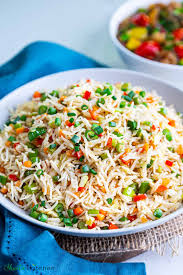
Fried rice is one of the most beloved dishes across the world—simple, versatile, flavorful, and incredibly satisfying. From Asian street markets to luxury dining tables, fried rice appears in countless variations, each reflecting its own cultural identity. Whether made with chicken, eggs, vegetables, prawns, or tofu, fried rice is a universal comfort food that transcends borders.
Its beauty lies in its adaptability: you can turn leftover rice into a mouthwatering dish within minutes, using basic ingredients and high-heat cooking methods. This 2000-word premium guide explores everything about fried rice—its origins, ingredients, cooking techniques, types, expert tips, variations, and a detailed FAQ section. Crafted with a luxurious layout, this guide is perfect for blogs, websites, or educational food content.
🍳 What Is Fried Rice?
Fried rice is a dish made by stir-frying cooked rice with vegetables, proteins, seasonings, and sauces in a hot wok or pan. It blends intense heat, quick cooking, and layered flavors to create a dish that is aromatic, textured, and deeply satisfying.
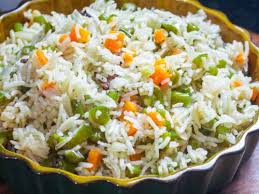
✔ Key Characteristics of Fried Rice
- Quick to cook
- Uses leftover rice perfectly
- Balanced texture—non-sticky, lightly crisp
- Can be made vegetarian or non-vegetarian
- Works as a main dish or a side dish
Nothing compares to the smoky aroma (known as “wok hei”) that forms when fried rice is cooked correctly at high heat.
🌍 Origin & Global Evolution
Fried rice originated in China, dating back to the Sui Dynasty (around 600 AD). Traditional Chinese households made fried rice using leftover rice to avoid waste, gradually turning it into one of the most iconic dishes of Asian cuisine.
Today, fried rice is enjoyed worldwide with countless local adaptations:
- Chinese Fried Rice
- Indonesian Nasi Goreng
- Thai Pineapple Fried Rice
- Japanese Yakimeshi
- Indian Street-Style Fried Rice
- Korean Kimchi Fried Rice
Each version carries its own cultural flavors, spices, and ingredients.
🥗 Ingredients: Building Blocks of Perfect Fried Rice
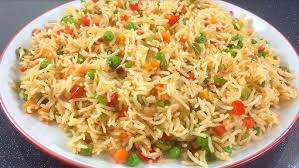
A high-quality fried rice begins with careful ingredient selection. Here’s a premium breakdown:
🍚 1. Rice
The soul of the dish.
Best Type:
- Long-grain rice
- Jasmine rice
- Basmati (for Indian variations)
Important:
Rice should be one-day-old, chilled, and dry to prevent stickiness.
🧅 2. Vegetables
Fresh or frozen vegetables work well.
Common options:
- Carrots
- Beans
- Peas
- Spring onions
- Capsicum
- Sweet corn
Vegetables add crunch, color, and nutrition.
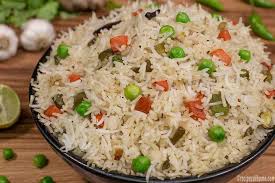
🍗 3. Proteins
Optional but popular additions include:
- Eggs
- Chicken
- Prawns
- Pork
- Tofu
🧄 4. Aromatics
Essential for flavor layering:
- Garlic
- Ginger
- Green chillies (optional)
- Onions
🍜 5. Sauces
These form the flavor base.
- Soy sauce
- Vinegar
- Chilli sauce
- Oyster sauce (optional)
- Sesame oil
🧂 6. Seasonings
- Salt
- Pepper
- Sugar (very small amount)
- Red chilli flakes (optional)
🔥 How to Make Premium Restaurant-Style Fried Rice (Step-by-Step)
Below is a detailed, professional-quality recipe that produces authentic restaurant flavor.
📌 Step 1: Prep the Rice
- Use rice cooked earlier and refrigerated for at least 4–6 hours.
- Break lumps gently with your fingers.
- Ensure each grain is separate and dry.
Why?
Fresh hot rice turns mushy during frying—cold rice stays firm.
📌 Step 2: Heat the Wok
A wok or a wide pan is essential to allow the rice to fry, not steam.
- Heat the wok until smoking hot.
- Add 1–2 tablespoons oil.
High heat is crucial for that signature smoky flavor.
📌 Step 3: Add Aromatics
Sauté on high flame:
- 1 tbsp garlic (finely chopped)
- 1 inch ginger (finely chopped)
- Spring onion whites
Stir for 20–30 seconds until fragrant.
📌 Step 4: Add Vegetables
Add diced carrots, beans, peas, capsicum.
Stir-fry on high flame for 2–3 minutes.
Vegetables should stay crisp, not fully soft.
📌 Step 5: Add Protein (Optional)
If using eggs:
- Scramble 2 eggs in the wok before adding rice.
If using meat:
- Add precooked chicken or prawns.
📌 Step 6: Add Rice
Now add the cold rice.
Fry rice by lifting and tossing, not mashing.
📌 Step 7: Add Sauces & Seasoning
- 1 tbsp soy sauce
- 1 tsp vinegar
- 1 tsp chilli sauce
- ½ tsp pepper
- Salt as needed
- Few drops of sesame oil
Toss everything to coat the rice evenly.
📌 Step 8: Finish with Greens
Add spring onion greens for freshness.
✔ Your restaurant-style fried rice is ready to serve!
🍽️ Types of Fried Rice (Premium Breakdown)
🇨🇳 1. Chinese Fried Rice
Classic, lightly seasoned, high heat cooked.
🇮🇳 2. Indian Street-Style Fried Rice
Spicy, bold, made with red chilli sauce and vinegar.
🍤 3. Prawn Fried Rice
Fragrant, slightly sweet, and ocean-fresh.
🥚 4. Egg Fried Rice
Simple, fluffy, and protein-rich.
🍗 5. Chicken Fried Rice
A global favorite—juicy chicken with smoky rice.
🇰🇷 6. Kimchi Fried Rice
Tangy, spicy, and packed with umami.
🍍 7. Thai Pineapple Fried Rice
Sweet, savory, and aromatic.
🥦 8. Vegetable Fried Rice
Light, healthy, and vegetarian-friendly.
🧑🍳 Professional Tips for Perfect Fried Rice
✔ Use cold rice
Prevents clumping.
✔ Keep the wok extremely hot
High heat gives the restaurant aroma.
✔ Don’t overload the pan
Fry rice in batches if needed.
✔ Add sauces sparingly
Too much sauce makes the rice soggy and dark.
✔ Use sesame oil at the end
Adds a luxurious finishing aroma.
✔ Toss, don’t stir hard
Keeps grains intact.
✔ Add MSG (optional)
Enhances umami flavor (commonly used in restaurants).
🔬 Nutritional Value
Fried rice is a balanced dish when cooked properly.
✔ Carbohydrates
From rice—energy boosting.
✔ Proteins
From eggs, chicken, tofu, prawns.
✔ Vitamins
From vegetables—vitamin A, C, K.
✔ Minerals
Iron, magnesium, potassium.
✔ Fats
Depending on oil used.
🛒 How to Buy the Best Ingredients
✔ Rice
Choose long-grain rice for best texture.
✔ Vegetables
Use fresh, crisp vegetables.
✔ Soy Sauce
Light soy for flavor, dark soy for color.
✔ Oils
Use neutral high-smoke-point oil like sunflower or peanut oil.
❄️ Storage & Leftover Tips
✔ Refrigerator
Store for 24–36 hours.
✔ Freezer
Store up to 1 month.
To reheat:
Stir-fry on high flame for 2 minutes or microwave for 1 minute.
🍴 Serving Ideas
Serve fried rice with:
- Chilli chicken
- Paneer chilli
- Manchurian
- Garlic prawns
- Hot & sour soup
- Spring rolls
❓ Premium FAQ About Fried Rice
1. Why does restaurant fried rice taste better?
Because chefs use high heat, cold rice, and professional woks that create “wok hei” flavor.
2. Can I use fresh rice for fried rice?
Not recommended. Fresh rice becomes sticky and mushy.
3. Which rice is best for fried rice?
Long-grain or jasmine rice works best.
4. Why does my fried rice turn mushy?
Because:
- Rice was hot
- Too much sauce was added
- Pan was not hot enough
5. Can fried rice be made without soy sauce?
Yes. You can use salt, pepper, or liquid aminos as substitutes.
6. Is fried rice healthy?
Yes—if made with less oil and more vegetables.
7. Can I add any vegetables?
Absolutely—broccoli, mushrooms, cabbage, corn, and more.
8. Why is my fried rice not flavorful?
You may need more aromatics, proper seasoning, or higher cooking heat.
9. Can I use basmati rice?
Yes—especially for Indian-style fried rice.
10. What oil is best?
Use oils with a high smoke point like sunflower, palm, peanut, or sesame (for finishing).
🏁 Conclusion
Fried rice is a timeless, global dish—simple yet profound in flavor. With the right ingredients, proper rice preparation, and high-heat cooking, you can easily replicate authentic restaurant-style fried rice at home. Whether you enjoy it plain, packed with vegetables, or loaded with proteins, the possibilities are endless.
This premium guide gives you everything—from origins to techniques, variations to tips—to master the perfect fried rice. Try experimenting with flavors from different cultures to create your own signature version.
Fried Rice Is a Global Favorite
Fried rice is one of the most beloved dishes across the world—simple, versatile, flavorful, and incredibly satisfying. From Asian street markets to luxury dining tables, fried rice appears in countless variations, each reflecting its own cultural identity. Whether made with chicken, eggs, vegetables, prawns, or tofu, fried rice is a universal comfort food that transcends borders.
Its beauty lies in its adaptability: you can turn leftover rice into a mouthwatering dish within minutes, using basic ingredients and high-heat cooking methods. This 2000-word premium guide explores everything about fried rice—its origins, ingredients, cooking techniques, types, expert tips, variations, and a detailed FAQ section. Crafted with a luxurious layout, this guide is perfect for blogs, websites, or educational food content.
🍳 What Is Fried Rice?
Fried rice is a dish made by stir-frying cooked rice with vegetables, proteins, seasonings, and sauces in a hot wok or pan. It blends intense heat, quick cooking, and layered flavors to create a dish that is aromatic, textured, and deeply satisfying.
✔ Key Characteristics of Fried Rice
- Quick to cook
- Uses leftover rice perfectly
- Balanced texture—non-sticky, lightly crisp
- Can be made vegetarian or non-vegetarian
- Works as a main dish or a side dish
Nothing compares to the smoky aroma (known as “wok hei”) that forms when fried rice is cooked correctly at high heat.
🌍 Origin & Global Evolution
Fried rice originated in China, dating back to the Sui Dynasty (around 600 AD). Traditional Chinese households made fried rice using leftover rice to avoid waste, gradually turning it into one of the most iconic dishes of Asian cuisine.
Today, fried rice is enjoyed worldwide with countless local adaptations:
- Chinese Fried Rice
- Indonesian Nasi Goreng
- Thai Pineapple Fried Rice
- Japanese Yakimeshi
- Indian Street-Style Fried Rice
- Korean Kimchi Fried Rice
Each version carries its own cultural flavors, spices, and ingredients.
🥗 Ingredients: Building Blocks of Perfect Fried Rice
A high-quality fried rice begins with careful ingredient selection. Here’s a premium breakdown:
🍚 1. Rice
The soul of the dish.
Best Type:
- Long-grain rice
- Jasmine rice
- Basmati (for Indian variations)
Important:
Rice should be one-day-old, chilled, and dry to prevent stickiness.
🧅 2. Vegetables
Fresh or frozen vegetables work well.
Common options:
- Carrots
- Beans
- Peas
- Spring onions
- Capsicum
- Sweet corn
Vegetables add crunch, color, and nutrition.
🍗 3. Proteins
Optional but popular additions include:
- Eggs
- Chicken
- Prawns
- Pork
- Tofu
🧄 4. Aromatics
Essential for flavor layering:
- Garlic
- Ginger
- Green chillies (optional)
- Onions
🍜 5. Sauces
These form the flavor base.
- Soy sauce
- Vinegar
- Chilli sauce
- Oyster sauce (optional)
- Sesame oil
🧂 6. Seasonings
- Salt
- Pepper
- Sugar (very small amount)
- Red chilli flakes (optional)
🔥 How to Make Premium Restaurant-Style Fried Rice (Step-by-Step)
Below is a detailed, professional-quality recipe that produces authentic restaurant flavor.
📌 Step 1: Prep the Rice
- Use rice cooked earlier and refrigerated for at least 4–6 hours.
- Break lumps gently with your fingers.
- Ensure each grain is separate and dry.
Why?
Fresh hot rice turns mushy during frying—cold rice stays firm.
📌 Step 2: Heat the Wok
A wok or a wide pan is essential to allow the rice to fry, not steam.
- Heat the wok until smoking hot.
- Add 1–2 tablespoons oil.
High heat is crucial for that signature smoky flavor.
📌 Step 3: Add Aromatics
Sauté on high flame:
- 1 tbsp garlic (finely chopped)
- 1 inch ginger (finely chopped)
- Spring onion whites
Stir for 20–30 seconds until fragrant.
📌 Step 4: Add Vegetables
Add diced carrots, beans, peas, capsicum.
Stir-fry on high flame for 2–3 minutes.
Vegetables should stay crisp, not fully soft.
📌 Step 5: Add Protein (Optional)
If using eggs:
- Scramble 2 eggs in the wok before adding rice.
If using meat:
- Add precooked chicken or prawns.
📌 Step 6: Add Rice
Now add the cold rice.
Fry rice by lifting and tossing, not mashing.
📌 Step 7: Add Sauces & Seasoning
- 1 tbsp soy sauce
- 1 tsp vinegar
- 1 tsp chilli sauce
- ½ tsp pepper
- Salt as needed
- Few drops of sesame oil
Toss everything to coat the rice evenly.
📌 Step 8: Finish with Greens
Add spring onion greens for freshness.
✔ Your restaurant-style fried rice is ready to serve!
🍽️ Types of Fried Rice (Premium Breakdown)
🇨🇳 1. Chinese Fried Rice
Classic, lightly seasoned, high heat cooked.
🇮🇳 2. Indian Street-Style Fried Rice
Spicy, bold, made with red chilli sauce and vinegar.
🍤 3. Prawn Fried Rice
Fragrant, slightly sweet, and ocean-fresh.
🥚 4. Egg Fried Rice
Simple, fluffy, and protein-rich.
🍗 5. Chicken Fried Rice
A global favorite—juicy chicken with smoky rice.
🇰🇷 6. Kimchi Fried Rice
Tangy, spicy, and packed with umami.
🍍 7. Thai Pineapple Fried Rice
Sweet, savory, and aromatic.
🥦 8. Vegetable Fried Rice
Light, healthy, and vegetarian-friendly.
🧑🍳 Professional Tips for Perfect Fried Rice
✔ Use cold rice
Prevents clumping.
✔ Keep the wok extremely hot
High heat gives the restaurant aroma.
✔ Don’t overload the pan
Fry rice in batches if needed.
✔ Add sauces sparingly
Too much sauce makes the rice soggy and dark.
✔ Use sesame oil at the end
Adds a luxurious finishing aroma.
✔ Toss, don’t stir hard
Keeps grains intact.
✔ Add MSG (optional)
Enhances umami flavor (commonly used in restaurants).
🔬 Nutritional Value
Fried rice is a balanced dish when cooked properly.
✔ Carbohydrates
From rice—energy boosting.
✔ Proteins
From eggs, chicken, tofu, prawns.
✔ Vitamins
From vegetables—vitamin A, C, K.
✔ Minerals
Iron, magnesium, potassium.
✔ Fats
Depending on oil used.
🛒 How to Buy the Best Ingredients
✔ Rice
Choose long-grain rice for best texture.
✔ Vegetables
Use fresh, crisp vegetables.
✔ Soy Sauce
Light soy for flavor, dark soy for color.
✔ Oils
Use neutral high-smoke-point oil like sunflower or peanut oil.
❄️ Storage & Leftover Tips
✔ Refrigerator
Store for 24–36 hours.
✔ Freezer
Store up to 1 month.
To reheat:
Stir-fry on high flame for 2 minutes or microwave for 1 minute.
🍴 Serving Ideas
Serve fried rice with:
- Chilli chicken
- Paneer chilli
- Manchurian
- Garlic prawns
- Hot & sour soup
- Spring rolls
❓ Premium FAQ About Fried Rice
1. Why does restaurant fried rice taste better?
Because chefs use high heat, cold rice, and professional woks that create “wok hei” flavor.
2. Can I use fresh rice for fried rice?
Not recommended. Fresh rice becomes sticky and mushy.
3. Which rice is best for fried rice?
Long-grain or jasmine rice works best.
4. Why does my fried rice turn mushy?
Because:
- Rice was hot
- Too much sauce was added
- Pan was not hot enough
5. Can fried rice be made without soy sauce?
Yes. You can use salt, pepper, or liquid aminos as substitutes.
6. Is fried rice healthy?
Yes—if made with less oil and more vegetables.
7. Can I add any vegetables?
Absolutely—broccoli, mushrooms, cabbage, corn, and more.
8. Why is my fried rice not flavorful?
You may need more aromatics, proper seasoning, or higher cooking heat.
9. Can I use basmati rice?
Yes—especially for Indian-style fried rice.
10. What oil is best?
Use oils with a high smoke point like sunflower, palm, peanut, or sesame (for finishing).
🏁 Conclusion
Fried rice is a timeless, global dish—simple yet profound in flavor. With the right ingredients, proper rice preparation, and high-heat cooking, you can easily replicate authentic restaurant-style fried rice at home. Whether you enjoy it plain, packed with vegetables, or loaded with proteins, the possibilities are endless.
This premium guide gives you everything—from origins to techniques, variations to tips—to master the perfect fried rice. Try experimenting with flavors from different cultures to create your own signature version.
Fried Rice Is a Global Favorite
Fried rice is one of the most beloved dishes across the world—simple, versatile, flavorful, and incredibly satisfying. From Asian street markets to luxury dining tables, fried rice appears in countless variations, each reflecting its own cultural identity. Whether made with chicken, eggs, vegetables, prawns, or tofu, fried rice is a universal comfort food that transcends borders.
Its beauty lies in its adaptability: you can turn leftover rice into a mouthwatering dish within minutes, using basic ingredients and high-heat cooking methods. This 2000-word premium guide explores everything about fried rice—its origins, ingredients, cooking techniques, types, expert tips, variations, and a detailed FAQ section. Crafted with a luxurious layout, this guide is perfect for blogs, websites, or educational food content.
🍳 What Is Fried Rice?
Fried rice is a dish made by stir-frying cooked rice with vegetables, proteins, seasonings, and sauces in a hot wok or pan. It blends intense heat, quick cooking, and layered flavors to create a dish that is aromatic, textured, and deeply satisfying.
✔ Key Characteristics of Fried Rice
- Quick to cook
- Uses leftover rice perfectly
- Balanced texture—non-sticky, lightly crisp
- Can be made vegetarian or non-vegetarian
- Works as a main dish or a side dish
Nothing compares to the smoky aroma (known as “wok hei”) that forms when fried rice is cooked correctly at high heat.
🌍 Origin & Global Evolution
Fried rice originated in China, dating back to the Sui Dynasty (around 600 AD). Traditional Chinese households made fried rice using leftover rice to avoid waste, gradually turning it into one of the most iconic dishes of Asian cuisine.
Today, fried rice is enjoyed worldwide with countless local adaptations:
- Chinese Fried Rice
- Indonesian Nasi Goreng
- Thai Pineapple Fried Rice
- Japanese Yakimeshi
- Indian Street-Style Fried Rice
- Korean Kimchi Fried Rice
Each version carries its own cultural flavors, spices, and ingredients.
🥗 Ingredients: Building Blocks of Perfect Fried Rice
A high-quality fried rice begins with careful ingredient selection. Here’s a premium breakdown:
🍚 1. Rice
The soul of the dish.
Best Type:
- Long-grain rice
- Jasmine rice
- Basmati (for Indian variations)
Important:
Rice should be one-day-old, chilled, and dry to prevent stickiness.
🧅 2. Vegetables
Fresh or frozen vegetables work well.
Common options:
- Carrots
- Beans
- Peas
- Spring onions
- Capsicum
- Sweet corn
Vegetables add crunch, color, and nutrition.
🍗 3. Proteins
Optional but popular additions include:
- Eggs
- Chicken
- Prawns
- Pork
- Tofu
🧄 4. Aromatics
Essential for flavor layering:
- Garlic
- Ginger
- Green chillies (optional)
- Onions
🍜 5. Sauces
These form the flavor base.
- Soy sauce
- Vinegar
- Chilli sauce
- Oyster sauce (optional)
- Sesame oil
🧂 6. Seasonings
- Salt
- Pepper
- Sugar (very small amount)
- Red chilli flakes (optional)
🔥 How to Make Premium Restaurant-Style Fried Rice (Step-by-Step)
Below is a detailed, professional-quality recipe that produces authentic restaurant flavor.
📌 Step 1: Prep the Rice
- Use rice cooked earlier and refrigerated for at least 4–6 hours.
- Break lumps gently with your fingers.
- Ensure each grain is separate and dry.
Why?
Fresh hot rice turns mushy during frying—cold rice stays firm.
📌 Step 2: Heat the Wok
A wok or a wide pan is essential to allow the rice to fry, not steam.
- Heat the wok until smoking hot.
- Add 1–2 tablespoons oil.
High heat is crucial for that signature smoky flavor.
📌 Step 3: Add Aromatics
Sauté on high flame:
- 1 tbsp garlic (finely chopped)
- 1 inch ginger (finely chopped)
- Spring onion whites
Stir for 20–30 seconds until fragrant.
📌 Step 4: Add Vegetables
Add diced carrots, beans, peas, capsicum.
Stir-fry on high flame for 2–3 minutes.
Vegetables should stay crisp, not fully soft.
📌 Step 5: Add Protein (Optional)
If using eggs:
- Scramble 2 eggs in the wok before adding rice.
If using meat:
- Add precooked chicken or prawns.
📌 Step 6: Add Rice
Now add the cold rice.
Fry rice by lifting and tossing, not mashing.
📌 Step 7: Add Sauces & Seasoning
- 1 tbsp soy sauce
- 1 tsp vinegar
- 1 tsp chilli sauce
- ½ tsp pepper
- Salt as needed
- Few drops of sesame oil
Toss everything to coat the rice evenly.
📌 Step 8: Finish with Greens
Add spring onion greens for freshness.
✔ Your restaurant-style fried rice is ready to serve!
🍽️ Types of Fried Rice (Premium Breakdown)
🇨🇳 1. Chinese Fried Rice
Classic, lightly seasoned, high heat cooked.
🇮🇳 2. Indian Street-Style Fried Rice
Spicy, bold, made with red chilli sauce and vinegar.
🍤 3. Prawn Fried Rice
Fragrant, slightly sweet, and ocean-fresh.
🥚 4. Egg Fried Rice
Simple, fluffy, and protein-rich.
🍗 5. Chicken Fried Rice
A global favorite—juicy chicken with smoky rice.
🇰🇷 6. Kimchi Fried Rice
Tangy, spicy, and packed with umami.
🍍 7. Thai Pineapple Fried Rice
Sweet, savory, and aromatic.
🥦 8. Vegetable Fried Rice
Light, healthy, and vegetarian-friendly.
🧑🍳 Professional Tips for Perfect Fried Rice
✔ Use cold rice
Prevents clumping.
✔ Keep the wok extremely hot
High heat gives the restaurant aroma.
✔ Don’t overload the pan
Fry rice in batches if needed.
✔ Add sauces sparingly
Too much sauce makes the rice soggy and dark.
✔ Use sesame oil at the end
Adds a luxurious finishing aroma.
✔ Toss, don’t stir hard
Keeps grains intact.
✔ Add MSG (optional)
Enhances umami flavor (commonly used in restaurants).
🔬 Nutritional Value
Fried rice is a balanced dish when cooked properly.
✔ Carbohydrates
From rice—energy boosting.
✔ Proteins
From eggs, chicken, tofu, prawns.
✔ Vitamins
From vegetables—vitamin A, C, K.
✔ Minerals
Iron, magnesium, potassium.
✔ Fats
Depending on oil used.
🛒 How to Buy the Best Ingredients
✔ Rice
Choose long-grain rice for best texture.
✔ Vegetables
Use fresh, crisp vegetables.
✔ Soy Sauce
Light soy for flavor, dark soy for color.
✔ Oils
Use neutral high-smoke-point oil like sunflower or peanut oil.
❄️ Storage & Leftover Tips
✔ Refrigerator
Store for 24–36 hours.
✔ Freezer
Store up to 1 month.
To reheat:
Stir-fry on high flame for 2 minutes or microwave for 1 minute.
🍴 Serving Ideas
Serve fried rice with:
- Chilli chicken
- Paneer chilli
- Manchurian
- Garlic prawns
- Hot & sour soup
- Spring rolls
❓ Premium FAQ About Fried Rice
1. Why does restaurant fried rice taste better?
Because chefs use high heat, cold rice, and professional woks that create “wok hei” flavor.
2. Can I use fresh rice for fried rice?
Not recommended. Fresh rice becomes sticky and mushy.
3. Which rice is best for fried rice?
Long-grain or jasmine rice works best.
4. Why does my fried rice turn mushy?
Because:
- Rice was hot
- Too much sauce was added
- Pan was not hot enough
5. Can fried rice be made without soy sauce?
Yes. You can use salt, pepper, or liquid aminos as substitutes.
6. Is fried rice healthy?
Yes—if made with less oil and more vegetables.
7. Can I add any vegetables?
Absolutely—broccoli, mushrooms, cabbage, corn, and more.
8. Why is my fried rice not flavorful?
You may need more aromatics, proper seasoning, or higher cooking heat.
9. Can I use basmati rice?
Yes—especially for Indian-style fried rice.
10. What oil is best?
Use oils with a high smoke point like sunflower, palm, peanut, or sesame (for finishing).
🏁 Conclusion
Fried rice is a timeless, global dish—simple yet profound in flavor. With the right ingredients, proper rice preparation, and high-heat cooking, you can easily replicate authentic restaurant-style fried rice at home. Whether you enjoy it plain, packed with vegetables, or loaded with proteins, the possibilities are endless.
This premium guide gives you everything—from origins to techniques, variations to tips—to master the perfect fried rice. Try experimenting with flavors from different cultures to create your own signature version.
Fried Rice Is a Global Favorite
Fried rice is one of the most beloved dishes across the world—simple, versatile, flavorful, and incredibly satisfying. From Asian street markets to luxury dining tables, fried rice appears in countless variations, each reflecting its own cultural identity. Whether made with chicken, eggs, vegetables, prawns, or tofu, fried rice is a universal comfort food that transcends borders.
Its beauty lies in its adaptability: you can turn leftover rice into a mouthwatering dish within minutes, using basic ingredients and high-heat cooking methods. This 2000-word premium guide explores everything about fried rice—its origins, ingredients, cooking techniques, types, expert tips, variations, and a detailed FAQ section. Crafted with a luxurious layout, this guide is perfect for blogs, websites, or educational food content.
🍳 What Is Fried Rice?
Fried rice is a dish made by stir-frying cooked rice with vegetables, proteins, seasonings, and sauces in a hot wok or pan. It blends intense heat, quick cooking, and layered flavors to create a dish that is aromatic, textured, and deeply satisfying.
✔ Key Characteristics of Fried Rice
- Quick to cook
- Uses leftover rice perfectly
- Balanced texture—non-sticky, lightly crisp
- Can be made vegetarian or non-vegetarian
- Works as a main dish or a side dish
Nothing compares to the smoky aroma (known as “wok hei”) that forms when fried rice is cooked correctly at high heat.
🌍 Origin & Global Evolution
Fried rice originated in China, dating back to the Sui Dynasty (around 600 AD). Traditional Chinese households made fried rice using leftover rice to avoid waste, gradually turning it into one of the most iconic dishes of Asian cuisine.
Today, fried rice is enjoyed worldwide with countless local adaptations:
- Chinese Fried Rice
- Indonesian Nasi Goreng
- Thai Pineapple Fried Rice
- Japanese Yakimeshi
- Indian Street-Style Fried Rice
- Korean Kimchi Fried Rice
Each version carries its own cultural flavors, spices, and ingredients.
🥗 Ingredients: Building Blocks of Perfect Fried Rice
A high-quality fried rice begins with careful ingredient selection. Here’s a premium breakdown:
🍚 1. Rice
The soul of the dish.
Best Type:
- Long-grain rice
- Jasmine rice
- Basmati (for Indian variations)
Important:
Rice should be one-day-old, chilled, and dry to prevent stickiness.
🧅 2. Vegetables
Fresh or frozen vegetables work well.
Common options:
- Carrots
- Beans
- Peas
- Spring onions
- Capsicum
- Sweet corn
Vegetables add crunch, color, and nutrition.
🍗 3. Proteins
Optional but popular additions include:
- Eggs
- Chicken
- Prawns
- Pork
- Tofu
🧄 4. Aromatics
Essential for flavor layering:
- Garlic
- Ginger
- Green chillies (optional)
- Onions
🍜 5. Sauces
These form the flavor base.
- Soy sauce
- Vinegar
- Chilli sauce
- Oyster sauce (optional)
- Sesame oil
🧂 6. Seasonings
- Salt
- Pepper
- Sugar (very small amount)
- Red chilli flakes (optional)
🔥 How to Make Premium Restaurant-Style Fried Rice (Step-by-Step)
Below is a detailed, professional-quality recipe that produces authentic restaurant flavor.
📌 Step 1: Prep the Rice
- Use rice cooked earlier and refrigerated for at least 4–6 hours.
- Break lumps gently with your fingers.
- Ensure each grain is separate and dry.
Why?
Fresh hot rice turns mushy during frying—cold rice stays firm.
📌 Step 2: Heat the Wok
A wok or a wide pan is essential to allow the rice to fry, not steam.
- Heat the wok until smoking hot.
- Add 1–2 tablespoons oil.
High heat is crucial for that signature smoky flavor.
📌 Step 3: Add Aromatics
Sauté on high flame:
- 1 tbsp garlic (finely chopped)
- 1 inch ginger (finely chopped)
- Spring onion whites
Stir for 20–30 seconds until fragrant.
📌 Step 4: Add Vegetables
Add diced carrots, beans, peas, capsicum.
Stir-fry on high flame for 2–3 minutes.
Vegetables should stay crisp, not fully soft.
📌 Step 5: Add Protein (Optional)
If using eggs:
- Scramble 2 eggs in the wok before adding rice.
If using meat:
- Add precooked chicken or prawns.
📌 Step 6: Add Rice
Now add the cold rice.
Fry rice by lifting and tossing, not mashing.
📌 Step 7: Add Sauces & Seasoning
- 1 tbsp soy sauce
- 1 tsp vinegar
- 1 tsp chilli sauce
- ½ tsp pepper
- Salt as needed
- Few drops of sesame oil
Toss everything to coat the rice evenly.
📌 Step 8: Finish with Greens
Add spring onion greens for freshness.
✔ Your restaurant-style fried rice is ready to serve!
🍽️ Types of Fried Rice (Premium Breakdown)
🇨🇳 1. Chinese Fried Rice
Classic, lightly seasoned, high heat cooked.
🇮🇳 2. Indian Street-Style Fried Rice
Spicy, bold, made with red chilli sauce and vinegar.
🍤 3. Prawn Fried Rice
Fragrant, slightly sweet, and ocean-fresh.
🥚 4. Egg Fried Rice
Simple, fluffy, and protein-rich.
🍗 5. Chicken Fried Rice
A global favorite—juicy chicken with smoky rice.
🇰🇷 6. Kimchi Fried Rice
Tangy, spicy, and packed with umami.
🍍 7. Thai Pineapple Fried Rice
Sweet, savory, and aromatic.
🥦 8. Vegetable Fried Rice
Light, healthy, and vegetarian-friendly.
🧑🍳 Professional Tips for Perfect Fried Rice
✔ Use cold rice
Prevents clumping.
✔ Keep the wok extremely hot
High heat gives the restaurant aroma.
✔ Don’t overload the pan
Fry rice in batches if needed.
✔ Add sauces sparingly
Too much sauce makes the rice soggy and dark.
✔ Use sesame oil at the end
Adds a luxurious finishing aroma.
✔ Toss, don’t stir hard
Keeps grains intact.
✔ Add MSG (optional)
Enhances umami flavor (commonly used in restaurants).
🔬 Nutritional Value
Fried rice is a balanced dish when cooked properly.
✔ Carbohydrates
From rice—energy boosting.
✔ Proteins
From eggs, chicken, tofu, prawns.
✔ Vitamins
From vegetables—vitamin A, C, K.
✔ Minerals
Iron, magnesium, potassium.
✔ Fats
Depending on oil used.
🛒 How to Buy the Best Ingredients
✔ Rice
Choose long-grain rice for best texture.
✔ Vegetables
Use fresh, crisp vegetables.
✔ Soy Sauce
Light soy for flavor, dark soy for color.
✔ Oils
Use neutral high-smoke-point oil like sunflower or peanut oil.
❄️ Storage & Leftover Tips
✔ Refrigerator
Store for 24–36 hours.
✔ Freezer
Store up to 1 month.
To reheat:
Stir-fry on high flame for 2 minutes or microwave for 1 minute.
🍴 Serving Ideas
Serve fried rice with:
- Chilli chicken
- Paneer chilli
- Manchurian
- Garlic prawns
- Hot & sour soup
- Spring rolls
❓ Premium FAQ About Fried Rice
1. Why does restaurant fried rice taste better?
Because chefs use high heat, cold rice, and professional woks that create “wok hei” flavor.
2. Can I use fresh rice for fried rice?
Not recommended. Fresh rice becomes sticky and mushy.
3. Which rice is best for fried rice?
Long-grain or jasmine rice works best.
4. Why does my fried rice turn mushy?
Because:
- Rice was hot
- Too much sauce was added
- Pan was not hot enough
5. Can fried rice be made without soy sauce?
Yes. You can use salt, pepper, or liquid aminos as substitutes.
6. Is fried rice healthy?
Yes—if made with less oil and more vegetables.
7. Can I add any vegetables?
Absolutely—broccoli, mushrooms, cabbage, corn, and more.
8. Why is my fried rice not flavorful?
You may need more aromatics, proper seasoning, or higher cooking heat.
9. Can I use basmati rice?
Yes—especially for Indian-style fried rice.
10. What oil is best?
Use oils with a high smoke point like sunflower, palm, peanut, or sesame (for finishing).
🏁 Conclusion
Fried rice is a timeless, global dish—simple yet profound in flavor. With the right ingredients, proper rice preparation, and high-heat cooking, you can easily replicate authentic restaurant-style fried rice at home. Whether you enjoy it plain, packed with vegetables, or loaded with proteins, the possibilities are endless.
This premium guide gives you everything—from origins to techniques, variations to tips—to master the perfect fried rice. Try experimenting with flavors from different cultures to create your own signature version.
Fried Rice Is a Global Favorite
Fried rice is one of the most beloved dishes across the world—simple, versatile, flavorful, and incredibly satisfying. From Asian street markets to luxury dining tables, fried rice appears in countless variations, each reflecting its own cultural identity. Whether made with chicken, eggs, vegetables, prawns, or tofu, fried rice is a universal comfort food that transcends borders.
Its beauty lies in its adaptability: you can turn leftover rice into a mouthwatering dish within minutes, using basic ingredients and high-heat cooking methods. This 2000-word premium guide explores everything about fried rice—its origins, ingredients, cooking techniques, types, expert tips, variations, and a detailed FAQ section. Crafted with a luxurious layout, this guide is perfect for blogs, websites, or educational food content.
🍳 What Is Fried Rice?
Fried rice is a dish made by stir-frying cooked rice with vegetables, proteins, seasonings, and sauces in a hot wok or pan. It blends intense heat, quick cooking, and layered flavors to create a dish that is aromatic, textured, and deeply satisfying.
✔ Key Characteristics of Fried Rice
- Quick to cook
- Uses leftover rice perfectly
- Balanced texture—non-sticky, lightly crisp
- Can be made vegetarian or non-vegetarian
- Works as a main dish or a side dish
Nothing compares to the smoky aroma (known as “wok hei”) that forms when fried rice is cooked correctly at high heat.
🌍 Origin & Global Evolution
Fried rice originated in China, dating back to the Sui Dynasty (around 600 AD). Traditional Chinese households made fried rice using leftover rice to avoid waste, gradually turning it into one of the most iconic dishes of Asian cuisine.
Today, fried rice is enjoyed worldwide with countless local adaptations:
- Chinese Fried Rice
- Indonesian Nasi Goreng
- Thai Pineapple Fried Rice
- Japanese Yakimeshi
- Indian Street-Style Fried Rice
- Korean Kimchi Fried Rice
Each version carries its own cultural flavors, spices, and ingredients.
🥗 Ingredients: Building Blocks of Perfect Fried Rice
A high-quality fried rice begins with careful ingredient selection. Here’s a premium breakdown:
🍚 1. Rice
The soul of the dish.
Best Type:
- Long-grain rice
- Jasmine rice
- Basmati (for Indian variations)
Important:
Rice should be one-day-old, chilled, and dry to prevent stickiness.
🧅 2. Vegetables
Fresh or frozen vegetables work well.
Common options:
- Carrots
- Beans
- Peas
- Spring onions
- Capsicum
- Sweet corn
Vegetables add crunch, color, and nutrition.
🍗 3. Proteins
Optional but popular additions include:
- Eggs
- Chicken
- Prawns
- Pork
- Tofu
🧄 4. Aromatics
Essential for flavor layering:
- Garlic
- Ginger
- Green chillies (optional)
- Onions
🍜 5. Sauces
These form the flavor base.
- Soy sauce
- Vinegar
- Chilli sauce
- Oyster sauce (optional)
- Sesame oil
🧂 6. Seasonings
- Salt
- Pepper
- Sugar (very small amount)
- Red chilli flakes (optional)
🔥 How to Make Premium Restaurant-Style Fried Rice (Step-by-Step)
Below is a detailed, professional-quality recipe that produces authentic restaurant flavor.
📌 Step 1: Prep the Rice
- Use rice cooked earlier and refrigerated for at least 4–6 hours.
- Break lumps gently with your fingers.
- Ensure each grain is separate and dry.
Why?
Fresh hot rice turns mushy during frying—cold rice stays firm.
📌 Step 2: Heat the Wok
A wok or a wide pan is essential to allow the rice to fry, not steam.
- Heat the wok until smoking hot.
- Add 1–2 tablespoons oil.
High heat is crucial for that signature smoky flavor.
📌 Step 3: Add Aromatics
Sauté on high flame:
- 1 tbsp garlic (finely chopped)
- 1 inch ginger (finely chopped)
- Spring onion whites
Stir for 20–30 seconds until fragrant.
📌 Step 4: Add Vegetables
Add diced carrots, beans, peas, capsicum.
Stir-fry on high flame for 2–3 minutes.
Vegetables should stay crisp, not fully soft.
📌 Step 5: Add Protein (Optional)
If using eggs:
- Scramble 2 eggs in the wok before adding rice.
If using meat:
- Add precooked chicken or prawns.
📌 Step 6: Add Rice
Now add the cold rice.
Fry rice by lifting and tossing, not mashing.
📌 Step 7: Add Sauces & Seasoning
- 1 tbsp soy sauce
- 1 tsp vinegar
- 1 tsp chilli sauce
- ½ tsp pepper
- Salt as needed
- Few drops of sesame oil
Toss everything to coat the rice evenly.
📌 Step 8: Finish with Greens
Add spring onion greens for freshness.
✔ Your restaurant-style fried rice is ready to serve!
🍽️ Types of Fried Rice (Premium Breakdown)
🇨🇳 1. Chinese Fried Rice
Classic, lightly seasoned, high heat cooked.
🇮🇳 2. Indian Street-Style Fried Rice
Spicy, bold, made with red chilli sauce and vinegar.
🍤 3. Prawn Fried Rice
Fragrant, slightly sweet, and ocean-fresh.
🥚 4. Egg Fried Rice
Simple, fluffy, and protein-rich.
🍗 5. Chicken Fried Rice
A global favorite—juicy chicken with smoky rice.
🇰🇷 6. Kimchi Fried Rice
Tangy, spicy, and packed with umami.
🍍 7. Thai Pineapple Fried Rice
Sweet, savory, and aromatic.
🥦 8. Vegetable Fried Rice
Light, healthy, and vegetarian-friendly.
🧑🍳 Professional Tips for Perfect Fried Rice
✔ Use cold rice
Prevents clumping.
✔ Keep the wok extremely hot
High heat gives the restaurant aroma.
✔ Don’t overload the pan
Fry rice in batches if needed.
✔ Add sauces sparingly
Too much sauce makes the rice soggy and dark.
✔ Use sesame oil at the end
Adds a luxurious finishing aroma.
✔ Toss, don’t stir hard
Keeps grains intact.
✔ Add MSG (optional)
Enhances umami flavor (commonly used in restaurants).
🔬 Nutritional Value
Fried rice is a balanced dish when cooked properly.
✔ Carbohydrates
From rice—energy boosting.
✔ Proteins
From eggs, chicken, tofu, prawns.
✔ Vitamins
From vegetables—vitamin A, C, K.
✔ Minerals
Iron, magnesium, potassium.
✔ Fats
Depending on oil used.
🛒 How to Buy the Best Ingredients
✔ Rice
Choose long-grain rice for best texture.
✔ Vegetables
Use fresh, crisp vegetables.
✔ Soy Sauce
Light soy for flavor, dark soy for color.
✔ Oils
Use neutral high-smoke-point oil like sunflower or peanut oil.
❄️ Storage & Leftover Tips
✔ Refrigerator
Store for 24–36 hours.
✔ Freezer
Store up to 1 month.
To reheat:
Stir-fry on high flame for 2 minutes or microwave for 1 minute.
🍴 Serving Ideas
Serve fried rice with:
- Chilli chicken
- Paneer chilli
- Manchurian
- Garlic prawns
- Hot & sour soup
- Spring rolls
❓ Premium FAQ About Fried Rice
1. Why does restaurant fried rice taste better?
Because chefs use high heat, cold rice, and professional woks that create “wok hei” flavor.
2. Can I use fresh rice for fried rice?
Not recommended. Fresh rice becomes sticky and mushy.
3. Which rice is best for fried rice?
Long-grain or jasmine rice works best.
4. Why does my fried rice turn mushy?
Because:
- Rice was hot
- Too much sauce was added
- Pan was not hot enough
5. Can fried rice be made without soy sauce?
Yes. You can use salt, pepper, or liquid aminos as substitutes.
6. Is fried rice healthy?
Yes—if made with less oil and more vegetables.
7. Can I add any vegetables?
Absolutely—broccoli, mushrooms, cabbage, corn, and more.
8. Why is my fried rice not flavorful?
You may need more aromatics, proper seasoning, or higher cooking heat.
9. Can I use basmati rice?
Yes—especially for Indian-style fried rice.
10. What oil is best?
Use oils with a high smoke point like sunflower, palm, peanut, or sesame (for finishing).
🏁 Conclusion
Fried rice is a timeless, global dish—simple yet profound in flavor. With the right ingredients, proper rice preparation, and high-heat cooking, you can easily replicate authentic restaurant-style fried rice at home. Whether you enjoy it plain, packed with vegetables, or loaded with proteins, the possibilities are endless.
This premium guide gives you everything—from origins to techniques, variations to tips—to master the perfect fried rice. Try experimenting with flavors from different cultures to create your own signature version.
Fried Rice Is a Global Favorite
Fried rice is one of the most beloved dishes across the world—simple, versatile, flavorful, and incredibly satisfying. From Asian street markets to luxury dining tables, fried rice appears in countless variations, each reflecting its own cultural identity. Whether made with chicken, eggs, vegetables, prawns, or tofu, fried rice is a universal comfort food that transcends borders.
Its beauty lies in its adaptability: you can turn leftover rice into a mouthwatering dish within minutes, using basic ingredients and high-heat cooking methods. This 2000-word premium guide explores everything about fried rice—its origins, ingredients, cooking techniques, types, expert tips, variations, and a detailed FAQ section. Crafted with a luxurious layout, this guide is perfect for blogs, websites, or educational food content.
🍳 What Is Fried Rice?
Fried rice is a dish made by stir-frying cooked rice with vegetables, proteins, seasonings, and sauces in a hot wok or pan. It blends intense heat, quick cooking, and layered flavors to create a dish that is aromatic, textured, and deeply satisfying.
✔ Key Characteristics of Fried Rice
- Quick to cook
- Uses leftover rice perfectly
- Balanced texture—non-sticky, lightly crisp
- Can be made vegetarian or non-vegetarian
- Works as a main dish or a side dish
Nothing compares to the smoky aroma (known as “wok hei”) that forms when fried rice is cooked correctly at high heat.
🌍 Origin & Global Evolution
Fried rice originated in China, dating back to the Sui Dynasty (around 600 AD). Traditional Chinese households made fried rice using leftover rice to avoid waste, gradually turning it into one of the most iconic dishes of Asian cuisine.
Today, fried rice is enjoyed worldwide with countless local adaptations:
- Chinese Fried Rice
- Indonesian Nasi Goreng
- Thai Pineapple Fried Rice
- Japanese Yakimeshi
- Indian Street-Style Fried Rice
- Korean Kimchi Fried Rice
Each version carries its own cultural flavors, spices, and ingredients.
🥗 Ingredients: Building Blocks of Perfect Fried Rice
A high-quality fried rice begins with careful ingredient selection. Here’s a premium breakdown:
🍚 1. Rice
The soul of the dish.
Best Type:
- Long-grain rice
- Jasmine rice
- Basmati (for Indian variations)
Important:
Rice should be one-day-old, chilled, and dry to prevent stickiness.
🧅 2. Vegetables
Fresh or frozen vegetables work well.
Common options:
- Carrots
- Beans
- Peas
- Spring onions
- Capsicum
- Sweet corn
Vegetables add crunch, color, and nutrition.
🍗 3. Proteins
Optional but popular additions include:
- Eggs
- Chicken
- Prawns
- Pork
- Tofu
🧄 4. Aromatics
Essential for flavor layering:
- Garlic
- Ginger
- Green chillies (optional)
- Onions
🍜 5. Sauces
These form the flavor base.
- Soy sauce
- Vinegar
- Chilli sauce
- Oyster sauce (optional)
- Sesame oil
🧂 6. Seasonings
- Salt
- Pepper
- Sugar (very small amount)
- Red chilli flakes (optional)
🔥 How to Make Premium Restaurant-Style Fried Rice (Step-by-Step)
Below is a detailed, professional-quality recipe that produces authentic restaurant flavor.
📌 Step 1: Prep the Rice
- Use rice cooked earlier and refrigerated for at least 4–6 hours.
- Break lumps gently with your fingers.
- Ensure each grain is separate and dry.
Why?
Fresh hot rice turns mushy during frying—cold rice stays firm.
📌 Step 2: Heat the Wok
A wok or a wide pan is essential to allow the rice to fry, not steam.
- Heat the wok until smoking hot.
- Add 1–2 tablespoons oil.
High heat is crucial for that signature smoky flavor.
📌 Step 3: Add Aromatics
Sauté on high flame:
- 1 tbsp garlic (finely chopped)
- 1 inch ginger (finely chopped)
- Spring onion whites
Stir for 20–30 seconds until fragrant.
📌 Step 4: Add Vegetables
Add diced carrots, beans, peas, capsicum.
Stir-fry on high flame for 2–3 minutes.
Vegetables should stay crisp, not fully soft.
📌 Step 5: Add Protein (Optional)
If using eggs:
- Scramble 2 eggs in the wok before adding rice.
If using meat:
- Add precooked chicken or prawns.
📌 Step 6: Add Rice
Now add the cold rice.
Fry rice by lifting and tossing, not mashing.
📌 Step 7: Add Sauces & Seasoning
- 1 tbsp soy sauce
- 1 tsp vinegar
- 1 tsp chilli sauce
- ½ tsp pepper
- Salt as needed
- Few drops of sesame oil
Toss everything to coat the rice evenly.
📌 Step 8: Finish with Greens
Add spring onion greens for freshness.
✔ Your restaurant-style fried rice is ready to serve!
🍽️ Types of Fried Rice (Premium Breakdown)
🇨🇳 1. Chinese Fried Rice
Classic, lightly seasoned, high heat cooked.
🇮🇳 2. Indian Street-Style Fried Rice
Spicy, bold, made with red chilli sauce and vinegar.
🍤 3. Prawn Fried Rice
Fragrant, slightly sweet, and ocean-fresh.
🥚 4. Egg Fried Rice
Simple, fluffy, and protein-rich.
🍗 5. Chicken Fried Rice
A global favorite—juicy chicken with smoky rice.
🇰🇷 6. Kimchi Fried Rice
Tangy, spicy, and packed with umami.
🍍 7. Thai Pineapple Fried Rice
Sweet, savory, and aromatic.
🥦 8. Vegetable Fried Rice
Light, healthy, and vegetarian-friendly.
🧑🍳 Professional Tips for Perfect Fried Rice
✔ Use cold rice
Prevents clumping.
✔ Keep the wok extremely hot
High heat gives the restaurant aroma.
✔ Don’t overload the pan
Fry rice in batches if needed.
✔ Add sauces sparingly
Too much sauce makes the rice soggy and dark.
✔ Use sesame oil at the end
Adds a luxurious finishing aroma.
✔ Toss, don’t stir hard
Keeps grains intact.
✔ Add MSG (optional)
Enhances umami flavor (commonly used in restaurants).
🔬 Nutritional Value
Fried rice is a balanced dish when cooked properly.
✔ Carbohydrates
From rice—energy boosting.
✔ Proteins
From eggs, chicken, tofu, prawns.
✔ Vitamins
From vegetables—vitamin A, C, K.
✔ Minerals
Iron, magnesium, potassium.
✔ Fats
Depending on oil used.
🛒 How to Buy the Best Ingredients
✔ Rice
Choose long-grain rice for best texture.
✔ Vegetables
Use fresh, crisp vegetables.
✔ Soy Sauce
Light soy for flavor, dark soy for color.
✔ Oils
Use neutral high-smoke-point oil like sunflower or peanut oil.
❄️ Storage & Leftover Tips
✔ Refrigerator
Store for 24–36 hours.
✔ Freezer
Store up to 1 month.
To reheat:
Stir-fry on high flame for 2 minutes or microwave for 1 minute.
🍴 Serving Ideas
Serve fried rice with:
- Chilli chicken
- Paneer chilli
- Manchurian
- Garlic prawns
- Hot & sour soup
- Spring rolls
❓ Premium FAQ About Fried Rice
1. Why does restaurant fried rice taste better?
Because chefs use high heat, cold rice, and professional woks that create “wok hei” flavor.
2. Can I use fresh rice for fried rice?
Not recommended. Fresh rice becomes sticky and mushy.
3. Which rice is best for fried rice?
Long-grain or jasmine rice works best.
4. Why does my fried rice turn mushy?
Because:
- Rice was hot
- Too much sauce was added
- Pan was not hot enough
5. Can fried rice be made without soy sauce?
Yes. You can use salt, pepper, or liquid aminos as substitutes.
6. Is fried rice healthy?
Yes—if made with less oil and more vegetables.
7. Can I add any vegetables?
Absolutely—broccoli, mushrooms, cabbage, corn, and more.
8. Why is my fried rice not flavorful?
You may need more aromatics, proper seasoning, or higher cooking heat.
9. Can I use basmati rice?
Yes—especially for Indian-style fried rice.
10. What oil is best?
Use oils with a high smoke point like sunflower, palm, peanut, or sesame (for finishing).
🏁 Conclusion
Fried rice is a timeless, global dish—simple yet profound in flavor. With the right ingredients, proper rice preparation, and high-heat cooking, you can easily replicate authentic restaurant-style fried rice at home. Whether you enjoy it plain, packed with vegetables, or loaded with proteins, the possibilities are endless.
This premium guide gives you everything—from origins to techniques, variations to tips—to master the perfect fried rice. Try experimenting with flavors from different cultures to create your own signature version.
Fried Rice Is a Global Favorite
Fried rice is one of the most beloved dishes across the world—simple, versatile, flavorful, and incredibly satisfying. From Asian street markets to luxury dining tables, fried rice appears in countless variations, each reflecting its own cultural identity. Whether made with chicken, eggs, vegetables, prawns, or tofu, fried rice is a universal comfort food that transcends borders.
Its beauty lies in its adaptability: you can turn leftover rice into a mouthwatering dish within minutes, using basic ingredients and high-heat cooking methods. This 2000-word premium guide explores everything about fried rice—its origins, ingredients, cooking techniques, types, expert tips, variations, and a detailed FAQ section. Crafted with a luxurious layout, this guide is perfect for blogs, websites, or educational food content.
🍳 What Is Fried Rice?
Fried rice is a dish made by stir-frying cooked rice with vegetables, proteins, seasonings, and sauces in a hot wok or pan. It blends intense heat, quick cooking, and layered flavors to create a dish that is aromatic, textured, and deeply satisfying.
✔ Key Characteristics of Fried Rice
- Quick to cook
- Uses leftover rice perfectly
- Balanced texture—non-sticky, lightly crisp
- Can be made vegetarian or non-vegetarian
- Works as a main dish or a side dish
Nothing compares to the smoky aroma (known as “wok hei”) that forms when fried rice is cooked correctly at high heat.
🌍 Origin & Global Evolution
Fried rice originated in China, dating back to the Sui Dynasty (around 600 AD). Traditional Chinese households made fried rice using leftover rice to avoid waste, gradually turning it into one of the most iconic dishes of Asian cuisine.
Today, fried rice is enjoyed worldwide with countless local adaptations:
- Chinese Fried Rice
- Indonesian Nasi Goreng
- Thai Pineapple Fried Rice
- Japanese Yakimeshi
- Indian Street-Style Fried Rice
- Korean Kimchi Fried Rice
Each version carries its own cultural flavors, spices, and ingredients.
🥗 Ingredients: Building Blocks of Perfect Fried Rice
A high-quality fried rice begins with careful ingredient selection. Here’s a premium breakdown:
🍚 1. Rice
The soul of the dish.
Best Type:
- Long-grain rice
- Jasmine rice
- Basmati (for Indian variations)
Important:
Rice should be one-day-old, chilled, and dry to prevent stickiness.
🧅 2. Vegetables
Fresh or frozen vegetables work well.
Common options:
- Carrots
- Beans
- Peas
- Spring onions
- Capsicum
- Sweet corn
Vegetables add crunch, color, and nutrition.
🍗 3. Proteins
Optional but popular additions include:
- Eggs
- Chicken
- Prawns
- Pork
- Tofu
🧄 4. Aromatics
Essential for flavor layering:
- Garlic
- Ginger
- Green chillies (optional)
- Onions
🍜 5. Sauces
These form the flavor base.
- Soy sauce
- Vinegar
- Chilli sauce
- Oyster sauce (optional)
- Sesame oil
🧂 6. Seasonings
- Salt
- Pepper
- Sugar (very small amount)
- Red chilli flakes (optional)
🔥 How to Make Premium Restaurant-Style Fried Rice (Step-by-Step)
Below is a detailed, professional-quality recipe that produces authentic restaurant flavor.
📌 Step 1: Prep the Rice
- Use rice cooked earlier and refrigerated for at least 4–6 hours.
- Break lumps gently with your fingers.
- Ensure each grain is separate and dry.
Why?
Fresh hot rice turns mushy during frying—cold rice stays firm.
📌 Step 2: Heat the Wok
A wok or a wide pan is essential to allow the rice to fry, not steam.
- Heat the wok until smoking hot.
- Add 1–2 tablespoons oil.
High heat is crucial for that signature smoky flavor.
📌 Step 3: Add Aromatics
Sauté on high flame:
- 1 tbsp garlic (finely chopped)
- 1 inch ginger (finely chopped)
- Spring onion whites
Stir for 20–30 seconds until fragrant.
📌 Step 4: Add Vegetables
Add diced carrots, beans, peas, capsicum.
Stir-fry on high flame for 2–3 minutes.
Vegetables should stay crisp, not fully soft.
📌 Step 5: Add Protein (Optional)
If using eggs:
- Scramble 2 eggs in the wok before adding rice.
If using meat:
- Add precooked chicken or prawns.
📌 Step 6: Add Rice
Now add the cold rice.
Fry rice by lifting and tossing, not mashing.
📌 Step 7: Add Sauces & Seasoning
- 1 tbsp soy sauce
- 1 tsp vinegar
- 1 tsp chilli sauce
- ½ tsp pepper
- Salt as needed
- Few drops of sesame oil
Toss everything to coat the rice evenly.
📌 Step 8: Finish with Greens
Add spring onion greens for freshness.
✔ Your restaurant-style fried rice is ready to serve!
🍽️ Types of Fried Rice (Premium Breakdown)
🇨🇳 1. Chinese Fried Rice
Classic, lightly seasoned, high heat cooked.
🇮🇳 2. Indian Street-Style Fried Rice
Spicy, bold, made with red chilli sauce and vinegar.
🍤 3. Prawn Fried Rice
Fragrant, slightly sweet, and ocean-fresh.
🥚 4. Egg Fried Rice
Simple, fluffy, and protein-rich.
🍗 5. Chicken Fried Rice
A global favorite—juicy chicken with smoky rice.
🇰🇷 6. Kimchi Fried Rice
Tangy, spicy, and packed with umami.
🍍 7. Thai Pineapple Fried Rice
Sweet, savory, and aromatic.
🥦 8. Vegetable Fried Rice
Light, healthy, and vegetarian-friendly.
🧑🍳 Professional Tips for Perfect Fried Rice
✔ Use cold rice
Prevents clumping.
✔ Keep the wok extremely hot
High heat gives the restaurant aroma.
✔ Don’t overload the pan
Fry rice in batches if needed.
✔ Add sauces sparingly
Too much sauce makes the rice soggy and dark.
✔ Use sesame oil at the end
Adds a luxurious finishing aroma.
✔ Toss, don’t stir hard
Keeps grains intact.
✔ Add MSG (optional)
Enhances umami flavor (commonly used in restaurants).
🔬 Nutritional Value
Fried rice is a balanced dish when cooked properly.
✔ Carbohydrates
From rice—energy boosting.
✔ Proteins
From eggs, chicken, tofu, prawns.
✔ Vitamins
From vegetables—vitamin A, C, K.
✔ Minerals
Iron, magnesium, potassium.
✔ Fats
Depending on oil used.
🛒 How to Buy the Best Ingredients
✔ Rice
Choose long-grain rice for best texture.
✔ Vegetables
Use fresh, crisp vegetables.
✔ Soy Sauce
Light soy for flavor, dark soy for color.
✔ Oils
Use neutral high-smoke-point oil like sunflower or peanut oil.
❄️ Storage & Leftover Tips
✔ Refrigerator
Store for 24–36 hours.
✔ Freezer
Store up to 1 month.
To reheat:
Stir-fry on high flame for 2 minutes or microwave for 1 minute.
🍴 Serving Ideas
Serve fried rice with:
- Chilli chicken
- Paneer chilli
- Manchurian
- Garlic prawns
- Hot & sour soup
- Spring rolls
❓ Premium FAQ About Fried Rice
1. Why does restaurant fried rice taste better?
Because chefs use high heat, cold rice, and professional woks that create “wok hei” flavor.
2. Can I use fresh rice for fried rice?
Not recommended. Fresh rice becomes sticky and mushy.
3. Which rice is best for fried rice?
Long-grain or jasmine rice works best.
4. Why does my fried rice turn mushy?
Because:
- Rice was hot
- Too much sauce was added
- Pan was not hot enough
5. Can fried rice be made without soy sauce?
Yes. You can use salt, pepper, or liquid aminos as substitutes.
6. Is fried rice healthy?
Yes—if made with less oil and more vegetables.
7. Can I add any vegetables?
Absolutely—broccoli, mushrooms, cabbage, corn, and more.
8. Why is my fried rice not flavorful?
You may need more aromatics, proper seasoning, or higher cooking heat.
9. Can I use basmati rice?
Yes—especially for Indian-style fried rice.
10. What oil is best?
Use oils with a high smoke point like sunflower, palm, peanut, or sesame (for finishing).
🏁 Conclusion
Fried rice is a timeless, global dish—simple yet profound in flavor. With the right ingredients, proper rice preparation, and high-heat cooking, you can easily replicate authentic restaurant-style fried rice at home. Whether you enjoy it plain, packed with vegetables, or loaded with proteins, the possibilities are endless.
This premium guide gives you everything—from origins to techniques, variations to tips—to master the perfect fried rice. Try experimenting with flavors from different cultures to create your own signature version.
Fried Rice Is a Global Favorite
Fried rice is one of the most beloved dishes across the world—simple, versatile, flavorful, and incredibly satisfying. From Asian street markets to luxury dining tables, fried rice appears in countless variations, each reflecting its own cultural identity. Whether made with chicken, eggs, vegetables, prawns, or tofu, fried rice is a universal comfort food that transcends borders.
Its beauty lies in its adaptability: you can turn leftover rice into a mouthwatering dish within minutes, using basic ingredients and high-heat cooking methods. This 2000-word premium guide explores everything about fried rice—its origins, ingredients, cooking techniques, types, expert tips, variations, and a detailed FAQ section. Crafted with a luxurious layout, this guide is perfect for blogs, websites, or educational food content.
🍳 What Is Fried Rice?
Fried rice is a dish made by stir-frying cooked rice with vegetables, proteins, seasonings, and sauces in a hot wok or pan. It blends intense heat, quick cooking, and layered flavors to create a dish that is aromatic, textured, and deeply satisfying.
✔ Key Characteristics of Fried Rice
- Quick to cook
- Uses leftover rice perfectly
- Balanced texture—non-sticky, lightly crisp
- Can be made vegetarian or non-vegetarian
- Works as a main dish or a side dish
Nothing compares to the smoky aroma (known as “wok hei”) that forms when fried rice is cooked correctly at high heat.
🌍 Origin & Global Evolution
Fried rice originated in China, dating back to the Sui Dynasty (around 600 AD). Traditional Chinese households made fried rice using leftover rice to avoid waste, gradually turning it into one of the most iconic dishes of Asian cuisine.
Today, fried rice is enjoyed worldwide with countless local adaptations:
- Chinese Fried Rice
- Indonesian Nasi Goreng
- Thai Pineapple Fried Rice
- Japanese Yakimeshi
- Indian Street-Style Fried Rice
- Korean Kimchi Fried Rice
Each version carries its own cultural flavors, spices, and ingredients.
🥗 Ingredients: Building Blocks of Perfect Fried Rice
A high-quality fried rice begins with careful ingredient selection. Here’s a premium breakdown:
🍚 1. Rice
The soul of the dish.
Best Type:
- Long-grain rice
- Jasmine rice
- Basmati (for Indian variations)
Important:
Rice should be one-day-old, chilled, and dry to prevent stickiness.
🧅 2. Vegetables
Fresh or frozen vegetables work well.
Common options:
- Carrots
- Beans
- Peas
- Spring onions
- Capsicum
- Sweet corn
Vegetables add crunch, color, and nutrition.
🍗 3. Proteins
Optional but popular additions include:
- Eggs
- Chicken
- Prawns
- Pork
- Tofu
🧄 4. Aromatics
Essential for flavor layering:
- Garlic
- Ginger
- Green chillies (optional)
- Onions
🍜 5. Sauces
These form the flavor base.
- Soy sauce
- Vinegar
- Chilli sauce
- Oyster sauce (optional)
- Sesame oil
🧂 6. Seasonings
- Salt
- Pepper
- Sugar (very small amount)
- Red chilli flakes (optional)
🔥 How to Make Premium Restaurant-Style Fried Rice (Step-by-Step)
Below is a detailed, professional-quality recipe that produces authentic restaurant flavor.
📌 Step 1: Prep the Rice
- Use rice cooked earlier and refrigerated for at least 4–6 hours.
- Break lumps gently with your fingers.
- Ensure each grain is separate and dry.
Why?
Fresh hot rice turns mushy during frying—cold rice stays firm.
📌 Step 2: Heat the Wok
A wok or a wide pan is essential to allow the rice to fry, not steam.
- Heat the wok until smoking hot.
- Add 1–2 tablespoons oil.
High heat is crucial for that signature smoky flavor.
📌 Step 3: Add Aromatics
Sauté on high flame:
- 1 tbsp garlic (finely chopped)
- 1 inch ginger (finely chopped)
- Spring onion whites
Stir for 20–30 seconds until fragrant.
📌 Step 4: Add Vegetables
Add diced carrots, beans, peas, capsicum.
Stir-fry on high flame for 2–3 minutes.
Vegetables should stay crisp, not fully soft.
📌 Step 5: Add Protein (Optional)
If using eggs:
- Scramble 2 eggs in the wok before adding rice.
If using meat:
- Add precooked chicken or prawns.
📌 Step 6: Add Rice
Now add the cold rice.
Fry rice by lifting and tossing, not mashing.
📌 Step 7: Add Sauces & Seasoning
- 1 tbsp soy sauce
- 1 tsp vinegar
- 1 tsp chilli sauce
- ½ tsp pepper
- Salt as needed
- Few drops of sesame oil
Toss everything to coat the rice evenly.
📌 Step 8: Finish with Greens
Add spring onion greens for freshness.
✔ Your restaurant-style fried rice is ready to serve!
🍽️ Types of Fried Rice (Premium Breakdown)
🇨🇳 1. Chinese Fried Rice
Classic, lightly seasoned, high heat cooked.
🇮🇳 2. Indian Street-Style Fried Rice
Spicy, bold, made with red chilli sauce and vinegar.
🍤 3. Prawn Fried Rice
Fragrant, slightly sweet, and ocean-fresh.
🥚 4. Egg Fried Rice
Simple, fluffy, and protein-rich.
🍗 5. Chicken Fried Rice
A global favorite—juicy chicken with smoky rice.
🇰🇷 6. Kimchi Fried Rice
Tangy, spicy, and packed with umami.
🍍 7. Thai Pineapple Fried Rice
Sweet, savory, and aromatic.
🥦 8. Vegetable Fried Rice
Light, healthy, and vegetarian-friendly.
🧑🍳 Professional Tips for Perfect Fried Rice
✔ Use cold rice
Prevents clumping.
✔ Keep the wok extremely hot
High heat gives the restaurant aroma.
✔ Don’t overload the pan
Fry rice in batches if needed.
✔ Add sauces sparingly
Too much sauce makes the rice soggy and dark.
✔ Use sesame oil at the end
Adds a luxurious finishing aroma.
✔ Toss, don’t stir hard
Keeps grains intact.
✔ Add MSG (optional)
Enhances umami flavor (commonly used in restaurants).
🔬 Nutritional Value
Fried rice is a balanced dish when cooked properly.
✔ Carbohydrates
From rice—energy boosting.
✔ Proteins
From eggs, chicken, tofu, prawns.
✔ Vitamins
From vegetables—vitamin A, C, K.
✔ Minerals
Iron, magnesium, potassium.
✔ Fats
Depending on oil used.
🛒 How to Buy the Best Ingredients
✔ Rice
Choose long-grain rice for best texture.
✔ Vegetables
Use fresh, crisp vegetables.
✔ Soy Sauce
Light soy for flavor, dark soy for color.
✔ Oils
Use neutral high-smoke-point oil like sunflower or peanut oil.
❄️ Storage & Leftover Tips
✔ Refrigerator
Store for 24–36 hours.
✔ Freezer
Store up to 1 month.
To reheat:
Stir-fry on high flame for 2 minutes or microwave for 1 minute.
🍴 Serving Ideas
Serve fried rice with:
- Chilli chicken
- Paneer chilli
- Manchurian
- Garlic prawns
- Hot & sour soup
- Spring rolls
❓ Premium FAQ About Fried Rice
1. Why does restaurant fried rice taste better?
Because chefs use high heat, cold rice, and professional woks that create “wok hei” flavor.
2. Can I use fresh rice for fried rice?
Not recommended. Fresh rice becomes sticky and mushy.
3. Which rice is best for fried rice?
Long-grain or jasmine rice works best.
4. Why does my fried rice turn mushy?
Because:
- Rice was hot
- Too much sauce was added
- Pan was not hot enough
5. Can fried rice be made without soy sauce?
Yes. You can use salt, pepper, or liquid aminos as substitutes.
6. Is fried rice healthy?
Yes—if made with less oil and more vegetables.
7. Can I add any vegetables?
Absolutely—broccoli, mushrooms, cabbage, corn, and more.
8. Why is my fried rice not flavorful?
You may need more aromatics, proper seasoning, or higher cooking heat.
9. Can I use basmati rice?
Yes—especially for Indian-style fried rice.
10. What oil is best?
Use oils with a high smoke point like sunflower, palm, peanut, or sesame (for finishing).
🏁 Conclusion
Fried rice is a timeless, global dish—simple yet profound in flavor. With the right ingredients, proper rice preparation, and high-heat cooking, you can easily replicate authentic restaurant-style fried rice at home. Whether you enjoy it plain, packed with vegetables, or loaded with proteins, the possibilities are endless.
This premium guide gives you everything—from origins to techniques, variations to tips—to master the perfect fried rice. Try experimenting with flavors from different cultures to create your own signature version.
Fried Rice Is a Global Favorite
Fried rice is one of the most beloved dishes across the world—simple, versatile, flavorful, and incredibly satisfying. From Asian street markets to luxury dining tables, fried rice appears in countless variations, each reflecting its own cultural identity. Whether made with chicken, eggs, vegetables, prawns, or tofu, fried rice is a universal comfort food that transcends borders.
Its beauty lies in its adaptability: you can turn leftover rice into a mouthwatering dish within minutes, using basic ingredients and high-heat cooking methods. This 2000-word premium guide explores everything about fried rice—its origins, ingredients, cooking techniques, types, expert tips, variations, and a detailed FAQ section. Crafted with a luxurious layout, this guide is perfect for blogs, websites, or educational food content.
🍳 What Is Fried Rice?
Fried rice is a dish made by stir-frying cooked rice with vegetables, proteins, seasonings, and sauces in a hot wok or pan. It blends intense heat, quick cooking, and layered flavors to create a dish that is aromatic, textured, and deeply satisfying.
✔ Key Characteristics of Fried Rice
- Quick to cook
- Uses leftover rice perfectly
- Balanced texture—non-sticky, lightly crisp
- Can be made vegetarian or non-vegetarian
- Works as a main dish or a side dish
Nothing compares to the smoky aroma (known as “wok hei”) that forms when fried rice is cooked correctly at high heat.
🌍 Origin & Global Evolution
Fried rice originated in China, dating back to the Sui Dynasty (around 600 AD). Traditional Chinese households made fried rice using leftover rice to avoid waste, gradually turning it into one of the most iconic dishes of Asian cuisine.
Today, fried rice is enjoyed worldwide with countless local adaptations:
- Chinese Fried Rice
- Indonesian Nasi Goreng
- Thai Pineapple Fried Rice
- Japanese Yakimeshi
- Indian Street-Style Fried Rice
- Korean Kimchi Fried Rice
Each version carries its own cultural flavors, spices, and ingredients.
🥗 Ingredients: Building Blocks of Perfect Fried Rice
A high-quality fried rice begins with careful ingredient selection. Here’s a premium breakdown:
🍚 1. Rice
The soul of the dish.
Best Type:
- Long-grain rice
- Jasmine rice
- Basmati (for Indian variations)
Important:
Rice should be one-day-old, chilled, and dry to prevent stickiness.
🧅 2. Vegetables
Fresh or frozen vegetables work well.
Common options:
- Carrots
- Beans
- Peas
- Spring onions
- Capsicum
- Sweet corn
Vegetables add crunch, color, and nutrition.
🍗 3. Proteins
Optional but popular additions include:
- Eggs
- Chicken
- Prawns
- Pork
- Tofu
🧄 4. Aromatics
Essential for flavor layering:
- Garlic
- Ginger
- Green chillies (optional)
- Onions
🍜 5. Sauces
These form the flavor base.
- Soy sauce
- Vinegar
- Chilli sauce
- Oyster sauce (optional)
- Sesame oil
🧂 6. Seasonings
- Salt
- Pepper
- Sugar (very small amount)
- Red chilli flakes (optional)
🔥 How to Make Premium Restaurant-Style Fried Rice (Step-by-Step)
Below is a detailed, professional-quality recipe that produces authentic restaurant flavor.
📌 Step 1: Prep the Rice
- Use rice cooked earlier and refrigerated for at least 4–6 hours.
- Break lumps gently with your fingers.
- Ensure each grain is separate and dry.
Why?
Fresh hot rice turns mushy during frying—cold rice stays firm.
📌 Step 2: Heat the Wok
A wok or a wide pan is essential to allow the rice to fry, not steam.
- Heat the wok until smoking hot.
- Add 1–2 tablespoons oil.
High heat is crucial for that signature smoky flavor.
📌 Step 3: Add Aromatics
Sauté on high flame:
- 1 tbsp garlic (finely chopped)
- 1 inch ginger (finely chopped)
- Spring onion whites
Stir for 20–30 seconds until fragrant.
📌 Step 4: Add Vegetables
Add diced carrots, beans, peas, capsicum.
Stir-fry on high flame for 2–3 minutes.
Vegetables should stay crisp, not fully soft.
📌 Step 5: Add Protein (Optional)
If using eggs:
- Scramble 2 eggs in the wok before adding rice.
If using meat:
- Add precooked chicken or prawns.
📌 Step 6: Add Rice
Now add the cold rice.
Fry rice by lifting and tossing, not mashing.
📌 Step 7: Add Sauces & Seasoning
- 1 tbsp soy sauce
- 1 tsp vinegar
- 1 tsp chilli sauce
- ½ tsp pepper
- Salt as needed
- Few drops of sesame oil
Toss everything to coat the rice evenly.
📌 Step 8: Finish with Greens
Add spring onion greens for freshness.
✔ Your restaurant-style fried rice is ready to serve!
🍽️ Types of Fried Rice (Premium Breakdown)
🇨🇳 1. Chinese Fried Rice
Classic, lightly seasoned, high heat cooked.
🇮🇳 2. Indian Street-Style Fried Rice
Spicy, bold, made with red chilli sauce and vinegar.
🍤 3. Prawn Fried Rice
Fragrant, slightly sweet, and ocean-fresh.
🥚 4. Egg Fried Rice
Simple, fluffy, and protein-rich.
🍗 5. Chicken Fried Rice
A global favorite—juicy chicken with smoky rice.
🇰🇷 6. Kimchi Fried Rice
Tangy, spicy, and packed with umami.
🍍 7. Thai Pineapple Fried Rice
Sweet, savory, and aromatic.
🥦 8. Vegetable Fried Rice
Light, healthy, and vegetarian-friendly.
🧑🍳 Professional Tips for Perfect Fried Rice
✔ Use cold rice
Prevents clumping.
✔ Keep the wok extremely hot
High heat gives the restaurant aroma.
✔ Don’t overload the pan
Fry rice in batches if needed.
✔ Add sauces sparingly
Too much sauce makes the rice soggy and dark.
✔ Use sesame oil at the end
Adds a luxurious finishing aroma.
✔ Toss, don’t stir hard
Keeps grains intact.
✔ Add MSG (optional)
Enhances umami flavor (commonly used in restaurants).
🔬 Nutritional Value
Fried rice is a balanced dish when cooked properly.
✔ Carbohydrates
From rice—energy boosting.
✔ Proteins
From eggs, chicken, tofu, prawns.
✔ Vitamins
From vegetables—vitamin A, C, K.
✔ Minerals
Iron, magnesium, potassium.
✔ Fats
Depending on oil used.
🛒 How to Buy the Best Ingredients
✔ Rice
Choose long-grain rice for best texture.
✔ Vegetables
Use fresh, crisp vegetables.
✔ Soy Sauce
Light soy for flavor, dark soy for color.
✔ Oils
Use neutral high-smoke-point oil like sunflower or peanut oil.
❄️ Storage & Leftover Tips
✔ Refrigerator
Store for 24–36 hours.
✔ Freezer
Store up to 1 month.
To reheat:
Stir-fry on high flame for 2 minutes or microwave for 1 minute.
🍴 Serving Ideas
Serve fried rice with:
- Chilli chicken
- Paneer chilli
- Manchurian
- Garlic prawns
- Hot & sour soup
- Spring rolls
❓ Premium FAQ About Fried Rice
1. Why does restaurant fried rice taste better?
Because chefs use high heat, cold rice, and professional woks that create “wok hei” flavor.
2. Can I use fresh rice for fried rice?
Not recommended. Fresh rice becomes sticky and mushy.
3. Which rice is best for fried rice?
Long-grain or jasmine rice works best.
4. Why does my fried rice turn mushy?
Because:
- Rice was hot
- Too much sauce was added
- Pan was not hot enough
5. Can fried rice be made without soy sauce?
Yes. You can use salt, pepper, or liquid aminos as substitutes.
6. Is fried rice healthy?
Yes—if made with less oil and more vegetables.
7. Can I add any vegetables?
Absolutely—broccoli, mushrooms, cabbage, corn, and more.
8. Why is my fried rice not flavorful?
You may need more aromatics, proper seasoning, or higher cooking heat.
9. Can I use basmati rice?
Yes—especially for Indian-style fried rice.
10. What oil is best?
Use oils with a high smoke point like sunflower, palm, peanut, or sesame (for finishing).
🏁 Conclusion
Fried rice is a timeless, global dish—simple yet profound in flavor. With the right ingredients, proper rice preparation, and high-heat cooking, you can easily replicate authentic restaurant-style fried rice at home. Whether you enjoy it plain, packed with vegetables, or loaded with proteins, the possibilities are endless.
This premium guide gives you everything—from origins to techniques, variations to tips—to master the perfect fried rice. Try experimenting with flavors from different cultures to create your own signature version.
Fried Rice Is a Global Favorite
Fried rice is one of the most beloved dishes across the world—simple, versatile, flavorful, and incredibly satisfying. From Asian street markets to luxury dining tables, fried rice appears in countless variations, each reflecting its own cultural identity. Whether made with chicken, eggs, vegetables, prawns, or tofu, fried rice is a universal comfort food that transcends borders.
Its beauty lies in its adaptability: you can turn leftover rice into a mouthwatering dish within minutes, using basic ingredients and high-heat cooking methods. This 2000-word premium guide explores everything about fried rice—its origins, ingredients, cooking techniques, types, expert tips, variations, and a detailed FAQ section. Crafted with a luxurious layout, this guide is perfect for blogs, websites, or educational food content.
🍳 What Is Fried Rice?
Fried rice is a dish made by stir-frying cooked rice with vegetables, proteins, seasonings, and sauces in a hot wok or pan. It blends intense heat, quick cooking, and layered flavors to create a dish that is aromatic, textured, and deeply satisfying.
✔ Key Characteristics of Fried Rice
- Quick to cook
- Uses leftover rice perfectly
- Balanced texture—non-sticky, lightly crisp
- Can be made vegetarian or non-vegetarian
- Works as a main dish or a side dish
Nothing compares to the smoky aroma (known as “wok hei”) that forms when fried rice is cooked correctly at high heat.
🌍 Origin & Global Evolution
Fried rice originated in China, dating back to the Sui Dynasty (around 600 AD). Traditional Chinese households made fried rice using leftover rice to avoid waste, gradually turning it into one of the most iconic dishes of Asian cuisine.
Today, fried rice is enjoyed worldwide with countless local adaptations:
- Chinese Fried Rice
- Indonesian Nasi Goreng
- Thai Pineapple Fried Rice
- Japanese Yakimeshi
- Indian Street-Style Fried Rice
- Korean Kimchi Fried Rice
Each version carries its own cultural flavors, spices, and ingredients.
🥗 Ingredients: Building Blocks of Perfect Fried Rice
A high-quality fried rice begins with careful ingredient selection. Here’s a premium breakdown:
🍚 1. Rice
The soul of the dish.
Best Type:
- Long-grain rice
- Jasmine rice
- Basmati (for Indian variations)
Important:
Rice should be one-day-old, chilled, and dry to prevent stickiness.
🧅 2. Vegetables
Fresh or frozen vegetables work well.
Common options:
- Carrots
- Beans
- Peas
- Spring onions
- Capsicum
- Sweet corn
Vegetables add crunch, color, and nutrition.
🍗 3. Proteins
Optional but popular additions include:
- Eggs
- Chicken
- Prawns
- Pork
- Tofu
🧄 4. Aromatics
Essential for flavor layering:
- Garlic
- Ginger
- Green chillies (optional)
- Onions
🍜 5. Sauces
These form the flavor base.
- Soy sauce
- Vinegar
- Chilli sauce
- Oyster sauce (optional)
- Sesame oil
🧂 6. Seasonings
- Salt
- Pepper
- Sugar (very small amount)
- Red chilli flakes (optional)
🔥 How to Make Premium Restaurant-Style Fried Rice (Step-by-Step)
Below is a detailed, professional-quality recipe that produces authentic restaurant flavor.
📌 Step 1: Prep the Rice
- Use rice cooked earlier and refrigerated for at least 4–6 hours.
- Break lumps gently with your fingers.
- Ensure each grain is separate and dry.
Why?
Fresh hot rice turns mushy during frying—cold rice stays firm.
📌 Step 2: Heat the Wok
A wok or a wide pan is essential to allow the rice to fry, not steam.
- Heat the wok until smoking hot.
- Add 1–2 tablespoons oil.
High heat is crucial for that signature smoky flavor.
📌 Step 3: Add Aromatics
Sauté on high flame:
- 1 tbsp garlic (finely chopped)
- 1 inch ginger (finely chopped)
- Spring onion whites
Stir for 20–30 seconds until fragrant.
📌 Step 4: Add Vegetables
Add diced carrots, beans, peas, capsicum.
Stir-fry on high flame for 2–3 minutes.
Vegetables should stay crisp, not fully soft.
📌 Step 5: Add Protein (Optional)
If using eggs:
- Scramble 2 eggs in the wok before adding rice.
If using meat:
- Add precooked chicken or prawns.
📌 Step 6: Add Rice
Now add the cold rice.
Fry rice by lifting and tossing, not mashing.
📌 Step 7: Add Sauces & Seasoning
- 1 tbsp soy sauce
- 1 tsp vinegar
- 1 tsp chilli sauce
- ½ tsp pepper
- Salt as needed
- Few drops of sesame oil
Toss everything to coat the rice evenly.
📌 Step 8: Finish with Greens
Add spring onion greens for freshness.
✔ Your restaurant-style fried rice is ready to serve!
🍽️ Types of Fried Rice (Premium Breakdown)
🇨🇳 1. Chinese Fried Rice
Classic, lightly seasoned, high heat cooked.
🇮🇳 2. Indian Street-Style Fried Rice
Spicy, bold, made with red chilli sauce and vinegar.
🍤 3. Prawn Fried Rice
Fragrant, slightly sweet, and ocean-fresh.
🥚 4. Egg Fried Rice
Simple, fluffy, and protein-rich.
🍗 5. Chicken Fried Rice
A global favorite—juicy chicken with smoky rice.
🇰🇷 6. Kimchi Fried Rice
Tangy, spicy, and packed with umami.
🍍 7. Thai Pineapple Fried Rice
Sweet, savory, and aromatic.
🥦 8. Vegetable Fried Rice
Light, healthy, and vegetarian-friendly.
🧑🍳 Professional Tips for Perfect Fried Rice
✔ Use cold rice
Prevents clumping.
✔ Keep the wok extremely hot
High heat gives the restaurant aroma.
✔ Don’t overload the pan
Fry rice in batches if needed.
✔ Add sauces sparingly
Too much sauce makes the rice soggy and dark.
✔ Use sesame oil at the end
Adds a luxurious finishing aroma.
✔ Toss, don’t stir hard
Keeps grains intact.
✔ Add MSG (optional)
Enhances umami flavor (commonly used in restaurants).
🔬 Nutritional Value
Fried rice is a balanced dish when cooked properly.
✔ Carbohydrates
From rice—energy boosting.
✔ Proteins
From eggs, chicken, tofu, prawns.
✔ Vitamins
From vegetables—vitamin A, C, K.
✔ Minerals
Iron, magnesium, potassium.
✔ Fats
Depending on oil used.
🛒 How to Buy the Best Ingredients
✔ Rice
Choose long-grain rice for best texture.
✔ Vegetables
Use fresh, crisp vegetables.
✔ Soy Sauce
Light soy for flavor, dark soy for color.
✔ Oils
Use neutral high-smoke-point oil like sunflower or peanut oil.
❄️ Storage & Leftover Tips
✔ Refrigerator
Store for 24–36 hours.
✔ Freezer
Store up to 1 month.
To reheat:
Stir-fry on high flame for 2 minutes or microwave for 1 minute.
🍴 Serving Ideas
Serve fried rice with:
- Chilli chicken
- Paneer chilli
- Manchurian
- Garlic prawns
- Hot & sour soup
- Spring rolls
❓ Premium FAQ About Fried Rice
1. Why does restaurant fried rice taste better?
Because chefs use high heat, cold rice, and professional woks that create “wok hei” flavor.
2. Can I use fresh rice for fried rice?
Not recommended. Fresh rice becomes sticky and mushy.
3. Which rice is best for fried rice?
Long-grain or jasmine rice works best.
4. Why does my fried rice turn mushy?
Because:
- Rice was hot
- Too much sauce was added
- Pan was not hot enough
5. Can fried rice be made without soy sauce?
Yes. You can use salt, pepper, or liquid aminos as substitutes.
6. Is fried rice healthy?
Yes—if made with less oil and more vegetables.
7. Can I add any vegetables?
Absolutely—broccoli, mushrooms, cabbage, corn, and more.
8. Why is my fried rice not flavorful?
You may need more aromatics, proper seasoning, or higher cooking heat.
9. Can I use basmati rice?
Yes—especially for Indian-style fried rice.
10. What oil is best?
Use oils with a high smoke point like sunflower, palm, peanut, or sesame (for finishing).
🏁 Conclusion
Fried rice is a timeless, global dish—simple yet profound in flavor. With the right ingredients, proper rice preparation, and high-heat cooking, you can easily replicate authentic restaurant-style fried rice at home. Whether you enjoy it plain, packed with vegetables, or loaded with proteins, the possibilities are endless.
This premium guide gives you everything—from origins to techniques, variations to tips—to master the perfect fried rice. Try experimenting with flavors from different cultures to create your own signature version.
Fried Rice Is a Global Favorite
Fried rice is one of the most beloved dishes across the world—simple, versatile, flavorful, and incredibly satisfying. From Asian street markets to luxury dining tables, fried rice appears in countless variations, each reflecting its own cultural identity. Whether made with chicken, eggs, vegetables, prawns, or tofu, fried rice is a universal comfort food that transcends borders.
Its beauty lies in its adaptability: you can turn leftover rice into a mouthwatering dish within minutes, using basic ingredients and high-heat cooking methods. This 2000-word premium guide explores everything about fried rice—its origins, ingredients, cooking techniques, types, expert tips, variations, and a detailed FAQ section. Crafted with a luxurious layout, this guide is perfect for blogs, websites, or educational food content.
🍳 What Is Fried Rice?
Fried rice is a dish made by stir-frying cooked rice with vegetables, proteins, seasonings, and sauces in a hot wok or pan. It blends intense heat, quick cooking, and layered flavors to create a dish that is aromatic, textured, and deeply satisfying.
✔ Key Characteristics of Fried Rice
- Quick to cook
- Uses leftover rice perfectly
- Balanced texture—non-sticky, lightly crisp
- Can be made vegetarian or non-vegetarian
- Works as a main dish or a side dish
Nothing compares to the smoky aroma (known as “wok hei”) that forms when fried rice is cooked correctly at high heat.
🌍 Origin & Global Evolution
Fried rice originated in China, dating back to the Sui Dynasty (around 600 AD). Traditional Chinese households made fried rice using leftover rice to avoid waste, gradually turning it into one of the most iconic dishes of Asian cuisine.
Today, fried rice is enjoyed worldwide with countless local adaptations:
- Chinese Fried Rice
- Indonesian Nasi Goreng
- Thai Pineapple Fried Rice
- Japanese Yakimeshi
- Indian Street-Style Fried Rice
- Korean Kimchi Fried Rice
Each version carries its own cultural flavors, spices, and ingredients.
🥗 Ingredients: Building Blocks of Perfect Fried Rice
A high-quality fried rice begins with careful ingredient selection. Here’s a premium breakdown:
🍚 1. Rice
The soul of the dish.
Best Type:
- Long-grain rice
- Jasmine rice
- Basmati (for Indian variations)
Important:
Rice should be one-day-old, chilled, and dry to prevent stickiness.
🧅 2. Vegetables
Fresh or frozen vegetables work well.
Common options:
- Carrots
- Beans
- Peas
- Spring onions
- Capsicum
- Sweet corn
Vegetables add crunch, color, and nutrition.
🍗 3. Proteins
Optional but popular additions include:
- Eggs
- Chicken
- Prawns
- Pork
- Tofu
🧄 4. Aromatics
Essential for flavor layering:
- Garlic
- Ginger
- Green chillies (optional)
- Onions
🍜 5. Sauces
These form the flavor base.
- Soy sauce
- Vinegar
- Chilli sauce
- Oyster sauce (optional)
- Sesame oil
🧂 6. Seasonings
- Salt
- Pepper
- Sugar (very small amount)
- Red chilli flakes (optional)
🔥 How to Make Premium Restaurant-Style Fried Rice (Step-by-Step)
Below is a detailed, professional-quality recipe that produces authentic restaurant flavor.
📌 Step 1: Prep the Rice
- Use rice cooked earlier and refrigerated for at least 4–6 hours.
- Break lumps gently with your fingers.
- Ensure each grain is separate and dry.
Why?
Fresh hot rice turns mushy during frying—cold rice stays firm.
📌 Step 2: Heat the Wok
A wok or a wide pan is essential to allow the rice to fry, not steam.
- Heat the wok until smoking hot.
- Add 1–2 tablespoons oil.
High heat is crucial for that signature smoky flavor.
📌 Step 3: Add Aromatics
Sauté on high flame:
- 1 tbsp garlic (finely chopped)
- 1 inch ginger (finely chopped)
- Spring onion whites
Stir for 20–30 seconds until fragrant.
📌 Step 4: Add Vegetables
Add diced carrots, beans, peas, capsicum.
Stir-fry on high flame for 2–3 minutes.
Vegetables should stay crisp, not fully soft.
📌 Step 5: Add Protein (Optional)
If using eggs:
- Scramble 2 eggs in the wok before adding rice.
If using meat:
- Add precooked chicken or prawns.
📌 Step 6: Add Rice
Now add the cold rice.
Fry rice by lifting and tossing, not mashing.
📌 Step 7: Add Sauces & Seasoning
- 1 tbsp soy sauce
- 1 tsp vinegar
- 1 tsp chilli sauce
- ½ tsp pepper
- Salt as needed
- Few drops of sesame oil
Toss everything to coat the rice evenly.
📌 Step 8: Finish with Greens
Add spring onion greens for freshness.
✔ Your restaurant-style fried rice is ready to serve!
🍽️ Types of Fried Rice (Premium Breakdown)
🇨🇳 1. Chinese Fried Rice
Classic, lightly seasoned, high heat cooked.
🇮🇳 2. Indian Street-Style Fried Rice
Spicy, bold, made with red chilli sauce and vinegar.
🍤 3. Prawn Fried Rice
Fragrant, slightly sweet, and ocean-fresh.
🥚 4. Egg Fried Rice
Simple, fluffy, and protein-rich.
🍗 5. Chicken Fried Rice
A global favorite—juicy chicken with smoky rice.
🇰🇷 6. Kimchi Fried Rice
Tangy, spicy, and packed with umami.
🍍 7. Thai Pineapple Fried Rice
Sweet, savory, and aromatic.
🥦 8. Vegetable Fried Rice
Light, healthy, and vegetarian-friendly.
🧑🍳 Professional Tips for Perfect Fried Rice
✔ Use cold rice
Prevents clumping.
✔ Keep the wok extremely hot
High heat gives the restaurant aroma.
✔ Don’t overload the pan
Fry rice in batches if needed.
✔ Add sauces sparingly
Too much sauce makes the rice soggy and dark.
✔ Use sesame oil at the end
Adds a luxurious finishing aroma.
✔ Toss, don’t stir hard
Keeps grains intact.
✔ Add MSG (optional)
Enhances umami flavor (commonly used in restaurants).
🔬 Nutritional Value
Fried rice is a balanced dish when cooked properly.
✔ Carbohydrates
From rice—energy boosting.
✔ Proteins
From eggs, chicken, tofu, prawns.
✔ Vitamins
From vegetables—vitamin A, C, K.
✔ Minerals
Iron, magnesium, potassium.
✔ Fats
Depending on oil used.
🛒 How to Buy the Best Ingredients
✔ Rice
Choose long-grain rice for best texture.
✔ Vegetables
Use fresh, crisp vegetables.
✔ Soy Sauce
Light soy for flavor, dark soy for color.
✔ Oils
Use neutral high-smoke-point oil like sunflower or peanut oil.
❄️ Storage & Leftover Tips
✔ Refrigerator
Store for 24–36 hours.
✔ Freezer
Store up to 1 month.
To reheat:
Stir-fry on high flame for 2 minutes or microwave for 1 minute.
🍴 Serving Ideas
Serve fried rice with:
- Chilli chicken
- Paneer chilli
- Manchurian
- Garlic prawns
- Hot & sour soup
- Spring rolls
❓ Premium FAQ About Fried Rice
1. Why does restaurant fried rice taste better?
Because chefs use high heat, cold rice, and professional woks that create “wok hei” flavor.
2. Can I use fresh rice for fried rice?
Not recommended. Fresh rice becomes sticky and mushy.
3. Which rice is best for fried rice?
Long-grain or jasmine rice works best.
4. Why does my fried rice turn mushy?
Because:
- Rice was hot
- Too much sauce was added
- Pan was not hot enough
5. Can fried rice be made without soy sauce?
Yes. You can use salt, pepper, or liquid aminos as substitutes.
6. Is fried rice healthy?
Yes—if made with less oil and more vegetables.
7. Can I add any vegetables?
Absolutely—broccoli, mushrooms, cabbage, corn, and more.
8. Why is my fried rice not flavorful?
You may need more aromatics, proper seasoning, or higher cooking heat.
9. Can I use basmati rice?
Yes—especially for Indian-style fried rice.
10. What oil is best?
Use oils with a high smoke point like sunflower, palm, peanut, or sesame (for finishing).
🏁 Conclusion
Fried rice is a timeless, global dish—simple yet profound in flavor. With the right ingredients, proper rice preparation, and high-heat cooking, you can easily replicate authentic restaurant-style fried rice at home. Whether you enjoy it plain, packed with vegetables, or loaded with proteins, the possibilities are endless.
This premium guide gives you everything—from origins to techniques, variations to tips—to master the perfect fried rice. Try experimenting with flavors from different cultures to create your own signature version.