⭐: Understanding the World of Pork Meat
Pork meat—commonly known as pig meat—is one of the most widely consumed and culturally rich meats across the world. With its juicy flavor, tender texture, and remarkable versatility, pork has earned its place as a staple in countless cuisines from Asia to Europe and beyond. Whether roasted, grilled, braised, fried, smoked, or slow-cooked, pork adapts beautifully to a wide variety of cooking techniques.
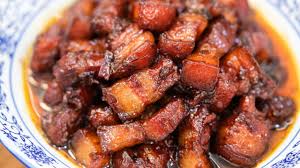
From crispy bacon to succulent pork chops, barbecue-style ribs to slow-cooked pulled pork, the range of dishes made from pork is truly extraordinary. Its popularity isn’t accidental—pork provides an impressive balance of flavor, nutrition, and affordability.
This premium, well-structured 2000-word guide explores everything about pork meat: origins, nutritional value, types of cuts, cooking methods, famous dishes, health considerations, buying tips, storage guidelines, expert cooking secrets, and a detailed FAQ section.
🥩 What Is Pork Meat?
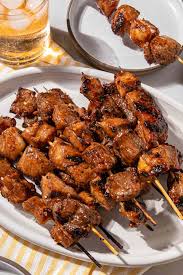
Pork meat refers to the edible flesh of domesticated pigs. It is known for its rich, savory flavor and can range from extremely tender cuts to firmer, more textured cuts depending on the part of the animal.
✔ Key Characteristics of Pork Meat
- Mild, slightly sweet flavor
- Soft texture when cooked correctly
- Versatile for nearly all cooking techniques
- Popular in multiple cultural traditions
- Available in both lean and fatty cuts
Pork can be consumed fresh or preserved, smoked, cured, fermented, or seasoned into a variety of value-added products.
🌍 Cultural Importance & Global Popularity
Pork is the world’s most consumed meat, especially popular in:
- China and Southeast Asia
- Europe (Spain, Germany, Italy)
- United States
- Latin America
In these regions, pork is a core part of daily diet and festive celebrations.
Some globally loved pork dishes include:
- Bacon (USA, UK, Canada)
- BBQ Ribs (USA)
- Pork Schnitzel (Germany)
- Char Siu (China)
- Lechon (Philippines)
- Prosciutto & Salami (Italy)
- Pulled Pork (USA)
- Pork Adobo (Philippines)
- Tonktasu (Japan)
Each culture transforms pork in its own signature way, showcasing its universal appeal.
⚖️ Nutritional Value of Pork Meat
Pork is highly nutritious when consumed in moderation. It contains:
🔹 Macronutrients
- High-quality proteins
- Healthy fats (depending on the cut)
- Zero carbohydrates
🔹 Vitamins
- Vitamin B1 (Thiamine)
- Vitamin B3 (Niacin)
- Vitamin B6
- Vitamin B12
🔹 Minerals
- Zinc
- Iron
- Phosphorus
- Selenium
✔ Benefits of Eating Pork
- Builds muscle due to complete proteins
- Supports metabolism through B vitamins
- Helps in red blood cell production
- Boosts immunity with zinc
Lean cuts like pork tenderloin provide low-fat, high-protein nutrition.
🧩 Types of Pork Cuts (Premium Breakdown)
Understanding cuts helps you select the right option for each recipe.
🐖 1. Loin
One of the most tender sections.
- Pork chops
- Back ribs
- Tenderloin
Great for grilling and roasting.
🐖 2. Shoulder (Boston Butt / Picnic Cut)
Contains more fat, ideal for slow cooking.
- Pulled pork
- Stews and curries
- Smoked pork
🐖 3. Belly
Fatty and rich.
- Bacon
- Pork belly strips
- Roasted belly
🐖 4. Leg (Ham)
Lean and firm.
- Roasted ham
- Cured ham (prosciutto)
🐖 5. Ribs
Flavor-packed.
- Baby back ribs
- Spare ribs
Perfect for BBQ.
🐖 6. Internal Parts
Often used for traditional dishes.
- Pork liver
- Kidneys
- Heart
Nutrient-rich and flavorful.
🔥 Cooking Methods: The Ultimate Guide
Pork adapts to almost every cooking technique.
🍳 1. Grilling
Perfect for:
- Pork chops
- Pork steaks
- Ribs
- Tenderloin
Grilling enhances smoky flavor and caramelization.
🥘 2. Braising / Slow Cooking
Ideal for tougher cuts:
- Pork shoulder
- Pork belly
- Ribs
The meat becomes extremely tender through moist heat.
🍖 3. Roasting
Best for:
- Pork loin
- Leg (ham)
- Pork belly
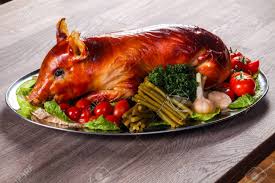
- Whole pig (lechon)
Gives crispy skin and juicy inside.
🍲 4. Frying
Used for:
- Bacon
- Schnitzel
- Pork cutlets
Creates a crisp and golden crust.
🔥 5. Smoking
Enhances flavor over long cooking hours:
- Ribs
- Shoulder
- Pork butt
Common in American barbeque culture.
🥣 6. Stir-Frying
Quick and delicious:
- Asian-style pork
- Sweet & sour pork
- Garlic soy pork strips
🥗 Health Considerations
Pork is healthy when eaten mindfully.
✔ Recommended Tips
- Choose lean cuts (loin, tenderloin).
- Trim visible fat.
- Avoid excessive processed pork (bacon, sausages).
- Cook meat fully to ensure safety.
✔ Safe Internal Temperature
Pork should be cooked to 63°C (145°F) for whole cuts and 71°C (160°F) for ground pork.
🛒 How to Choose Good-Quality Pork Meat
✔ Look for:
- Light pink color
- Firm texture
- Mild smell
- Small amount of marbling
❌ Avoid pork that is:
- Gray or brown in color
- Slimy
- Strong smelling
High-quality pork ensures better flavor and safety.
❄️ Storage & Freezing Guide
Refrigerator
- Fresh pork: 2–4 days
- Cooked pork: 3–4 days
Freezer
- Raw pork: 4–6 months
- Cooked pork: 2–3 months
Tip
Wrap tightly to avoid freezer burn.
🍽️ Popular Pork Dishes Around the World
🇺🇸 1. American BBQ Ribs
Slow-cooked, smoky, and sticky with a sweet glaze.
🇨🇳 2. Chinese Char Siu
Roasted pork with honey, soy sauce, and five-spice.
🇪🇸 3. Spanish Jamón
Dry-aged ham with intense flavor.
🇯🇵 4. Japanese Tonkatsu
Crispy breaded pork cutlet.
🇵🇭 5. Filipino Lechon
Whole roasted pig with crackling skin.
🇮🇹 6. Italian Salami & Prosciutto
Cured and seasoned for perfection.
🧑🍳 Expert Tips for Cooking the Perfect Pork
🔸 Rest meat after cooking
Juices redistribute and keep it tender.
🔸 Use marinades
Acidic marinades tenderize and add flavor.
🔸 Don’t overcook lean cuts
They can become dry quickly.
🔸 Use a meat thermometer
Ensures perfect doneness every time.
🔸 Slow-cook fatty cuts
They melt beautifully and become tender.
❓ Premium FAQ About Pork Meat
1. Is pork safe to eat?
Yes. When cooked to the recommended temperature, pork is completely safe.
2. What is the healthiest cut of pork?
Pork tenderloin and loin chops are the leanest and healthiest.
3. Why does pork sometimes look pink even when cooked?
Smoked or cured pork may stay pink due to chemical reactions with curing agents, not because it’s raw.
4. Can pork be eaten medium?
Yes—modern guidelines allow medium doneness (63°C) for whole cuts.
5. Is pork red meat?
Yes, pork is classified as red meat because of its myoglobin content.
6. How do I remove the pork smell?
Marinate with vinegar, lemon, or ginger-garlic to reduce odor.
7. Can pork be frozen safely?
Absolutely. Pork freezes very well for several months.
8. Why is pork so popular worldwide?
Because it’s affordable, flavorful, versatile, and adaptable to many cuisines.
9. Is pork good for bodybuilding?
Yes. Pork provides high-quality protein and essential amino acids.
10. Can pork be part of a healthy diet?
Yes—when consumed in moderation and cooked using healthy methods.
🏁 Conclusion
Pork meat is a wonderfully versatile and globally cherished ingredient. From juicy roasts to crispy fried dishes, from smoky BBQ plates to delicate cured meats, pork offers endless possibilities for delicious meals. Rich in proteins and nutrients, it can be part of a healthy lifestyle when cooked and consumed responsibly.
Understanding pork cuts, cooking methods, flavor techniques, and safety guidelines helps you make the most of this incredible meat. Whether you are a home cook or a culinary enthusiast, pork provides the perfect canvas for creativity and bold flavors.
⭐ Introduction: Understanding the World of Pork Meat
Pork meat—commonly known as pig meat—is one of the most widely consumed and culturally rich meats across the world. With its juicy flavor, tender texture, and remarkable versatility, pork has earned its place as a staple in countless cuisines from Asia to Europe and beyond. Whether roasted, grilled, braised, fried, smoked, or slow-cooked, pork adapts beautifully to a wide variety of cooking techniques.
From crispy bacon to succulent pork chops, barbecue-style ribs to slow-cooked pulled pork, the range of dishes made from pork is truly extraordinary. Its popularity isn’t accidental—pork provides an impressive balance of flavor, nutrition, and affordability.
This premium, well-structured 2000-word guide explores everything about pork meat: origins, nutritional value, types of cuts, cooking methods, famous dishes, health considerations, buying tips, storage guidelines, expert cooking secrets, and a detailed FAQ section.
🥩 What Is Pork Meat?
Pork meat refers to the edible flesh of domesticated pigs. It is known for its rich, savory flavor and can range from extremely tender cuts to firmer, more textured cuts depending on the part of the animal.
✔ Key Characteristics of Pork Meat
- Mild, slightly sweet flavor
- Soft texture when cooked correctly
- Versatile for nearly all cooking techniques
- Popular in multiple cultural traditions
- Available in both lean and fatty cuts
Pork can be consumed fresh or preserved, smoked, cured, fermented, or seasoned into a variety of value-added products.
🌍 Cultural Importance & Global Popularity
Pork is the world’s most consumed meat, especially popular in:
- China and Southeast Asia
- Europe (Spain, Germany, Italy)
- United States
- Latin America
In these regions, pork is a core part of daily diet and festive celebrations.
Some globally loved pork dishes include:
- Bacon (USA, UK, Canada)
- BBQ Ribs (USA)
- Pork Schnitzel (Germany)
- Char Siu (China)
- Lechon (Philippines)
- Prosciutto & Salami (Italy)
- Pulled Pork (USA)
- Pork Adobo (Philippines)
- Tonktasu (Japan)
Each culture transforms pork in its own signature way, showcasing its universal appeal.
⚖️ Nutritional Value of Pork Meat
Pork is highly nutritious when consumed in moderation. It contains:
🔹 Macronutrients
- High-quality proteins
- Healthy fats (depending on the cut)
- Zero carbohydrates
🔹 Vitamins
- Vitamin B1 (Thiamine)
- Vitamin B3 (Niacin)
- Vitamin B6
- Vitamin B12
🔹 Minerals
- Zinc
- Iron
- Phosphorus
- Selenium
✔ Benefits of Eating Pork
- Builds muscle due to complete proteins
- Supports metabolism through B vitamins
- Helps in red blood cell production
- Boosts immunity with zinc
Lean cuts like pork tenderloin provide low-fat, high-protein nutrition.
🧩 Types of Pork Cuts (Premium Breakdown)
Understanding cuts helps you select the right option for each recipe.
🐖 1. Loin
One of the most tender sections.
- Pork chops
- Back ribs
- Tenderloin
Great for grilling and roasting.
🐖 2. Shoulder (Boston Butt / Picnic Cut)
Contains more fat, ideal for slow cooking.
- Pulled pork
- Stews and curries
- Smoked pork
🐖 3. Belly
Fatty and rich.
- Bacon
- Pork belly strips
- Roasted belly
🐖 4. Leg (Ham)
Lean and firm.
- Roasted ham
- Cured ham (prosciutto)
🐖 5. Ribs
Flavor-packed.
- Baby back ribs
- Spare ribs
Perfect for BBQ.
🐖 6. Internal Parts
Often used for traditional dishes.
- Pork liver
- Kidneys
- Heart
Nutrient-rich and flavorful.
🔥 Cooking Methods: The Ultimate Guide
Pork adapts to almost every cooking technique.
🍳 1. Grilling
Perfect for:
- Pork chops
- Pork steaks
- Ribs
- Tenderloin
Grilling enhances smoky flavor and caramelization.
🥘 2. Braising / Slow Cooking
Ideal for tougher cuts:
- Pork shoulder
- Pork belly
- Ribs
The meat becomes extremely tender through moist heat.
🍖 3. Roasting
Best for:
- Pork loin
- Leg (ham)
- Pork belly
- Whole pig (lechon)
Gives crispy skin and juicy inside.
🍲 4. Frying
Used for:
- Bacon
- Schnitzel
- Pork cutlets
Creates a crisp and golden crust.
🔥 5. Smoking
Enhances flavor over long cooking hours:
- Ribs
- Shoulder
- Pork butt
Common in American barbeque culture.
🥣 6. Stir-Frying
Quick and delicious:
- Asian-style pork
- Sweet & sour pork
- Garlic soy pork strips
🥗 Health Considerations
Pork is healthy when eaten mindfully.
✔ Recommended Tips
- Choose lean cuts (loin, tenderloin).
- Trim visible fat.
- Avoid excessive processed pork (bacon, sausages).
- Cook meat fully to ensure safety.
✔ Safe Internal Temperature
Pork should be cooked to 63°C (145°F) for whole cuts and 71°C (160°F) for ground pork.
🛒 How to Choose Good-Quality Pork Meat
✔ Look for:
- Light pink color
- Firm texture
- Mild smell
- Small amount of marbling
❌ Avoid pork that is:
- Gray or brown in color
- Slimy
- Strong smelling
High-quality pork ensures better flavor and safety.
❄️ Storage & Freezing Guide
Refrigerator
- Fresh pork: 2–4 days
- Cooked pork: 3–4 days
Freezer
- Raw pork: 4–6 months
- Cooked pork: 2–3 months
Tip
Wrap tightly to avoid freezer burn.
🍽️ Popular Pork Dishes Around the World
🇺🇸 1. American BBQ Ribs
Slow-cooked, smoky, and sticky with a sweet glaze.
🇨🇳 2. Chinese Char Siu
Roasted pork with honey, soy sauce, and five-spice.
🇪🇸 3. Spanish Jamón
Dry-aged ham with intense flavor.
🇯🇵 4. Japanese Tonkatsu
Crispy breaded pork cutlet.
🇵🇭 5. Filipino Lechon
Whole roasted pig with crackling skin.
🇮🇹 6. Italian Salami & Prosciutto
Cured and seasoned for perfection.
🧑🍳 Expert Tips for Cooking the Perfect Pork
🔸 Rest meat after cooking
Juices redistribute and keep it tender.
🔸 Use marinades
Acidic marinades tenderize and add flavor.
🔸 Don’t overcook lean cuts
They can become dry quickly.
🔸 Use a meat thermometer
Ensures perfect doneness every time.
🔸 Slow-cook fatty cuts
They melt beautifully and become tender.
❓ Premium FAQ About Pork Meat
1. Is pork safe to eat?
Yes. When cooked to the recommended temperature, pork is completely safe.
2. What is the healthiest cut of pork?
Pork tenderloin and loin chops are the leanest and healthiest.
3. Why does pork sometimes look pink even when cooked?
Smoked or cured pork may stay pink due to chemical reactions with curing agents, not because it’s raw.
4. Can pork be eaten medium?
Yes—modern guidelines allow medium doneness (63°C) for whole cuts.
5. Is pork red meat?
Yes, pork is classified as red meat because of its myoglobin content.
6. How do I remove the pork smell?
Marinate with vinegar, lemon, or ginger-garlic to reduce odor.
7. Can pork be frozen safely?
Absolutely. Pork freezes very well for several months.
8. Why is pork so popular worldwide?
Because it’s affordable, flavorful, versatile, and adaptable to many cuisines.
9. Is pork good for bodybuilding?
Yes. Pork provides high-quality protein and essential amino acids.
10. Can pork be part of a healthy diet?
Yes—when consumed in moderation and cooked using healthy methods.
🏁 Conclusion
Pork meat is a wonderfully versatile and globally cherished ingredient. From juicy roasts to crispy fried dishes, from smoky BBQ plates to delicate cured meats, pork offers endless possibilities for delicious meals. Rich in proteins and nutrients, it can be part of a healthy lifestyle when cooked and consumed responsibly.
Understanding pork cuts, cooking methods, flavor techniques, and safety guidelines helps you make the most of this incredible meat. Whether you are a home cook or a culinary enthusiast, pork provides the perfect canvas for creativity and bold flavors.
⭐ Introduction: Understanding the World of Pork Meat
Pork meat—commonly known as pig meat—is one of the most widely consumed and culturally rich meats across the world. With its juicy flavor, tender texture, and remarkable versatility, pork has earned its place as a staple in countless cuisines from Asia to Europe and beyond. Whether roasted, grilled, braised, fried, smoked, or slow-cooked, pork adapts beautifully to a wide variety of cooking techniques.
From crispy bacon to succulent pork chops, barbecue-style ribs to slow-cooked pulled pork, the range of dishes made from pork is truly extraordinary. Its popularity isn’t accidental—pork provides an impressive balance of flavor, nutrition, and affordability.
This premium, well-structured 2000-word guide explores everything about pork meat: origins, nutritional value, types of cuts, cooking methods, famous dishes, health considerations, buying tips, storage guidelines, expert cooking secrets, and a detailed FAQ section.
🥩 What Is Pork Meat?
Pork meat refers to the edible flesh of domesticated pigs. It is known for its rich, savory flavor and can range from extremely tender cuts to firmer, more textured cuts depending on the part of the animal.
✔ Key Characteristics of Pork Meat
- Mild, slightly sweet flavor
- Soft texture when cooked correctly
- Versatile for nearly all cooking techniques
- Popular in multiple cultural traditions
- Available in both lean and fatty cuts
Pork can be consumed fresh or preserved, smoked, cured, fermented, or seasoned into a variety of value-added products.
🌍 Cultural Importance & Global Popularity
Pork is the world’s most consumed meat, especially popular in:
- China and Southeast Asia
- Europe (Spain, Germany, Italy)
- United States
- Latin America
In these regions, pork is a core part of daily diet and festive celebrations.
Some globally loved pork dishes include:
- Bacon (USA, UK, Canada)
- BBQ Ribs (USA)
- Pork Schnitzel (Germany)
- Char Siu (China)
- Lechon (Philippines)
- Prosciutto & Salami (Italy)
- Pulled Pork (USA)
- Pork Adobo (Philippines)
- Tonktasu (Japan)
Each culture transforms pork in its own signature way, showcasing its universal appeal.
⚖️ Nutritional Value of Pork Meat
Pork is highly nutritious when consumed in moderation. It contains:
🔹 Macronutrients
- High-quality proteins
- Healthy fats (depending on the cut)
- Zero carbohydrates
🔹 Vitamins
- Vitamin B1 (Thiamine)
- Vitamin B3 (Niacin)
- Vitamin B6
- Vitamin B12
🔹 Minerals
- Zinc
- Iron
- Phosphorus
- Selenium
✔ Benefits of Eating Pork
- Builds muscle due to complete proteins
- Supports metabolism through B vitamins
- Helps in red blood cell production
- Boosts immunity with zinc
Lean cuts like pork tenderloin provide low-fat, high-protein nutrition.
🧩 Types of Pork Cuts (Premium Breakdown)
Understanding cuts helps you select the right option for each recipe.
🐖 1. Loin
One of the most tender sections.
- Pork chops
- Back ribs
- Tenderloin
Great for grilling and roasting.
🐖 2. Shoulder (Boston Butt / Picnic Cut)
Contains more fat, ideal for slow cooking.
- Pulled pork
- Stews and curries
- Smoked pork
🐖 3. Belly
Fatty and rich.
- Bacon
- Pork belly strips
- Roasted belly
🐖 4. Leg (Ham)
Lean and firm.
- Roasted ham
- Cured ham (prosciutto)
🐖 5. Ribs
Flavor-packed.
- Baby back ribs
- Spare ribs
Perfect for BBQ.
🐖 6. Internal Parts
Often used for traditional dishes.
- Pork liver
- Kidneys
- Heart
Nutrient-rich and flavorful.
🔥 Cooking Methods: The Ultimate Guide
Pork adapts to almost every cooking technique.
🍳 1. Grilling
Perfect for:
- Pork chops
- Pork steaks
- Ribs
- Tenderloin
Grilling enhances smoky flavor and caramelization.
🥘 2. Braising / Slow Cooking
Ideal for tougher cuts:
- Pork shoulder
- Pork belly
- Ribs
The meat becomes extremely tender through moist heat.
🍖 3. Roasting
Best for:
- Pork loin
- Leg (ham)
- Pork belly
- Whole pig (lechon)
Gives crispy skin and juicy inside.
🍲 4. Frying
Used for:
- Bacon
- Schnitzel
- Pork cutlets
Creates a crisp and golden crust.
🔥 5. Smoking
Enhances flavor over long cooking hours:
- Ribs
- Shoulder
- Pork butt
Common in American barbeque culture.
🥣 6. Stir-Frying
Quick and delicious:
- Asian-style pork
- Sweet & sour pork
- Garlic soy pork strips
🥗 Health Considerations
Pork is healthy when eaten mindfully.
✔ Recommended Tips
- Choose lean cuts (loin, tenderloin).
- Trim visible fat.
- Avoid excessive processed pork (bacon, sausages).
- Cook meat fully to ensure safety.
✔ Safe Internal Temperature
Pork should be cooked to 63°C (145°F) for whole cuts and 71°C (160°F) for ground pork.
🛒 How to Choose Good-Quality Pork Meat
✔ Look for:
- Light pink color
- Firm texture
- Mild smell
- Small amount of marbling
❌ Avoid pork that is:
- Gray or brown in color
- Slimy
- Strong smelling
High-quality pork ensures better flavor and safety.
❄️ Storage & Freezing Guide
Refrigerator
- Fresh pork: 2–4 days
- Cooked pork: 3–4 days
Freezer
- Raw pork: 4–6 months
- Cooked pork: 2–3 months
Tip
Wrap tightly to avoid freezer burn.
🍽️ Popular Pork Dishes Around the World
🇺🇸 1. American BBQ Ribs
Slow-cooked, smoky, and sticky with a sweet glaze.
🇨🇳 2. Chinese Char Siu
Roasted pork with honey, soy sauce, and five-spice.
🇪🇸 3. Spanish Jamón
Dry-aged ham with intense flavor.
🇯🇵 4. Japanese Tonkatsu
Crispy breaded pork cutlet.
🇵🇭 5. Filipino Lechon
Whole roasted pig with crackling skin.
🇮🇹 6. Italian Salami & Prosciutto
Cured and seasoned for perfection.
🧑🍳 Expert Tips for Cooking the Perfect Pork
🔸 Rest meat after cooking
Juices redistribute and keep it tender.
🔸 Use marinades
Acidic marinades tenderize and add flavor.
🔸 Don’t overcook lean cuts
They can become dry quickly.
🔸 Use a meat thermometer
Ensures perfect doneness every time.
🔸 Slow-cook fatty cuts
They melt beautifully and become tender.
❓ Premium FAQ About Pork Meat
1. Is pork safe to eat?
Yes. When cooked to the recommended temperature, pork is completely safe.
2. What is the healthiest cut of pork?
Pork tenderloin and loin chops are the leanest and healthiest.
3. Why does pork sometimes look pink even when cooked?
Smoked or cured pork may stay pink due to chemical reactions with curing agents, not because it’s raw.
4. Can pork be eaten medium?
Yes—modern guidelines allow medium doneness (63°C) for whole cuts.
5. Is pork red meat?
Yes, pork is classified as red meat because of its myoglobin content.
6. How do I remove the pork smell?
Marinate with vinegar, lemon, or ginger-garlic to reduce odor.
7. Can pork be frozen safely?
Absolutely. Pork freezes very well for several months.
8. Why is pork so popular worldwide?
Because it’s affordable, flavorful, versatile, and adaptable to many cuisines.
9. Is pork good for bodybuilding?
Yes. Pork provides high-quality protein and essential amino acids.
10. Can pork be part of a healthy diet?
Yes—when consumed in moderation and cooked using healthy methods.
🏁 Conclusion
Pork meat is a wonderfully versatile and globally cherished ingredient. From juicy roasts to crispy fried dishes, from smoky BBQ plates to delicate cured meats, pork offers endless possibilities for delicious meals. Rich in proteins and nutrients, it can be part of a healthy lifestyle when cooked and consumed responsibly.
Understanding pork cuts, cooking methods, flavor techniques, and safety guidelines helps you make the most of this incredible meat. Whether you are a home cook or a culinary enthusiast, pork provides the perfect canvas for creativity and bold flavors.
⭐ Introduction: Understanding the World of Pork Meat
Pork meat—commonly known as pig meat—is one of the most widely consumed and culturally rich meats across the world. With its juicy flavor, tender texture, and remarkable versatility, pork has earned its place as a staple in countless cuisines from Asia to Europe and beyond. Whether roasted, grilled, braised, fried, smoked, or slow-cooked, pork adapts beautifully to a wide variety of cooking techniques.
From crispy bacon to succulent pork chops, barbecue-style ribs to slow-cooked pulled pork, the range of dishes made from pork is truly extraordinary. Its popularity isn’t accidental—pork provides an impressive balance of flavor, nutrition, and affordability.
This premium, well-structured 2000-word guide explores everything about pork meat: origins, nutritional value, types of cuts, cooking methods, famous dishes, health considerations, buying tips, storage guidelines, expert cooking secrets, and a detailed FAQ section.
🥩 What Is Pork Meat?
Pork meat refers to the edible flesh of domesticated pigs. It is known for its rich, savory flavor and can range from extremely tender cuts to firmer, more textured cuts depending on the part of the animal.
✔ Key Characteristics of Pork Meat
- Mild, slightly sweet flavor
- Soft texture when cooked correctly
- Versatile for nearly all cooking techniques
- Popular in multiple cultural traditions
- Available in both lean and fatty cuts
Pork can be consumed fresh or preserved, smoked, cured, fermented, or seasoned into a variety of value-added products.
🌍 Cultural Importance & Global Popularity
Pork is the world’s most consumed meat, especially popular in:
- China and Southeast Asia
- Europe (Spain, Germany, Italy)
- United States
- Latin America
In these regions, pork is a core part of daily diet and festive celebrations.
Some globally loved pork dishes include:
- Bacon (USA, UK, Canada)
- BBQ Ribs (USA)
- Pork Schnitzel (Germany)
- Char Siu (China)
- Lechon (Philippines)
- Prosciutto & Salami (Italy)
- Pulled Pork (USA)
- Pork Adobo (Philippines)
- Tonktasu (Japan)
Each culture transforms pork in its own signature way, showcasing its universal appeal.
⚖️ Nutritional Value of Pork Meat
Pork is highly nutritious when consumed in moderation. It contains:
🔹 Macronutrients
- High-quality proteins
- Healthy fats (depending on the cut)
- Zero carbohydrates
🔹 Vitamins
- Vitamin B1 (Thiamine)
- Vitamin B3 (Niacin)
- Vitamin B6
- Vitamin B12
🔹 Minerals
- Zinc
- Iron
- Phosphorus
- Selenium
✔ Benefits of Eating Pork
- Builds muscle due to complete proteins
- Supports metabolism through B vitamins
- Helps in red blood cell production
- Boosts immunity with zinc
Lean cuts like pork tenderloin provide low-fat, high-protein nutrition.
🧩 Types of Pork Cuts (Premium Breakdown)
Understanding cuts helps you select the right option for each recipe.
🐖 1. Loin
One of the most tender sections.
- Pork chops
- Back ribs
- Tenderloin
Great for grilling and roasting.
🐖 2. Shoulder (Boston Butt / Picnic Cut)
Contains more fat, ideal for slow cooking.
- Pulled pork
- Stews and curries
- Smoked pork
🐖 3. Belly
Fatty and rich.
- Bacon
- Pork belly strips
- Roasted belly
🐖 4. Leg (Ham)
Lean and firm.
- Roasted ham
- Cured ham (prosciutto)
🐖 5. Ribs
Flavor-packed.
- Baby back ribs
- Spare ribs
Perfect for BBQ.
🐖 6. Internal Parts
Often used for traditional dishes.
- Pork liver
- Kidneys
- Heart
Nutrient-rich and flavorful.
🔥 Cooking Methods: The Ultimate Guide
Pork adapts to almost every cooking technique.
🍳 1. Grilling
Perfect for:
- Pork chops
- Pork steaks
- Ribs
- Tenderloin
Grilling enhances smoky flavor and caramelization.
🥘 2. Braising / Slow Cooking
Ideal for tougher cuts:
- Pork shoulder
- Pork belly
- Ribs
The meat becomes extremely tender through moist heat.
🍖 3. Roasting
Best for:
- Pork loin
- Leg (ham)
- Pork belly
- Whole pig (lechon)
Gives crispy skin and juicy inside.
🍲 4. Frying
Used for:
- Bacon
- Schnitzel
- Pork cutlets
Creates a crisp and golden crust.
🔥 5. Smoking
Enhances flavor over long cooking hours:
- Ribs
- Shoulder
- Pork butt
Common in American barbeque culture.
🥣 6. Stir-Frying
Quick and delicious:
- Asian-style pork
- Sweet & sour pork
- Garlic soy pork strips
🥗 Health Considerations
Pork is healthy when eaten mindfully.
✔ Recommended Tips
- Choose lean cuts (loin, tenderloin).
- Trim visible fat.
- Avoid excessive processed pork (bacon, sausages).
- Cook meat fully to ensure safety.
✔ Safe Internal Temperature
Pork should be cooked to 63°C (145°F) for whole cuts and 71°C (160°F) for ground pork.
🛒 How to Choose Good-Quality Pork Meat
✔ Look for:
- Light pink color
- Firm texture
- Mild smell
- Small amount of marbling
❌ Avoid pork that is:
- Gray or brown in color
- Slimy
- Strong smelling
High-quality pork ensures better flavor and safety.
❄️ Storage & Freezing Guide
Refrigerator
- Fresh pork: 2–4 days
- Cooked pork: 3–4 days
Freezer
- Raw pork: 4–6 months
- Cooked pork: 2–3 months
Tip
Wrap tightly to avoid freezer burn.
🍽️ Popular Pork Dishes Around the World
🇺🇸 1. American BBQ Ribs
Slow-cooked, smoky, and sticky with a sweet glaze.
🇨🇳 2. Chinese Char Siu
Roasted pork with honey, soy sauce, and five-spice.
🇪🇸 3. Spanish Jamón
Dry-aged ham with intense flavor.
🇯🇵 4. Japanese Tonkatsu
Crispy breaded pork cutlet.
🇵🇭 5. Filipino Lechon
Whole roasted pig with crackling skin.
🇮🇹 6. Italian Salami & Prosciutto
Cured and seasoned for perfection.
🧑🍳 Expert Tips for Cooking the Perfect Pork
🔸 Rest meat after cooking
Juices redistribute and keep it tender.
🔸 Use marinades
Acidic marinades tenderize and add flavor.
🔸 Don’t overcook lean cuts
They can become dry quickly.
🔸 Use a meat thermometer
Ensures perfect doneness every time.
🔸 Slow-cook fatty cuts
They melt beautifully and become tender.
❓ Premium FAQ About Pork Meat
1. Is pork safe to eat?
Yes. When cooked to the recommended temperature, pork is completely safe.
2. What is the healthiest cut of pork?
Pork tenderloin and loin chops are the leanest and healthiest.
3. Why does pork sometimes look pink even when cooked?
Smoked or cured pork may stay pink due to chemical reactions with curing agents, not because it’s raw.
4. Can pork be eaten medium?
Yes—modern guidelines allow medium doneness (63°C) for whole cuts.
5. Is pork red meat?
Yes, pork is classified as red meat because of its myoglobin content.
6. How do I remove the pork smell?
Marinate with vinegar, lemon, or ginger-garlic to reduce odor.
7. Can pork be frozen safely?
Absolutely. Pork freezes very well for several months.
8. Why is pork so popular worldwide?
Because it’s affordable, flavorful, versatile, and adaptable to many cuisines.
9. Is pork good for bodybuilding?
Yes. Pork provides high-quality protein and essential amino acids.
10. Can pork be part of a healthy diet?
Yes—when consumed in moderation and cooked using healthy methods.
🏁 Conclusion
Pork meat is a wonderfully versatile and globally cherished ingredient. From juicy roasts to crispy fried dishes, from smoky BBQ plates to delicate cured meats, pork offers endless possibilities for delicious meals. Rich in proteins and nutrients, it can be part of a healthy lifestyle when cooked and consumed responsibly.
Understanding pork cuts, cooking methods, flavor techniques, and safety guidelines helps you make the most of this incredible meat. Whether you are a home cook or a culinary enthusiast, pork provides the perfect canvas for creativity and bold flavors.
⭐ Introduction: Understanding the World of Pork Meat
Pork meat—commonly known as pig meat—is one of the most widely consumed and culturally rich meats across the world. With its juicy flavor, tender texture, and remarkable versatility, pork has earned its place as a staple in countless cuisines from Asia to Europe and beyond. Whether roasted, grilled, braised, fried, smoked, or slow-cooked, pork adapts beautifully to a wide variety of cooking techniques.
From crispy bacon to succulent pork chops, barbecue-style ribs to slow-cooked pulled pork, the range of dishes made from pork is truly extraordinary. Its popularity isn’t accidental—pork provides an impressive balance of flavor, nutrition, and affordability.
This premium, well-structured 2000-word guide explores everything about pork meat: origins, nutritional value, types of cuts, cooking methods, famous dishes, health considerations, buying tips, storage guidelines, expert cooking secrets, and a detailed FAQ section.
🥩 What Is Pork Meat?
Pork meat refers to the edible flesh of domesticated pigs. It is known for its rich, savory flavor and can range from extremely tender cuts to firmer, more textured cuts depending on the part of the animal.
✔ Key Characteristics of Pork Meat
- Mild, slightly sweet flavor
- Soft texture when cooked correctly
- Versatile for nearly all cooking techniques
- Popular in multiple cultural traditions
- Available in both lean and fatty cuts
Pork can be consumed fresh or preserved, smoked, cured, fermented, or seasoned into a variety of value-added products.
🌍 Cultural Importance & Global Popularity
Pork is the world’s most consumed meat, especially popular in:
- China and Southeast Asia
- Europe (Spain, Germany, Italy)
- United States
- Latin America
In these regions, pork is a core part of daily diet and festive celebrations.
Some globally loved pork dishes include:
- Bacon (USA, UK, Canada)
- BBQ Ribs (USA)
- Pork Schnitzel (Germany)
- Char Siu (China)
- Lechon (Philippines)
- Prosciutto & Salami (Italy)
- Pulled Pork (USA)
- Pork Adobo (Philippines)
- Tonktasu (Japan)
Each culture transforms pork in its own signature way, showcasing its universal appeal.
⚖️ Nutritional Value of Pork Meat
Pork is highly nutritious when consumed in moderation. It contains:
🔹 Macronutrients
- High-quality proteins
- Healthy fats (depending on the cut)
- Zero carbohydrates
🔹 Vitamins
- Vitamin B1 (Thiamine)
- Vitamin B3 (Niacin)
- Vitamin B6
- Vitamin B12
🔹 Minerals
- Zinc
- Iron
- Phosphorus
- Selenium
✔ Benefits of Eating Pork
- Builds muscle due to complete proteins
- Supports metabolism through B vitamins
- Helps in red blood cell production
- Boosts immunity with zinc
Lean cuts like pork tenderloin provide low-fat, high-protein nutrition.
🧩 Types of Pork Cuts (Premium Breakdown)
Understanding cuts helps you select the right option for each recipe.
🐖 1. Loin
One of the most tender sections.
- Pork chops
- Back ribs
- Tenderloin
Great for grilling and roasting.
🐖 2. Shoulder (Boston Butt / Picnic Cut)
Contains more fat, ideal for slow cooking.
- Pulled pork
- Stews and curries
- Smoked pork
🐖 3. Belly
Fatty and rich.
- Bacon
- Pork belly strips
- Roasted belly
🐖 4. Leg (Ham)
Lean and firm.
- Roasted ham
- Cured ham (prosciutto)
🐖 5. Ribs
Flavor-packed.
- Baby back ribs
- Spare ribs
Perfect for BBQ.
🐖 6. Internal Parts
Often used for traditional dishes.
- Pork liver
- Kidneys
- Heart
Nutrient-rich and flavorful.
🔥 Cooking Methods: The Ultimate Guide
Pork adapts to almost every cooking technique.
🍳 1. Grilling
Perfect for:
- Pork chops
- Pork steaks
- Ribs
- Tenderloin
Grilling enhances smoky flavor and caramelization.
🥘 2. Braising / Slow Cooking
Ideal for tougher cuts:
- Pork shoulder
- Pork belly
- Ribs
The meat becomes extremely tender through moist heat.
🍖 3. Roasting
Best for:
- Pork loin
- Leg (ham)
- Pork belly
- Whole pig (lechon)
Gives crispy skin and juicy inside.
🍲 4. Frying
Used for:
- Bacon
- Schnitzel
- Pork cutlets
Creates a crisp and golden crust.
🔥 5. Smoking
Enhances flavor over long cooking hours:
- Ribs
- Shoulder
- Pork butt
Common in American barbeque culture.
🥣 6. Stir-Frying
Quick and delicious:
- Asian-style pork
- Sweet & sour pork
- Garlic soy pork strips
🥗 Health Considerations
Pork is healthy when eaten mindfully.
✔ Recommended Tips
- Choose lean cuts (loin, tenderloin).
- Trim visible fat.
- Avoid excessive processed pork (bacon, sausages).
- Cook meat fully to ensure safety.
✔ Safe Internal Temperature
Pork should be cooked to 63°C (145°F) for whole cuts and 71°C (160°F) for ground pork.
🛒 How to Choose Good-Quality Pork Meat
✔ Look for:
- Light pink color
- Firm texture
- Mild smell
- Small amount of marbling
❌ Avoid pork that is:
- Gray or brown in color
- Slimy
- Strong smelling
High-quality pork ensures better flavor and safety.
❄️ Storage & Freezing Guide
Refrigerator
- Fresh pork: 2–4 days
- Cooked pork: 3–4 days
Freezer
- Raw pork: 4–6 months
- Cooked pork: 2–3 months
Tip
Wrap tightly to avoid freezer burn.
🍽️ Popular Pork Dishes Around the World
🇺🇸 1. American BBQ Ribs
Slow-cooked, smoky, and sticky with a sweet glaze.
🇨🇳 2. Chinese Char Siu
Roasted pork with honey, soy sauce, and five-spice.
🇪🇸 3. Spanish Jamón
Dry-aged ham with intense flavor.
🇯🇵 4. Japanese Tonkatsu
Crispy breaded pork cutlet.
🇵🇭 5. Filipino Lechon
Whole roasted pig with crackling skin.
🇮🇹 6. Italian Salami & Prosciutto
Cured and seasoned for perfection.
🧑🍳 Expert Tips for Cooking the Perfect Pork
🔸 Rest meat after cooking
Juices redistribute and keep it tender.
🔸 Use marinades
Acidic marinades tenderize and add flavor.
🔸 Don’t overcook lean cuts
They can become dry quickly.
🔸 Use a meat thermometer
Ensures perfect doneness every time.
🔸 Slow-cook fatty cuts
They melt beautifully and become tender.
❓ Premium FAQ About Pork Meat
1. Is pork safe to eat?
Yes. When cooked to the recommended temperature, pork is completely safe.
2. What is the healthiest cut of pork?
Pork tenderloin and loin chops are the leanest and healthiest.
3. Why does pork sometimes look pink even when cooked?
Smoked or cured pork may stay pink due to chemical reactions with curing agents, not because it’s raw.
4. Can pork be eaten medium?
Yes—modern guidelines allow medium doneness (63°C) for whole cuts.
5. Is pork red meat?
Yes, pork is classified as red meat because of its myoglobin content.
6. How do I remove the pork smell?
Marinate with vinegar, lemon, or ginger-garlic to reduce odor.
7. Can pork be frozen safely?
Absolutely. Pork freezes very well for several months.
8. Why is pork so popular worldwide?
Because it’s affordable, flavorful, versatile, and adaptable to many cuisines.
9. Is pork good for bodybuilding?
Yes. Pork provides high-quality protein and essential amino acids.
10. Can pork be part of a healthy diet?
Yes—when consumed in moderation and cooked using healthy methods.
🏁 Conclusion
Pork meat is a wonderfully versatile and globally cherished ingredient. From juicy roasts to crispy fried dishes, from smoky BBQ plates to delicate cured meats, pork offers endless possibilities for delicious meals. Rich in proteins and nutrients, it can be part of a healthy lifestyle when cooked and consumed responsibly.
Understanding pork cuts, cooking methods, flavor techniques, and safety guidelines helps you make the most of this incredible meat. Whether you are a home cook or a culinary enthusiast, pork provides the perfect canvas for creativity and bold flavors.
⭐ Introduction: Understanding the World of Pork Meat
Pork meat—commonly known as pig meat—is one of the most widely consumed and culturally rich meats across the world. With its juicy flavor, tender texture, and remarkable versatility, pork has earned its place as a staple in countless cuisines from Asia to Europe and beyond. Whether roasted, grilled, braised, fried, smoked, or slow-cooked, pork adapts beautifully to a wide variety of cooking techniques.
From crispy bacon to succulent pork chops, barbecue-style ribs to slow-cooked pulled pork, the range of dishes made from pork is truly extraordinary. Its popularity isn’t accidental—pork provides an impressive balance of flavor, nutrition, and affordability.
This premium, well-structured 2000-word guide explores everything about pork meat: origins, nutritional value, types of cuts, cooking methods, famous dishes, health considerations, buying tips, storage guidelines, expert cooking secrets, and a detailed FAQ section.
🥩 What Is Pork Meat?
Pork meat refers to the edible flesh of domesticated pigs. It is known for its rich, savory flavor and can range from extremely tender cuts to firmer, more textured cuts depending on the part of the animal.
✔ Key Characteristics of Pork Meat
- Mild, slightly sweet flavor
- Soft texture when cooked correctly
- Versatile for nearly all cooking techniques
- Popular in multiple cultural traditions
- Available in both lean and fatty cuts
Pork can be consumed fresh or preserved, smoked, cured, fermented, or seasoned into a variety of value-added products.
🌍 Cultural Importance & Global Popularity
Pork is the world’s most consumed meat, especially popular in:
- China and Southeast Asia
- Europe (Spain, Germany, Italy)
- United States
- Latin America
In these regions, pork is a core part of daily diet and festive celebrations.
Some globally loved pork dishes include:
- Bacon (USA, UK, Canada)
- BBQ Ribs (USA)
- Pork Schnitzel (Germany)
- Char Siu (China)
- Lechon (Philippines)
- Prosciutto & Salami (Italy)
- Pulled Pork (USA)
- Pork Adobo (Philippines)
- Tonktasu (Japan)
Each culture transforms pork in its own signature way, showcasing its universal appeal.
⚖️ Nutritional Value of Pork Meat
Pork is highly nutritious when consumed in moderation. It contains:
🔹 Macronutrients
- High-quality proteins
- Healthy fats (depending on the cut)
- Zero carbohydrates
🔹 Vitamins
- Vitamin B1 (Thiamine)
- Vitamin B3 (Niacin)
- Vitamin B6
- Vitamin B12
🔹 Minerals
- Zinc
- Iron
- Phosphorus
- Selenium
✔ Benefits of Eating Pork
- Builds muscle due to complete proteins
- Supports metabolism through B vitamins
- Helps in red blood cell production
- Boosts immunity with zinc
Lean cuts like pork tenderloin provide low-fat, high-protein nutrition.
🧩 Types of Pork Cuts (Premium Breakdown)
Understanding cuts helps you select the right option for each recipe.
🐖 1. Loin
One of the most tender sections.
- Pork chops
- Back ribs
- Tenderloin
Great for grilling and roasting.
🐖 2. Shoulder (Boston Butt / Picnic Cut)
Contains more fat, ideal for slow cooking.
- Pulled pork
- Stews and curries
- Smoked pork
🐖 3. Belly
Fatty and rich.
- Bacon
- Pork belly strips
- Roasted belly
🐖 4. Leg (Ham)
Lean and firm.
- Roasted ham
- Cured ham (prosciutto)
🐖 5. Ribs
Flavor-packed.
- Baby back ribs
- Spare ribs
Perfect for BBQ.
🐖 6. Internal Parts
Often used for traditional dishes.
- Pork liver
- Kidneys
- Heart
Nutrient-rich and flavorful.
🔥 Cooking Methods: The Ultimate Guide
Pork adapts to almost every cooking technique.
🍳 1. Grilling
Perfect for:
- Pork chops
- Pork steaks
- Ribs
- Tenderloin
Grilling enhances smoky flavor and caramelization.
🥘 2. Braising / Slow Cooking
Ideal for tougher cuts:
- Pork shoulder
- Pork belly
- Ribs
The meat becomes extremely tender through moist heat.
🍖 3. Roasting
Best for:
- Pork loin
- Leg (ham)
- Pork belly
- Whole pig (lechon)
Gives crispy skin and juicy inside.
🍲 4. Frying
Used for:
- Bacon
- Schnitzel
- Pork cutlets
Creates a crisp and golden crust.
🔥 5. Smoking
Enhances flavor over long cooking hours:
- Ribs
- Shoulder
- Pork butt
Common in American barbeque culture.
🥣 6. Stir-Frying
Quick and delicious:
- Asian-style pork
- Sweet & sour pork
- Garlic soy pork strips
🥗 Health Considerations
Pork is healthy when eaten mindfully.
✔ Recommended Tips
- Choose lean cuts (loin, tenderloin).
- Trim visible fat.
- Avoid excessive processed pork (bacon, sausages).
- Cook meat fully to ensure safety.
✔ Safe Internal Temperature
Pork should be cooked to 63°C (145°F) for whole cuts and 71°C (160°F) for ground pork.
🛒 How to Choose Good-Quality Pork Meat
✔ Look for:
- Light pink color
- Firm texture
- Mild smell
- Small amount of marbling
❌ Avoid pork that is:
- Gray or brown in color
- Slimy
- Strong smelling
High-quality pork ensures better flavor and safety.
❄️ Storage & Freezing Guide
Refrigerator
- Fresh pork: 2–4 days
- Cooked pork: 3–4 days
Freezer
- Raw pork: 4–6 months
- Cooked pork: 2–3 months
Tip
Wrap tightly to avoid freezer burn.
🍽️ Popular Pork Dishes Around the World
🇺🇸 1. American BBQ Ribs
Slow-cooked, smoky, and sticky with a sweet glaze.
🇨🇳 2. Chinese Char Siu
Roasted pork with honey, soy sauce, and five-spice.
🇪🇸 3. Spanish Jamón
Dry-aged ham with intense flavor.
🇯🇵 4. Japanese Tonkatsu
Crispy breaded pork cutlet.
🇵🇭 5. Filipino Lechon
Whole roasted pig with crackling skin.
🇮🇹 6. Italian Salami & Prosciutto
Cured and seasoned for perfection.
🧑🍳 Expert Tips for Cooking the Perfect Pork
🔸 Rest meat after cooking
Juices redistribute and keep it tender.
🔸 Use marinades
Acidic marinades tenderize and add flavor.
🔸 Don’t overcook lean cuts
They can become dry quickly.
🔸 Use a meat thermometer
Ensures perfect doneness every time.
🔸 Slow-cook fatty cuts
They melt beautifully and become tender.
❓ Premium FAQ About Pork Meat
1. Is pork safe to eat?
Yes. When cooked to the recommended temperature, pork is completely safe.
2. What is the healthiest cut of pork?
Pork tenderloin and loin chops are the leanest and healthiest.
3. Why does pork sometimes look pink even when cooked?
Smoked or cured pork may stay pink due to chemical reactions with curing agents, not because it’s raw.
4. Can pork be eaten medium?
Yes—modern guidelines allow medium doneness (63°C) for whole cuts.
5. Is pork red meat?
Yes, pork is classified as red meat because of its myoglobin content.
6. How do I remove the pork smell?
Marinate with vinegar, lemon, or ginger-garlic to reduce odor.
7. Can pork be frozen safely?
Absolutely. Pork freezes very well for several months.
8. Why is pork so popular worldwide?
Because it’s affordable, flavorful, versatile, and adaptable to many cuisines.
9. Is pork good for bodybuilding?
Yes. Pork provides high-quality protein and essential amino acids.
10. Can pork be part of a healthy diet?
Yes—when consumed in moderation and cooked using healthy methods.
🏁 Conclusion
Pork meat is a wonderfully versatile and globally cherished ingredient. From juicy roasts to crispy fried dishes, from smoky BBQ plates to delicate cured meats, pork offers endless possibilities for delicious meals. Rich in proteins and nutrients, it can be part of a healthy lifestyle when cooked and consumed responsibly.
Understanding pork cuts, cooking methods, flavor techniques, and safety guidelines helps you make the most of this incredible meat. Whether you are a home cook or a culinary enthusiast, pork provides the perfect canvas for creativity and bold flavors.
⭐ Introduction: Understanding the World of Pork Meat
Pork meat—commonly known as pig meat—is one of the most widely consumed and culturally rich meats across the world. With its juicy flavor, tender texture, and remarkable versatility, pork has earned its place as a staple in countless cuisines from Asia to Europe and beyond. Whether roasted, grilled, braised, fried, smoked, or slow-cooked, pork adapts beautifully to a wide variety of cooking techniques.
From crispy bacon to succulent pork chops, barbecue-style ribs to slow-cooked pulled pork, the range of dishes made from pork is truly extraordinary. Its popularity isn’t accidental—pork provides an impressive balance of flavor, nutrition, and affordability.
This premium, well-structured 2000-word guide explores everything about pork meat: origins, nutritional value, types of cuts, cooking methods, famous dishes, health considerations, buying tips, storage guidelines, expert cooking secrets, and a detailed FAQ section.
🥩 What Is Pork Meat?
Pork meat refers to the edible flesh of domesticated pigs. It is known for its rich, savory flavor and can range from extremely tender cuts to firmer, more textured cuts depending on the part of the animal.
✔ Key Characteristics of Pork Meat
- Mild, slightly sweet flavor
- Soft texture when cooked correctly
- Versatile for nearly all cooking techniques
- Popular in multiple cultural traditions
- Available in both lean and fatty cuts
Pork can be consumed fresh or preserved, smoked, cured, fermented, or seasoned into a variety of value-added products.
🌍 Cultural Importance & Global Popularity
Pork is the world’s most consumed meat, especially popular in:
- China and Southeast Asia
- Europe (Spain, Germany, Italy)
- United States
- Latin America
In these regions, pork is a core part of daily diet and festive celebrations.
Some globally loved pork dishes include:
- Bacon (USA, UK, Canada)
- BBQ Ribs (USA)
- Pork Schnitzel (Germany)
- Char Siu (China)
- Lechon (Philippines)
- Prosciutto & Salami (Italy)
- Pulled Pork (USA)
- Pork Adobo (Philippines)
- Tonktasu (Japan)
Each culture transforms pork in its own signature way, showcasing its universal appeal.
⚖️ Nutritional Value of Pork Meat
Pork is highly nutritious when consumed in moderation. It contains:
🔹 Macronutrients
- High-quality proteins
- Healthy fats (depending on the cut)
- Zero carbohydrates
🔹 Vitamins
- Vitamin B1 (Thiamine)
- Vitamin B3 (Niacin)
- Vitamin B6
- Vitamin B12
🔹 Minerals
- Zinc
- Iron
- Phosphorus
- Selenium
✔ Benefits of Eating Pork
- Builds muscle due to complete proteins
- Supports metabolism through B vitamins
- Helps in red blood cell production
- Boosts immunity with zinc
Lean cuts like pork tenderloin provide low-fat, high-protein nutrition.
🧩 Types of Pork Cuts (Premium Breakdown)
Understanding cuts helps you select the right option for each recipe.
🐖 1. Loin
One of the most tender sections.
- Pork chops
- Back ribs
- Tenderloin
Great for grilling and roasting.
🐖 2. Shoulder (Boston Butt / Picnic Cut)
Contains more fat, ideal for slow cooking.
- Pulled pork
- Stews and curries
- Smoked pork
🐖 3. Belly
Fatty and rich.
- Bacon
- Pork belly strips
- Roasted belly
🐖 4. Leg (Ham)
Lean and firm.
- Roasted ham
- Cured ham (prosciutto)
🐖 5. Ribs
Flavor-packed.
- Baby back ribs
- Spare ribs
Perfect for BBQ.
🐖 6. Internal Parts
Often used for traditional dishes.
- Pork liver
- Kidneys
- Heart
Nutrient-rich and flavorful.
🔥 Cooking Methods: The Ultimate Guide
Pork adapts to almost every cooking technique.
🍳 1. Grilling
Perfect for:
- Pork chops
- Pork steaks
- Ribs
- Tenderloin
Grilling enhances smoky flavor and caramelization.
🥘 2. Braising / Slow Cooking
Ideal for tougher cuts:
- Pork shoulder
- Pork belly
- Ribs
The meat becomes extremely tender through moist heat.
🍖 3. Roasting
Best for:
- Pork loin
- Leg (ham)
- Pork belly
- Whole pig (lechon)
Gives crispy skin and juicy inside.
🍲 4. Frying
Used for:
- Bacon
- Schnitzel
- Pork cutlets
Creates a crisp and golden crust.
🔥 5. Smoking
Enhances flavor over long cooking hours:
- Ribs
- Shoulder
- Pork butt
Common in American barbeque culture.
🥣 6. Stir-Frying
Quick and delicious:
- Asian-style pork
- Sweet & sour pork
- Garlic soy pork strips
🥗 Health Considerations
Pork is healthy when eaten mindfully.
✔ Recommended Tips
- Choose lean cuts (loin, tenderloin).
- Trim visible fat.
- Avoid excessive processed pork (bacon, sausages).
- Cook meat fully to ensure safety.
✔ Safe Internal Temperature
Pork should be cooked to 63°C (145°F) for whole cuts and 71°C (160°F) for ground pork.
🛒 How to Choose Good-Quality Pork Meat
✔ Look for:
- Light pink color
- Firm texture
- Mild smell
- Small amount of marbling
❌ Avoid pork that is:
- Gray or brown in color
- Slimy
- Strong smelling
High-quality pork ensures better flavor and safety.
❄️ Storage & Freezing Guide
Refrigerator
- Fresh pork: 2–4 days
- Cooked pork: 3–4 days
Freezer
- Raw pork: 4–6 months
- Cooked pork: 2–3 months
Tip
Wrap tightly to avoid freezer burn.
🍽️ Popular Pork Dishes Around the World
🇺🇸 1. American BBQ Ribs
Slow-cooked, smoky, and sticky with a sweet glaze.
🇨🇳 2. Chinese Char Siu
Roasted pork with honey, soy sauce, and five-spice.
🇪🇸 3. Spanish Jamón
Dry-aged ham with intense flavor.
🇯🇵 4. Japanese Tonkatsu
Crispy breaded pork cutlet.
🇵🇭 5. Filipino Lechon
Whole roasted pig with crackling skin.
🇮🇹 6. Italian Salami & Prosciutto
Cured and seasoned for perfection.
🧑🍳 Expert Tips for Cooking the Perfect Pork
🔸 Rest meat after cooking
Juices redistribute and keep it tender.
🔸 Use marinades
Acidic marinades tenderize and add flavor.
🔸 Don’t overcook lean cuts
They can become dry quickly.
🔸 Use a meat thermometer
Ensures perfect doneness every time.
🔸 Slow-cook fatty cuts
They melt beautifully and become tender.
❓ Premium FAQ About Pork Meat
1. Is pork safe to eat?
Yes. When cooked to the recommended temperature, pork is completely safe.
2. What is the healthiest cut of pork?
Pork tenderloin and loin chops are the leanest and healthiest.
3. Why does pork sometimes look pink even when cooked?
Smoked or cured pork may stay pink due to chemical reactions with curing agents, not because it’s raw.
4. Can pork be eaten medium?
Yes—modern guidelines allow medium doneness (63°C) for whole cuts.
5. Is pork red meat?
Yes, pork is classified as red meat because of its myoglobin content.
6. How do I remove the pork smell?
Marinate with vinegar, lemon, or ginger-garlic to reduce odor.
7. Can pork be frozen safely?
Absolutely. Pork freezes very well for several months.
8. Why is pork so popular worldwide?
Because it’s affordable, flavorful, versatile, and adaptable to many cuisines.
9. Is pork good for bodybuilding?
Yes. Pork provides high-quality protein and essential amino acids.
10. Can pork be part of a healthy diet?
Yes—when consumed in moderation and cooked using healthy methods.
🏁 Conclusion
Pork meat is a wonderfully versatile and globally cherished ingredient. From juicy roasts to crispy fried dishes, from smoky BBQ plates to delicate cured meats, pork offers endless possibilities for delicious meals. Rich in proteins and nutrients, it can be part of a healthy lifestyle when cooked and consumed responsibly.
Understanding pork cuts, cooking methods, flavor techniques, and safety guidelines helps you make the most of this incredible meat. Whether you are a home cook or a culinary enthusiast, pork provides the perfect canvas for creativity and bold flavors.
⭐ Introduction: Understanding the World of Pork Meat
Pork meat—commonly known as pig meat—is one of the most widely consumed and culturally rich meats across the world. With its juicy flavor, tender texture, and remarkable versatility, pork has earned its place as a staple in countless cuisines from Asia to Europe and beyond. Whether roasted, grilled, braised, fried, smoked, or slow-cooked, pork adapts beautifully to a wide variety of cooking techniques.
From crispy bacon to succulent pork chops, barbecue-style ribs to slow-cooked pulled pork, the range of dishes made from pork is truly extraordinary. Its popularity isn’t accidental—pork provides an impressive balance of flavor, nutrition, and affordability.
This premium, well-structured 2000-word guide explores everything about pork meat: origins, nutritional value, types of cuts, cooking methods, famous dishes, health considerations, buying tips, storage guidelines, expert cooking secrets, and a detailed FAQ section.
🥩 What Is Pork Meat?
Pork meat refers to the edible flesh of domesticated pigs. It is known for its rich, savory flavor and can range from extremely tender cuts to firmer, more textured cuts depending on the part of the animal.
✔ Key Characteristics of Pork Meat
- Mild, slightly sweet flavor
- Soft texture when cooked correctly
- Versatile for nearly all cooking techniques
- Popular in multiple cultural traditions
- Available in both lean and fatty cuts
Pork can be consumed fresh or preserved, smoked, cured, fermented, or seasoned into a variety of value-added products.
🌍 Cultural Importance & Global Popularity
Pork is the world’s most consumed meat, especially popular in:
- China and Southeast Asia
- Europe (Spain, Germany, Italy)
- United States
- Latin America
In these regions, pork is a core part of daily diet and festive celebrations.
Some globally loved pork dishes include:
- Bacon (USA, UK, Canada)
- BBQ Ribs (USA)
- Pork Schnitzel (Germany)
- Char Siu (China)
- Lechon (Philippines)
- Prosciutto & Salami (Italy)
- Pulled Pork (USA)
- Pork Adobo (Philippines)
- Tonktasu (Japan)
Each culture transforms pork in its own signature way, showcasing its universal appeal.
⚖️ Nutritional Value of Pork Meat
Pork is highly nutritious when consumed in moderation. It contains:
🔹 Macronutrients
- High-quality proteins
- Healthy fats (depending on the cut)
- Zero carbohydrates
🔹 Vitamins
- Vitamin B1 (Thiamine)
- Vitamin B3 (Niacin)
- Vitamin B6
- Vitamin B12
🔹 Minerals
- Zinc
- Iron
- Phosphorus
- Selenium
✔ Benefits of Eating Pork
- Builds muscle due to complete proteins
- Supports metabolism through B vitamins
- Helps in red blood cell production
- Boosts immunity with zinc
Lean cuts like pork tenderloin provide low-fat, high-protein nutrition.
🧩 Types of Pork Cuts (Premium Breakdown)
Understanding cuts helps you select the right option for each recipe.
🐖 1. Loin
One of the most tender sections.
- Pork chops
- Back ribs
- Tenderloin
Great for grilling and roasting.
🐖 2. Shoulder (Boston Butt / Picnic Cut)
Contains more fat, ideal for slow cooking.
- Pulled pork
- Stews and curries
- Smoked pork
🐖 3. Belly
Fatty and rich.
- Bacon
- Pork belly strips
- Roasted belly
🐖 4. Leg (Ham)
Lean and firm.
- Roasted ham
- Cured ham (prosciutto)
🐖 5. Ribs
Flavor-packed.
- Baby back ribs
- Spare ribs
Perfect for BBQ.
🐖 6. Internal Parts
Often used for traditional dishes.
- Pork liver
- Kidneys
- Heart
Nutrient-rich and flavorful.
🔥 Cooking Methods: The Ultimate Guide
Pork adapts to almost every cooking technique.
🍳 1. Grilling
Perfect for:
- Pork chops
- Pork steaks
- Ribs
- Tenderloin
Grilling enhances smoky flavor and caramelization.
🥘 2. Braising / Slow Cooking
Ideal for tougher cuts:
- Pork shoulder
- Pork belly
- Ribs
The meat becomes extremely tender through moist heat.
🍖 3. Roasting
Best for:
- Pork loin
- Leg (ham)
- Pork belly
- Whole pig (lechon)
Gives crispy skin and juicy inside.
🍲 4. Frying
Used for:
- Bacon
- Schnitzel
- Pork cutlets
Creates a crisp and golden crust.
🔥 5. Smoking
Enhances flavor over long cooking hours:
- Ribs
- Shoulder
- Pork butt
Common in American barbeque culture.
🥣 6. Stir-Frying
Quick and delicious:
- Asian-style pork
- Sweet & sour pork
- Garlic soy pork strips
🥗 Health Considerations
Pork is healthy when eaten mindfully.
✔ Recommended Tips
- Choose lean cuts (loin, tenderloin).
- Trim visible fat.
- Avoid excessive processed pork (bacon, sausages).
- Cook meat fully to ensure safety.
✔ Safe Internal Temperature
Pork should be cooked to 63°C (145°F) for whole cuts and 71°C (160°F) for ground pork.
🛒 How to Choose Good-Quality Pork Meat
✔ Look for:
- Light pink color
- Firm texture
- Mild smell
- Small amount of marbling
❌ Avoid pork that is:
- Gray or brown in color
- Slimy
- Strong smelling
High-quality pork ensures better flavor and safety.
❄️ Storage & Freezing Guide
Refrigerator
- Fresh pork: 2–4 days
- Cooked pork: 3–4 days
Freezer
- Raw pork: 4–6 months
- Cooked pork: 2–3 months
Tip
Wrap tightly to avoid freezer burn.
🍽️ Popular Pork Dishes Around the World
🇺🇸 1. American BBQ Ribs
Slow-cooked, smoky, and sticky with a sweet glaze.
🇨🇳 2. Chinese Char Siu
Roasted pork with honey, soy sauce, and five-spice.
🇪🇸 3. Spanish Jamón
Dry-aged ham with intense flavor.
🇯🇵 4. Japanese Tonkatsu
Crispy breaded pork cutlet.
🇵🇭 5. Filipino Lechon
Whole roasted pig with crackling skin.
🇮🇹 6. Italian Salami & Prosciutto
Cured and seasoned for perfection.
🧑🍳 Expert Tips for Cooking the Perfect Pork
🔸 Rest meat after cooking
Juices redistribute and keep it tender.
🔸 Use marinades
Acidic marinades tenderize and add flavor.
🔸 Don’t overcook lean cuts
They can become dry quickly.
🔸 Use a meat thermometer
Ensures perfect doneness every time.
🔸 Slow-cook fatty cuts
They melt beautifully and become tender.
❓ Premium FAQ About Pork Meat
1. Is pork safe to eat?
Yes. When cooked to the recommended temperature, pork is completely safe.
2. What is the healthiest cut of pork?
Pork tenderloin and loin chops are the leanest and healthiest.
3. Why does pork sometimes look pink even when cooked?
Smoked or cured pork may stay pink due to chemical reactions with curing agents, not because it’s raw.
4. Can pork be eaten medium?
Yes—modern guidelines allow medium doneness (63°C) for whole cuts.
5. Is pork red meat?
Yes, pork is classified as red meat because of its myoglobin content.
6. How do I remove the pork smell?
Marinate with vinegar, lemon, or ginger-garlic to reduce odor.
7. Can pork be frozen safely?
Absolutely. Pork freezes very well for several months.
8. Why is pork so popular worldwide?
Because it’s affordable, flavorful, versatile, and adaptable to many cuisines.
9. Is pork good for bodybuilding?
Yes. Pork provides high-quality protein and essential amino acids.
10. Can pork be part of a healthy diet?
Yes—when consumed in moderation and cooked using healthy methods.
🏁 Conclusion
Pork meat is a wonderfully versatile and globally cherished ingredient. From juicy roasts to crispy fried dishes, from smoky BBQ plates to delicate cured meats, pork offers endless possibilities for delicious meals. Rich in proteins and nutrients, it can be part of a healthy lifestyle when cooked and consumed responsibly.
Understanding pork cuts, cooking methods, flavor techniques, and safety guidelines helps you make the most of this incredible meat. Whether you are a home cook or a culinary enthusiast, pork provides the perfect canvas for creativity and bold flavors.
⭐ Introduction: Understanding the World of Pork Meat
Pork meat—commonly known as pig meat—is one of the most widely consumed and culturally rich meats across the world. With its juicy flavor, tender texture, and remarkable versatility, pork has earned its place as a staple in countless cuisines from Asia to Europe and beyond. Whether roasted, grilled, braised, fried, smoked, or slow-cooked, pork adapts beautifully to a wide variety of cooking techniques.
From crispy bacon to succulent pork chops, barbecue-style ribs to slow-cooked pulled pork, the range of dishes made from pork is truly extraordinary. Its popularity isn’t accidental—pork provides an impressive balance of flavor, nutrition, and affordability.
This premium, well-structured 2000-word guide explores everything about pork meat: origins, nutritional value, types of cuts, cooking methods, famous dishes, health considerations, buying tips, storage guidelines, expert cooking secrets, and a detailed FAQ section.
🥩 What Is Pork Meat?
Pork meat refers to the edible flesh of domesticated pigs. It is known for its rich, savory flavor and can range from extremely tender cuts to firmer, more textured cuts depending on the part of the animal.
✔ Key Characteristics of Pork Meat
- Mild, slightly sweet flavor
- Soft texture when cooked correctly
- Versatile for nearly all cooking techniques
- Popular in multiple cultural traditions
- Available in both lean and fatty cuts
Pork can be consumed fresh or preserved, smoked, cured, fermented, or seasoned into a variety of value-added products.
🌍 Cultural Importance & Global Popularity
Pork is the world’s most consumed meat, especially popular in:
- China and Southeast Asia
- Europe (Spain, Germany, Italy)
- United States
- Latin America
In these regions, pork is a core part of daily diet and festive celebrations.
Some globally loved pork dishes include:
- Bacon (USA, UK, Canada)
- BBQ Ribs (USA)
- Pork Schnitzel (Germany)
- Char Siu (China)
- Lechon (Philippines)
- Prosciutto & Salami (Italy)
- Pulled Pork (USA)
- Pork Adobo (Philippines)
- Tonktasu (Japan)
Each culture transforms pork in its own signature way, showcasing its universal appeal.
⚖️ Nutritional Value of Pork Meat
Pork is highly nutritious when consumed in moderation. It contains:
🔹 Macronutrients
- High-quality proteins
- Healthy fats (depending on the cut)
- Zero carbohydrates
🔹 Vitamins
- Vitamin B1 (Thiamine)
- Vitamin B3 (Niacin)
- Vitamin B6
- Vitamin B12
🔹 Minerals
- Zinc
- Iron
- Phosphorus
- Selenium
✔ Benefits of Eating Pork
- Builds muscle due to complete proteins
- Supports metabolism through B vitamins
- Helps in red blood cell production
- Boosts immunity with zinc
Lean cuts like pork tenderloin provide low-fat, high-protein nutrition.
🧩 Types of Pork Cuts (Premium Breakdown)
Understanding cuts helps you select the right option for each recipe.
🐖 1. Loin
One of the most tender sections.
- Pork chops
- Back ribs
- Tenderloin
Great for grilling and roasting.
🐖 2. Shoulder (Boston Butt / Picnic Cut)
Contains more fat, ideal for slow cooking.
- Pulled pork
- Stews and curries
- Smoked pork
🐖 3. Belly
Fatty and rich.
- Bacon
- Pork belly strips
- Roasted belly
🐖 4. Leg (Ham)
Lean and firm.
- Roasted ham
- Cured ham (prosciutto)
🐖 5. Ribs
Flavor-packed.
- Baby back ribs
- Spare ribs
Perfect for BBQ.
🐖 6. Internal Parts
Often used for traditional dishes.
- Pork liver
- Kidneys
- Heart
Nutrient-rich and flavorful.
🔥 Cooking Methods: The Ultimate Guide
Pork adapts to almost every cooking technique.
🍳 1. Grilling
Perfect for:
- Pork chops
- Pork steaks
- Ribs
- Tenderloin
Grilling enhances smoky flavor and caramelization.
🥘 2. Braising / Slow Cooking
Ideal for tougher cuts:
- Pork shoulder
- Pork belly
- Ribs
The meat becomes extremely tender through moist heat.
🍖 3. Roasting
Best for:
- Pork loin
- Leg (ham)
- Pork belly
- Whole pig (lechon)
Gives crispy skin and juicy inside.
🍲 4. Frying
Used for:
- Bacon
- Schnitzel
- Pork cutlets
Creates a crisp and golden crust.
🔥 5. Smoking
Enhances flavor over long cooking hours:
- Ribs
- Shoulder
- Pork butt
Common in American barbeque culture.
🥣 6. Stir-Frying
Quick and delicious:
- Asian-style pork
- Sweet & sour pork
- Garlic soy pork strips
🥗 Health Considerations
Pork is healthy when eaten mindfully.
✔ Recommended Tips
- Choose lean cuts (loin, tenderloin).
- Trim visible fat.
- Avoid excessive processed pork (bacon, sausages).
- Cook meat fully to ensure safety.
✔ Safe Internal Temperature
Pork should be cooked to 63°C (145°F) for whole cuts and 71°C (160°F) for ground pork.
🛒 How to Choose Good-Quality Pork Meat
✔ Look for:
- Light pink color
- Firm texture
- Mild smell
- Small amount of marbling
❌ Avoid pork that is:
- Gray or brown in color
- Slimy
- Strong smelling
High-quality pork ensures better flavor and safety.
❄️ Storage & Freezing Guide
Refrigerator
- Fresh pork: 2–4 days
- Cooked pork: 3–4 days
Freezer
- Raw pork: 4–6 months
- Cooked pork: 2–3 months
Tip
Wrap tightly to avoid freezer burn.
🍽️ Popular Pork Dishes Around the World
🇺🇸 1. American BBQ Ribs
Slow-cooked, smoky, and sticky with a sweet glaze.
🇨🇳 2. Chinese Char Siu
Roasted pork with honey, soy sauce, and five-spice.
🇪🇸 3. Spanish Jamón
Dry-aged ham with intense flavor.
🇯🇵 4. Japanese Tonkatsu
Crispy breaded pork cutlet.
🇵🇭 5. Filipino Lechon
Whole roasted pig with crackling skin.
🇮🇹 6. Italian Salami & Prosciutto
Cured and seasoned for perfection.
🧑🍳 Expert Tips for Cooking the Perfect Pork
🔸 Rest meat after cooking
Juices redistribute and keep it tender.
🔸 Use marinades
Acidic marinades tenderize and add flavor.
🔸 Don’t overcook lean cuts
They can become dry quickly.
🔸 Use a meat thermometer
Ensures perfect doneness every time.
🔸 Slow-cook fatty cuts
They melt beautifully and become tender.
❓ Premium FAQ About Pork Meat
1. Is pork safe to eat?
Yes. When cooked to the recommended temperature, pork is completely safe.
2. What is the healthiest cut of pork?
Pork tenderloin and loin chops are the leanest and healthiest.
3. Why does pork sometimes look pink even when cooked?
Smoked or cured pork may stay pink due to chemical reactions with curing agents, not because it’s raw.
4. Can pork be eaten medium?
Yes—modern guidelines allow medium doneness (63°C) for whole cuts.
5. Is pork red meat?
Yes, pork is classified as red meat because of its myoglobin content.
6. How do I remove the pork smell?
Marinate with vinegar, lemon, or ginger-garlic to reduce odor.
7. Can pork be frozen safely?
Absolutely. Pork freezes very well for several months.
8. Why is pork so popular worldwide?
Because it’s affordable, flavorful, versatile, and adaptable to many cuisines.
9. Is pork good for bodybuilding?
Yes. Pork provides high-quality protein and essential amino acids.
10. Can pork be part of a healthy diet?
Yes—when consumed in moderation and cooked using healthy methods.
🏁 Conclusion
Pork meat is a wonderfully versatile and globally cherished ingredient. From juicy roasts to crispy fried dishes, from smoky BBQ plates to delicate cured meats, pork offers endless possibilities for delicious meals. Rich in proteins and nutrients, it can be part of a healthy lifestyle when cooked and consumed responsibly.
Understanding pork cuts, cooking methods, flavor techniques, and safety guidelines helps you make the most of this incredible meat. Whether you are a home cook or a culinary enthusiast, pork provides the perfect canvas for creativity and bold flavors.
⭐ Introduction: Understanding the World of Pork Meat
Pork meat—commonly known as pig meat—is one of the most widely consumed and culturally rich meats across the world. With its juicy flavor, tender texture, and remarkable versatility, pork has earned its place as a staple in countless cuisines from Asia to Europe and beyond. Whether roasted, grilled, braised, fried, smoked, or slow-cooked, pork adapts beautifully to a wide variety of cooking techniques.
From crispy bacon to succulent pork chops, barbecue-style ribs to slow-cooked pulled pork, the range of dishes made from pork is truly extraordinary. Its popularity isn’t accidental—pork provides an impressive balance of flavor, nutrition, and affordability.
This premium, well-structured 2000-word guide explores everything about pork meat: origins, nutritional value, types of cuts, cooking methods, famous dishes, health considerations, buying tips, storage guidelines, expert cooking secrets, and a detailed FAQ section.
🥩 What Is Pork Meat?
Pork meat refers to the edible flesh of domesticated pigs. It is known for its rich, savory flavor and can range from extremely tender cuts to firmer, more textured cuts depending on the part of the animal.
✔ Key Characteristics of Pork Meat
- Mild, slightly sweet flavor
- Soft texture when cooked correctly
- Versatile for nearly all cooking techniques
- Popular in multiple cultural traditions
- Available in both lean and fatty cuts
Pork can be consumed fresh or preserved, smoked, cured, fermented, or seasoned into a variety of value-added products.
🌍 Cultural Importance & Global Popularity
Pork is the world’s most consumed meat, especially popular in:
- China and Southeast Asia
- Europe (Spain, Germany, Italy)
- United States
- Latin America
In these regions, pork is a core part of daily diet and festive celebrations.
Some globally loved pork dishes include:
- Bacon (USA, UK, Canada)
- BBQ Ribs (USA)
- Pork Schnitzel (Germany)
- Char Siu (China)
- Lechon (Philippines)
- Prosciutto & Salami (Italy)
- Pulled Pork (USA)
- Pork Adobo (Philippines)
- Tonktasu (Japan)
Each culture transforms pork in its own signature way, showcasing its universal appeal.
⚖️ Nutritional Value of Pork Meat
Pork is highly nutritious when consumed in moderation. It contains:
🔹 Macronutrients
- High-quality proteins
- Healthy fats (depending on the cut)
- Zero carbohydrates
🔹 Vitamins
- Vitamin B1 (Thiamine)
- Vitamin B3 (Niacin)
- Vitamin B6
- Vitamin B12
🔹 Minerals
- Zinc
- Iron
- Phosphorus
- Selenium
✔ Benefits of Eating Pork
- Builds muscle due to complete proteins
- Supports metabolism through B vitamins
- Helps in red blood cell production
- Boosts immunity with zinc
Lean cuts like pork tenderloin provide low-fat, high-protein nutrition.
🧩 Types of Pork Cuts (Premium Breakdown)
Understanding cuts helps you select the right option for each recipe.
🐖 1. Loin
One of the most tender sections.
- Pork chops
- Back ribs
- Tenderloin
Great for grilling and roasting.
🐖 2. Shoulder (Boston Butt / Picnic Cut)
Contains more fat, ideal for slow cooking.
- Pulled pork
- Stews and curries
- Smoked pork
🐖 3. Belly
Fatty and rich.
- Bacon
- Pork belly strips
- Roasted belly
🐖 4. Leg (Ham)
Lean and firm.
- Roasted ham
- Cured ham (prosciutto)
🐖 5. Ribs
Flavor-packed.
- Baby back ribs
- Spare ribs
Perfect for BBQ.
🐖 6. Internal Parts
Often used for traditional dishes.
- Pork liver
- Kidneys
- Heart
Nutrient-rich and flavorful.
🔥 Cooking Methods: The Ultimate Guide
Pork adapts to almost every cooking technique.
🍳 1. Grilling
Perfect for:
- Pork chops
- Pork steaks
- Ribs
- Tenderloin
Grilling enhances smoky flavor and caramelization.
🥘 2. Braising / Slow Cooking
Ideal for tougher cuts:
- Pork shoulder
- Pork belly
- Ribs
The meat becomes extremely tender through moist heat.
🍖 3. Roasting
Best for:
- Pork loin
- Leg (ham)
- Pork belly
- Whole pig (lechon)
Gives crispy skin and juicy inside.
🍲 4. Frying
Used for:
- Bacon
- Schnitzel
- Pork cutlets
Creates a crisp and golden crust.
🔥 5. Smoking
Enhances flavor over long cooking hours:
- Ribs
- Shoulder
- Pork butt
Common in American barbeque culture.
🥣 6. Stir-Frying
Quick and delicious:
- Asian-style pork
- Sweet & sour pork
- Garlic soy pork strips
🥗 Health Considerations
Pork is healthy when eaten mindfully.
✔ Recommended Tips
- Choose lean cuts (loin, tenderloin).
- Trim visible fat.
- Avoid excessive processed pork (bacon, sausages).
- Cook meat fully to ensure safety.
✔ Safe Internal Temperature
Pork should be cooked to 63°C (145°F) for whole cuts and 71°C (160°F) for ground pork.
🛒 How to Choose Good-Quality Pork Meat
✔ Look for:
- Light pink color
- Firm texture
- Mild smell
- Small amount of marbling
❌ Avoid pork that is:
- Gray or brown in color
- Slimy
- Strong smelling
High-quality pork ensures better flavor and safety.
❄️ Storage & Freezing Guide
Refrigerator
- Fresh pork: 2–4 days
- Cooked pork: 3–4 days
Freezer
- Raw pork: 4–6 months
- Cooked pork: 2–3 months
Tip
Wrap tightly to avoid freezer burn.
🍽️ Popular Pork Dishes Around the World
🇺🇸 1. American BBQ Ribs
Slow-cooked, smoky, and sticky with a sweet glaze.
🇨🇳 2. Chinese Char Siu
Roasted pork with honey, soy sauce, and five-spice.
🇪🇸 3. Spanish Jamón
Dry-aged ham with intense flavor.
🇯🇵 4. Japanese Tonkatsu
Crispy breaded pork cutlet.
🇵🇭 5. Filipino Lechon
Whole roasted pig with crackling skin.
🇮🇹 6. Italian Salami & Prosciutto
Cured and seasoned for perfection.
🧑🍳 Expert Tips for Cooking the Perfect Pork
🔸 Rest meat after cooking
Juices redistribute and keep it tender.
🔸 Use marinades
Acidic marinades tenderize and add flavor.
🔸 Don’t overcook lean cuts
They can become dry quickly.
🔸 Use a meat thermometer
Ensures perfect doneness every time.
🔸 Slow-cook fatty cuts
They melt beautifully and become tender.
❓ Premium FAQ About Pork Meat
1. Is pork safe to eat?
Yes. When cooked to the recommended temperature, pork is completely safe.
2. What is the healthiest cut of pork?
Pork tenderloin and loin chops are the leanest and healthiest.
3. Why does pork sometimes look pink even when cooked?
Smoked or cured pork may stay pink due to chemical reactions with curing agents, not because it’s raw.
4. Can pork be eaten medium?
Yes—modern guidelines allow medium doneness (63°C) for whole cuts.
5. Is pork red meat?
Yes, pork is classified as red meat because of its myoglobin content.
6. How do I remove the pork smell?
Marinate with vinegar, lemon, or ginger-garlic to reduce odor.
7. Can pork be frozen safely?
Absolutely. Pork freezes very well for several months.
8. Why is pork so popular worldwide?
Because it’s affordable, flavorful, versatile, and adaptable to many cuisines.
9. Is pork good for bodybuilding?
Yes. Pork provides high-quality protein and essential amino acids.
10. Can pork be part of a healthy diet?
Yes—when consumed in moderation and cooked using healthy methods.
🏁 Conclusion
Pork meat is a wonderfully versatile and globally cherished ingredient. From juicy roasts to crispy fried dishes, from smoky BBQ plates to delicate cured meats, pork offers endless possibilities for delicious meals. Rich in proteins and nutrients, it can be part of a healthy lifestyle when cooked and consumed responsibly.
Understanding pork cuts, cooking methods, flavor techniques, and safety guidelines helps you make the most of this incredible meat. Whether you are a home cook or a culinary enthusiast, pork provides the perfect canvas for creativity and bold flavors.