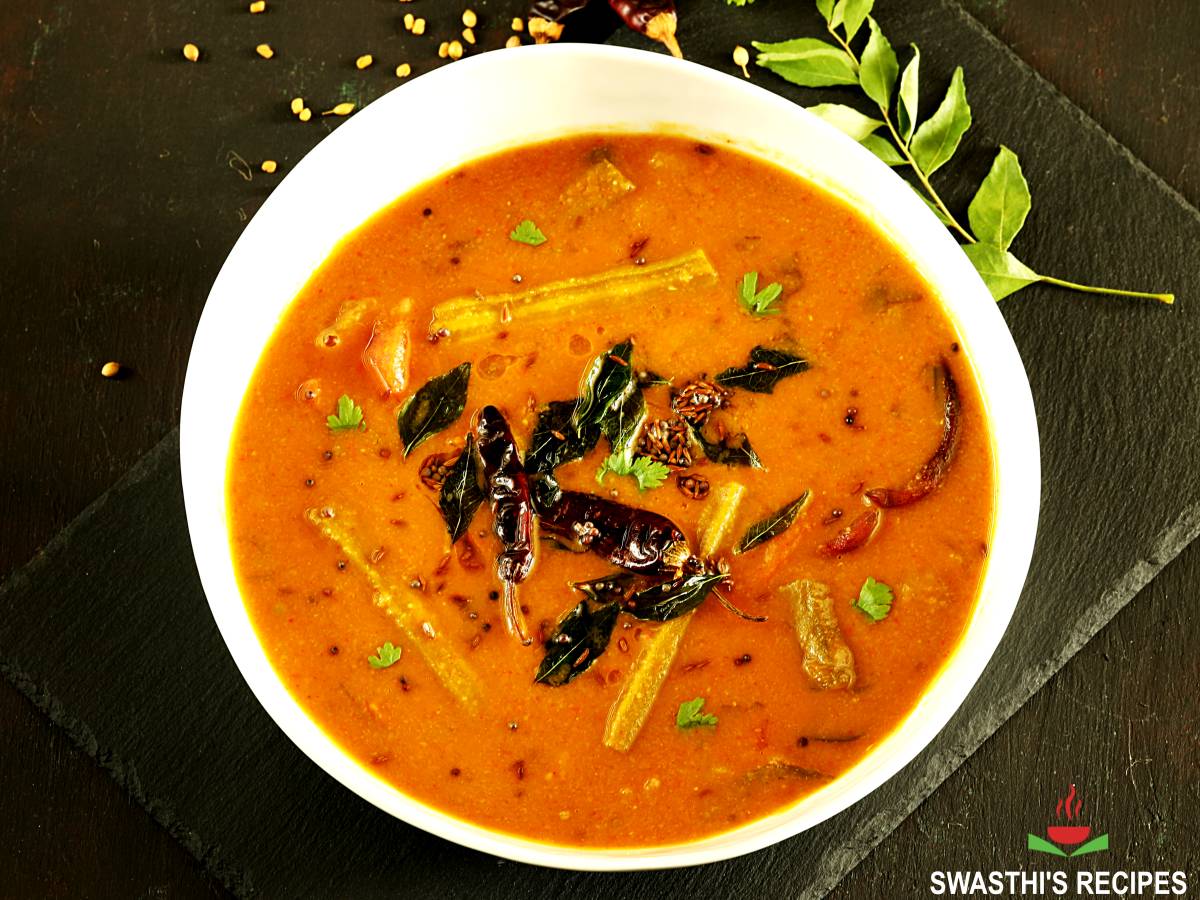
🍛 Sambar – The Heart of South Indian Cuisine (Premium Food Blog Guide)
Sambar is one of the most iconic and comforting dishes from South India — a flavorful lentil stew simmered with vegetables, tamarind, spices, and the signature sambar masala. It is fragrant, nutritious, wholesome, and pairs beautifully with almost every South Indian favorite like idli, dosa, vada, upma, pongal, rice, and uttapam.
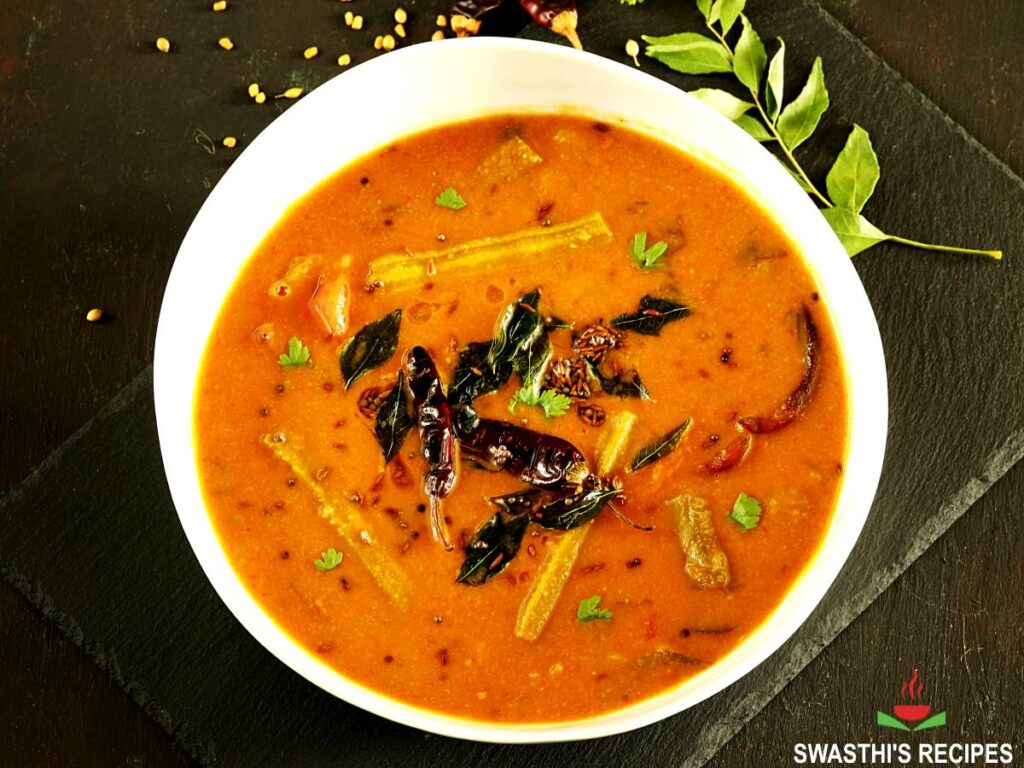
Whether eaten for breakfast, lunch, or dinner, Sambar is a daily essential in South Indian households and a beloved dish across India and beyond.
⭐ What Is Sambar?
Sambar is a traditional South Indian dish made using:
- Toor dal (pigeon pea lentils)
- Mixed vegetables
- Tamarind
- Sambar powder
- Mustard seeds & curry leaves
- Coconut (optional depending on region)
The taste of Sambar is:
✔ Tangy
✔ Spicy
✔ Earthy
✔ Light
✔ Comforting
Sambar is wholesome, protein-rich, vegan-friendly, and naturally gluten-free.
⭐ History of Sambar
The story of Sambar is both royal and regional.
👑 Maratha Origin Theory
Legend says Sambar was invented in the kitchen of Shahuji Maharaj of Tanjore when he accidentally used tamarind in a dal recipe meant for Sambhaji (Shivaji Maharaj’s son). The dish was then named “Sambar.”
🌿 Dravidian Evolution
Another theory is that Sambar evolved from ancient Dravidian lentil stews cooked with local herbs and vegetables.
Regardless of its origin, Sambar today is a symbol of South Indian culinary identity, especially in Tamil Nadu, Karnataka, Kerala, Andhra Pradesh, and Telangana.
🍽️ Ingredients Used in Sambar (Premium Breakdown)
Sambar gets its rich flavor from four major components:
🟡 1. Lentils (Dal Base)
Mostly toor dal, but sometimes:
- Moong dal
- Masoor dal
- A mix of dals
Cooked until soft and creamy.
🥕 2. Vegetables
Sambar traditionally includes a variety of vegetables such as:
- Drumstick
- Carrot
- Pumpkin
- Brinjal
- Tomatoes
- Onion / small shallots
- Potato
- Radish
- Beans
- Okra (added separately)
🌶️ 3. Tamarind
Adds tanginess that defines Sambar.
🧂 4. Sambar Powder
A fragrant blend of:
- Coriander seeds
- Dry red chilies
- Fenugreek
- Chana dal
- Turmeric
- Asafoetida (hing)
- Curry leaves
Every region and household has its own unique version.
🍛 How to Make Authentic South Indian Sambar – Step-by-Step Recipe
This recipe gives you aromatic, traditional, delicious Sambar.
🥣 Step 1 — Cook the Dal
Pressure cook:
- 1 cup toor dal
- 3 cups water
- Turmeric
- A few drops of oil
Mash well and keep aside.
🥕 Step 2 — Cook Vegetables
In a pot:
- Add chopped vegetables.
- Add turmeric + salt.
- Add enough water to cover.
- Cook until vegetables are 80% soft.
🍋 Step 3 — Add Tamarind
Add soaked tamarind extract:
- Gives tangy base.
- Let it boil for 5 mins.
🌶️ Step 4 — Add Sambar Powder
Add 1–2 tbsp of sambar powder depending on spice level.
Simmer to allow flavors to blend.
🍲 Step 5 — Add Cooked Dal
Stir in mashed dal.
Adjust:
- Salt
- Water
- Spice
Let it simmer for 10 minutes.
🍛 Step 6 — Final Tempering (Tadka)
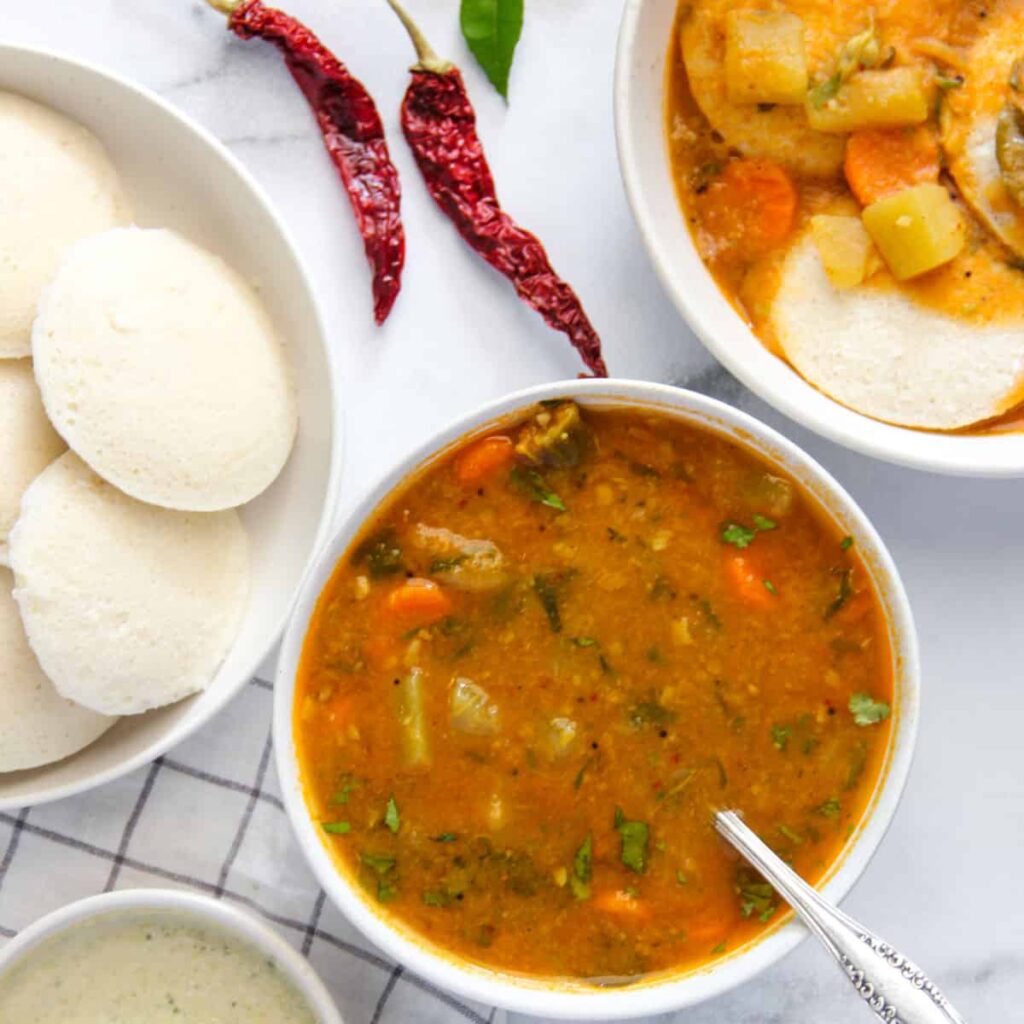
Heat ghee or oil.
Add:
- Mustard seeds
- Cumin
- Urad dal
- Dry red chilies
- Asafoetida
- Curry leaves
- Onion (optional)
Pour this sizzling tadka over the Sambar.
This step gives aroma + authenticity + flavor explosion.
🌟 Traditional South Indian Chef Tips
✔ Add vegetables in the right order
Harder vegetables like carrot & drumstick go first.
✔ Always simmer sambar
Never boil aggressively after adding dal.
✔ Add tadka at the end
For maximum aroma.
✔ Use homemade sambar powder
Strong aroma, authentic taste.
✔ Add jaggery (optional)
Enhances flavor and balances tanginess.
✔ Don’t skip curry leaves
They define South Indian flavor.
✔ Drumstick is MUST for real Sambar taste
It infuses unmatched aroma.
🍽️ What to Serve with Sambar?
Sambar is incredibly versatile.
⭐ Breakfast Pairings
- Idli
- Dosa
- Medu vada
- Uttapam
- Paniyaram
- Upma
- Pongal
⭐ Lunch / Dinner Pairings
- Steamed rice
- Curd rice
- Lemon rice
- Coconut chutney
⭐ Special combo
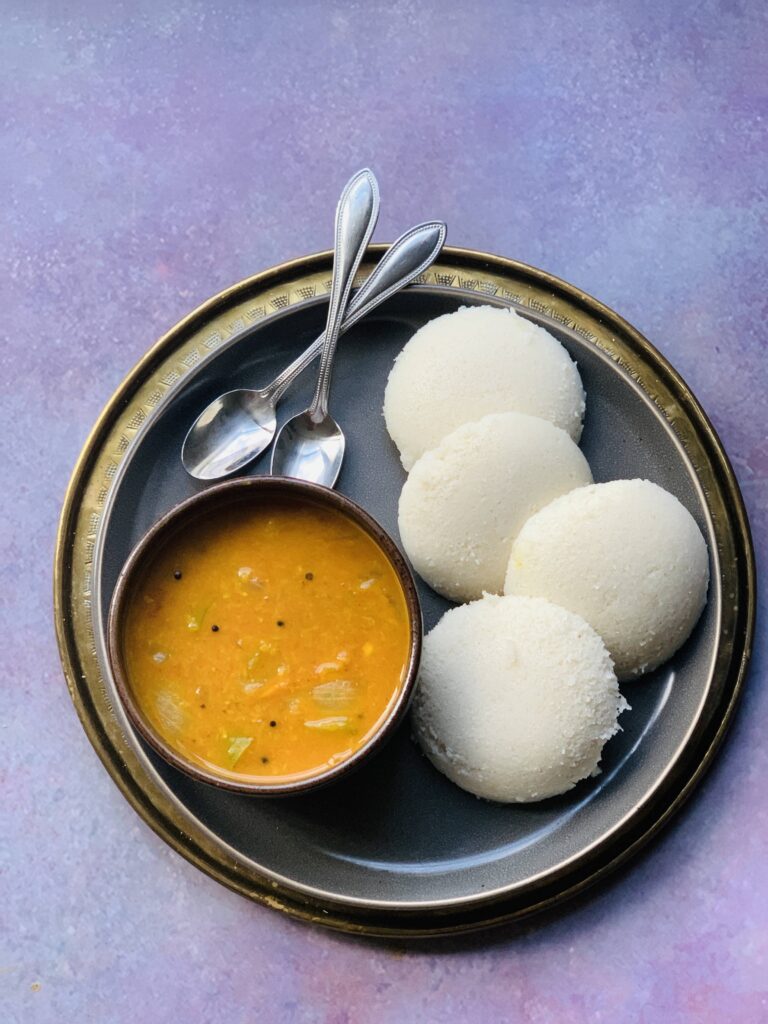
✨ Sambar + Idli + Coconut Chutney
— the world-famous trio.
🔀 Different Regional Variations of Sambar
⭐ 1. Tamil Nadu Sambar
More tangy, uses homemade sambar powder.
⭐ 2. Karnataka Sambar
A bit sweet (jaggery), uses ground coconut paste.
⭐ 3. Kerala Sambar
Uses coconut oil + roasted coconut + vegetables.
⭐ 4. Andhra Sambar
Spicier and more robust.
⭐ 5. Udupi Sambar
Sweet, mild, temple-style.
⭐ 6. Arachuvitta Sambar
Stone-ground spices and coconut — absolutely heavenly.
❌ Common Mistakes to Avoid
❗ Adding dal too early
Vegetables won’t soften properly.
❗ Making Sambar too watery
Should be medium-thick, not runny.
❗ Overcooking vegetables
They should hold shape.
❗ Adding too much tamarind
Makes sambar overly sour.
❗ Skipping tadka
Sambar loses aroma without tempering.
🧊 Storage Tips
- Sambar tastes even better after resting for 2–3 hours.
- Refrigerate up to 2 days.
- Freeze for 1 month (without potatoes).
- Reheat gently — avoid boiling.
❓ Sambar FAQ (Frequently Asked Questions)
1. Why does my sambar taste bland?
Not enough sambar powder or tamarind.
2. Why is my sambar too sour?
Too much tamarind — balance with jaggery.
3. Can I use moong dal instead of toor dal?
Yes — makes a lighter version.
4. Why is my sambar watery?
Add more cooked dal or simmer longer.
5. Can I make sambar without vegetables?
Yes — “Paruppu Kuzhambu” is similar.
6. Why does restaurant sambar taste different?
They use fresh ground masala + ghee tadka.
7. Can I add coconut?
Yes — Karnataka & Kerala versions use it.
8. Why does my sambar taste bitter?
Burnt fenugreek or over-roasted spices.
9. Can I make sambar powder at home?
Yes — fresh powder gives the BEST flavor.
10. When to add curry leaves?
Always in tadka, never in dal.
🎉 Conclusion
Sambar is not just a dish — it’s a comforting, nourishing, flavorful part of South Indian culture. The perfect blend of lentils, vegetables, tamarind, and spices makes it one of the most versatile and loved dishes across India.
This premium guide is ideal for food blogs, recipe websites, and cooking content creators.