Panipuri: The Ultimate Guide to India’s Favorite Street Food
Introduction
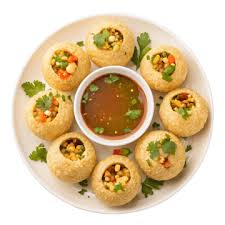
Panipuri, also known as Golgappa in North India and Phuchka in Bengal, is one of the most beloved street foods in India. Tiny, crispy hollow puris filled with spicy, tangy water and flavorful fillings, Panipuri offers a unique combination of textures and tastes that is irresistible to food lovers of all ages.
This guide explores everything about Panipuri, including its history, types, ingredients, health benefits, recipes, and popular spots to enjoy it. We’ll also cover frequently asked questions to give you a complete picture of this iconic snack.
History of Panipuri
Panipuri has been enjoyed in India for over a century. Its origins are debated:
- North India (Golgappa): Known for its spicy and tangy water.
- West Bengal (Phuchka): Features mashed potato and tamarind water with a slightly sour and spicy taste.
- Maharashtra (Panipuri): The sweet and tangy water is a signature of this region.
Over time, Panipuri became a staple street food across India, loved by people of all ages. Each region adds its unique twist, reflecting local flavors and culinary preferences.
Anatomy of Panipuri
Panipuri is a perfect blend of three essential components:
1. The Puri (Shell)
- Made from semolina or wheat flour, rolled thin, and fried until crisp.
- Hollow inside to hold the fillings and flavored water.
2. Masala Pani (Flavored Water)
- The tangy, spicy water made from tamarind, mint, coriander, black salt, and spices.
- Each vendor has a secret recipe for the perfect balance of flavors.
3. Filling (Stuffing)
- Traditionally boiled potatoes, chickpeas, and onions, sometimes garnished with sprouts or sev.
- Some modern versions include cheese, sweet chutneys, or flavored mixes.
Types of Panipuri
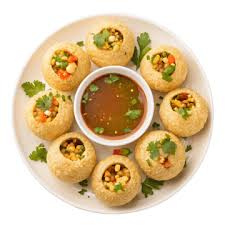
1. Classic Panipuri (Maharashtra)
- Sweet, tangy, and spicy tamarind water with potato and chickpea filling.
2. Phuchka (West Bengal)
- Mashed potatoes spiced with chili powder, served with tangy tamarind water.
3. Golgappa (North India)
- Chickpeas, potatoes, and boondi in spicy water with a slightly tangy taste.
4. Modern Variations
- Cheese Panipuri: Filled with mozzarella or processed cheese.
- Chocolate Panipuri: Dessert twist with chocolate filling and syrup.
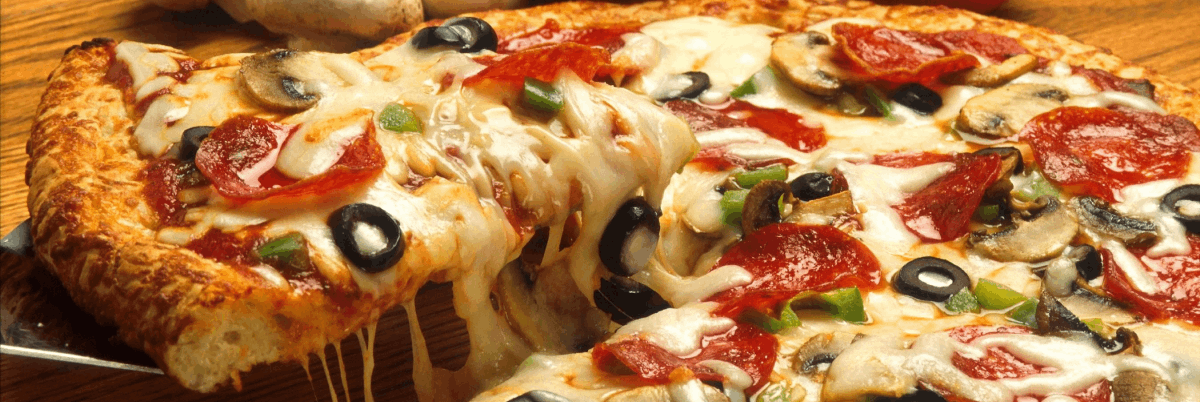
- Fusion Panipuri: Pizza or schezwan-style fillings for innovative street food experiences.
The Taste of Panipuri
Panipuri is loved because it combines three different sensations in one bite:
- Crispy shell – Initial crunch that excites the palate.
- Tangy-spicy water – Creates a burst of flavor that balances the crispiness.
- Soft filling – Adds texture and subtle flavor, making each bite complex yet harmonious.
Health Benefits of Panipuri
While often considered junk food, Panipuri can be nutritious if prepared hygienically:
- Rich in Protein and Fiber
- Chickpeas and sprouts in the filling provide protein and fiber, supporting digestion.
- Digestive Aid
- Tamarind and mint in the water can improve digestion.
- Low-Calorie Snack Option
- Using baked or shallow-fried puris instead of deep frying reduces calories.
How to Make Panipuri at Home
Ingredients
- Puri: 1 cup semolina, 2 tbsp all-purpose flour, salt, oil for frying
- Filling: 2 boiled potatoes, ½ cup boiled chickpeas, spices (chaat masala, cumin powder, chili powder)
- Masala Water: 2 tbsp tamarind pulp, 1 tbsp mint, coriander, black salt, regular salt, chili powder, roasted cumin powder
Method
Making the Puri:
- Mix semolina and flour with salt; knead into a soft dough.
- Roll small balls and flatten them into thin discs.
- Fry in hot oil until crisp and golden.
Preparing the Masala Water:
- Boil tamarind with water and strain the pulp.
- Add mint, coriander, black salt, regular salt, and spices.
- Chill before serving.
Preparing the Filling:
- Mash boiled potatoes and mix with boiled chickpeas.
- Add spices according to taste.
Serve by filling puris with potato-chickpea mixture and pouring flavored water. Enjoy immediately for the best taste.
Hygiene and Safety Tips
- Choose vendors who maintain clean utensils and fresh ingredients.
- Wash raw vegetables thoroughly before use.
- Prepare masala water fresh and refrigerate if storing.
- Avoid over-frying puris to reduce oil absorption.
Popular Panipuri Destinations in India
- Delhi: Haldiram’s, Bengali Sweet House
- Mumbai: Elco Pani Puri Centre, Anand Stall
- Kolkata: Balaram Mullick & Radharaman, Sharma’s Phuchka
FAQs About Panipuri
Q1: What’s the difference between Panipuri and Golgappa?
A1: Golgappa (North India) is spicier and tangier, while Panipuri (Maharashtra) has slightly sweet, tangy water.
Q2: Can Panipuri be healthy?
A2: Yes, using boiled potatoes, sprouts, chickpeas, and fresh ingredients can make Panipuri nutritious.
Q3: How do you eat Panipuri correctly?
A3: Pop the entire filled puri in your mouth in one bite for the perfect burst of flavor.
Q4: Can Panipuri be made at home?
A4: Absolutely! Homemade Panipuri allows you to control hygiene, ingredients, and spice levels.
Q5: What makes Panipuri addictive?
A5: The combination of crispy puri, spicy-tangy water, and flavorful filling creates an irresistible taste experience.
Conclusion
Panipuri is more than just street food; it is an experience, a tradition, and a taste of India. From regional variations to modern twists, it continues to win hearts worldwide. Homemade or from a vendor, Panipuri is a snack that brings joy, flavor, and memories with every bite.
Whether you are a food enthusiast or just exploring Indian cuisine, Panipuri is a must-try culinary delight.