Ice cream is more than just a sweet frozen treat—it is a global emotion, a dessert that brings joy to millions regardless of age. Whether enjoyed in the peak of summer or on a cozy winter night, ice cream remains one of the most beloved desserts across cultures. Over the years, ice cream has evolved from a simple chilled delicacy to an innovative culinary art.
Today, it comes in thousands of flavors, textures, and variations, making it one of the most diverse desserts in the world. In this comprehensive 2000-word guide, we explore everything about ice cream—from its history and production to flavors, benefits, trends, and FAQs.
1. Introduction to Ice Cream
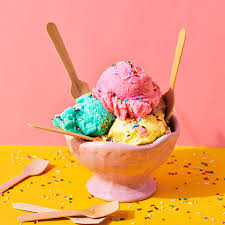
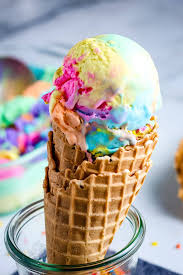
Ice cream is a smooth, frozen dessert made primarily from milk, cream, sugar, flavorings, and sometimes stabilizers. When churned and frozen, it forms a creamy texture that melts beautifully in your mouth. What makes ice cream truly unique is its ability to capture flavors in a rich and satisfying way. From classic vanilla and chocolate to exotic combinations like lavender honey, matcha, or salted caramel, ice cream has become a symbol of creativity and culinary delight.
Beyond taste, ice cream plays a role in emotional experiences—it is tied to celebrations, nostalgia, comfort, and happiness. This universal appeal is what makes it one of the most consumed desserts in the world.
2. A Brief History of Ice Cream
The roots of ice cream stretch back thousands of years. While modern ice cream originated in Europe and America, early forms of frozen desserts existed in many ancient civilizations.
Ice Cream in Ancient Civilizations
- In China, as early as 200 BC, people ate a mixture of snow, rice, and milk.
- Ancient Persians enjoyed faloodeh, a frozen dessert made from vermicelli and rose water.
- Romans collected mountain ice and flavored it with fruit juices.
- Arabs later introduced milk-based cold desserts using sugar, milk, and flavorings.
Evolution in Europe
By the 1600s, flavored ice became popular among European royalty. Italian and French chefs mastered the technique of making smooth frozen desserts, which later evolved into gelato and sherbet.
Ice Cream in America
Ice cream gained widespread popularity in the United States during the 18th century. With the invention of mechanical refrigeration in the 20th century, commercial ice cream production skyrocketed, making it accessible to everyone.
3. How Ice Cream Is Made
Understanding the ice cream-making process helps appreciate the craftsmanship behind every scoop. Although commercial and homemade methods differ slightly, the basic process remains the same.
1. Mixing Ingredients
A mixture of milk, cream, sugar, and flavorings is blended together. Some recipes include egg yolks, creating the French-style custard base.
2. Pasteurization
The mixture is heated to eliminate bacteria, ensuring safety and enhancing texture.
3. Homogenization
This process breaks down fat molecules to create a smoother consistency.
4. Aging the Mixture
The mixture is cooled and rested for several hours to improve creaminess.
5. Churning and Freezing
The mixture is churned while freezing, incorporating air. This creates the light, fluffy texture we associate with ice cream.
6. Packaging and Hardening
The ice cream is then packed and stored at very low temperatures to harden.
4. Popular Ice Cream Flavors Around the World
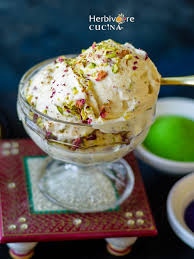
Ice cream flavors vary dramatically across regions and cultures. Here are some of the most popular and unique ones:
Classic Flavors
- Vanilla
- Chocolate
- Strawberry
- Butterscotch
- Coffee
Modern Trending Flavors
- Salted caramel
- Cookies and cream
- Red velvet
- Brownie fudge
- Nutella swirl
Exotic International Flavors
- Matcha (Japan)
- Black sesame (China)
- Kulfi (India)
- Ube (Philippines)
- Rose and saffron (Middle East)
Experimental Flavors
- Charcoal ice cream
- Lavender honey
- Basil lemon
- Balsamic strawberry
- Edible flowers
5. Types of Ice Cream

Ice cream comes in many varieties, each differing by ingredients, air content, and preparation style.
1. Regular Ice Cream
High in fat, rich, creamy, and widely available.
2. Gelato
Italian-style ice cream with less air and more milk, resulting in a denser texture.
3. Sorbet
Dairy-free frozen dessert made from fruits and sugar.
4. Frozen Yogurt
Tangy dessert made from yogurt, often perceived as healthier.
5. Soft Serve
Light, airy ice cream served at slightly warmer temperatures.
6. Vegan Ice Cream
Made from almond, coconut, soy, or oat milk for dairy-free consumers.
7. Rolled Ice Cream
A Thai-style dessert where the mixture is spread, frozen, and rolled into beautiful rolls.
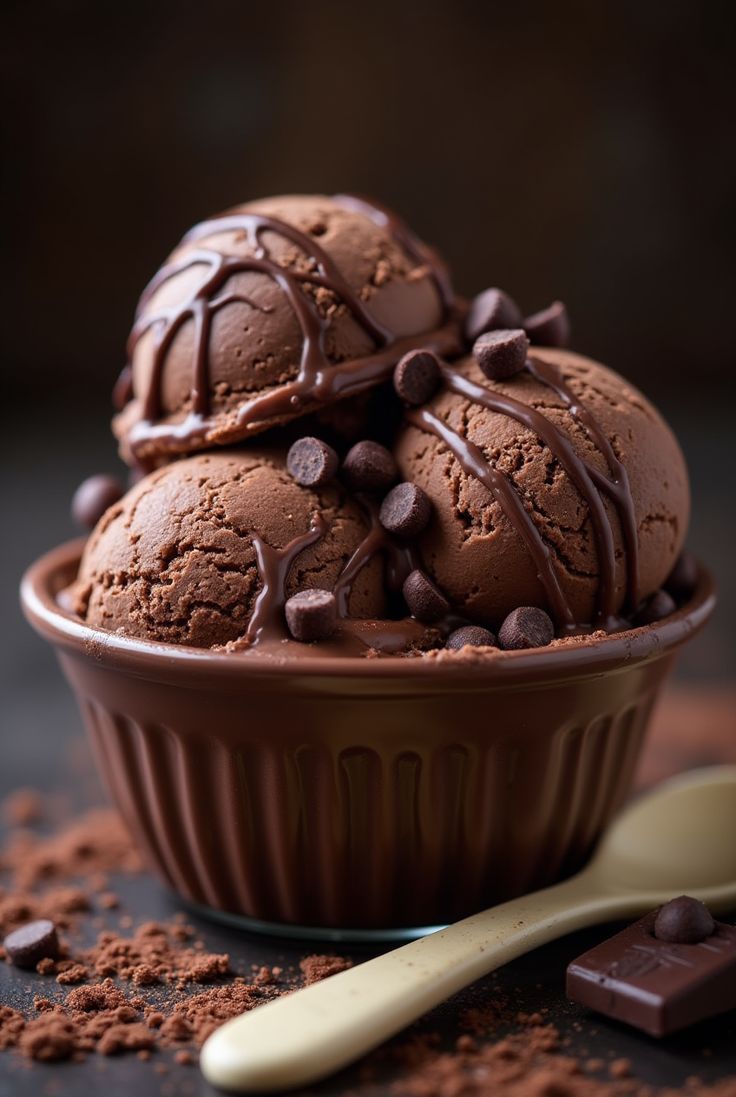
6. Health Benefits of Ice Cream (Yes, It Has Some!)
While ice cream should be enjoyed in moderation, it does offer some surprising benefits:
Good Source of Calcium
Supports strong bones and teeth.
Energy Booster
Carbohydrates and fats provide quick energy.
Mood Enhancer
Ice cream contains natural sugars that increase serotonin levels—your “happy hormone”.
Rich in Vitamins
Contains vitamins A, D, B6, and B12.
Cooling Effect
Perfect for soothing heat and dehydration during summer months.
7. How to Make Ice Cream at Home (Simple Recipe)
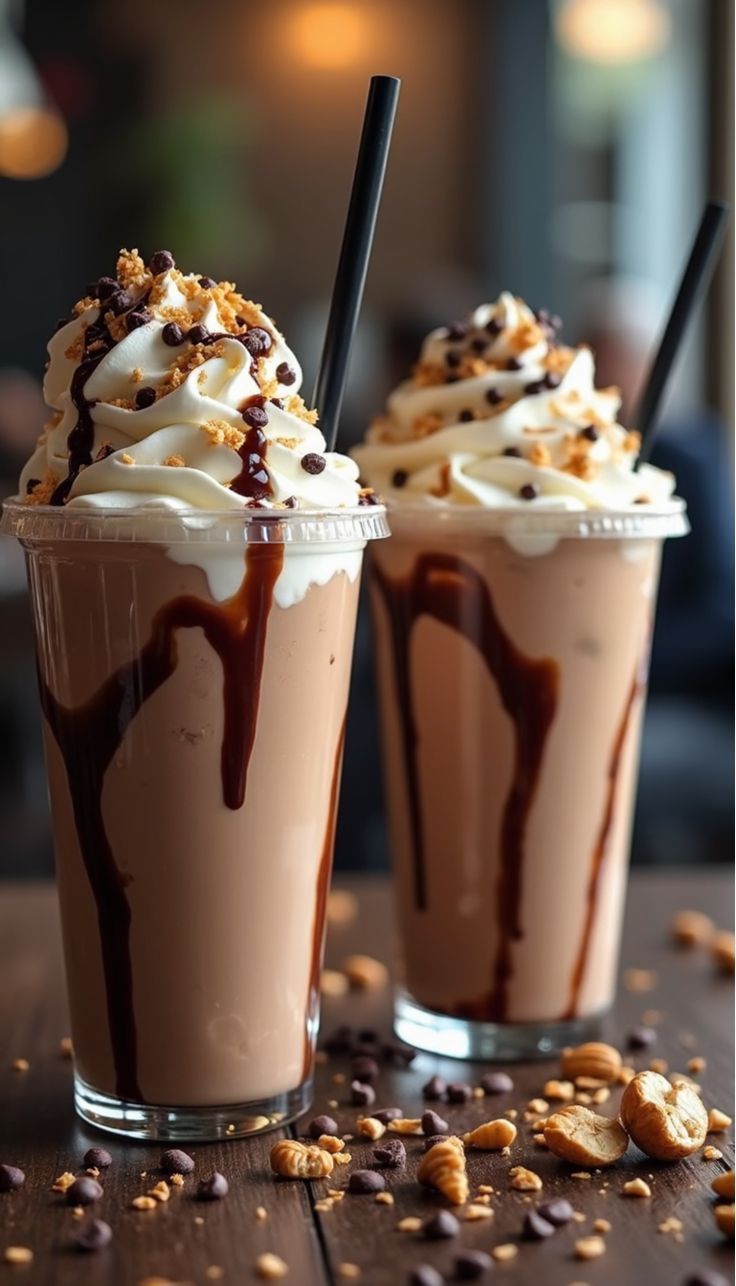
Ingredients
- 2 cups heavy cream
- 1 cup whole milk
- ¾ cup sugar
- 1 tsp vanilla extract
Steps
- Whisk cream, milk, and sugar until dissolved.
- Add vanilla extract.
- Pour into an ice cream maker and churn for 20–30 minutes.
- Freeze for 4 hours and enjoy!
No-machine method:
Freeze a mixture of cream and condensed milk, stirring every 30 minutes until creamy.
8. Ice Cream Trends in 2025
The ice cream industry keeps evolving. Here are the latest trends dominating the market:
Plant-Based Ice Cream
Consumers prefer dairy-free alternatives like oat milk ice cream.
Protein Ice Cream
High-protein, low-calorie ice creams are becoming popular among fitness lovers.
Global Flavors
Flavors inspired by Asian, Middle Eastern, and Indian cuisine are trending.
Gourmet and Artisanal Ice Cream
Small-batch premium ice creams with unique ingredients are in demand.
9. Ice Cream Business: Why It’s a Profitable Idea
Starting an ice cream business can be highly profitable due to:
- High demand all year round
- Low manufacturing costs
- Wide flavor and product variety
- Seasonal peaks (summer increases sales)
- Easy marketing and brand creation
Whether you open a small kiosk or a premium brand, ice cream always sells.
10. Best Ice Cream Brands in the World
Some globally loved ice cream brands include:
- Häagen-Dazs
- Ben & Jerry’s
- Magnum
- Baskin Robbins
- Dairy Queen
- Cold Stone Creamery
- Amul (India)
These brands are known for consistency, innovation, and rich flavors.
11. Frequently Asked Questions (FAQ)
1. Which ice cream flavor is the most popular in the world?
Vanilla remains the most universally loved flavor worldwide.
2. Is eating ice cream healthy?
Yes, in moderation. It contains calcium, vitamins, and provides quick energy.
3. What makes gelato different from regular ice cream?
Gelato has less air and more milk, giving it a denser and smoother texture.
4. Can lactose-intolerant people enjoy ice cream?
Yes! Many brands offer lactose-free and dairy-free options.
5. Is homemade ice cream better than store-bought?
Homemade ice cream has fewer preservatives and allows full control over flavors and ingredients.
6. What is the best time to eat ice cream?
Anytime! But many prefer it after meals or on hot days.
7. Can ice cream help in boosting mood?
Yes, because the sugars and fats trigger the release of serotonin.
12. Conclusion
Ice cream is a timeless dessert loved across generations and cultures. Its versatility, flavors, and emotional impact make it an irreplaceable part of global cuisine. Whether enjoyed in a cone, cup, milkshake, smoothie, or cake, ice cream brings joy, refreshment, and satisfaction. With new trends emerging every year, ice cream continues to evolve, offering exciting experiences for dessert lovers everywhere.
From its ancient origins to modern gourmet creations, ice cream remains a symbol of happiness—and it is here to stay.