Mutton Biryani – The Ultimate Premium Guide to India’s Most Royal Dum Biryani (History • Recipe • Variations • Tips • FAQs)
Mutton Biryani is not just a dish —
It is heritage.
It is celebration.
It is royalty served on a plate.
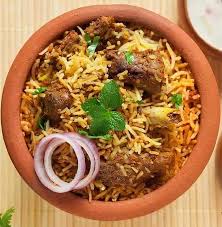
The moment you open a pot of perfectly dum-cooked Mutton Biryani, you’re greeted with the soul-stirring aroma of saffron, spices, fried onions, fresh herbs, ghee, and long-grain basmati rice. Mixed together with slow-cooked tender mutton, every grain tells a story of patience, flavour, and tradition.
Whether it’s Eid, a festive gathering, a family dinner, a wedding feast, or a royal banquet — Mutton Biryani is the king of all biryanis.
This detailed 3000-word guide covers everything:
- What Mutton Biryani is
- History & origin
- Perfect ingredients
- Premium restaurant-style step-by-step recipe
- Dum technique explained
- Regional variations (Hyderabadi, Lucknowi, Kolkata, Malabar & more)
- How to serve
- Health benefits
- Common mistakes
- Expert tips
- 18-question FAQ
Let’s step into the royal world of Mutton Biryani.
🍽️ What Is Mutton Biryani?
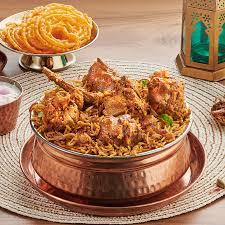
Mutton Biryani is a layered rice and meat dish made using:
- Long-grain basmati rice
- Tender goat or lamb pieces
- Yogurt-based marinade
- Whole spices
- Fried onions
- Saffron milk
- Ghee
- Mint and coriander
- Dum cooking
The magic lies in the layering:
Meat at the bottom → partially cooked rice on top → fried onions → herbs → saffron → ghee → dum
The slow steam cooking infuses all flavours, keeping:
- Meat juicy
- Rice long and separate
- Aroma deep and rich
- Masala balanced
⭐ The Royal History of Mutton Biryani
Biryani began its journey in the royal Mughal kitchens.
✔ Persian Roots
The word Biryan means “fried before cooking.”
Persians introduced layered spiced rice and meat dishes to India.
✔ Mughal Evolution
Awadhi, Mughlai and Hyderabadi chefs refined the dish using:
- Aromatic whole spices
- Saffron
- Ghee
- Dum technique
✔ Spread Across India
Each region added its own interpretation:
- Hyderabad → spicy, deep-flavoured dum biryani
- Lucknow → delicate, fragrant, yakhni style
- Kolkata → potatoes + sweetness
- Kerala → short-grain rice + coconut hints
Today, Mutton Biryani is a beloved dish across the world.
🧂 Ingredients for Authentic Mutton Biryani
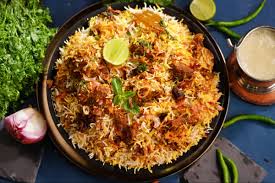
A great biryani depends on three main elements:
A. Mutton Marination
- Mutton (goat/lamb, bone-in preferred)
- Yogurt (thick curd)
- Ginger-garlic paste
- Red chilli powder
- Turmeric
- Coriander powder
- Garam masala
- Biryani masala
- Lemon juice
- Salt
- Green chillies
- Mint & coriander
- Fried onions (crushed)
- Mustard oil or ghee
B. Rice Ingredients
- Long-grain aged basmati rice
- Bay leaf
- Cinnamon
- Cloves
- Black cardamom
- Green cardamom
- Star anise
- Mace
- Salt
- Ghee
C. Layering Ingredients
- Fried onions (Birista)
- Saffron soaked in warm milk
- Ghee
- Mint leaves
- Fresh coriander
- Rose water (optional)
- Kewra water (optional)
🥘 Premium Step-By-Step Mutton Biryani Recipe (Food Blog Style)
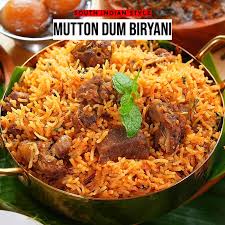
This is a restaurant-level, royal-style recipe that gives soft meat, long grains and rich flavour.
⭐ Step 1 – Cleaning & Pre-Cooking the Mutton
- Rinse mutton pieces well.
- Remove excess fat (not all — little fat = flavour).
- Pressure cook or slow cook with:
- salt
- turmeric
- ginger-garlic
- whole spices
Cook until the mutton is 80% done (juicy but not falling apart).
This ensures perfect dum later.
⭐ Step 2 – Marination (Very Important)
Mix:
- Yogurt
- Ginger-garlic paste
- Red chilli powder
- Turmeric
- Garam masala
- Biryani masala
- Lemon
- Mint
- Coriander
- Green chillies
- Oil
- Fried onions
Add partially cooked mutton and coat evenly.
Let it rest for 1–4 hours.
Overnight marination gives heavenly flavour.
⭐ Step 3 – Preparing the Rice
- Wash rice 3–4 times until water is clear.
- Soak for 30 minutes.
- Boil water with whole spices + salt.
- Add the soaked rice.
- Cook until 70% done.
- Strain and keep aside.
Long grains and correct doneness is critical.
⭐ Step 4 – Making Birista (Fried Onions)
Fry thin onion slices in ghee/oil until golden brown.
Birista gives biryani its signature:
- sweetness
- aroma
- colour
⭐ Step 5 – Layering the Mutton Biryani
Take a heavy-bottom handi.
Bottom Layer →
All marinated mutton.
Middle Layer →
Half-cooked basmati rice.
Garnish →
Birista + mint + coriander.
Top Layer →
Remaining rice.
Final Touch →
- Saffron milk
- Ghee
- Fried onions
- Rose/Kewra water (optional)
This creates the authentic 3D flavour structure of biryani.
⭐ Step 6 – Dum Cooking (The Heart of Biryani)
Seal the pot:
✔ Traditional Dough Seal
This traps steam beautifully.
✔ Lid + Weight Method
Simpler for home kitchens.
Dum Timeline
- 15 min medium-low heat
- 25–30 min very low heat
Signs Biryani Is Ready
- Aroma fills the kitchen
- Rice grains are long & separate
- Ghee appears on the sides
- Mutton soft but intact
⭐ Step 7 – Serving the Biryani
Do NOT mix vigorously.
Use a flat spoon and gently lift biryani from the sides.
Your Mutton Biryani will look:
- golden
- aromatic
- layered
- fluffy
🍛 The Taste, Texture & Aroma of Perfect Mutton Biryani
✔ Taste
- bold
- spicy
- deep
- rich
- balanced
✔ Texture
- soft tender mutton
- long fluffy rice
- moist but not sticky
- crispy fried onions
✔ Aroma
- saffron
- ghee
- whole spices
- mint
- dum fragrance
This is the hallmark of premium biryani.
🌶️ Regional Variations of Mutton Biryani
India offers many magical versions:
⭐ 1. Hyderabadi Mutton Dum Biryani
Strong spices, heavy birista, deep flavour, raw layering.
⭐ 2. Lucknowi (Awadhi) Mutton Biryani
Mild, fragrant, cooked with yakhni (meat stock), delicate taste.
⭐ 3. Kolkata Mutton Biryani
Aromatic, light sweetness, potatoes, kewra essence.
⭐ 4. Malabar / Thalassery Mutton Biryani
Uses short-grain Jeerakasala rice, coconut hints.
⭐ 5. Ambur Mutton Biryani
South Indian, spicy, uses seeraga samba rice.
⭐ 6. Dindigul Mutton Biryani
Tangy + spicy, curd & lemon are primary flavours.
⭐ 7. Bombay Mutton Biryani
Bold masala, fried potatoes, richer gravy.
⭐ 8. Sindhi Mutton Biryani
Green chillies + tomato + heavy spices.
🍽️ Best Side Dishes with Mutton Biryani
- Boondi Raita
- Mint Raita
- Onion Raita
- Mirchi Ka Salan
- Kachumber Salad
- Roasted Papad
- Lemon wedges
- Fried green chillies
These balance biryani’s richness.
❤️ Health Benefits of Mutton Biryani
Mutton Biryani can be nutritious when cooked the right way:
✔ High Protein
Builds muscle and strength.
✔ Good Fats
Mutton has healthy fats when trimmed well.
✔ Essential Minerals
Iron, zinc, magnesium boost immunity.
✔ Carbohydrates
Rice gives sustained energy.
✔ Digestive Spices
Cumin, cloves, cardamom improve digestion.
✔ Complete Meal
Protein + carbs + spices + herbs = balanced.
⚠️ Common Mistakes to Avoid
❌ Overcooking rice
Makes biryani mushy.
❌ Under-cooking mutton
Meat stays tough.
❌ Using poor quality basmati
Grains won’t elongate.
❌ High flame dum
Burns bottom layer.
❌ Too much water
Ruins texture.
❌ Not resting biryani
Flavours don’t settle.
Follow premium steps to avoid these issues.
👨🍳 Chef Tips for the Best Mutton Biryani
- Always use aged basmati rice (1–2 years old).
- Bone-in mutton gives richer flavour.
- Slow-cook mutton first → then marinate.
- Add saffron soaked in warm milk — not water.
- Use ghee for aroma.
- Double layer mint + coriander.
- Use fried onions generously.
- Keep flame low during dum.
- Add a little kewra for restaurant fragrance.
- Never mix biryani completely — lift gently.
❓ FAQ – Mutton Biryani (18 Most Asked Questions)
1. Why does my mutton remain tough?
Because it wasn’t pre-cooked enough.
Cook mutton 80% before layering.
2. Can I use boneless mutton?
Yes, but bone-in gives better flavour.
3. Why does biryani become mushy?
Overcooked rice or too much water.
4. Is soaking the rice necessary?
Yes — it gives longer grains.
5. How long should mutton be marinated?
1–4 hours minimum, overnight best.
6. Can I make biryani in a pressure cooker?
Yes, but dum biryani gives richer taste.
7. Why does the biryani smell too strong?
Too much kewra/rose water.
8. Which rice is best?
Aged basmati — Daawat, Lal Qila, Fortune.
9. Can I reheat biryani?
Yes — steam it, don’t microwave.
10. Can I freeze biryani?
Yes — stays good for 2 weeks.
11. Why is my biryani oily?
Too much ghee or excessive birista.
12. Should I add tomatoes?
Depends on regional style.
Hyderabadi → yes
Lucknowi → no
13. Why does rice not fluff up?
Low-quality rice or insufficient soaking.
14. What’s the difference between pulao and biryani?
Biryani = layered + dum
Pulao = cooked together
15. How long does biryani last?
24–36 hours in fridge.
16. Why is biryani bland?
Under-marinated mutton or weak spices.
17. Should I add potatoes?
Kolkata / Bombay styles → yes
Others → optional
18. Which oil is best for biryani?
Ghee for flavour; mustard oil for marination.
🍛 Final Note – Mutton Biryani Is a Royal Experience
Mutton Biryani is not cooked — it is crafted.
It demands:
- patience
- technique
- love
- time
- high-quality ingredients
But the result?
A masterpiece.
A celebration of Indian flavours.
A dish that brings everyone to the table.
Serve it with pride.
Savour it slowly.
Share it with the people you love.