Tandoori Roti – The Ultimate Premium Guide to India’s Most Authentic Clay-Oven Bread
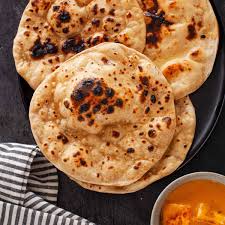
Tandoori Roti is one of India’s most iconic breads — rustic, smoky, earthy and deeply satisfying. Baked in a blazing-hot clay oven called a tandoor, this bread has graced the menu of North Indian homes, roadside dhabas, and royal Mughlai kitchens for centuries.
Crispy on the outside, soft on the inside, with a subtle char and earthy aroma — Tandoori Roti is the perfect companion for rich gravies like Dal Makhani, Paneer Butter Masala, Chicken Tikka Masala, and almost every North Indian dish.
This premium guide covers:
- What Tandoori Roti is
- History and cultural significance
- Ingredients
- Step-by-step method (tandoor + oven + tava versions)
- Variations
- Nutrition + health benefits
- Perfect serving combinations
- Expert chef tips
- Complete FAQ
Let’s explore the world of India’s most authentic clay-oven roti.
🍽️ What Is Tandoori Roti?
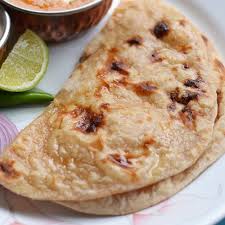
Tandoori Roti is a traditional North Indian flatbread made of:
- Whole wheat flour (atta)
- Salt
- Water
and sometimes:
- Curd
- Ghee
- Ajwain
- Baking powder (for softness)
It is cooked in a tandoor, a cylindrical clay oven heated to 400–500°C.
The roti is slapped onto the hot clay walls where it sticks, bakes rapidly, puffs beautifully and develops:
- Smoky flavour
- Charred spots
- Crisp edges
- Soft, tender interior
The unique texture of Tandoori Roti cannot be replicated by normal home cooking — but close versions can be made on a gas stove or oven.
🔥 The History of Tandoori Roti
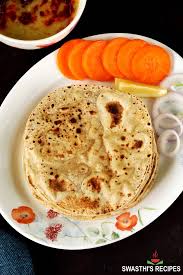
The tandoor has existed in India for over 5,000 years. Originating in Punjab and parts of Central Asia, it was traditionally used for:
- Roti
- Naan
- Chicken
- Kebabs
- Vegetables
The Mughals popularized tandoor cooking in royal kitchens, and eventually it spread across dhabas and homes.
Tandoori Roti became famous because:
- It cooks fast
- It’s light and healthy
- It complements rich curries
- It stays soft even after cooling
- It has a unique smoky aroma
Today, Tandoori Roti is a staple in North Indian restaurants worldwide.
🧂 Ingredients Required for Authentic Tandoori Roti
Basic Ingredients
- Whole wheat flour
- Salt
- Warm water
Optional Add-Ons (for softness and flavour)
- Curd
- Ghee or oil
- Baking powder
- Ajwain (carom seeds)
- Black sesame seeds
For Finishing
- Butter or ghee
- Coriander
🍳 How to Make Tandoori Roti – Step-By-Step Guide (Restaurant + Home Versions)
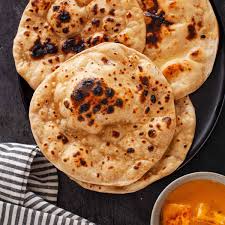
Below is the long, detailed, professional method.
⭐ Part 1 — Making the Dough
- Take whole wheat flour in a bowl.
- Add salt and optional ingredients like curd or ghee.
- Add warm water little by little.
- Knead for 8–10 minutes.
- Dough should be soft but firm.
- Cover and rest for 20–30 minutes.
Resting helps develop gluten and makes the roti soft.
⭐ Part 2 — Shaping the Roti
- Make medium-sized dough balls.
- Dust with dry flour.
- Roll into a thick oval or round roti.
Tandoori roti is slightly thicker than normal chapati.
⭐ Part 3 — Cooking in an Actual Tandoor (Restaurant Method)
- Preheat tandoor to 400–500°C.
- Wet one side of the roti with water.
- Stick the wet side onto the inner clay wall.
- Roti clings tightly due to moisture.
- As it cooks, the edges lift and char slightly.
- Remove using tongs.
- Brush with butter or leave plain.
This method gives the classic:
- smoky aroma
- burnt spots
- earthy flavour
⭐ Part 4 — Cooking Tandoori Roti at Home (Without Tandoor)
There are three very effective home methods.
👉 1. Gas Stove + Tawa Method (Most Popular)
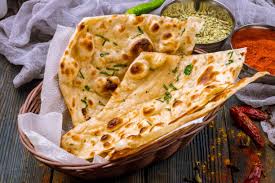
- Heat a tava.
- Roll the roti.
- Spread water on one side.
- Place water side down onto the tava.
- The roti will stick to the pan.
- Flip the tava upside down over flame.
- The roti gets exposed to direct heat, puffing and charring beautifully.
This method gives the closest taste to tandoor.
👉 2. Oven/OTG Method
- Preheat oven to highest temperature (250°C).
- Place rolled rotis on a baking tray.
- Bake for 5–7 minutes.
- Broil for 1 minute for charred spots.
👉 3. Air Fryer Method
- Preheat air fryer to 200°C.
- Place rolled roti inside.
- Cook for 3–4 minutes.
- Flip and cook for 2 minutes.
Not smoky, but soft and evenly cooked.
🫓 Taste, Texture & Aroma of Tandoori Roti
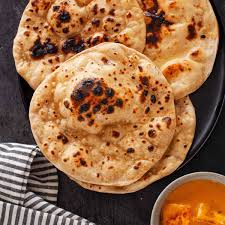
Tandoori Roti has a unique combination:
Taste
- Slightly earthy
- Light smoky flavour
- Mild nutty taste from whole wheat
Texture
- Crispy edges
- Soft middle
- Slightly chewy
- Light char marks
Aroma
- Clay oven fragrance
- Toasted wheat
- Butter or ghee (if applied)
This makes Tandoori Roti irresistible with rich gravies.
⭐ Popular Variations of Tandoori Roti
1. Butter Tandoori Roti
Brushed generously with melted butter.
2. Garlic Tandoori Roti
Topped with garlic butter and coriander.
3. Masala Tandoori Roti
Sprinkled with black sesame seeds or ajwain.
4. Missi Tandoori Roti
Made with besan + wheat flour.
5. Tawa Tandoori Roti
Made on gas stove, without tandoor.
6. Stuffed Tandoori Roti
Filled with paneer, potatoes or garlic.
🍛 What to Eat with Tandoori Roti? (Perfect Combinations)
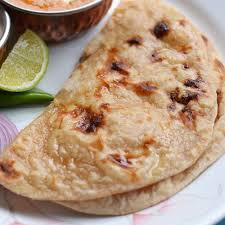
Tandoori Roti pairs beautifully with:
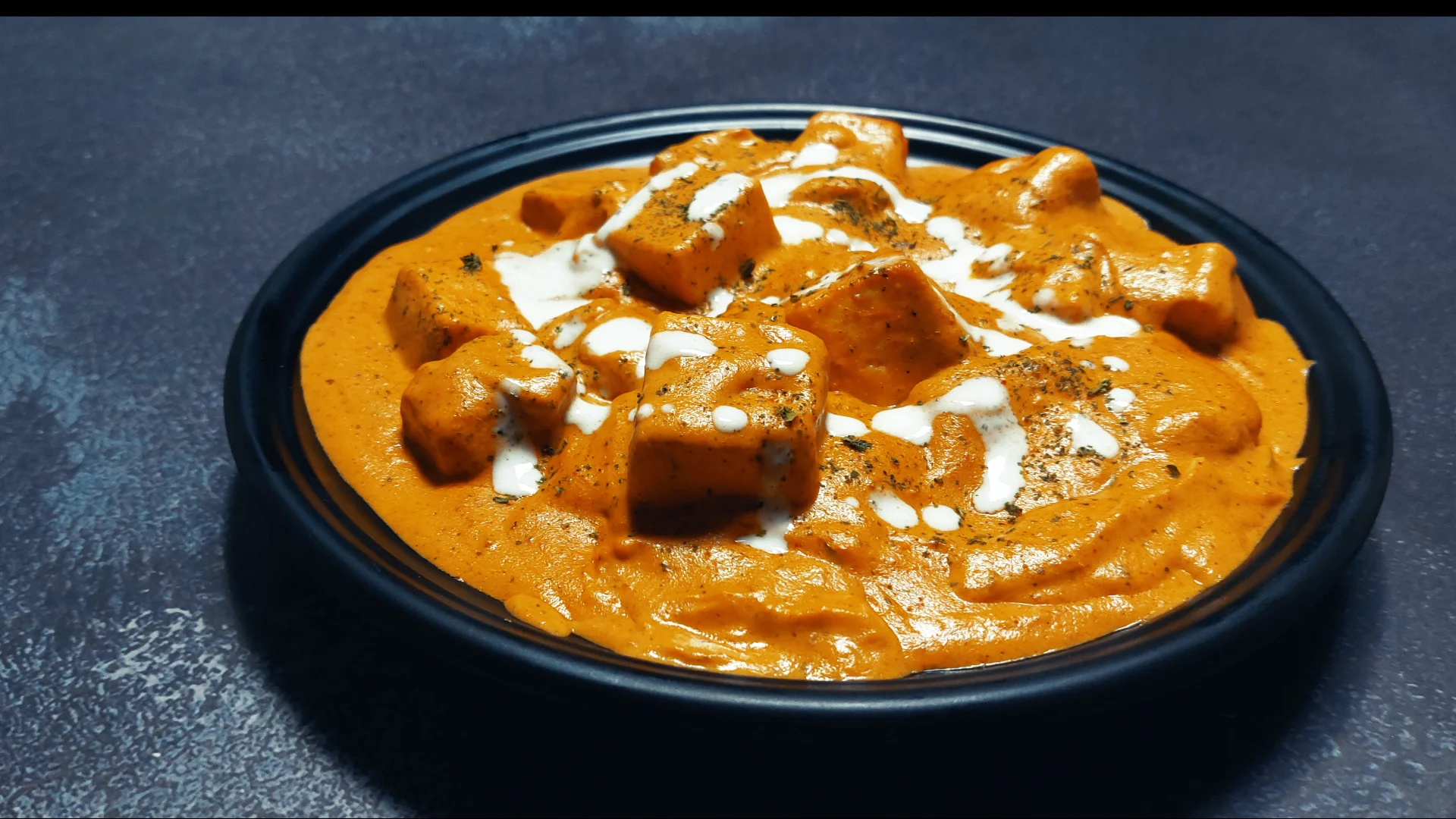
✔ Paneer Butter Masala
✔ Dal Makhani
✔ Kadai Paneer
✔ Butter Chicken
✔ Chicken Tikka Masala
✔ Rajma
✔ Chole
✔ Aloo Gobi
✔ Mix Veg
✔ Palak Paneer
A complete North Indian meal is incomplete without Tandoori Roti.
💪 Health Benefits of Tandoori Roti
Compared to naan or paratha, tandoori roti is healthier.
✔ Whole wheat = high fiber
✔ Good for digestion
✔ Low in calories
✔ No oil needed for cooking
✔ Rich in minerals (iron, magnesium)
✔ Keeps you full longer
✔ Great for weight management
If ghee is avoided, it becomes a perfect low-fat bread.
🎯 Expert Chef Tips for Perfect Tandoori Roti
- Dough should be soft, not tight.
- Rest dough for at least 20 minutes.
- Use warm water for softer rotis.
- If using tawa method, apply water evenly.
- Don’t roll too thin.
- Don’t use non-stick pan for flipping on flame.
- Use cast iron or steel tawa.
- Brush with butter for flavour.
- For restaurant taste, add 1 tbsp curd to dough.
- Cook on high heat — low heat makes rotis hard.
❓ Frequently Asked Questions (FAQ)
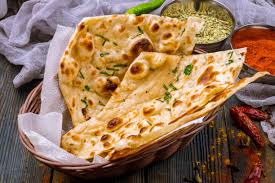
1. What is the difference between Tandoori Roti and Naan?
- Naan is made with maida + yeast/curd.
- Tandoori roti is made with wheat flour only.
- Naan is softer, tandoori roti is more rustic.
2. Why does my Tandoori Roti become hard?
Because the dough was tight or cooked on low flame.
3. Can I make Tandoori Roti without tandoor?
Yes, use the tawa upside-down method — closest results.
4. Which tawa is best for tandoori roti?
Cast iron tawa or steel tawa (NOT non-stick).
5. Should I add curd to tandoori roti dough?
Optional — curd makes rotis softer.
6. Is Tandoori Roti healthy?
Yes, it is healthier than naan and paratha.
7. Why does the roti not stick to the tawa?
Because the tawa is oily or too hot.
Use clean, dry cast iron tawa.
8. Can diabetics eat Tandoori Roti?
Yes, in moderation — as it’s whole wheat based.
9. Should I brush butter on Tandoori Roti?
For restaurant flavour, yes.
For healthy option, skip it.
10. How to get smoky flavour without tandoor?
Cook directly on flame after sticking to tawa.
11. Can I freeze Tandoori Roti dough?
Yes, up to 1 week.
12. Why does my roti not puff?
Dough wasn’t rested, or rolled too thick/thin.