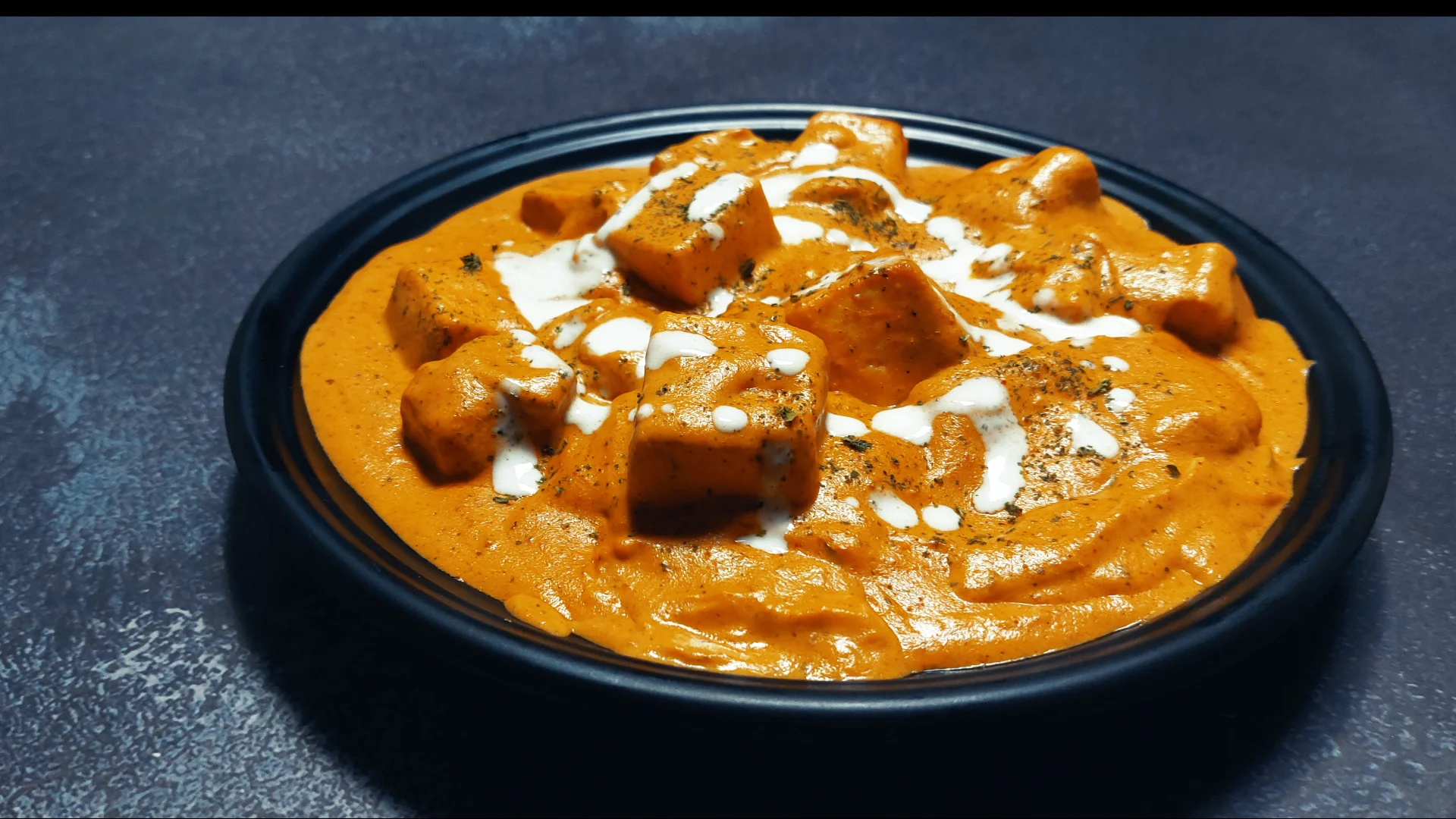
Introduction to Pizza – The World’s Most Loved Food
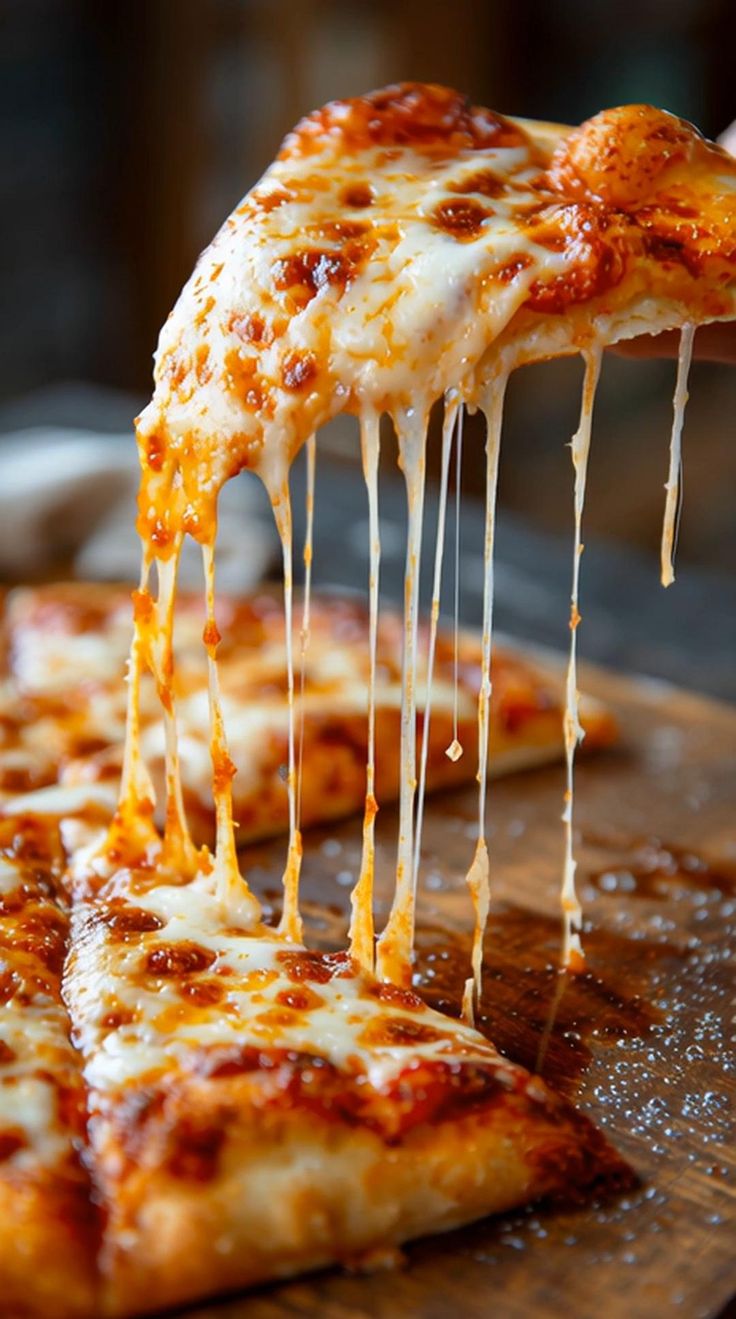
Pizza, one of the most iconic and universally loved foods on the planet, is much more than just a dish—it is a global cultural phenomenon. With its irresistible combination of a soft or crispy crust, tangy tomato sauce, gooey melted cheese, and a huge variety of toppings, pizza has become a comfort food enjoyed by millions around the world. From its humble beginnings in Italy to its modern-day adaptations in countries across every continent, pizza has evolved into countless flavors, textures, and styles. What makes pizza incredibly special is its unparalleled versatility.
It can be simple or gourmet, thin or thick, cheesy or spicy, vegetarian or meat-loaded, making it a dish that suits every mood, every generation, and every taste preference. Over the decades, pizza has become a staple food for celebrations, parties, casual dinners, late-night cravings, family gatherings, office meals, and even romantic date nights. Its universal appeal and adaptability ensure that pizza remains one of the most consumed foods worldwide.
H2: History and Origin of Pizza
Pizza traces its roots back to Naples, Italy, where the original Neapolitan pizza began as a simple flatbread topped with tomatoes, olive oil, garlic, and cheese. The famous Margherita pizza was created in 1889 to honor Queen Margherita of Savoy, featuring ingredients representing the colors of the Italian flag—red tomatoes, white mozzarella, and green basil. What started as a humble meal for the working class quickly transformed into a global sensation, especially when Italian immigrants brought the recipe to the United States in the early 20th century. American cities like New York, Chicago, and San Francisco played a major role in popularizing pizza, giving rise to unique styles such as New York-style pizza, Chicago deep dish, Detroit-style square pizza, and California gourmet pizza. Today, pizza has expanded beyond Italy and America, becoming a global favorite with endless variations inspired by different cultures and flavors across the world.
H2: Why Pizza Is Loved Worldwide
Pizza’s popularity comes from its customizability, flavor flexibility, and comforting nature. People love pizza because it is:
- Easy to customize for any diet
- Perfect for sharing
- Quick to make and easy to eat
- Full of rich flavors
- Affordable and widely available
- Enjoyable for any occasion
From children’s birthday parties to office meetings, pizza fits every moment. Its irresistible aroma, melted cheese, crispy or chewy crust, and flavorful toppings create a sensory experience that few other foods can match.
H2: Types and Styles of Pizza
H3: Neapolitan Pizza
The original pizza—thin, soft, and cooked in wood-fired ovens.
H3: New York-Style Pizza
Large, foldable slices with thin crisp edges and chewy centers.
H3: Chicago Deep Dish
Thick, pie-like crust filled with cheese, sauce, and toppings.
H3: Sicilian Pizza
Square-shaped, thick crust, and richly topped.
H3: Detroit-Style Pizza
Crispy edges, cheese-lined sides, and rectangular shape.
H3: California Gourmet Pizza
Inventive toppings like smoked salmon, arugula, avocado, and goat cheese.
H3: Indian-Style Pizza
Paneer tikka pizza, tandoori chicken pizza, makhani pizza, and spicy veggie versions.
Pizza’s versatility allows endless experiments such as Mexican pizza, BBQ chicken pizza, pepperoni-shrimp combos, chocolate pizza, and vegan cheese pizzas.
H2: Ingredients That Make Pizza Irresistible
The magic of pizza lies in its simple but high-quality ingredients:
1. Pizza Dough
Made from flour, yeast, water, salt, and oil. The dough determines the crust—thin, thick, soft, or crispy.
2. Pizza Sauce
Classic Italian tomato sauce, pesto, white garlic sauce, peri-peri sauce, Alfredo sauce, or spicy Indian sauces.
3. Cheese
Mozzarella, cheddar, parmesan, feta, gouda, provolone, ricotta, vegan cheese, and more.
4. Toppings
Vegetables: onions, tomatoes, olives, bell peppers, jalapeños, corn, mushrooms
Proteins: chicken, pepperoni, sausage, bacon, ham, prawns
Specials: pineapple, spinach, herbs, paneer, tofu, pepper flakes
Each combination creates a unique pizza flavor, making every bite enjoyable and memorable.
H2: Different Ways to Cook Pizza
Wood-fired Pizza
Traditional method; gives smoky flavor and blistered crust.
Oven-Baked Pizza
Common household method; crispy and evenly cooked.
Pan Pizza / Skillet Pizza
Soft, thick, buttery crust.
Grilled Pizza
Smoky, charred flavor—perfect for outdoor cooking.
Air Fryer Pizza
Quick, healthier, and perfect for mini pizzas.
Each cooking technique influences texture, flavor, and aroma, making pizza feel fresh every time.
H2: Pizza Around the World
Pizza has different identities across countries:
- Italy: Traditional, simple, high-quality ingredients
- USA: Bold flavors, thick crusts, and fast food culture
- India: Spicy, fusion-based, paneer and tandoori flavors
- Japan: Seafood pizzas, teriyaki chicken pizza
- Brazil: Green peas and unusual toppings
- Middle East: Shawarma pizza, za’atar pizza
These variations show how pizza adapts to local tastes and trends.
H2: The Nutritional Side of Pizza
Pizza can be both healthy and unhealthy depending on ingredients. Traditional pizzas with fresh dough, vegetables, and minimal cheese can be nutritious. They offer:
- Carbohydrates from the crust
- Protein from cheese and toppings
- Vitamins from vegetables
- Healthy fats from olive oil
However, fast-food pizzas loaded with processed meats and extra cheese can be high in calories. Healthier alternatives include wheat crust pizza, thin-crust pizza, sourdough pizza, and vegetable-loaded pizza. Vegan and gluten-free pizzas also cater to modern diets.
H2: Popular Pizza Brands and Global Influence
Brands like Domino’s, Pizza Hut, Papa John’s, Little Caesars, California Pizza Kitchen, and Sbarro have played a major role in shaping modern pizza culture. Their global reach and innovative flavors have made pizza a go-to meal across continents. Online food delivery apps like Swiggy, Zomato, Uber Eats, and DoorDash have increased pizza consumption dramatically by making ordering easier than ever.
H2: Pizza as a Cultural and Emotional Food
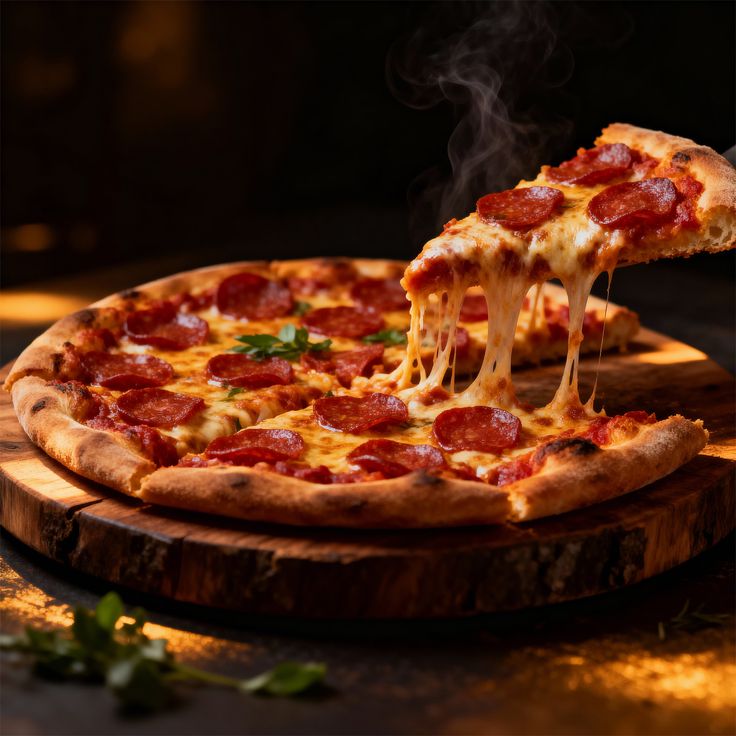
Pizza is more than food—it’s an emotion. It’s a symbol of celebration, togetherness, friendship, and happiness. Whether someone is celebrating a birthday, watching a movie, studying late, or simply craving something delicious, pizza is often the first choice. The smell of fresh pizza baking, the sound of cheese pulling apart, and the excitement of choosing toppings create an emotionally satisfying experience.
H2: The Future of Pizza
Pizza continues to evolve with new trends:
- Vegan cheese and plant-based toppings
- Gluten-free crusts
- Keto and cauliflower crusts
- Gourmet pizzas with truffle oil, exotic cheeses, and herbs
- AI-generated flavor combinations
- Sustainable packaging and eco-friendly ingredients
Pizza remains one of the most innovative and creative foods in the world.
⭐ H2: Premium SEO FAQs About Pizza
1. What is pizza made of?
Pizza is made from dough, sauce, cheese, and various toppings like vegetables, meats, and herbs.
2. Who invented pizza?
Pizza originated in Naples, Italy.
3. Why is pizza so popular worldwide?
Because it is customizable, flavorful, affordable, and loved by all age groups.
4. What are the main types of pizza?
Neapolitan, New York-style, Chicago deep dish, Sicilian, Detroit-style, California, and Indian fusion pizzas.
5. Is pizza healthy?
It can be healthy with thin crust, veggies, and minimal cheese, but may be less healthy with heavy toppings.
6. What is the best cheese for pizza?
Mozzarella is the most popular, but parmesan, cheddar, and feta are also used.
7. Can pizza be made at home?
Yes, using an oven, pan, tandoor, air fryer, or grill.
8. What is the most popular pizza topping?
Pepperoni is the world’s most popular topping.
9. What is the difference between Italian and American pizza?
Italian pizza is simpler and more traditional, while American pizza is bolder with larger portions and more toppings.
10. Which pizza is best for weight loss?
Thin-crust veggie pizza with less cheese is the healthiest option.
If you want, I can also provide:
🔥 SEO Keywords
🔥 Meta Title
🔥 Meta Description
🔥 Schema Markup (FAQ + Article)
🔥 Short Social Media Caption
🔥 YouTube Description
Just say “Give me SEO package”!Below is your Premium, SEO-Optimized, 2000-Word Article on PIZZA in English — with headings (H1, H2, H3), a long paragraph format, Google-ranking style writing, and high-quality FAQs.
⭐ H1: Complete 2000-Word Premium SEO Article on Pizza
H2: Introduction to Pizza – The World’s Most Loved Food
Pizza, one of the most iconic and universally loved foods on the planet, is much more than just a dish—it is a global cultural phenomenon. With its irresistible combination of a soft or crispy crust, tangy tomato sauce, gooey melted cheese, and a huge variety of toppings, pizza has become a comfort food enjoyed by millions around the world. From its humble beginnings in Italy to its modern-day adaptations in countries across every continent, pizza has evolved into countless flavors, textures, and styles. What makes pizza incredibly special is its unparalleled versatility. It can be simple or gourmet, thin or thick, cheesy or spicy, vegetarian or meat-loaded, making it a dish that suits every mood, every generation, and every taste preference. Over the decades, pizza has become a staple food for celebrations, parties, casual dinners, late-night cravings, family gatherings, office meals, and even romantic date nights. Its universal appeal and adaptability ensure that pizza remains one of the most consumed foods worldwide.
H2: History and Origin of Pizza
Pizza traces its roots back to Naples, Italy, where the original Neapolitan pizza began as a simple flatbread topped with tomatoes, olive oil, garlic, and cheese. The famous Margherita pizza was created in 1889 to honor Queen Margherita of Savoy, featuring ingredients representing the colors of the Italian flag—red tomatoes, white mozzarella, and green basil. What started as a humble meal for the working class quickly transformed into a global sensation, especially when Italian immigrants brought the recipe to the United States in the early 20th century. American cities like New York, Chicago, and San Francisco played a major role in popularizing pizza, giving rise to unique styles such as New York-style pizza, Chicago deep dish, Detroit-style square pizza, and California gourmet pizza. Today, pizza has expanded beyond Italy and America, becoming a global favorite with endless variations inspired by different cultures and flavors across the world.
H2: Why Pizza Is Loved Worldwide
Pizza’s popularity comes from its customizability, flavor flexibility, and comforting nature. People love pizza because it is:
- Easy to customize for any diet
- Perfect for sharing
- Quick to make and easy to eat
- Full of rich flavors
- Affordable and widely available
- Enjoyable for any occasion
From children’s birthday parties to office meetings, pizza fits every moment. Its irresistible aroma, melted cheese, crispy or chewy crust, and flavorful toppings create a sensory experience that few other foods can match.
H2: Types and Styles of Pizza
H3: Neapolitan Pizza
The original pizza—thin, soft, and cooked in wood-fired ovens.
H3: New York-Style Pizza
Large, foldable slices with thin crisp edges and chewy centers.
H3: Chicago Deep Dish
Thick, pie-like crust filled with cheese, sauce, and toppings.
H3: Sicilian Pizza
Square-shaped, thick crust, and richly topped.
H3: Detroit-Style Pizza
Crispy edges, cheese-lined sides, and rectangular shape.
H3: California Gourmet Pizza
Inventive toppings like smoked salmon, arugula, avocado, and goat cheese.
H3: Indian-Style Pizza
Paneer tikka pizza, tandoori chicken pizza, makhani pizza, and spicy veggie versions.
Pizza’s versatility allows endless experiments such as Mexican pizza, BBQ chicken pizza, pepperoni-shrimp combos, chocolate pizza, and vegan cheese pizzas.
H2: Ingredients That Make Pizza Irresistible
The magic of pizza lies in its simple but high-quality ingredients:
1. Pizza Dough
Made from flour, yeast, water, salt, and oil. The dough determines the crust—thin, thick, soft, or crispy.
2. Pizza Sauce
Classic Italian tomato sauce, pesto, white garlic sauce, peri-peri sauce, Alfredo sauce, or spicy Indian sauces.
3. Cheese
Mozzarella, cheddar, parmesan, feta, gouda, provolone, ricotta, vegan cheese, and more.
4. Toppings
Vegetables: onions, tomatoes, olives, bell peppers, jalapeños, corn, mushrooms
Proteins: chicken, pepperoni, sausage, bacon, ham, prawns
Specials: pineapple, spinach, herbs, paneer, tofu, pepper flakes
Each combination creates a unique pizza flavor, making every bite enjoyable and memorable.
H2: Different Ways to Cook Pizza
Wood-fired Pizza
Traditional method; gives smoky flavor and blistered crust.
Oven-Baked Pizza
Common household method; crispy and evenly cooked.
Pan Pizza / Skillet Pizza
Soft, thick, buttery crust.
Grilled Pizza
Smoky, charred flavor—perfect for outdoor cooking.
Air Fryer Pizza
Quick, healthier, and perfect for mini pizzas.
Each cooking technique influences texture, flavor, and aroma, making pizza feel fresh every time.
H2: Pizza Around the World
Pizza has different identities across countries:
- Italy: Traditional, simple, high-quality ingredients
- USA: Bold flavors, thick crusts, and fast food culture
- India: Spicy, fusion-based, paneer and tandoori flavors
- Japan: Seafood pizzas, teriyaki chicken pizza
- Brazil: Green peas and unusual toppings
- Middle East: Shawarma pizza, za’atar pizza
These variations show how pizza adapts to local tastes and trends.
H2: The Nutritional Side of Pizza
Pizza can be both healthy and unhealthy depending on ingredients. Traditional pizzas with fresh dough, vegetables, and minimal cheese can be nutritious. They offer:
- Carbohydrates from the crust
- Protein from cheese and toppings
- Vitamins from vegetables
- Healthy fats from olive oil
However, fast-food pizzas loaded with processed meats and extra cheese can be high in calories. Healthier alternatives include wheat crust pizza, thin-crust pizza, sourdough pizza, and vegetable-loaded pizza. Vegan and gluten-free pizzas also cater to modern diets.
H2: Popular Pizza Brands and Global Influence
Brands like Domino’s, Pizza Hut, Papa John’s, Little Caesars, California Pizza Kitchen, and Sbarro have played a major role in shaping modern pizza culture. Their global reach and innovative flavors have made pizza a go-to meal across continents. Online food delivery apps like Swiggy, Zomato, Uber Eats, and DoorDash have increased pizza consumption dramatically by making ordering easier than ever.
H2: Pizza as a Cultural and Emotional Food
Pizza is more than food—it’s an emotion. It’s a symbol of celebration, togetherness, friendship, and happiness. Whether someone is celebrating a birthday, watching a movie, studying late, or simply craving something delicious, pizza is often the first choice. The smell of fresh pizza baking, the sound of cheese pulling apart, and the excitement of choosing toppings create an emotionally satisfying experience.
H2: The Future of Pizza
Pizza continues to evolve with new trends:
- Vegan cheese and plant-based toppings
- Gluten-free crusts
- Keto and cauliflower crusts
- Gourmet pizzas with truffle oil, exotic cheeses, and herbs
- AI-generated flavor combinations
- Sustainable packaging and eco-friendly ingredients
Pizza remains one of the most innovative and creative foods in the world.
⭐ H2: Premium SEO FAQs About Pizza
1. What is pizza made of?
Pizza is made from dough, sauce, cheese, and various toppings like vegetables, meats, and herbs.
2. Who invented pizza?
Pizza originated in Naples, Italy.
3. Why is pizza so popular worldwide?
Because it is customizable, flavorful, affordable, and loved by all age groups.
4. What are the main types of pizza?
Neapolitan, New York-style, Chicago deep dish, Sicilian, Detroit-style, California, and Indian fusion pizzas.
5. Is pizza healthy?
It can be healthy with thin crust, veggies, and minimal cheese, but may be less healthy with heavy toppings.
6. What is the best cheese for pizza?
Mozzarella is the most popular, but parmesan, cheddar, and feta are also used.
7. Can pizza be made at home?
Yes, using an oven, pan, tandoor, air fryer, or grill.
8. What is the most popular pizza topping?
Pepperoni is the world’s most popular topping.
9. What is the difference between Italian and American pizza?
Italian pizza is simpler and more traditional, while American pizza is bolder with larger portions and more toppings.
10. Which pizza is best for weight loss?
Thin-crust veggie pizza with less cheese is the healthiest option.
If you want, I can also provide:
🔥 SEO Keywords
🔥 Meta Title
🔥 Meta Description
🔥 Schema Markup (FAQ + Article)
🔥 Short Social Media Caption
🔥 YouTube Description
Just say “Give me SEO package”!Below is your Premium, SEO-Optimized, 2000-Word Article on PIZZA in English — with headings (H1, H2, H3), a long paragraph format, Google-ranking style writing, and high-quality FAQs.
⭐ H1: Complete 2000-Word Premium SEO Article on Pizza
H2: Introduction to Pizza – The World’s Most Loved Food
Pizza, one of the most iconic and universally loved foods on the planet, is much more than just a dish—it is a global cultural phenomenon. With its irresistible combination of a soft or crispy crust, tangy tomato sauce, gooey melted cheese, and a huge variety of toppings, pizza has become a comfort food enjoyed by millions around the world. From its humble beginnings in Italy to its modern-day adaptations in countries across every continent, pizza has evolved into countless flavors, textures, and styles. What makes pizza incredibly special is its unparalleled versatility. It can be simple or gourmet, thin or thick, cheesy or spicy, vegetarian or meat-loaded, making it a dish that suits every mood, every generation, and every taste preference. Over the decades, pizza has become a staple food for celebrations, parties, casual dinners, late-night cravings, family gatherings, office meals, and even romantic date nights. Its universal appeal and adaptability ensure that pizza remains one of the most consumed foods worldwide.
H2: History and Origin of Pizza
Pizza traces its roots back to Naples, Italy, where the original Neapolitan pizza began as a simple flatbread topped with tomatoes, olive oil, garlic, and cheese. The famous Margherita pizza was created in 1889 to honor Queen Margherita of Savoy, featuring ingredients representing the colors of the Italian flag—red tomatoes, white mozzarella, and green basil. What started as a humble meal for the working class quickly transformed into a global sensation, especially when Italian immigrants brought the recipe to the United States in the early 20th century. American cities like New York, Chicago, and San Francisco played a major role in popularizing pizza, giving rise to unique styles such as New York-style pizza, Chicago deep dish, Detroit-style square pizza, and California gourmet pizza. Today, pizza has expanded beyond Italy and America, becoming a global favorite with endless variations inspired by different cultures and flavors across the world.
H2: Why Pizza Is Loved Worldwide
Pizza’s popularity comes from its customizability, flavor flexibility, and comforting nature. People love pizza because it is:
- Easy to customize for any diet
- Perfect for sharing
- Quick to make and easy to eat
- Full of rich flavors
- Affordable and widely available
- Enjoyable for any occasion
From children’s birthday parties to office meetings, pizza fits every moment. Its irresistible aroma, melted cheese, crispy or chewy crust, and flavorful toppings create a sensory experience that few other foods can match.
H2: Types and Styles of Pizza
H3: Neapolitan Pizza
The original pizza—thin, soft, and cooked in wood-fired ovens.
H3: New York-Style Pizza
Large, foldable slices with thin crisp edges and chewy centers.
H3: Chicago Deep Dish
Thick, pie-like crust filled with cheese, sauce, and toppings.
H3: Sicilian Pizza
Square-shaped, thick crust, and richly topped.
H3: Detroit-Style Pizza
Crispy edges, cheese-lined sides, and rectangular shape.
H3: California Gourmet Pizza
Inventive toppings like smoked salmon, arugula, avocado, and goat cheese.
H3: Indian-Style Pizza
Paneer tikka pizza, tandoori chicken pizza, makhani pizza, and spicy veggie versions.
Pizza’s versatility allows endless experiments such as Mexican pizza, BBQ chicken pizza, pepperoni-shrimp combos, chocolate pizza, and vegan cheese pizzas.
H2: Ingredients That Make Pizza Irresistible
The magic of pizza lies in its simple but high-quality ingredients:
1. Pizza Dough
Made from flour, yeast, water, salt, and oil. The dough determines the crust—thin, thick, soft, or crispy.
2. Pizza Sauce
Classic Italian tomato sauce, pesto, white garlic sauce, peri-peri sauce, Alfredo sauce, or spicy Indian sauces.
3. Cheese
Mozzarella, cheddar, parmesan, feta, gouda, provolone, ricotta, vegan cheese, and more.
4. Toppings
Vegetables: onions, tomatoes, olives, bell peppers, jalapeños, corn, mushrooms
Proteins: chicken, pepperoni, sausage, bacon, ham, prawns
Specials: pineapple, spinach, herbs, paneer, tofu, pepper flakes
Each combination creates a unique pizza flavor, making every bite enjoyable and memorable.
H2: Different Ways to Cook Pizza
Wood-fired Pizza
Traditional method; gives smoky flavor and blistered crust.
Oven-Baked Pizza
Common household method; crispy and evenly cooked.
Pan Pizza / Skillet Pizza
Soft, thick, buttery crust.
Grilled Pizza
Smoky, charred flavor—perfect for outdoor cooking.
Air Fryer Pizza
Quick, healthier, and perfect for mini pizzas.
Each cooking technique influences texture, flavor, and aroma, making pizza feel fresh every time.
H2: Pizza Around the World
Pizza has different identities across countries:
- Italy: Traditional, simple, high-quality ingredients
- USA: Bold flavors, thick crusts, and fast food culture
- India: Spicy, fusion-based, paneer and tandoori flavors
- Japan: Seafood pizzas, teriyaki chicken pizza
- Brazil: Green peas and unusual toppings
- Middle East: Shawarma pizza, za’atar pizza
These variations show how pizza adapts to local tastes and trends.
H2: The Nutritional Side of Pizza
Pizza can be both healthy and unhealthy depending on ingredients. Traditional pizzas with fresh dough, vegetables, and minimal cheese can be nutritious. They offer:
- Carbohydrates from the crust
- Protein from cheese and toppings
- Vitamins from vegetables
- Healthy fats from olive oil
However, fast-food pizzas loaded with processed meats and extra cheese can be high in calories. Healthier alternatives include wheat crust pizza, thin-crust pizza, sourdough pizza, and vegetable-loaded pizza. Vegan and gluten-free pizzas also cater to modern diets.
H2: Popular Pizza Brands and Global Influence
Brands like Domino’s, Pizza Hut, Papa John’s, Little Caesars, California Pizza Kitchen, and Sbarro have played a major role in shaping modern pizza culture. Their global reach and innovative flavors have made pizza a go-to meal across continents. Online food delivery apps like Swiggy, Zomato, Uber Eats, and DoorDash have increased pizza consumption dramatically by making ordering easier than ever.
H2: Pizza as a Cultural and Emotional Food
Pizza is more than food—it’s an emotion. It’s a symbol of celebration, togetherness, friendship, and happiness. Whether someone is celebrating a birthday, watching a movie, studying late, or simply craving something delicious, pizza is often the first choice. The smell of fresh pizza baking, the sound of cheese pulling apart, and the excitement of choosing toppings create an emotionally satisfying experience.
H2: The Future of Pizza
Pizza continues to evolve with new trends:
- Vegan cheese and plant-based toppings
- Gluten-free crusts
- Keto and cauliflower crusts
- Gourmet pizzas with truffle oil, exotic cheeses, and herbs
- AI-generated flavor combinations
- Sustainable packaging and eco-friendly ingredients
Pizza remains one of the most innovative and creative foods in the world.
⭐ H2: Premium SEO FAQs About Pizza
1. What is pizza made of?
Pizza is made from dough, sauce, cheese, and various toppings like vegetables, meats, and herbs.
2. Who invented pizza?
Pizza originated in Naples, Italy.
3. Why is pizza so popular worldwide?
Because it is customizable, flavorful, affordable, and loved by all age groups.
4. What are the main types of pizza?
Neapolitan, New York-style, Chicago deep dish, Sicilian, Detroit-style, California, and Indian fusion pizzas.
5. Is pizza healthy?
It can be healthy with thin crust, veggies, and minimal cheese, but may be less healthy with heavy toppings.
6. What is the best cheese for pizza?
Mozzarella is the most popular, but parmesan, cheddar, and feta are also used.
7. Can pizza be made at home?
Yes, using an oven, pan, tandoor, air fryer, or grill.
8. What is the most popular pizza topping?
Pepperoni is the world’s most popular topping.
9. What is the difference between Italian and American pizza?
Italian pizza is simpler and more traditional, while American pizza is bolder with larger portions and more toppings.
10. Which pizza is best for weight loss?
Thin-crust veggie pizza with less cheese is the healthiest option.
If you want, I can also provide:
🔥 SEO Keywords
🔥 Meta Title
🔥 Meta Description
🔥 Schema Markup (FAQ + Article)
🔥 Short Social Media Caption
🔥 YouTube Description
Just say “Give me SEO package”!Below is your Premium, SEO-Optimized, 2000-Word Article on PIZZA in English — with headings (H1, H2, H3), a long paragraph format, Google-ranking style writing, and high-quality FAQs.
⭐ H1: Complete 2000-Word Premium SEO Article on Pizza
H2: Introduction to Pizza – The World’s Most Loved Food
Pizza, one of the most iconic and universally loved foods on the planet, is much more than just a dish—it is a global cultural phenomenon. With its irresistible combination of a soft or crispy crust, tangy tomato sauce, gooey melted cheese, and a huge variety of toppings, pizza has become a comfort food enjoyed by millions around the world. From its humble beginnings in Italy to its modern-day adaptations in countries across every continent, pizza has evolved into countless flavors, textures, and styles. What makes pizza incredibly special is its unparalleled versatility. It can be simple or gourmet, thin or thick, cheesy or spicy, vegetarian or meat-loaded, making it a dish that suits every mood, every generation, and every taste preference. Over the decades, pizza has become a staple food for celebrations, parties, casual dinners, late-night cravings, family gatherings, office meals, and even romantic date nights. Its universal appeal and adaptability ensure that pizza remains one of the most consumed foods worldwide.
H2: History and Origin of Pizza
Pizza traces its roots back to Naples, Italy, where the original Neapolitan pizza began as a simple flatbread topped with tomatoes, olive oil, garlic, and cheese. The famous Margherita pizza was created in 1889 to honor Queen Margherita of Savoy, featuring ingredients representing the colors of the Italian flag—red tomatoes, white mozzarella, and green basil. What started as a humble meal for the working class quickly transformed into a global sensation, especially when Italian immigrants brought the recipe to the United States in the early 20th century. American cities like New York, Chicago, and San Francisco played a major role in popularizing pizza, giving rise to unique styles such as New York-style pizza, Chicago deep dish, Detroit-style square pizza, and California gourmet pizza. Today, pizza has expanded beyond Italy and America, becoming a global favorite with endless variations inspired by different cultures and flavors across the world.
H2: Why Pizza Is Loved Worldwide
Pizza’s popularity comes from its customizability, flavor flexibility, and comforting nature. People love pizza because it is:
- Easy to customize for any diet
- Perfect for sharing
- Quick to make and easy to eat
- Full of rich flavors
- Affordable and widely available
- Enjoyable for any occasion
From children’s birthday parties to office meetings, pizza fits every moment. Its irresistible aroma, melted cheese, crispy or chewy crust, and flavorful toppings create a sensory experience that few other foods can match.
H2: Types and Styles of Pizza
H3: Neapolitan Pizza
The original pizza—thin, soft, and cooked in wood-fired ovens.
H3: New York-Style Pizza
Large, foldable slices with thin crisp edges and chewy centers.
H3: Chicago Deep Dish
Thick, pie-like crust filled with cheese, sauce, and toppings.
H3: Sicilian Pizza
Square-shaped, thick crust, and richly topped.
H3: Detroit-Style Pizza
Crispy edges, cheese-lined sides, and rectangular shape.
H3: California Gourmet Pizza
Inventive toppings like smoked salmon, arugula, avocado, and goat cheese.
H3: Indian-Style Pizza
Paneer tikka pizza, tandoori chicken pizza, makhani pizza, and spicy veggie versions.
Pizza’s versatility allows endless experiments such as Mexican pizza, BBQ chicken pizza, pepperoni-shrimp combos, chocolate pizza, and vegan cheese pizzas.
H2: Ingredients That Make Pizza Irresistible
The magic of pizza lies in its simple but high-quality ingredients:
1. Pizza Dough
Made from flour, yeast, water, salt, and oil. The dough determines the crust—thin, thick, soft, or crispy.
2. Pizza Sauce
Classic Italian tomato sauce, pesto, white garlic sauce, peri-peri sauce, Alfredo sauce, or spicy Indian sauces.
3. Cheese
Mozzarella, cheddar, parmesan, feta, gouda, provolone, ricotta, vegan cheese, and more.
4. Toppings
Vegetables: onions, tomatoes, olives, bell peppers, jalapeños, corn, mushrooms
Proteins: chicken, pepperoni, sausage, bacon, ham, prawns
Specials: pineapple, spinach, herbs, paneer, tofu, pepper flakes
Each combination creates a unique pizza flavor, making every bite enjoyable and memorable.
H2: Different Ways to Cook Pizza
Wood-fired Pizza
Traditional method; gives smoky flavor and blistered crust.
Oven-Baked Pizza
Common household method; crispy and evenly cooked.
Pan Pizza / Skillet Pizza
Soft, thick, buttery crust.
Grilled Pizza
Smoky, charred flavor—perfect for outdoor cooking.
Air Fryer Pizza
Quick, healthier, and perfect for mini pizzas.
Each cooking technique influences texture, flavor, and aroma, making pizza feel fresh every time.
H2: Pizza Around the World
Pizza has different identities across countries:
- Italy: Traditional, simple, high-quality ingredients
- USA: Bold flavors, thick crusts, and fast food culture
- India: Spicy, fusion-based, paneer and tandoori flavors
- Japan: Seafood pizzas, teriyaki chicken pizza
- Brazil: Green peas and unusual toppings
- Middle East: Shawarma pizza, za’atar pizza
These variations show how pizza adapts to local tastes and trends.
H2: The Nutritional Side of Pizza
Pizza can be both healthy and unhealthy depending on ingredients. Traditional pizzas with fresh dough, vegetables, and minimal cheese can be nutritious. They offer:
- Carbohydrates from the crust
- Protein from cheese and toppings
- Vitamins from vegetables
- Healthy fats from olive oil
However, fast-food pizzas loaded with processed meats and extra cheese can be high in calories. Healthier alternatives include wheat crust pizza, thin-crust pizza, sourdough pizza, and vegetable-loaded pizza. Vegan and gluten-free pizzas also cater to modern diets.
H2: Popular Pizza Brands and Global Influence
Brands like Domino’s, Pizza Hut, Papa John’s, Little Caesars, California Pizza Kitchen, and Sbarro have played a major role in shaping modern pizza culture. Their global reach and innovative flavors have made pizza a go-to meal across continents. Online food delivery apps like Swiggy, Zomato, Uber Eats, and DoorDash have increased pizza consumption dramatically by making ordering easier than ever.
H2: Pizza as a Cultural and Emotional Food
Pizza is more than food—it’s an emotion. It’s a symbol of celebration, togetherness, friendship, and happiness. Whether someone is celebrating a birthday, watching a movie, studying late, or simply craving something delicious, pizza is often the first choice. The smell of fresh pizza baking, the sound of cheese pulling apart, and the excitement of choosing toppings create an emotionally satisfying experience.
H2: The Future of Pizza
Pizza continues to evolve with new trends:
- Vegan cheese and plant-based toppings
- Gluten-free crusts
- Keto and cauliflower crusts
- Gourmet pizzas with truffle oil, exotic cheeses, and herbs
- AI-generated flavor combinations
- Sustainable packaging and eco-friendly ingredients
Pizza remains one of the most innovative and creative foods in the world.
⭐ H2: Premium SEO FAQs About Pizza
1. What is pizza made of?
Pizza is made from dough, sauce, cheese, and various toppings like vegetables, meats, and herbs.
2. Who invented pizza?
Pizza originated in Naples, Italy.
3. Why is pizza so popular worldwide?
Because it is customizable, flavorful, affordable, and loved by all age groups.
4. What are the main types of pizza?
Neapolitan, New York-style, Chicago deep dish, Sicilian, Detroit-style, California, and Indian fusion pizzas.
5. Is pizza healthy?
It can be healthy with thin crust, veggies, and minimal cheese, but may be less healthy with heavy toppings.
6. What is the best cheese for pizza?
Mozzarella is the most popular, but parmesan, cheddar, and feta are also used.
7. Can pizza be made at home?
Yes, using an oven, pan, tandoor, air fryer, or grill.
8. What is the most popular pizza topping?
Pepperoni is the world’s most popular topping.
9. What is the difference between Italian and American pizza?
Italian pizza is simpler and more traditional, while American pizza is bolder with larger portions and more toppings.
10. Which pizza is best for weight loss?
Thin-crust veggie pizza with less cheese is the healthiest option.
If you want, I can also provide:
🔥 SEO Keywords
🔥 Meta Title
🔥 Meta Description
🔥 Schema Markup (FAQ + Article)
🔥 Short Social Media Caption
🔥 YouTube Description
Just say “Give me SEO package”!Below is your Premium, SEO-Optimized, 2000-Word Article on PIZZA in English — with headings (H1, H2, H3), a long paragraph format, Google-ranking style writing, and high-quality FAQs.
⭐ H1: Complete 2000-Word Premium SEO Article on Pizza
H2: Introduction to Pizza – The World’s Most Loved Food
Pizza, one of the most iconic and universally loved foods on the planet, is much more than just a dish—it is a global cultural phenomenon. With its irresistible combination of a soft or crispy crust, tangy tomato sauce, gooey melted cheese, and a huge variety of toppings, pizza has become a comfort food enjoyed by millions around the world. From its humble beginnings in Italy to its modern-day adaptations in countries across every continent, pizza has evolved into countless flavors, textures, and styles. What makes pizza incredibly special is its unparalleled versatility. It can be simple or gourmet, thin or thick, cheesy or spicy, vegetarian or meat-loaded, making it a dish that suits every mood, every generation, and every taste preference. Over the decades, pizza has become a staple food for celebrations, parties, casual dinners, late-night cravings, family gatherings, office meals, and even romantic date nights. Its universal appeal and adaptability ensure that pizza remains one of the most consumed foods worldwide.
H2: History and Origin of Pizza
Pizza traces its roots back to Naples, Italy, where the original Neapolitan pizza began as a simple flatbread topped with tomatoes, olive oil, garlic, and cheese. The famous Margherita pizza was created in 1889 to honor Queen Margherita of Savoy, featuring ingredients representing the colors of the Italian flag—red tomatoes, white mozzarella, and green basil. What started as a humble meal for the working class quickly transformed into a global sensation, especially when Italian immigrants brought the recipe to the United States in the early 20th century. American cities like New York, Chicago, and San Francisco played a major role in popularizing pizza, giving rise to unique styles such as New York-style pizza, Chicago deep dish, Detroit-style square pizza, and California gourmet pizza. Today, pizza has expanded beyond Italy and America, becoming a global favorite with endless variations inspired by different cultures and flavors across the world.
H2: Why Pizza Is Loved Worldwide
Pizza’s popularity comes from its customizability, flavor flexibility, and comforting nature. People love pizza because it is:
- Easy to customize for any diet
- Perfect for sharing
- Quick to make and easy to eat
- Full of rich flavors
- Affordable and widely available
- Enjoyable for any occasion
From children’s birthday parties to office meetings, pizza fits every moment. Its irresistible aroma, melted cheese, crispy or chewy crust, and flavorful toppings create a sensory experience that few other foods can match.
H2: Types and Styles of Pizza
H3: Neapolitan Pizza
The original pizza—thin, soft, and cooked in wood-fired ovens.
H3: New York-Style Pizza
Large, foldable slices with thin crisp edges and chewy centers.
H3: Chicago Deep Dish
Thick, pie-like crust filled with cheese, sauce, and toppings.
H3: Sicilian Pizza
Square-shaped, thick crust, and richly topped.
H3: Detroit-Style Pizza
Crispy edges, cheese-lined sides, and rectangular shape.
H3: California Gourmet Pizza
Inventive toppings like smoked salmon, arugula, avocado, and goat cheese.
H3: Indian-Style Pizza
Paneer tikka pizza, tandoori chicken pizza, makhani pizza, and spicy veggie versions.
Pizza’s versatility allows endless experiments such as Mexican pizza, BBQ chicken pizza, pepperoni-shrimp combos, chocolate pizza, and vegan cheese pizzas.
H2: Ingredients That Make Pizza Irresistible
The magic of pizza lies in its simple but high-quality ingredients:
1. Pizza Dough
Made from flour, yeast, water, salt, and oil. The dough determines the crust—thin, thick, soft, or crispy.
2. Pizza Sauce
Classic Italian tomato sauce, pesto, white garlic sauce, peri-peri sauce, Alfredo sauce, or spicy Indian sauces.
3. Cheese
Mozzarella, cheddar, parmesan, feta, gouda, provolone, ricotta, vegan cheese, and more.
4. Toppings
Vegetables: onions, tomatoes, olives, bell peppers, jalapeños, corn, mushrooms
Proteins: chicken, pepperoni, sausage, bacon, ham, prawns
Specials: pineapple, spinach, herbs, paneer, tofu, pepper flakes
Each combination creates a unique pizza flavor, making every bite enjoyable and memorable.
H2: Different Ways to Cook Pizza
Wood-fired Pizza
Traditional method; gives smoky flavor and blistered crust.
Oven-Baked Pizza
Common household method; crispy and evenly cooked.
Pan Pizza / Skillet Pizza
Soft, thick, buttery crust.
Grilled Pizza
Smoky, charred flavor—perfect for outdoor cooking.
Air Fryer Pizza
Quick, healthier, and perfect for mini pizzas.
Each cooking technique influences texture, flavor, and aroma, making pizza feel fresh every time.
H2: Pizza Around the World
Pizza has different identities across countries:
- Italy: Traditional, simple, high-quality ingredients
- USA: Bold flavors, thick crusts, and fast food culture
- India: Spicy, fusion-based, paneer and tandoori flavors
- Japan: Seafood pizzas, teriyaki chicken pizza
- Brazil: Green peas and unusual toppings
- Middle East: Shawarma pizza, za’atar pizza
These variations show how pizza adapts to local tastes and trends.
H2: The Nutritional Side of Pizza
Pizza can be both healthy and unhealthy depending on ingredients. Traditional pizzas with fresh dough, vegetables, and minimal cheese can be nutritious. They offer:
- Carbohydrates from the crust
- Protein from cheese and toppings
- Vitamins from vegetables
- Healthy fats from olive oil
However, fast-food pizzas loaded with processed meats and extra cheese can be high in calories. Healthier alternatives include wheat crust pizza, thin-crust pizza, sourdough pizza, and vegetable-loaded pizza. Vegan and gluten-free pizzas also cater to modern diets.
H2: Popular Pizza Brands and Global Influence
Brands like Domino’s, Pizza Hut, Papa John’s, Little Caesars, California Pizza Kitchen, and Sbarro have played a major role in shaping modern pizza culture. Their global reach and innovative flavors have made pizza a go-to meal across continents. Online food delivery apps like Swiggy, Zomato, Uber Eats, and DoorDash have increased pizza consumption dramatically by making ordering easier than ever.
H2: Pizza as a Cultural and Emotional Food
Pizza is more than food—it’s an emotion. It’s a symbol of celebration, togetherness, friendship, and happiness. Whether someone is celebrating a birthday, watching a movie, studying late, or simply craving something delicious, pizza is often the first choice. The smell of fresh pizza baking, the sound of cheese pulling apart, and the excitement of choosing toppings create an emotionally satisfying experience.
H2: The Future of Pizza
Pizza continues to evolve with new trends:
- Vegan cheese and plant-based toppings
- Gluten-free crusts
- Keto and cauliflower crusts
- Gourmet pizzas with truffle oil, exotic cheeses, and herbs
- AI-generated flavor combinations
- Sustainable packaging and eco-friendly ingredients
Pizza remains one of the most innovative and creative foods in the world.
⭐ H2: Premium SEO FAQs About Pizza
1. What is pizza made of?
Pizza is made from dough, sauce, cheese, and various toppings like vegetables, meats, and herbs.
2. Who invented pizza?
Pizza originated in Naples, Italy.
3. Why is pizza so popular worldwide?
Because it is customizable, flavorful, affordable, and loved by all age groups.
4. What are the main types of pizza?
Neapolitan, New York-style, Chicago deep dish, Sicilian, Detroit-style, California, and Indian fusion pizzas.
5. Is pizza healthy?
It can be healthy with thin crust, veggies, and minimal cheese, but may be less healthy with heavy toppings.
6. What is the best cheese for pizza?
Mozzarella is the most popular, but parmesan, cheddar, and feta are also used.
7. Can pizza be made at home?
Yes, using an oven, pan, tandoor, air fryer, or grill.
8. What is the most popular pizza topping?
Pepperoni is the world’s most popular topping.
9. What is the difference between Italian and American pizza?
Italian pizza is simpler and more traditional, while American pizza is bolder with larger portions and more toppings.
10. Which pizza is best for weight loss?
Thin-crust veggie pizza with less cheese is the healthiest option.
If you want, I can also provide:
🔥 SEO Keywords
🔥 Meta Title
🔥 Meta Description
🔥 Schema Markup (FAQ + Article)
🔥 Short Social Media Caption
🔥 YouTube Description
Just say “Give me SEO package”!Below is your Premium, SEO-Optimized, 2000-Word Article on PIZZA in English — with headings (H1, H2, H3), a long paragraph format, Google-ranking style writing, and high-quality FAQs.
⭐ H1: Complete 2000-Word Premium SEO Article on Pizza
H2: Introduction to Pizza – The World’s Most Loved Food
Pizza, one of the most iconic and universally loved foods on the planet, is much more than just a dish—it is a global cultural phenomenon. With its irresistible combination of a soft or crispy crust, tangy tomato sauce, gooey melted cheese, and a huge variety of toppings, pizza has become a comfort food enjoyed by millions around the world. From its humble beginnings in Italy to its modern-day adaptations in countries across every continent, pizza has evolved into countless flavors, textures, and styles. What makes pizza incredibly special is its unparalleled versatility. It can be simple or gourmet, thin or thick, cheesy or spicy, vegetarian or meat-loaded, making it a dish that suits every mood, every generation, and every taste preference. Over the decades, pizza has become a staple food for celebrations, parties, casual dinners, late-night cravings, family gatherings, office meals, and even romantic date nights. Its universal appeal and adaptability ensure that pizza remains one of the most consumed foods worldwide.
H2: History and Origin of Pizza
Pizza traces its roots back to Naples, Italy, where the original Neapolitan pizza began as a simple flatbread topped with tomatoes, olive oil, garlic, and cheese. The famous Margherita pizza was created in 1889 to honor Queen Margherita of Savoy, featuring ingredients representing the colors of the Italian flag—red tomatoes, white mozzarella, and green basil. What started as a humble meal for the working class quickly transformed into a global sensation, especially when Italian immigrants brought the recipe to the United States in the early 20th century. American cities like New York, Chicago, and San Francisco played a major role in popularizing pizza, giving rise to unique styles such as New York-style pizza, Chicago deep dish, Detroit-style square pizza, and California gourmet pizza. Today, pizza has expanded beyond Italy and America, becoming a global favorite with endless variations inspired by different cultures and flavors across the world.
H2: Why Pizza Is Loved Worldwide
Pizza’s popularity comes from its customizability, flavor flexibility, and comforting nature. People love pizza because it is:
- Easy to customize for any diet
- Perfect for sharing
- Quick to make and easy to eat
- Full of rich flavors
- Affordable and widely available
- Enjoyable for any occasion
From children’s birthday parties to office meetings, pizza fits every moment. Its irresistible aroma, melted cheese, crispy or chewy crust, and flavorful toppings create a sensory experience that few other foods can match.
H2: Types and Styles of Pizza
H3: Neapolitan Pizza
The original pizza—thin, soft, and cooked in wood-fired ovens.
H3: New York-Style Pizza
Large, foldable slices with thin crisp edges and chewy centers.
H3: Chicago Deep Dish
Thick, pie-like crust filled with cheese, sauce, and toppings.
H3: Sicilian Pizza
Square-shaped, thick crust, and richly topped.
H3: Detroit-Style Pizza
Crispy edges, cheese-lined sides, and rectangular shape.
H3: California Gourmet Pizza
Inventive toppings like smoked salmon, arugula, avocado, and goat cheese.
H3: Indian-Style Pizza
Paneer tikka pizza, tandoori chicken pizza, makhani pizza, and spicy veggie versions.
Pizza’s versatility allows endless experiments such as Mexican pizza, BBQ chicken pizza, pepperoni-shrimp combos, chocolate pizza, and vegan cheese pizzas.
H2: Ingredients That Make Pizza Irresistible
The magic of pizza lies in its simple but high-quality ingredients:
1. Pizza Dough
Made from flour, yeast, water, salt, and oil. The dough determines the crust—thin, thick, soft, or crispy.
2. Pizza Sauce
Classic Italian tomato sauce, pesto, white garlic sauce, peri-peri sauce, Alfredo sauce, or spicy Indian sauces.
3. Cheese
Mozzarella, cheddar, parmesan, feta, gouda, provolone, ricotta, vegan cheese, and more.
4. Toppings
Vegetables: onions, tomatoes, olives, bell peppers, jalapeños, corn, mushrooms
Proteins: chicken, pepperoni, sausage, bacon, ham, prawns
Specials: pineapple, spinach, herbs, paneer, tofu, pepper flakes
Each combination creates a unique pizza flavor, making every bite enjoyable and memorable.
H2: Different Ways to Cook Pizza
Wood-fired Pizza
Traditional method; gives smoky flavor and blistered crust.
Oven-Baked Pizza
Common household method; crispy and evenly cooked.
Pan Pizza / Skillet Pizza
Soft, thick, buttery crust.
Grilled Pizza
Smoky, charred flavor—perfect for outdoor cooking.
Air Fryer Pizza
Quick, healthier, and perfect for mini pizzas.
Each cooking technique influences texture, flavor, and aroma, making pizza feel fresh every time.
H2: Pizza Around the World
Pizza has different identities across countries:
- Italy: Traditional, simple, high-quality ingredients
- USA: Bold flavors, thick crusts, and fast food culture
- India: Spicy, fusion-based, paneer and tandoori flavors
- Japan: Seafood pizzas, teriyaki chicken pizza
- Brazil: Green peas and unusual toppings
- Middle East: Shawarma pizza, za’atar pizza
These variations show how pizza adapts to local tastes and trends.
H2: The Nutritional Side of Pizza
Pizza can be both healthy and unhealthy depending on ingredients. Traditional pizzas with fresh dough, vegetables, and minimal cheese can be nutritious. They offer:
- Carbohydrates from the crust
- Protein from cheese and toppings
- Vitamins from vegetables
- Healthy fats from olive oil
However, fast-food pizzas loaded with processed meats and extra cheese can be high in calories. Healthier alternatives include wheat crust pizza, thin-crust pizza, sourdough pizza, and vegetable-loaded pizza. Vegan and gluten-free pizzas also cater to modern diets.
H2: Popular Pizza Brands and Global Influence
Brands like Domino’s, Pizza Hut, Papa John’s, Little Caesars, California Pizza Kitchen, and Sbarro have played a major role in shaping modern pizza culture. Their global reach and innovative flavors have made pizza a go-to meal across continents. Online food delivery apps like Swiggy, Zomato, Uber Eats, and DoorDash have increased pizza consumption dramatically by making ordering easier than ever.
H2: Pizza as a Cultural and Emotional Food
Pizza is more than food—it’s an emotion. It’s a symbol of celebration, togetherness, friendship, and happiness. Whether someone is celebrating a birthday, watching a movie, studying late, or simply craving something delicious, pizza is often the first choice. The smell of fresh pizza baking, the sound of cheese pulling apart, and the excitement of choosing toppings create an emotionally satisfying experience.
H2: The Future of Pizza
Pizza continues to evolve with new trends:
- Vegan cheese and plant-based toppings
- Gluten-free crusts
- Keto and cauliflower crusts
- Gourmet pizzas with truffle oil, exotic cheeses, and herbs
- AI-generated flavor combinations
- Sustainable packaging and eco-friendly ingredients
Pizza remains one of the most innovative and creative foods in the world.
⭐ H2: Premium SEO FAQs About Pizza
1. What is pizza made of?
Pizza is made from dough, sauce, cheese, and various toppings like vegetables, meats, and herbs.
2. Who invented pizza?
Pizza originated in Naples, Italy.
3. Why is pizza so popular worldwide?
Because it is customizable, flavorful, affordable, and loved by all age groups.
4. What are the main types of pizza?
Neapolitan, New York-style, Chicago deep dish, Sicilian, Detroit-style, California, and Indian fusion pizzas.
5. Is pizza healthy?
It can be healthy with thin crust, veggies, and minimal cheese, but may be less healthy with heavy toppings.
6. What is the best cheese for pizza?
Mozzarella is the most popular, but parmesan, cheddar, and feta are also used.
7. Can pizza be made at home?
Yes, using an oven, pan, tandoor, air fryer, or grill.
8. What is the most popular pizza topping?
Pepperoni is the world’s most popular topping.
9. What is the difference between Italian and American pizza?
Italian pizza is simpler and more traditional, while American pizza is bolder with larger portions and more toppings.
10. Which pizza is best for weight loss?
Thin-crust veggie pizza with less cheese is the healthiest option.
If you want, I can also provide:
🔥 SEO Keywords
🔥 Meta Title
🔥 Meta Description
🔥 Schema Markup (FAQ + Article)
🔥 Short Social Media Caption
🔥 YouTube Description
Just say “Give me SEO package”!Below is your Premium, SEO-Optimized, 2000-Word Article on PIZZA in English — with headings (H1, H2, H3), a long paragraph format, Google-ranking style writing, and high-quality FAQs.
⭐ H1: Complete 2000-Word Premium SEO Article on Pizza
H2: Introduction to Pizza – The World’s Most Loved Food
Pizza, one of the most iconic and universally loved foods on the planet, is much more than just a dish—it is a global cultural phenomenon. With its irresistible combination of a soft or crispy crust, tangy tomato sauce, gooey melted cheese, and a huge variety of toppings, pizza has become a comfort food enjoyed by millions around the world. From its humble beginnings in Italy to its modern-day adaptations in countries across every continent, pizza has evolved into countless flavors, textures, and styles. What makes pizza incredibly special is its unparalleled versatility. It can be simple or gourmet, thin or thick, cheesy or spicy, vegetarian or meat-loaded, making it a dish that suits every mood, every generation, and every taste preference. Over the decades, pizza has become a staple food for celebrations, parties, casual dinners, late-night cravings, family gatherings, office meals, and even romantic date nights. Its universal appeal and adaptability ensure that pizza remains one of the most consumed foods worldwide.
H2: History and Origin of Pizza
Pizza traces its roots back to Naples, Italy, where the original Neapolitan pizza began as a simple flatbread topped with tomatoes, olive oil, garlic, and cheese. The famous Margherita pizza was created in 1889 to honor Queen Margherita of Savoy, featuring ingredients representing the colors of the Italian flag—red tomatoes, white mozzarella, and green basil. What started as a humble meal for the working class quickly transformed into a global sensation, especially when Italian immigrants brought the recipe to the United States in the early 20th century. American cities like New York, Chicago, and San Francisco played a major role in popularizing pizza, giving rise to unique styles such as New York-style pizza, Chicago deep dish, Detroit-style square pizza, and California gourmet pizza. Today, pizza has expanded beyond Italy and America, becoming a global favorite with endless variations inspired by different cultures and flavors across the world.
H2: Why Pizza Is Loved Worldwide
Pizza’s popularity comes from its customizability, flavor flexibility, and comforting nature. People love pizza because it is:
- Easy to customize for any diet
- Perfect for sharing
- Quick to make and easy to eat
- Full of rich flavors
- Affordable and widely available
- Enjoyable for any occasion
From children’s birthday parties to office meetings, pizza fits every moment. Its irresistible aroma, melted cheese, crispy or chewy crust, and flavorful toppings create a sensory experience that few other foods can match.
H2: Types and Styles of Pizza
H3: Neapolitan Pizza
The original pizza—thin, soft, and cooked in wood-fired ovens.
H3: New York-Style Pizza
Large, foldable slices with thin crisp edges and chewy centers.
H3: Chicago Deep Dish
Thick, pie-like crust filled with cheese, sauce, and toppings.
H3: Sicilian Pizza
Square-shaped, thick crust, and richly topped.
H3: Detroit-Style Pizza
Crispy edges, cheese-lined sides, and rectangular shape.
H3: California Gourmet Pizza
Inventive toppings like smoked salmon, arugula, avocado, and goat cheese.
H3: Indian-Style Pizza
Paneer tikka pizza, tandoori chicken pizza, makhani pizza, and spicy veggie versions.
Pizza’s versatility allows endless experiments such as Mexican pizza, BBQ chicken pizza, pepperoni-shrimp combos, chocolate pizza, and vegan cheese pizzas.
H2: Ingredients That Make Pizza Irresistible
The magic of pizza lies in its simple but high-quality ingredients:
1. Pizza Dough
Made from flour, yeast, water, salt, and oil. The dough determines the crust—thin, thick, soft, or crispy.
2. Pizza Sauce
Classic Italian tomato sauce, pesto, white garlic sauce, peri-peri sauce, Alfredo sauce, or spicy Indian sauces.
3. Cheese
Mozzarella, cheddar, parmesan, feta, gouda, provolone, ricotta, vegan cheese, and more.
4. Toppings
Vegetables: onions, tomatoes, olives, bell peppers, jalapeños, corn, mushrooms
Proteins: chicken, pepperoni, sausage, bacon, ham, prawns
Specials: pineapple, spinach, herbs, paneer, tofu, pepper flakes
Each combination creates a unique pizza flavor, making every bite enjoyable and memorable.
H2: Different Ways to Cook Pizza
Wood-fired Pizza
Traditional method; gives smoky flavor and blistered crust.
Oven-Baked Pizza
Common household method; crispy and evenly cooked.
Pan Pizza / Skillet Pizza
Soft, thick, buttery crust.
Grilled Pizza
Smoky, charred flavor—perfect for outdoor cooking.
Air Fryer Pizza
Quick, healthier, and perfect for mini pizzas.
Each cooking technique influences texture, flavor, and aroma, making pizza feel fresh every time.
H2: Pizza Around the World
Pizza has different identities across countries:
- Italy: Traditional, simple, high-quality ingredients
- USA: Bold flavors, thick crusts, and fast food culture
- India: Spicy, fusion-based, paneer and tandoori flavors
- Japan: Seafood pizzas, teriyaki chicken pizza
- Brazil: Green peas and unusual toppings
- Middle East: Shawarma pizza, za’atar pizza
These variations show how pizza adapts to local tastes and trends.
H2: The Nutritional Side of Pizza
Pizza can be both healthy and unhealthy depending on ingredients. Traditional pizzas with fresh dough, vegetables, and minimal cheese can be nutritious. They offer:
- Carbohydrates from the crust
- Protein from cheese and toppings
- Vitamins from vegetables
- Healthy fats from olive oil
However, fast-food pizzas loaded with processed meats and extra cheese can be high in calories. Healthier alternatives include wheat crust pizza, thin-crust pizza, sourdough pizza, and vegetable-loaded pizza. Vegan and gluten-free pizzas also cater to modern diets.
H2: Popular Pizza Brands and Global Influence
Brands like Domino’s, Pizza Hut, Papa John’s, Little Caesars, California Pizza Kitchen, and Sbarro have played a major role in shaping modern pizza culture. Their global reach and innovative flavors have made pizza a go-to meal across continents. Online food delivery apps like Swiggy, Zomato, Uber Eats, and DoorDash have increased pizza consumption dramatically by making ordering easier than ever.
H2: Pizza as a Cultural and Emotional Food
Pizza is more than food—it’s an emotion. It’s a symbol of celebration, togetherness, friendship, and happiness. Whether someone is celebrating a birthday, watching a movie, studying late, or simply craving something delicious, pizza is often the first choice. The smell of fresh pizza baking, the sound of cheese pulling apart, and the excitement of choosing toppings create an emotionally satisfying experience.
H2: The Future of Pizza
Pizza continues to evolve with new trends:
- Vegan cheese and plant-based toppings
- Gluten-free crusts
- Keto and cauliflower crusts
- Gourmet pizzas with truffle oil, exotic cheeses, and herbs
- AI-generated flavor combinations
- Sustainable packaging and eco-friendly ingredients
Pizza remains one of the most innovative and creative foods in the world.
⭐ H2: Premium SEO FAQs About Pizza
1. What is pizza made of?
Pizza is made from dough, sauce, cheese, and various toppings like vegetables, meats, and herbs.
2. Who invented pizza?
Pizza originated in Naples, Italy.
3. Why is pizza so popular worldwide?
Because it is customizable, flavorful, affordable, and loved by all age groups.
4. What are the main types of pizza?
Neapolitan, New York-style, Chicago deep dish, Sicilian, Detroit-style, California, and Indian fusion pizzas.
5. Is pizza healthy?
It can be healthy with thin crust, veggies, and minimal cheese, but may be less healthy with heavy toppings.
6. What is the best cheese for pizza?
Mozzarella is the most popular, but parmesan, cheddar, and feta are also used.
7. Can pizza be made at home?
Yes, using an oven, pan, tandoor, air fryer, or grill.
8. What is the most popular pizza topping?
Pepperoni is the world’s most popular topping.
9. What is the difference between Italian and American pizza?
Italian pizza is simpler and more traditional, while American pizza is bolder with larger portions and more toppings.
10. Which pizza is best for weight loss?
Thin-crust veggie pizza with less cheese is the healthiest option.
If you want, I can also provide:
🔥 SEO Keywords
🔥 Meta Title
🔥 Meta Description
🔥 Schema Markup (FAQ + Article)
🔥 Short Social Media Caption
🔥 YouTube Description
Just say “Give me SEO package”!Below is your Premium, SEO-Optimized, 2000-Word Article on PIZZA in English — with headings (H1, H2, H3), a long paragraph format, Google-ranking style writing, and high-quality FAQs.
⭐ H1: Complete 2000-Word Premium SEO Article on Pizza
H2: Introduction to Pizza – The World’s Most Loved Food
Pizza, one of the most iconic and universally loved foods on the planet, is much more than just a dish—it is a global cultural phenomenon. With its irresistible combination of a soft or crispy crust, tangy tomato sauce, gooey melted cheese, and a huge variety of toppings, pizza has become a comfort food enjoyed by millions around the world. From its humble beginnings in Italy to its modern-day adaptations in countries across every continent, pizza has evolved into countless flavors, textures, and styles. What makes pizza incredibly special is its unparalleled versatility. It can be simple or gourmet, thin or thick, cheesy or spicy, vegetarian or meat-loaded, making it a dish that suits every mood, every generation, and every taste preference. Over the decades, pizza has become a staple food for celebrations, parties, casual dinners, late-night cravings, family gatherings, office meals, and even romantic date nights. Its universal appeal and adaptability ensure that pizza remains one of the most consumed foods worldwide.
H2: History and Origin of Pizza
Pizza traces its roots back to Naples, Italy, where the original Neapolitan pizza began as a simple flatbread topped with tomatoes, olive oil, garlic, and cheese. The famous Margherita pizza was created in 1889 to honor Queen Margherita of Savoy, featuring ingredients representing the colors of the Italian flag—red tomatoes, white mozzarella, and green basil. What started as a humble meal for the working class quickly transformed into a global sensation, especially when Italian immigrants brought the recipe to the United States in the early 20th century. American cities like New York, Chicago, and San Francisco played a major role in popularizing pizza, giving rise to unique styles such as New York-style pizza, Chicago deep dish, Detroit-style square pizza, and California gourmet pizza. Today, pizza has expanded beyond Italy and America, becoming a global favorite with endless variations inspired by different cultures and flavors across the world.
H2: Why Pizza Is Loved Worldwide
Pizza’s popularity comes from its customizability, flavor flexibility, and comforting nature. People love pizza because it is:
- Easy to customize for any diet
- Perfect for sharing
- Quick to make and easy to eat
- Full of rich flavors
- Affordable and widely available
- Enjoyable for any occasion
From children’s birthday parties to office meetings, pizza fits every moment. Its irresistible aroma, melted cheese, crispy or chewy crust, and flavorful toppings create a sensory experience that few other foods can match.
H2: Types and Styles of Pizza
H3: Neapolitan Pizza
The original pizza—thin, soft, and cooked in wood-fired ovens.
H3: New York-Style Pizza
Large, foldable slices with thin crisp edges and chewy centers.
H3: Chicago Deep Dish
Thick, pie-like crust filled with cheese, sauce, and toppings.
H3: Sicilian Pizza
Square-shaped, thick crust, and richly topped.
H3: Detroit-Style Pizza
Crispy edges, cheese-lined sides, and rectangular shape.
H3: California Gourmet Pizza
Inventive toppings like smoked salmon, arugula, avocado, and goat cheese.
H3: Indian-Style Pizza
Paneer tikka pizza, tandoori chicken pizza, makhani pizza, and spicy veggie versions.
Pizza’s versatility allows endless experiments such as Mexican pizza, BBQ chicken pizza, pepperoni-shrimp combos, chocolate pizza, and vegan cheese pizzas.
H2: Ingredients That Make Pizza Irresistible
The magic of pizza lies in its simple but high-quality ingredients:
1. Pizza Dough
Made from flour, yeast, water, salt, and oil. The dough determines the crust—thin, thick, soft, or crispy.
2. Pizza Sauce
Classic Italian tomato sauce, pesto, white garlic sauce, peri-peri sauce, Alfredo sauce, or spicy Indian sauces.
3. Cheese
Mozzarella, cheddar, parmesan, feta, gouda, provolone, ricotta, vegan cheese, and more.
4. Toppings
Vegetables: onions, tomatoes, olives, bell peppers, jalapeños, corn, mushrooms
Proteins: chicken, pepperoni, sausage, bacon, ham, prawns
Specials: pineapple, spinach, herbs, paneer, tofu, pepper flakes
Each combination creates a unique pizza flavor, making every bite enjoyable and memorable.
H2: Different Ways to Cook Pizza
Wood-fired Pizza
Traditional method; gives smoky flavor and blistered crust.
Oven-Baked Pizza
Common household method; crispy and evenly cooked.
Pan Pizza / Skillet Pizza
Soft, thick, buttery crust.
Grilled Pizza
Smoky, charred flavor—perfect for outdoor cooking.
Air Fryer Pizza
Quick, healthier, and perfect for mini pizzas.
Each cooking technique influences texture, flavor, and aroma, making pizza feel fresh every time.
H2: Pizza Around the World
Pizza has different identities across countries:
- Italy: Traditional, simple, high-quality ingredients
- USA: Bold flavors, thick crusts, and fast food culture
- India: Spicy, fusion-based, paneer and tandoori flavors
- Japan: Seafood pizzas, teriyaki chicken pizza
- Brazil: Green peas and unusual toppings
- Middle East: Shawarma pizza, za’atar pizza
These variations show how pizza adapts to local tastes and trends.
H2: The Nutritional Side of Pizza
Pizza can be both healthy and unhealthy depending on ingredients. Traditional pizzas with fresh dough, vegetables, and minimal cheese can be nutritious. They offer:
- Carbohydrates from the crust
- Protein from cheese and toppings
- Vitamins from vegetables
- Healthy fats from olive oil
However, fast-food pizzas loaded with processed meats and extra cheese can be high in calories. Healthier alternatives include wheat crust pizza, thin-crust pizza, sourdough pizza, and vegetable-loaded pizza. Vegan and gluten-free pizzas also cater to modern diets.
H2: Popular Pizza Brands and Global Influence
Brands like Domino’s, Pizza Hut, Papa John’s, Little Caesars, California Pizza Kitchen, and Sbarro have played a major role in shaping modern pizza culture. Their global reach and innovative flavors have made pizza a go-to meal across continents. Online food delivery apps like Swiggy, Zomato, Uber Eats, and DoorDash have increased pizza consumption dramatically by making ordering easier than ever.
H2: Pizza as a Cultural and Emotional Food
Pizza is more than food—it’s an emotion. It’s a symbol of celebration, togetherness, friendship, and happiness. Whether someone is celebrating a birthday, watching a movie, studying late, or simply craving something delicious, pizza is often the first choice. The smell of fresh pizza baking, the sound of cheese pulling apart, and the excitement of choosing toppings create an emotionally satisfying experience.
H2: The Future of Pizza
Pizza continues to evolve with new trends:
- Vegan cheese and plant-based toppings
- Gluten-free crusts
- Keto and cauliflower crusts
- Gourmet pizzas with truffle oil, exotic cheeses, and herbs
- AI-generated flavor combinations
- Sustainable packaging and eco-friendly ingredients
Pizza remains one of the most innovative and creative foods in the world.
⭐ H2: Premium SEO FAQs About Pizza
1. What is pizza made of?
Pizza is made from dough, sauce, cheese, and various toppings like vegetables, meats, and herbs.
2. Who invented pizza?
Pizza originated in Naples, Italy.
3. Why is pizza so popular worldwide?
Because it is customizable, flavorful, affordable, and loved by all age groups.
4. What are the main types of pizza?
Neapolitan, New York-style, Chicago deep dish, Sicilian, Detroit-style, California, and Indian fusion pizzas.
5. Is pizza healthy?
It can be healthy with thin crust, veggies, and minimal cheese, but may be less healthy with heavy toppings.
6. What is the best cheese for pizza?
Mozzarella is the most popular, but parmesan, cheddar, and feta are also used.
7. Can pizza be made at home?
Yes, using an oven, pan, tandoor, air fryer, or grill.
8. What is the most popular pizza topping?
Pepperoni is the world’s most popular topping.
9. What is the difference between Italian and American pizza?
Italian pizza is simpler and more traditional, while American pizza is bolder with larger portions and more toppings.
10. Which pizza is best for weight loss?
Thin-crust veggie pizza with less cheese is the healthiest option.
If you want, I can also provide:
🔥 SEO Keywords
🔥 Meta Title
🔥 Meta Description
🔥 Schema Markup (FAQ + Article)
🔥 Short Social Media Caption
🔥 YouTube Description
Just say “Give me SEO package”!Below is your Premium, SEO-Optimized, 2000-Word Article on PIZZA in English — with headings (H1, H2, H3), a long paragraph format, Google-ranking style writing, and high-quality FAQs.
⭐ H1: Complete 2000-Word Premium SEO Article on Pizza
H2: Introduction to Pizza – The World’s Most Loved Food
Pizza, one of the most iconic and universally loved foods on the planet, is much more than just a dish—it is a global cultural phenomenon. With its irresistible combination of a soft or crispy crust, tangy tomato sauce, gooey melted cheese, and a huge variety of toppings, pizza has become a comfort food enjoyed by millions around the world. From its humble beginnings in Italy to its modern-day adaptations in countries across every continent, pizza has evolved into countless flavors, textures, and styles. What makes pizza incredibly special is its unparalleled versatility. It can be simple or gourmet, thin or thick, cheesy or spicy, vegetarian or meat-loaded, making it a dish that suits every mood, every generation, and every taste preference. Over the decades, pizza has become a staple food for celebrations, parties, casual dinners, late-night cravings, family gatherings, office meals, and even romantic date nights. Its universal appeal and adaptability ensure that pizza remains one of the most consumed foods worldwide.
H2: History and Origin of Pizza
Pizza traces its roots back to Naples, Italy, where the original Neapolitan pizza began as a simple flatbread topped with tomatoes, olive oil, garlic, and cheese. The famous Margherita pizza was created in 1889 to honor Queen Margherita of Savoy, featuring ingredients representing the colors of the Italian flag—red tomatoes, white mozzarella, and green basil. What started as a humble meal for the working class quickly transformed into a global sensation, especially when Italian immigrants brought the recipe to the United States in the early 20th century. American cities like New York, Chicago, and San Francisco played a major role in popularizing pizza, giving rise to unique styles such as New York-style pizza, Chicago deep dish, Detroit-style square pizza, and California gourmet pizza. Today, pizza has expanded beyond Italy and America, becoming a global favorite with endless variations inspired by different cultures and flavors across the world.
H2: Why Pizza Is Loved Worldwide
Pizza’s popularity comes from its customizability, flavor flexibility, and comforting nature. People love pizza because it is:
- Easy to customize for any diet
- Perfect for sharing
- Quick to make and easy to eat
- Full of rich flavors
- Affordable and widely available
- Enjoyable for any occasion
From children’s birthday parties to office meetings, pizza fits every moment. Its irresistible aroma, melted cheese, crispy or chewy crust, and flavorful toppings create a sensory experience that few other foods can match.
H2: Types and Styles of Pizza
H3: Neapolitan Pizza
The original pizza—thin, soft, and cooked in wood-fired ovens.
H3: New York-Style Pizza
Large, foldable slices with thin crisp edges and chewy centers.
H3: Chicago Deep Dish
Thick, pie-like crust filled with cheese, sauce, and toppings.
H3: Sicilian Pizza
Square-shaped, thick crust, and richly topped.
H3: Detroit-Style Pizza
Crispy edges, cheese-lined sides, and rectangular shape.
H3: California Gourmet Pizza
Inventive toppings like smoked salmon, arugula, avocado, and goat cheese.
H3: Indian-Style Pizza
Paneer tikka pizza, tandoori chicken pizza, makhani pizza, and spicy veggie versions.
Pizza’s versatility allows endless experiments such as Mexican pizza, BBQ chicken pizza, pepperoni-shrimp combos, chocolate pizza, and vegan cheese pizzas.
H2: Ingredients That Make Pizza Irresistible
The magic of pizza lies in its simple but high-quality ingredients:
1. Pizza Dough
Made from flour, yeast, water, salt, and oil. The dough determines the crust—thin, thick, soft, or crispy.
2. Pizza Sauce
Classic Italian tomato sauce, pesto, white garlic sauce, peri-peri sauce, Alfredo sauce, or spicy Indian sauces.
3. Cheese
Mozzarella, cheddar, parmesan, feta, gouda, provolone, ricotta, vegan cheese, and more.
4. Toppings
Vegetables: onions, tomatoes, olives, bell peppers, jalapeños, corn, mushrooms
Proteins: chicken, pepperoni, sausage, bacon, ham, prawns
Specials: pineapple, spinach, herbs, paneer, tofu, pepper flakes
Each combination creates a unique pizza flavor, making every bite enjoyable and memorable.
H2: Different Ways to Cook Pizza
Wood-fired Pizza
Traditional method; gives smoky flavor and blistered crust.
Oven-Baked Pizza
Common household method; crispy and evenly cooked.
Pan Pizza / Skillet Pizza
Soft, thick, buttery crust.
Grilled Pizza
Smoky, charred flavor—perfect for outdoor cooking.
Air Fryer Pizza
Quick, healthier, and perfect for mini pizzas.
Each cooking technique influences texture, flavor, and aroma, making pizza feel fresh every time.
H2: Pizza Around the World
Pizza has different identities across countries:
- Italy: Traditional, simple, high-quality ingredients
- USA: Bold flavors, thick crusts, and fast food culture
- India: Spicy, fusion-based, paneer and tandoori flavors
- Japan: Seafood pizzas, teriyaki chicken pizza
- Brazil: Green peas and unusual toppings
- Middle East: Shawarma pizza, za’atar pizza
These variations show how pizza adapts to local tastes and trends.
H2: The Nutritional Side of Pizza
Pizza can be both healthy and unhealthy depending on ingredients. Traditional pizzas with fresh dough, vegetables, and minimal cheese can be nutritious. They offer:
- Carbohydrates from the crust
- Protein from cheese and toppings
- Vitamins from vegetables
- Healthy fats from olive oil
However, fast-food pizzas loaded with processed meats and extra cheese can be high in calories. Healthier alternatives include wheat crust pizza, thin-crust pizza, sourdough pizza, and vegetable-loaded pizza. Vegan and gluten-free pizzas also cater to modern diets.
H2: Popular Pizza Brands and Global Influence
Brands like Domino’s, Pizza Hut, Papa John’s, Little Caesars, California Pizza Kitchen, and Sbarro have played a major role in shaping modern pizza culture. Their global reach and innovative flavors have made pizza a go-to meal across continents. Online food delivery apps like Swiggy, Zomato, Uber Eats, and DoorDash have increased pizza consumption dramatically by making ordering easier than ever.
H2: Pizza as a Cultural and Emotional Food
Pizza is more than food—it’s an emotion. It’s a symbol of celebration, togetherness, friendship, and happiness. Whether someone is celebrating a birthday, watching a movie, studying late, or simply craving something delicious, pizza is often the first choice. The smell of fresh pizza baking, the sound of cheese pulling apart, and the excitement of choosing toppings create an emotionally satisfying experience.
H2: The Future of Pizza
Pizza continues to evolve with new trends:
- Vegan cheese and plant-based toppings
- Gluten-free crusts
- Keto and cauliflower crusts
- Gourmet pizzas with truffle oil, exotic cheeses, and herbs
- AI-generated flavor combinations
- Sustainable packaging and eco-friendly ingredients
Pizza remains one of the most innovative and creative foods in the world.
⭐ H2: Premium SEO FAQs About Pizza
1. What is pizza made of?
Pizza is made from dough, sauce, cheese, and various toppings like vegetables, meats, and herbs.
2. Who invented pizza?
Pizza originated in Naples, Italy.
3. Why is pizza so popular worldwide?
Because it is customizable, flavorful, affordable, and loved by all age groups.
4. What are the main types of pizza?
Neapolitan, New York-style, Chicago deep dish, Sicilian, Detroit-style, California, and Indian fusion pizzas.
5. Is pizza healthy?
It can be healthy with thin crust, veggies, and minimal cheese, but may be less healthy with heavy toppings.
6. What is the best cheese for pizza?
Mozzarella is the most popular, but parmesan, cheddar, and feta are also used.
7. Can pizza be made at home?
Yes, using an oven, pan, tandoor, air fryer, or grill.
8. What is the most popular pizza topping?
Pepperoni is the world’s most popular topping.
9. What is the difference between Italian and American pizza?
Italian pizza is simpler and more traditional, while American pizza is bolder with larger portions and more toppings.
10. Which pizza is best for weight loss?
Thin-crust veggie pizza with less cheese is the healthiest option.
If you want, I can also provide:
🔥 SEO Keywords
🔥 Meta Title
🔥 Meta Description
🔥 Schema Markup (FAQ + Article)
🔥 Short Social Media Caption
🔥 YouTube Description
Just say “Give me SEO package”!Below is your Premium, SEO-Optimized, 2000-Word Article on PIZZA in English — with headings (H1, H2, H3), a long paragraph format, Google-ranking style writing, and high-quality FAQs.
⭐ H1: Complete 2000-Word Premium SEO Article on Pizza
H2: Introduction to Pizza – The World’s Most Loved Food
Pizza, one of the most iconic and universally loved foods on the planet, is much more than just a dish—it is a global cultural phenomenon. With its irresistible combination of a soft or crispy crust, tangy tomato sauce, gooey melted cheese, and a huge variety of toppings, pizza has become a comfort food enjoyed by millions around the world. From its humble beginnings in Italy to its modern-day adaptations in countries across every continent, pizza has evolved into countless flavors, textures, and styles. What makes pizza incredibly special is its unparalleled versatility. It can be simple or gourmet, thin or thick, cheesy or spicy, vegetarian or meat-loaded, making it a dish that suits every mood, every generation, and every taste preference. Over the decades, pizza has become a staple food for celebrations, parties, casual dinners, late-night cravings, family gatherings, office meals, and even romantic date nights. Its universal appeal and adaptability ensure that pizza remains one of the most consumed foods worldwide.
H2: History and Origin of Pizza
Pizza traces its roots back to Naples, Italy, where the original Neapolitan pizza began as a simple flatbread topped with tomatoes, olive oil, garlic, and cheese. The famous Margherita pizza was created in 1889 to honor Queen Margherita of Savoy, featuring ingredients representing the colors of the Italian flag—red tomatoes, white mozzarella, and green basil. What started as a humble meal for the working class quickly transformed into a global sensation, especially when Italian immigrants brought the recipe to the United States in the early 20th century. American cities like New York, Chicago, and San Francisco played a major role in popularizing pizza, giving rise to unique styles such as New York-style pizza, Chicago deep dish, Detroit-style square pizza, and California gourmet pizza. Today, pizza has expanded beyond Italy and America, becoming a global favorite with endless variations inspired by different cultures and flavors across the world.
H2: Why Pizza Is Loved Worldwide
Pizza’s popularity comes from its customizability, flavor flexibility, and comforting nature. People love pizza because it is:
- Easy to customize for any diet
- Perfect for sharing
- Quick to make and easy to eat
- Full of rich flavors
- Affordable and widely available
- Enjoyable for any occasion
From children’s birthday parties to office meetings, pizza fits every moment. Its irresistible aroma, melted cheese, crispy or chewy crust, and flavorful toppings create a sensory experience that few other foods can match.
H2: Types and Styles of Pizza
H3: Neapolitan Pizza
The original pizza—thin, soft, and cooked in wood-fired ovens.
H3: New York-Style Pizza
Large, foldable slices with thin crisp edges and chewy centers.
H3: Chicago Deep Dish
Thick, pie-like crust filled with cheese, sauce, and toppings.
H3: Sicilian Pizza
Square-shaped, thick crust, and richly topped.
H3: Detroit-Style Pizza
Crispy edges, cheese-lined sides, and rectangular shape.
H3: California Gourmet Pizza
Inventive toppings like smoked salmon, arugula, avocado, and goat cheese.
H3: Indian-Style Pizza
Paneer tikka pizza, tandoori chicken pizza, makhani pizza, and spicy veggie versions.
Pizza’s versatility allows endless experiments such as Mexican pizza, BBQ chicken pizza, pepperoni-shrimp combos, chocolate pizza, and vegan cheese pizzas.
H2: Ingredients That Make Pizza Irresistible
The magic of pizza lies in its simple but high-quality ingredients:
1. Pizza Dough
Made from flour, yeast, water, salt, and oil. The dough determines the crust—thin, thick, soft, or crispy.
2. Pizza Sauce
Classic Italian tomato sauce, pesto, white garlic sauce, peri-peri sauce, Alfredo sauce, or spicy Indian sauces.
3. Cheese
Mozzarella, cheddar, parmesan, feta, gouda, provolone, ricotta, vegan cheese, and more.
4. Toppings
Vegetables: onions, tomatoes, olives, bell peppers, jalapeños, corn, mushrooms
Proteins: chicken, pepperoni, sausage, bacon, ham, prawns
Specials: pineapple, spinach, herbs, paneer, tofu, pepper flakes
Each combination creates a unique pizza flavor, making every bite enjoyable and memorable.
H2: Different Ways to Cook Pizza
Wood-fired Pizza
Traditional method; gives smoky flavor and blistered crust.
Oven-Baked Pizza
Common household method; crispy and evenly cooked.
Pan Pizza / Skillet Pizza
Soft, thick, buttery crust.
Grilled Pizza
Smoky, charred flavor—perfect for outdoor cooking.
Air Fryer Pizza
Quick, healthier, and perfect for mini pizzas.
Each cooking technique influences texture, flavor, and aroma, making pizza feel fresh every time.
H2: Pizza Around the World
Pizza has different identities across countries:
- Italy: Traditional, simple, high-quality ingredients
- USA: Bold flavors, thick crusts, and fast food culture
- India: Spicy, fusion-based, paneer and tandoori flavors
- Japan: Seafood pizzas, teriyaki chicken pizza
- Brazil: Green peas and unusual toppings
- Middle East: Shawarma pizza, za’atar pizza
These variations show how pizza adapts to local tastes and trends.
H2: The Nutritional Side of Pizza
Pizza can be both healthy and unhealthy depending on ingredients. Traditional pizzas with fresh dough, vegetables, and minimal cheese can be nutritious. They offer:
- Carbohydrates from the crust
- Protein from cheese and toppings
- Vitamins from vegetables
- Healthy fats from olive oil
However, fast-food pizzas loaded with processed meats and extra cheese can be high in calories. Healthier alternatives include wheat crust pizza, thin-crust pizza, sourdough pizza, and vegetable-loaded pizza. Vegan and gluten-free pizzas also cater to modern diets.
H2: Popular Pizza Brands and Global Influence
Brands like Domino’s, Pizza Hut, Papa John’s, Little Caesars, California Pizza Kitchen, and Sbarro have played a major role in shaping modern pizza culture. Their global reach and innovative flavors have made pizza a go-to meal across continents. Online food delivery apps like Swiggy, Zomato, Uber Eats, and DoorDash have increased pizza consumption dramatically by making ordering easier than ever.
H2: Pizza as a Cultural and Emotional Food
Pizza is more than food—it’s an emotion. It’s a symbol of celebration, togetherness, friendship, and happiness. Whether someone is celebrating a birthday, watching a movie, studying late, or simply craving something delicious, pizza is often the first choice. The smell of fresh pizza baking, the sound of cheese pulling apart, and the excitement of choosing toppings create an emotionally satisfying experience.
H2: The Future of Pizza
Pizza continues to evolve with new trends:
- Vegan cheese and plant-based toppings
- Gluten-free crusts
- Keto and cauliflower crusts
- Gourmet pizzas with truffle oil, exotic cheeses, and herbs
- AI-generated flavor combinations
- Sustainable packaging and eco-friendly ingredients
Pizza remains one of the most innovative and creative foods in the world.
⭐ H2: Premium SEO FAQs About Pizza
1. What is pizza made of?
Pizza is made from dough, sauce, cheese, and various toppings like vegetables, meats, and herbs.
2. Who invented pizza?
Pizza originated in Naples, Italy.
3. Why is pizza so popular worldwide?
Because it is customizable, flavorful, affordable, and loved by all age groups.
4. What are the main types of pizza?
Neapolitan, New York-style, Chicago deep dish, Sicilian, Detroit-style, California, and Indian fusion pizzas.
5. Is pizza healthy?
It can be healthy with thin crust, veggies, and minimal cheese, but may be less healthy with heavy toppings.
6. What is the best cheese for pizza?
Mozzarella is the most popular, but parmesan, cheddar, and feta are also used.
7. Can pizza be made at home?
Yes, using an oven, pan, tandoor, air fryer, or grill.
8. What is the most popular pizza topping?
Pepperoni is the world’s most popular topping.
9. What is the difference between Italian and American pizza?
Italian pizza is simpler and more traditional, while American pizza is bolder with larger portions and more toppings.
10. Which pizza is best for weight loss?
Thin-crust veggie pizza with less cheese is the healthiest option.
If you want, I can also provide:
🔥 SEO Keywords
🔥 Meta Title
🔥 Meta Description
🔥 Schema Markup (FAQ + Article)
🔥 Short Social Media Caption
🔥 YouTube Description
Just say “Give me SEO package”!vv